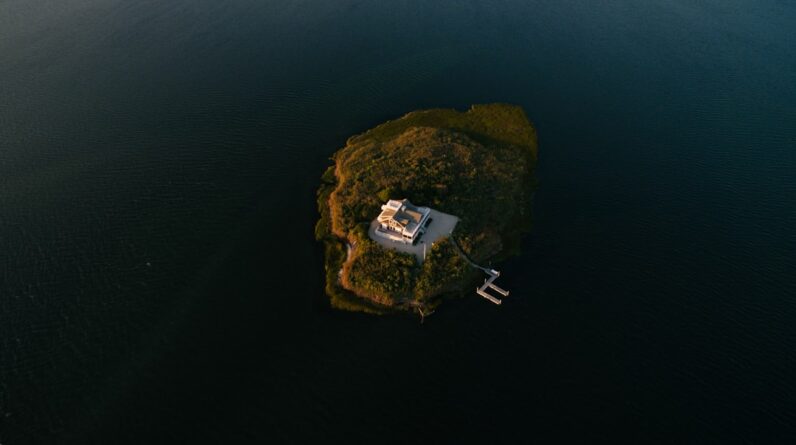
As you look around the world today, the urgency for relocation among island communities becomes increasingly apparent. Rising sea levels, driven by climate change, pose an existential threat to many low-lying islands. These communities, often rich in culture and history, find themselves at a crossroads where the very land they inhabit is slowly being swallowed by the ocean.
The need for relocation is not just a matter of physical displacement; it encompasses the preservation of identity, culture, and livelihoods that have been nurtured over generations. You may wonder what drives this urgent need for relocation. The answer lies in the alarming statistics that reveal the extent of the crisis.
According to various studies, it is estimated that by 2050, millions of people living in coastal areas could be displaced due to rising sea levels. For island communities, this timeline is even more pressing. The combination of storm surges, coastal erosion, and saltwater intrusion into freshwater supplies creates a perfect storm that threatens their very existence.
As you consider these factors, it becomes clear that proactive measures must be taken to ensure the survival of these communities.
Key Takeaways
- Island communities are facing an urgent need for relocation due to rising sea levels and climate change.
- Rising sea levels are impacting island communities, leading to displacement and abandonment of their homes.
- Government responses and policies are crucial in addressing the challenges faced by displaced islanders.
- Climate change plays a significant role in the abandonment of islands, leading to the displacement of their inhabitants.
- Displaced islanders face numerous challenges, including loss of homes, livelihoods, and cultural heritage.
The Impact of Rising Sea Levels on Island Communities
Threats to Homes and Infrastructure
The physical consequences of rising sea levels are evident in the increased vulnerability of homes and infrastructure. What were once safe and secure dwellings are now at risk of flooding and erosion, leading to a decline in living conditions and quality of life.
The Psychological and Economic Toll
The psychological toll on residents is significant; the constant threat of losing their homes creates anxiety and uncertainty about the future. Moreover, the economic implications are equally dire. Many island communities rely heavily on tourism and fishing as their primary sources of income.
A Cycle of Vulnerability
As rising sea levels disrupt marine ecosystems and make coastal areas less appealing to tourists, you can see how livelihoods are jeopardized. The loss of arable land due to saltwater intrusion further exacerbates food insecurity, forcing families to make difficult choices about their futures. The cascading effects of these changes create a cycle of vulnerability that is hard to escape.
Government Responses and Policies
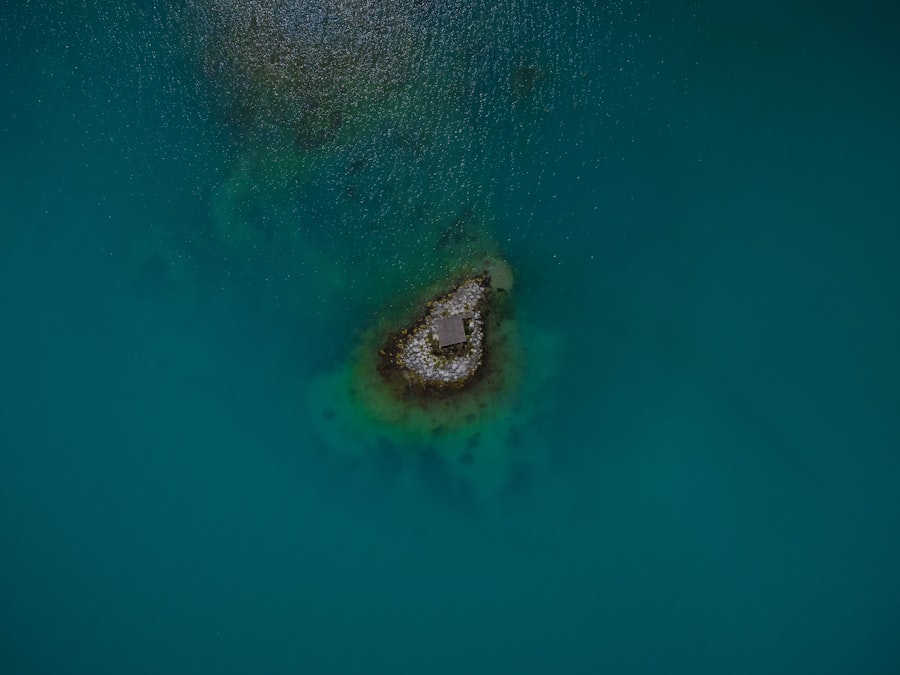
In response to the challenges posed by rising sea levels, governments around the world are beginning to formulate policies aimed at addressing the needs of island communities. You may find it interesting to note that some nations have taken proactive steps to develop comprehensive relocation plans. These plans often involve identifying suitable land for resettlement, ensuring access to essential services, and providing financial support for displaced individuals.
However, the effectiveness of these policies varies widely depending on political will and available resources. You might also consider the role of international cooperation in addressing this crisis. Some governments are collaborating with non-governmental organizations and international bodies to create frameworks for climate adaptation and resilience.
These partnerships can lead to innovative solutions that empower island communities to adapt rather than abandon their homes entirely. However, despite these efforts, many island nations still face bureaucratic hurdles and insufficient funding, which can hinder progress in implementing effective relocation strategies.
The Role of Climate Change in Island Abandonment
Climate change is undeniably at the heart of the issue of island abandonment. As you delve deeper into this topic, you may realize that it is not just a matter of rising sea levels; it encompasses a range of environmental changes that threaten the very fabric of island life. Increased frequency and intensity of storms, changing weather patterns, and ocean acidification all contribute to an increasingly hostile environment for island dwellers.
You may also reflect on how climate change exacerbates existing social inequalities within these communities. Vulnerable populations—such as indigenous groups or those with limited economic resources—are often hit hardest by environmental changes. As you consider these dynamics, it becomes evident that climate change is not just an environmental issue; it is a social justice issue that demands urgent attention and action from both local and global leaders.
Challenges Faced by Displaced Islanders
The challenges faced by displaced islanders are multifaceted and deeply complex. As you think about what it means to be uprooted from one’s home, you may recognize that the emotional toll can be just as significant as the physical displacement itself. Many individuals experience a profound sense of loss—not only of their homes but also of their cultural heritage and community ties.
This emotional burden can lead to mental health issues such as anxiety and depression, further complicating the process of resettlement. Additionally, practical challenges abound for those who are forced to relocate. You might consider the logistical hurdles involved in moving entire communities—finding new housing, securing employment opportunities, and accessing education for children are just a few of the obstacles that displaced islanders face.
Moreover, integrating into new communities can be fraught with difficulties, as cultural differences and social stigmas may hinder acceptance and belonging in unfamiliar environments.
International Aid and Support for Climate Refugees
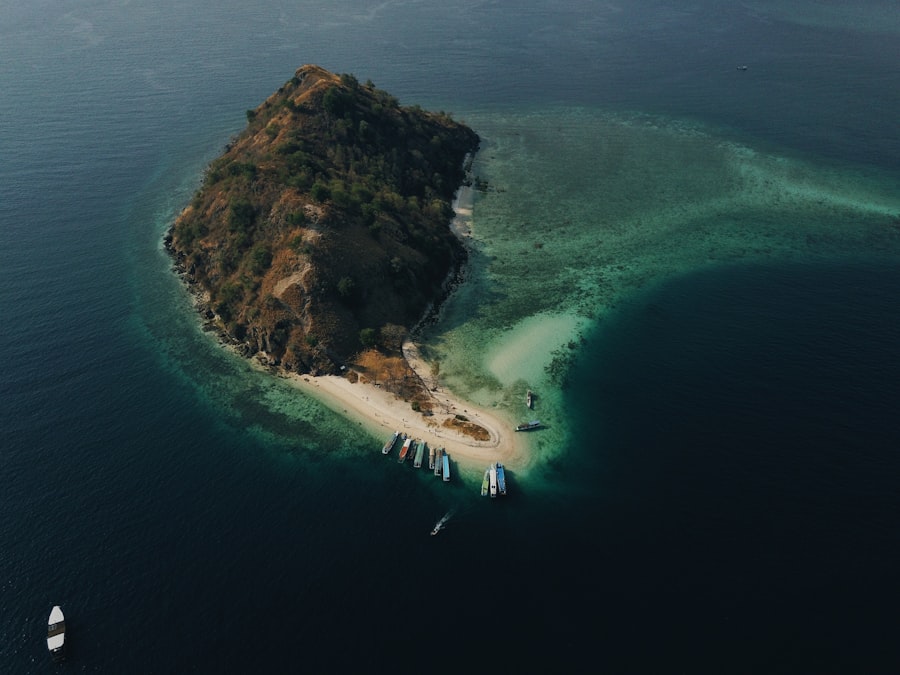
International aid plays a crucial role in supporting climate refugees as they navigate the complexities of displacement. You may find it encouraging that various organizations and governments are stepping up to provide assistance in the form of financial aid, technical support, and capacity-building initiatives. These efforts aim to empower displaced individuals and communities by helping them rebuild their lives in new locations while preserving their cultural identities.
However, you might also recognize that international aid is not without its challenges. Bureaucratic red tape can slow down the delivery of assistance, leaving vulnerable populations in limbo during critical moments. Additionally, there is often a lack of coordination among different aid organizations, which can lead to inefficiencies and gaps in support services.
As you consider these factors, it becomes clear that while international aid is essential, it must be delivered in a timely and coordinated manner to truly make a difference in the lives of climate refugees.
Sustainable Solutions for Island Communities
As you contemplate the future of island communities facing displacement, sustainable solutions emerge as a beacon of hope. You may be intrigued by innovative approaches that prioritize resilience and adaptation rather than outright abandonment. For instance, some communities are exploring eco-friendly infrastructure projects designed to withstand rising sea levels while minimizing environmental impact.
These initiatives not only protect homes but also create job opportunities within local economies. Furthermore, community-led initiatives can play a pivotal role in fostering sustainability. You might find it inspiring that many islanders are taking matters into their own hands by implementing practices such as permaculture farming or renewable energy projects.
By harnessing local resources and knowledge, these communities can build resilience against climate change while preserving their cultural heritage. As you reflect on these sustainable solutions, it becomes evident that empowering local voices is key to creating lasting change.
The Future of Climate Refugees: Where Do They Go?
As you ponder the future of climate refugees, one pressing question arises: where do they go? The answer is complex and multifaceted, influenced by various factors such as geography, politics, and social dynamics. You may envision scenarios where some displaced individuals find refuge within their own countries, while others seek opportunities abroad in more stable environments.
However, this journey is often fraught with challenges, including legal barriers and xenophobia. You might also consider the potential for innovative resettlement programs that prioritize integration and support for climate refugees. Countries around the world could benefit from adopting policies that facilitate safe migration pathways while ensuring access to essential services such as education and healthcare.
As you reflect on these possibilities, it becomes clear that addressing the needs of climate refugees requires a collaborative effort from governments, organizations, and communities alike—an effort rooted in compassion and understanding for those who have lost so much yet continue to strive for a better future.
In a related article on preventing floods, massive tree planting is highlighted as a solution to combat the devastating effects of deforestation and climate change. The article discusses how planting trees can help prevent floods by absorbing excess water and stabilizing soil, ultimately protecting communities from the destructive impacts of rising sea levels. To learn more about the importance of tree planting in preventing floods, visit this article.
FAQs
What is the Climate Exodus?
The Climate Exodus refers to the phenomenon of people being forced to leave their homes and communities due to the impacts of climate change, such as rising sea levels, extreme weather events, and other environmental changes.
Why are islands being abandoned due to rising seas?
Islands are particularly vulnerable to the effects of rising sea levels caused by climate change. As the sea level rises, it can lead to coastal erosion, saltwater intrusion into freshwater sources, and increased flooding, making it difficult for people to continue living on these islands.
Which islands are being abandoned due to rising seas?
Several low-lying islands and atolls in the Pacific and Indian Oceans, such as Kiribati, Tuvalu, and the Maldives, are facing the prospect of being abandoned due to rising seas. These islands are at risk of becoming uninhabitable as the sea level continues to rise.
What are the implications of the Climate Exodus?
The Climate Exodus has significant social, economic, and political implications. It can lead to displacement, loss of cultural heritage, and challenges in finding new homes and livelihoods for the affected populations. It also raises questions about international responsibility and support for climate refugees.
What measures are being taken to address the impacts of rising seas on islands?
Efforts to address the impacts of rising seas on islands include coastal protection measures, such as building seawalls and planting mangroves, as well as initiatives to promote sustainable development and adaptation strategies. International agreements like the Paris Agreement also aim to mitigate climate change and its impacts.