


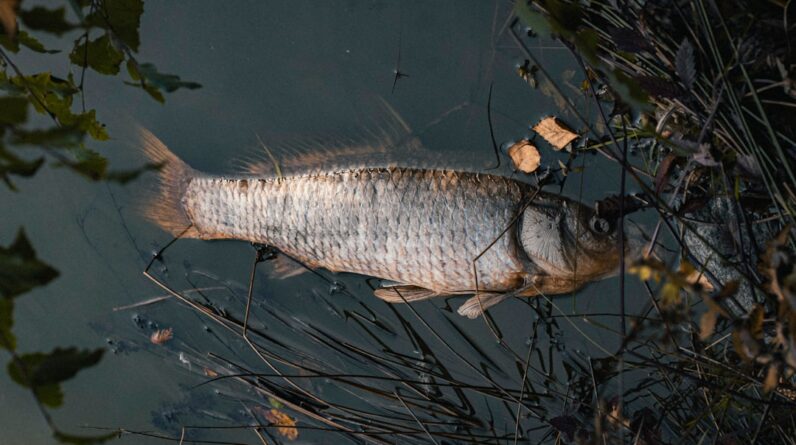
As you gaze out at the vast expanse of the ocean, it’s easy to overlook the intricate balance of life that thrives beneath the surface. However, a silent crisis is unfolding in these waters: ocean deoxygenation. This phenomenon refers to the decline in dissolved oxygen levels in oceanic waters, which is critical for the survival of marine organisms.
The oceans, which cover more than 70% of our planet, are not only a source of food and livelihood for millions but also play a vital role in regulating the Earth’s climate. Understanding ocean deoxygenation is essential, as it poses significant threats to marine ecosystems and, ultimately, human well-being. The causes of ocean deoxygenation are multifaceted, stemming from both natural processes and human activities.
As you delve deeper into this issue, you will discover how climate change, nutrient pollution, and other factors contribute to this alarming trend. The consequences of reduced oxygen levels are far-reaching, affecting everything from the smallest plankton to the largest marine mammals. By exploring the various dimensions of ocean deoxygenation, you can gain insight into the urgent need for action to protect our oceans and the life they sustain.
Key Takeaways
- Ocean deoxygenation is the reduction of oxygen levels in the ocean, which can have detrimental effects on marine life and ecosystems.
- Natural causes of ocean deoxygenation include changes in ocean circulation, temperature, and nutrient availability, which can lead to oxygen depletion in certain areas.
- Human-induced causes of ocean deoxygenation include nutrient pollution, climate change, and overfishing, which can exacerbate oxygen depletion in the ocean.
- Ocean deoxygenation can lead to the loss of biodiversity, changes in species distribution, and increased susceptibility to diseases in marine life.
- Ocean deoxygenation can also disrupt food webs, alter nutrient cycling, and lead to the decline of important fisheries, impacting the livelihoods of coastal communities.
Natural Causes of Ocean Deoxygenation
Natural processes play a significant role in the dynamics of ocean oxygen levels. One of the primary natural causes of ocean deoxygenation is stratification, which occurs when warmer water sits atop cooler water, creating layers that inhibit mixing. This stratification can lead to reduced oxygen levels in deeper waters, particularly in regions where upwelling is limited.
As you consider this phenomenon, it becomes clear that natural variations in temperature and salinity can significantly impact the distribution of oxygen in the ocean. Another natural contributor to ocean deoxygenation is the decomposition of organic matter. When marine organisms die, their remains sink to the ocean floor, where bacteria break them down.
This process consumes oxygen, particularly in areas with high organic input, such as coastal regions rich in nutrients. While this is a natural cycle, it can be exacerbated by environmental changes, leading to hypoxic conditions—areas where oxygen levels drop dangerously low for marine life. Understanding these natural processes is crucial for recognizing how they interact with human-induced factors to create a perfect storm for ocean health.
Human-Induced Causes of Ocean Deoxygenation
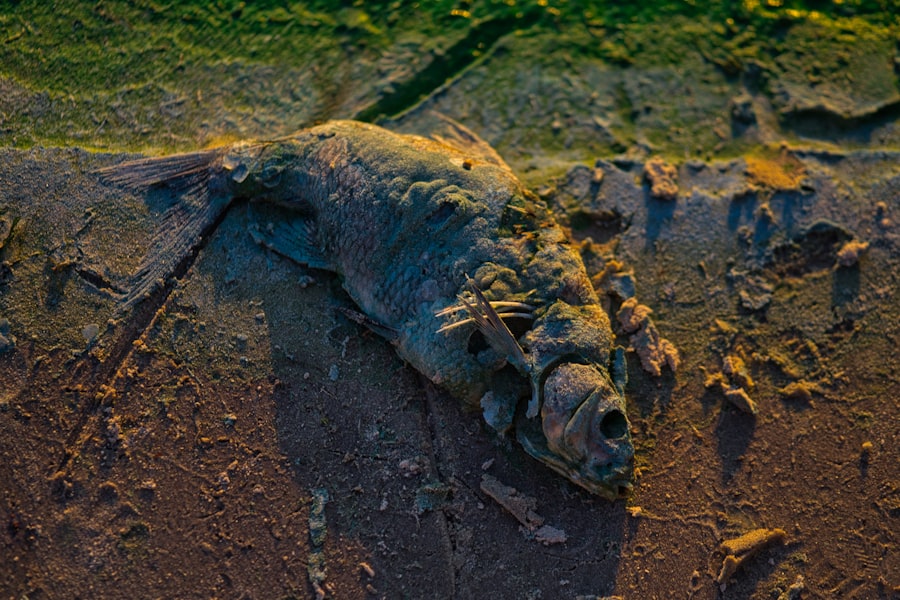
While natural processes contribute to ocean deoxygenation, human activities have accelerated this trend at an alarming rate. One of the most significant contributors is nutrient pollution, primarily from agricultural runoff and wastewater discharge. When excess nitrogen and phosphorus enter the ocean, they stimulate algal blooms that can deplete oxygen levels as they decay.
As you reflect on this issue, consider how agricultural practices and urban development have transformed landscapes and waterways, leading to increased nutrient loading in coastal areas. Climate change is another critical factor driving ocean deoxygenation. Rising global temperatures lead to warmer surface waters, which can exacerbate stratification and reduce mixing with deeper waters.
Additionally, increased carbon dioxide levels result in ocean acidification, further impacting marine life and their ability to thrive in oxygen-depleted environments. As you contemplate these human-induced causes, it becomes evident that our actions have far-reaching consequences for the health of our oceans and the myriad species that depend on them.
Impacts of Ocean Deoxygenation on Marine Life
The impacts of ocean deoxygenation on marine life are profound and varied. Many species rely on specific oxygen levels to survive; when those levels drop, their ability to thrive diminishes. Fish and other marine organisms may experience stress or even mortality in hypoxic conditions.
As you consider the implications for biodiversity, think about how entire populations can be affected when their habitats become inhospitable due to low oxygen levels. Moreover, ocean deoxygenation can disrupt food webs and alter predator-prey relationships. For instance, species that are more tolerant of low oxygen may thrive at the expense of others, leading to shifts in community composition.
As you explore these changes, it’s essential to recognize that such disruptions can have cascading effects throughout marine ecosystems. The loss of key species can destabilize entire habitats, making it increasingly difficult for marine life to adapt and survive in an ever-changing environment.
Impacts of Ocean Deoxygenation on Ecosystems
The ramifications of ocean deoxygenation extend beyond individual species; they ripple through entire ecosystems. Coral reefs, often referred to as the “rainforests of the sea,” are particularly vulnerable to low oxygen levels. These ecosystems rely on a delicate balance of conditions to thrive, and when oxygen is depleted, coral health declines significantly.
As you ponder the fate of these vibrant ecosystems, consider how their degradation affects not only marine life but also coastal communities that depend on them for tourism and fisheries. Estuarine environments are also at risk due to ocean deoxygenation. These areas serve as critical nurseries for many fish species and provide essential habitat for various organisms.
When oxygen levels drop in estuaries, it can lead to fish kills and a decline in biodiversity. As you reflect on these impacts, it becomes clear that healthy ecosystems are vital for maintaining the overall health of our oceans and the services they provide to humanity.
Impacts of Ocean Deoxygenation on Fisheries
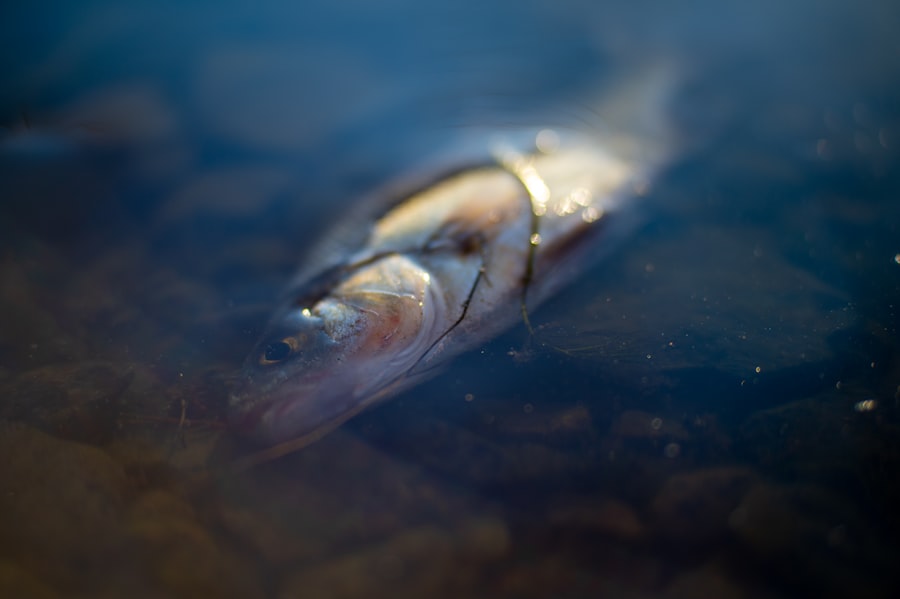
The fishing industry is intricately linked to the health of marine ecosystems, making it particularly susceptible to the effects of ocean deoxygenation. As fish populations decline due to low oxygen levels, commercial fisheries face significant challenges. You may find it alarming that many regions already report reduced catches as a direct result of hypoxia.
This decline not only threatens food security for millions but also jeopardizes livelihoods dependent on fishing. Moreover, shifts in fish distribution caused by changing oxygen levels can lead to conflicts among fishing communities. As species migrate in search of more suitable habitats, fishermen may find themselves competing for dwindling resources or facing new regulations aimed at protecting vulnerable populations.
As you consider these challenges, it becomes evident that addressing ocean deoxygenation is not just an environmental issue; it is also a matter of economic stability and social equity for communities reliant on fisheries.
Impacts of Ocean Deoxygenation on Climate Change
Ocean deoxygenation is not merely a localized issue; it has broader implications for climate change as well. The oceans play a crucial role in sequestering carbon dioxide from the atmosphere, helping to mitigate global warming. However, as oxygen levels decline, the ability of oceans to absorb carbon diminishes.
This feedback loop can exacerbate climate change effects, creating a cycle that is difficult to break. Additionally, deoxygenated waters can lead to increased greenhouse gas emissions from the ocean itself. When organic matter decomposes in low-oxygen environments, it can produce methane—a potent greenhouse gas that contributes to climate change.
As you contemplate these interconnected issues, it becomes clear that addressing ocean deoxygenation is essential not only for marine health but also for global climate stability.
Solutions to Address Ocean Deoxygenation
Addressing ocean deoxygenation requires a multifaceted approach that encompasses both local and global efforts. One effective strategy involves reducing nutrient pollution through improved agricultural practices and wastewater management. By implementing sustainable farming techniques and investing in better sewage treatment systems, you can help minimize nutrient runoff into coastal waters.
Additionally, promoting marine protected areas (MPAs) can enhance resilience against ocean deoxygenation by safeguarding critical habitats and allowing ecosystems to recover from stressors. These protected zones can serve as refuges for marine life while also providing valuable data for researchers studying the impacts of deoxygenation. Public awareness and education are also vital components in combating ocean deoxygenation.
By informing communities about the importance of healthy oceans and encouraging sustainable practices, you can foster a collective commitment to preserving marine environments for future generations. Ultimately, addressing this pressing issue requires collaboration among governments, scientists, industries, and individuals like yourself who care about the health of our oceans and the life they support. In conclusion, ocean deoxygenation represents a significant threat to marine life, ecosystems, fisheries, and even climate stability.
By understanding its causes and impacts—and actively participating in solutions—you can contribute to safeguarding our oceans for generations to come. The time for action is now; your involvement can make a difference in reversing this alarming trend and ensuring a healthier planet for all living beings.
There is a related article on how reforestation helps the environment, which can be found at this link. Reforestation plays a crucial role in combating climate change and preserving biodiversity, making it a valuable tool in addressing the causes and impacts of ocean deoxygenation. Additionally, healthy forests serve as biodiversity reservoirs, as discussed in another article available at this link. By understanding the advantages of planting trees for climate change, we can work towards creating a more sustainable future for our planet, as highlighted in the article found at this link.
FAQs
What is ocean deoxygenation?
Ocean deoxygenation refers to the decline in the concentration of oxygen in the Earth’s oceans. This can occur due to a variety of factors, including climate change, nutrient pollution, and changes in ocean circulation patterns.
What are the causes of ocean deoxygenation?
The main causes of ocean deoxygenation include climate change, which leads to warmer ocean temperatures and reduced oxygen solubility, as well as increased nutrient pollution from human activities such as agriculture and industrial processes. Additionally, changes in ocean circulation patterns can also contribute to deoxygenation.
What are the impacts of ocean deoxygenation?
Ocean deoxygenation can have significant impacts on marine ecosystems, leading to the loss of biodiversity, changes in species distribution, and the disruption of food webs. It can also affect fisheries and aquaculture, as well as coastal economies that rely on healthy marine ecosystems. Furthermore, deoxygenation can lead to the release of harmful substances from sediments, such as hydrogen sulfide, which can be toxic to marine life.
How is ocean deoxygenation being addressed?
Efforts to address ocean deoxygenation include reducing greenhouse gas emissions to mitigate climate change, implementing measures to reduce nutrient pollution from sources such as agriculture and wastewater treatment plants, and improving monitoring and research efforts to better understand and track deoxygenation trends. Additionally, there are ongoing efforts to establish marine protected areas and other conservation measures to help protect and restore marine ecosystems affected by deoxygenation.


