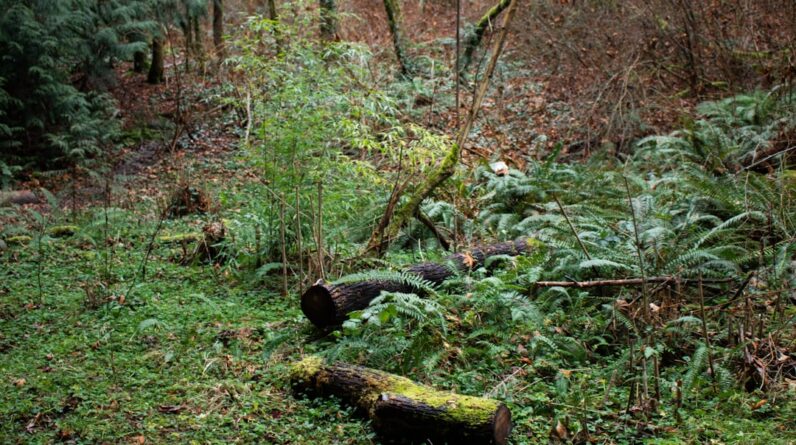
Reforestation plays a crucial role in restoring ecosystem services that have been compromised by deforestation and land degradation. When you think about the myriad benefits that forests provide, it becomes clear that their restoration is not merely an environmental concern but a necessity for human well-being. Forests act as natural filters, purifying air and water, while also providing habitats for countless species.
By reintroducing trees into barren landscapes, you are not only revitalizing these essential services but also fostering a healthier planet for future generations. Moreover, reforestation contributes to the resilience of ecosystems. As you engage in reforestation efforts, you help create a buffer against climate change impacts, such as extreme weather events and shifting climate patterns.
Healthy forests can absorb excess rainfall, reducing the risk of flooding, while also maintaining groundwater levels during dry spells. This dual function of water regulation and flood mitigation underscores the importance of reforestation in maintaining ecological balance. By prioritizing these efforts, you are actively participating in the restoration of vital ecosystem services that support both nature and humanity.
Key Takeaways
- Reforestation is crucial for restoring ecosystem services and maintaining a healthy environment.
- Trees play a vital role in regulating climate and water cycles, helping to mitigate the effects of climate change.
- Reforestation is essential for biodiversity conservation, providing habitats for a wide range of species.
- Reforestation has a positive impact on soil health and nutrient cycling, promoting sustainable agriculture and ecosystem productivity.
- Reforestation is an effective method for carbon sequestration, helping to mitigate the impacts of greenhouse gas emissions on the environment.
The Role of Trees in Regulating Climate and Water Cycles
Trees are often referred to as the lungs of the Earth, and for good reason. They play an indispensable role in regulating climate and water cycles. When you consider how trees absorb carbon dioxide during photosynthesis, it becomes evident that they are key players in mitigating climate change.
By sequestering carbon, trees help to lower atmospheric CO2 levels, which is essential for combating global warming. As you participate in reforestation initiatives, you contribute to this critical process, helping to stabilize the climate for all living beings. In addition to their role in carbon sequestration, trees also influence local and regional water cycles.
Through a process known as transpiration, trees release water vapor into the atmosphere, which can lead to increased rainfall in surrounding areas. This phenomenon is particularly important in arid regions where water scarcity is a pressing issue. By planting trees, you are not only enhancing local biodiversity but also improving water availability for both ecosystems and human communities.
The interconnectedness of trees with climate and water cycles highlights the importance of reforestation as a multifaceted solution to environmental challenges.
Reforestation and Biodiversity Conservation

Biodiversity is the foundation of healthy ecosystems, and reforestation plays a pivotal role in conserving this diversity. When you engage in reforestation efforts, you create new habitats for various species, allowing them to thrive once again in areas that may have been stripped of their natural vegetation. This restoration of habitat is vital for many endangered species that rely on specific environments for survival.
By planting native trees and restoring natural landscapes, you contribute to the preservation of genetic diversity and the overall health of ecosystems. Furthermore, reforestation can help combat the effects of habitat fragmentation, which is a significant threat to biodiversity. As you work to restore forests, you create corridors that connect isolated patches of habitat, allowing wildlife to move freely between them.
This connectivity is essential for species migration, reproduction, and genetic exchange. By fostering biodiversity through reforestation, you not only support wildlife but also enhance ecosystem resilience, making it better equipped to withstand environmental changes.
The Impact of Reforestation on Soil Health and Nutrient Cycling
Soil health is a critical component of ecosystem functionality, and reforestation has a profound impact on this aspect of the environment. When you plant trees, their roots help to stabilize soil structure and prevent erosion. This stabilization is particularly important in areas prone to landslides or degradation due to agricultural practices.
As trees grow, they also contribute organic matter to the soil through leaf litter and decaying roots, enriching it with essential nutrients that support plant growth. In addition to improving soil structure and nutrient content, reforestation enhances nutrient cycling within ecosystems. Trees play a vital role in the nitrogen cycle by fixing atmospheric nitrogen through symbiotic relationships with certain soil bacteria.
This process enriches the soil with nitrogen compounds that are crucial for plant growth. As you participate in reforestation projects, you are not only improving soil health but also promoting sustainable agricultural practices that can benefit local communities by increasing crop yields and reducing reliance on chemical fertilizers.
Reforestation and Carbon Sequestration
One of the most significant benefits of reforestation is its potential for carbon sequestration. As you plant trees, you are directly contributing to the reduction of greenhouse gases in the atmosphere. Forests act as carbon sinks, absorbing CO2 during photosynthesis and storing it in their biomass and soil.
This process is essential for mitigating climate change and achieving global carbon reduction targets. By engaging in reforestation efforts, you become part of a larger movement aimed at combating one of the most pressing challenges of our time. The effectiveness of reforestation in carbon sequestration depends on various factors, including tree species selection, planting density, and management practices.
When you choose native species that are well-adapted to local conditions, you enhance the likelihood of successful growth and long-term carbon storage. Additionally, maintaining healthy forest ecosystems through sustainable management practices ensures that these carbon sinks remain effective over time. Your involvement in thoughtful reforestation initiatives can significantly contribute to global efforts to reduce atmospheric CO2 levels.
Economic and Social Benefits of Reforestation

Reforestation is not only an environmental imperative but also an economic opportunity. When you invest in tree planting initiatives, you create jobs in forestry, conservation, and related sectors. These employment opportunities can be particularly beneficial in rural areas where economic options may be limited.
By supporting local communities through reforestation projects, you help foster sustainable livelihoods while simultaneously addressing environmental degradation. Moreover, reforestation can enhance ecosystem services that have direct economic benefits for communities. Healthy forests provide resources such as timber, non-timber forest products (like fruits and nuts), and recreational opportunities that can boost local economies.
As you engage in reforestation efforts, you contribute to a more sustainable economy that values both environmental health and community well-being. The social benefits extend beyond economic gains; they also include improved mental health and community cohesion as people come together to restore their natural surroundings.
Challenges and Considerations in Reforestation Efforts
While reforestation offers numerous benefits, it is not without its challenges. One significant hurdle is ensuring that the right tree species are selected for planting. When you embark on reforestation projects, it is essential to consider local ecological conditions and choose native species that will thrive in the area.
Planting non-native species can lead to unintended consequences such as invasive species proliferation or disruption of local ecosystems. Another challenge lies in securing funding and resources for reforestation initiatives. Many projects require substantial investment in terms of time, labor, and financial resources.
As you consider participating in or supporting reforestation efforts, it is crucial to advocate for policies that prioritize funding for these initiatives at local, national, and international levels. Collaboration with governments, NGOs, and local communities can help overcome these challenges and ensure the success of reforestation projects.
Successful Reforestation Projects around the World
Across the globe, numerous successful reforestation projects serve as inspiring examples of what can be achieved through dedicated efforts. One notable initiative is the Bonn Challenge, which aims to restore 150 million hectares of deforested land by 2020—a goal that has garnered international support from various countries and organizations. As you learn about such initiatives, it becomes clear that collective action can lead to significant positive change.
Another remarkable example is Ethiopia’s Green Legacy Initiative, which has seen millions of trees planted across the country as part of a national effort to combat deforestation and climate change. This ambitious project not only aims to restore degraded landscapes but also seeks to engage local communities in sustainable land management practices. By participating in or supporting similar projects worldwide, you can contribute to a global movement focused on restoring forests and enhancing ecosystem services for generations to come.
In conclusion, reforestation is a multifaceted solution that addresses environmental degradation while providing economic and social benefits. As you consider your role in this vital effort, remember that every tree planted contributes to a healthier planet and a more sustainable future for all living beings. Your involvement can make a difference—whether through direct action or by supporting policies that prioritize forest restoration—ensuring that ecosystems thrive for generations to come.
If you are interested in learning more about the benefits of planting trees for the environment, you may want to check out the article Advantages of Planting Trees for Climate Change. This article discusses how planting trees can help combat climate change and improve air quality, among other benefits. It complements the information provided in the article about how reforestation is revitalizing ecosystem services. Both articles highlight the importance of trees in maintaining a healthy environment and promoting sustainability.
FAQs
What is reforestation?
Reforestation is the process of planting trees in areas where forests have been depleted or destroyed, with the goal of restoring the ecological balance and providing various ecosystem services.
How does reforestation revitalize ecosystem services?
Reforestation revitalizes ecosystem services by restoring the natural habitat for various plant and animal species, improving air and water quality, reducing soil erosion, and mitigating climate change through carbon sequestration.
What are some of the ecosystem services provided by reforestation?
Ecosystem services provided by reforestation include biodiversity conservation, water regulation, soil fertility improvement, carbon sequestration, and the provision of timber and non-timber forest products.
What are the environmental benefits of reforestation?
Reforestation helps to mitigate climate change by absorbing carbon dioxide from the atmosphere, reduces soil erosion, improves water quality, and provides habitat for a wide range of plant and animal species.
What are some challenges associated with reforestation efforts?
Challenges associated with reforestation efforts include securing land for planting, selecting appropriate tree species for the specific ecosystem, ensuring long-term maintenance and protection of the newly planted trees, and addressing potential conflicts with local communities and land use.