As you navigate through the complexities of modern life, it becomes increasingly clear that technology plays a pivotal role in addressing one of the most pressing challenges of our time: climate change. The intersection of technology and climate action is not merely a trend; it is a necessity for the survival of our planet. With the stakes higher than ever, you may find yourself wondering how innovations can help mitigate the effects of climate change and promote sustainability.
This article will explore the multifaceted relationship between technology and climate action, highlighting the various ways in which advancements can lead to a more sustainable future. In recent years, the urgency to combat climate change has spurred a wave of technological innovations aimed at reducing greenhouse gas emissions and promoting environmental stewardship. As you delve deeper into this topic, you will discover that technology is not just a tool for efficiency; it is a catalyst for transformative change.
From renewable energy sources to artificial intelligence, the potential for technology to reshape our approach to climate action is immense. Understanding this relationship is crucial for anyone who wishes to contribute to a more sustainable world.
Key Takeaways
- Technology plays a crucial role in addressing climate change by providing innovative solutions and tools for climate action.
- The impact of technology on climate change can be both positive and negative, depending on how it is utilized and managed.
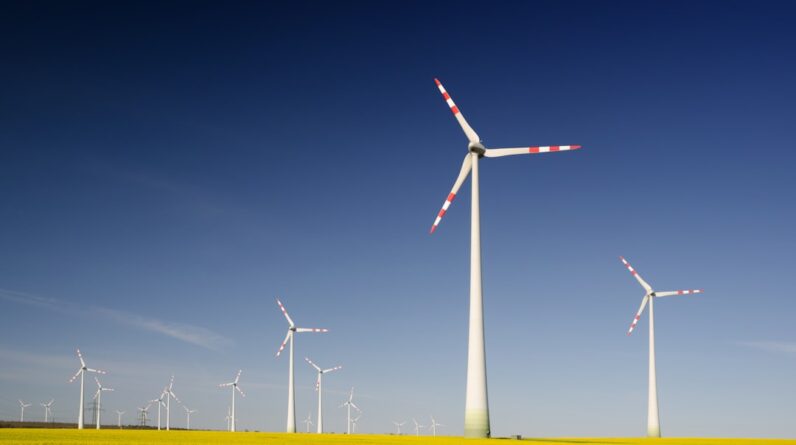
- Innovations in renewable energy technology, such as solar and wind power, are essential for reducing carbon emissions and transitioning to a more sustainable energy system.
- Artificial intelligence can help optimize energy usage, improve climate modeling, and enhance disaster response and preparedness.
- Technology enables more accurate and efficient climate monitoring and analysis, providing valuable data for decision-making and policy development.
The Impact of Technology on Climate Change
The impact of technology on climate change is profound and multifaceted. You may be surprised to learn that technological advancements have both positive and negative implications for the environment. On one hand, certain technologies have contributed significantly to the acceleration of climate change through increased carbon emissions and resource depletion.
The rise of fossil fuel extraction, industrial agriculture, and mass production has led to an unsustainable consumption pattern that threatens the planet’s ecological balance. Conversely, technology also offers solutions that can help reverse some of the damage done. Innovations in energy efficiency, waste management, and carbon capture are just a few examples of how technology can be harnessed to combat climate change.
As you explore these advancements, you will see that they not only reduce emissions but also promote sustainable practices that can lead to long-term environmental benefits. The challenge lies in balancing these technological developments with responsible practices that prioritize the health of our planet.
Innovations in Renewable Energy Technology
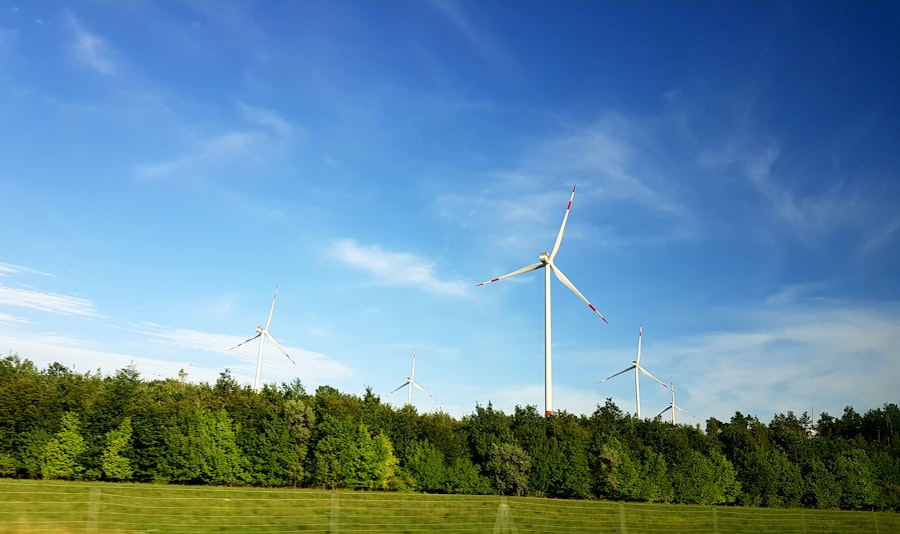
Renewable energy technology stands at the forefront of the fight against climate change, offering promising alternatives to fossil fuels. As you consider the various forms of renewable energy—such as solar, wind, hydroelectric, and geothermal—you will recognize their potential to significantly reduce greenhouse gas emissions. For instance, solar panels have become increasingly efficient and affordable, making it easier for individuals and businesses alike to harness the power of the sun.
Wind turbines are also becoming more advanced, capable of generating electricity even in low-wind conditions. Moreover, innovations in energy storage technology are crucial for maximizing the effectiveness of renewable energy sources. You may find it fascinating that advancements in battery technology are enabling better storage solutions, allowing excess energy generated during peak production times to be stored and used later.
This not only enhances the reliability of renewable energy but also encourages wider adoption among consumers. As you explore these innovations, it becomes evident that renewable energy technology is not just a trend; it is a cornerstone of sustainable development.
The Role of Artificial Intelligence in Climate Action
Artificial intelligence (AI) is revolutionizing various sectors, and its role in climate action is particularly noteworthy. You might be intrigued by how AI can analyze vast amounts of data to identify patterns and predict future climate scenarios. This capability allows researchers and policymakers to make informed decisions based on real-time data, ultimately leading to more effective climate strategies.
For instance, AI algorithms can optimize energy consumption in buildings by analyzing usage patterns and adjusting systems accordingly. Additionally, AI can enhance climate modeling by simulating different scenarios and assessing their potential impacts on ecosystems and human communities. As you delve into this topic, you will discover that AI is not just about efficiency; it also fosters collaboration among scientists, governments, and organizations working towards common climate goals.
By leveraging AI technologies, stakeholders can share insights and develop comprehensive strategies that address the multifaceted challenges posed by climate change.
Technology’s Influence on Climate Monitoring and Analysis
Monitoring and analyzing climate data is essential for understanding the current state of our environment and predicting future changes. You may be surprised to learn how technology has transformed this field through advanced satellite systems, remote sensing technologies, and data analytics tools. These innovations enable scientists to collect real-time data on temperature fluctuations, sea-level rise, deforestation rates, and other critical indicators of climate health.
As you explore these technological advancements, you will appreciate how they contribute to more accurate climate models and forecasts. For example, satellite imagery allows researchers to monitor changes in land use and vegetation cover over time, providing valuable insights into how human activities impact ecosystems. Furthermore, data analytics tools can process this information quickly, allowing for timely interventions when necessary.
The ability to monitor climate changes effectively empowers communities and governments to take proactive measures in mitigating adverse effects.
Advancements in Sustainable Agriculture Technology

Sustainable agriculture technology is another area where innovation plays a crucial role in combating climate change. As you consider the challenges posed by traditional farming practices—such as soil degradation, water scarcity, and excessive pesticide use—you will recognize the need for more sustainable approaches. Technological advancements in precision agriculture are helping farmers optimize their practices by using data-driven insights to make informed decisions about planting, irrigation, and pest management.
For instance, drones equipped with sensors can monitor crop health and soil conditions from above, allowing farmers to apply resources more efficiently. Additionally, vertical farming techniques are gaining traction as urban populations grow, enabling food production in controlled environments with minimal land use. As you delve into these advancements, it becomes clear that sustainable agriculture technology not only addresses food security but also contributes to reducing greenhouse gas emissions associated with traditional farming methods.
The Importance of Technological Solutions in Climate Adaptation
As climate change continues to impact communities worldwide, the importance of technological solutions for adaptation cannot be overstated. You may find it enlightening to explore how technology can help societies adjust to changing environmental conditions while minimizing risks associated with climate-related disasters. For example, early warning systems powered by advanced algorithms can predict extreme weather events such as hurricanes or floods, allowing communities to prepare and respond effectively.
Moreover, innovative infrastructure solutions—such as green roofs and permeable pavements—can enhance urban resilience by managing stormwater runoff and reducing heat island effects. As you consider these examples, you will see that technological solutions are not just reactive; they also promote proactive measures that empower communities to thrive despite the challenges posed by climate change. By investing in these technologies, societies can build resilience and ensure a sustainable future for generations to come.
The Future of Technology in Leading Climate Action
Looking ahead, the future of technology in leading climate action appears promising yet challenging. As you reflect on the rapid pace of innovation, it becomes evident that continued investment in research and development is essential for unlocking new solutions to combat climate change effectively. You may be inspired by the potential for emerging technologies—such as carbon capture and storage (CCS), bioengineering, and blockchain—to revolutionize our approach to sustainability.
However, it is crucial to recognize that technological advancements alone will not suffice; they must be accompanied by strong policy frameworks and public engagement. As you consider your role in this movement, remember that advocating for sustainable practices and supporting policies that prioritize environmental protection are equally important. By fostering collaboration among governments, businesses, and individuals, we can create a collective effort that harnesses technology’s full potential in leading climate action.
In conclusion, as you navigate through the intricate relationship between technology and climate action, it becomes clear that innovation holds the key to a sustainable future. From renewable energy solutions to AI-driven insights and sustainable agriculture practices, technology offers a myriad of tools that can help us combat climate change effectively. Embracing these advancements while advocating for responsible practices will empower you—and society as a whole—to take meaningful steps toward preserving our planet for future generations.
In a related article on combatting global warming through massive tree planting, it discusses the crucial role that reforestation plays in mitigating climate change. By planting trees on a large scale, we can help absorb carbon dioxide from the atmosphere and combat the effects of global warming. This article highlights the importance of healthy forests as biodiversity reservoirs and emphasizes the positive impact that planting trees can have on deforestation. To learn more about the benefits of tree planting in the fight against climate change, check out this article.
FAQs
What is the role of technology in leading climate action?
Technology plays a crucial role in leading climate action by providing innovative solutions to reduce greenhouse gas emissions, increase energy efficiency, and promote sustainable practices across various industries.
How does technology help in reducing greenhouse gas emissions?
Technology helps in reducing greenhouse gas emissions by enabling the development and adoption of renewable energy sources, improving energy efficiency in buildings and transportation, and implementing carbon capture and storage solutions.
What are some examples of technology being used for climate action?
Examples of technology being used for climate action include solar panels and wind turbines for renewable energy generation, electric vehicles for reducing emissions from transportation, and smart grid systems for optimizing energy distribution.
How does technology promote sustainable practices in industries?
Technology promotes sustainable practices in industries by enabling the implementation of eco-friendly manufacturing processes, waste reduction and recycling initiatives, and the development of sustainable materials and products.
What are the challenges in leveraging technology for climate action?
Challenges in leveraging technology for climate action include the high initial costs of implementing new technologies, the need for supportive policies and regulations, and the requirement for widespread adoption and scalability of sustainable solutions.