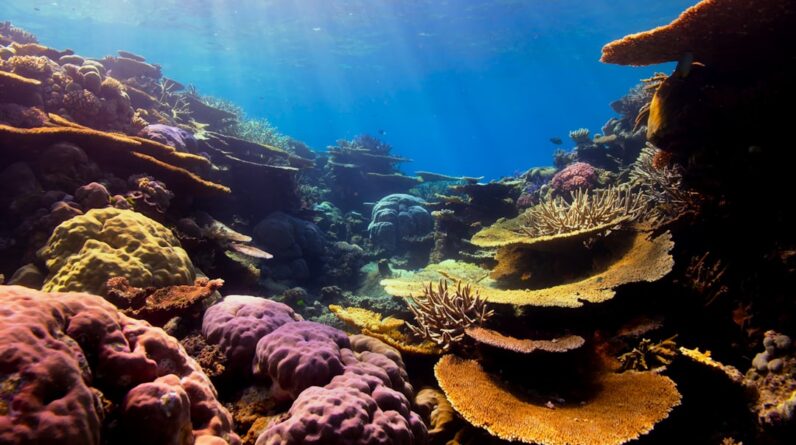
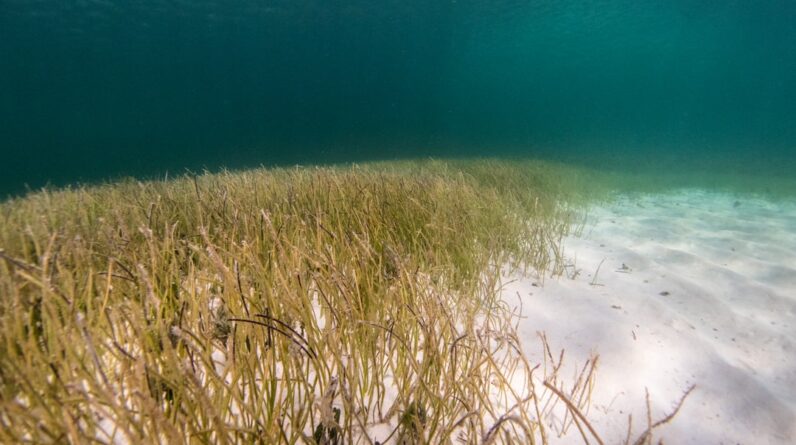
Coral reefs, often referred to as the “rainforests of the sea,” are among the most diverse ecosystems on the planet. They provide habitat for countless marine species, support local economies through tourism and fishing, and play a crucial role in coastal protection. However, you may be aware that these vibrant underwater structures are facing an unprecedented crisis.
Over the past few decades, coral reefs have been declining at an alarming rate due to a combination of factors, including climate change, pollution, overfishing, and destructive fishing practices. The consequences of this decline are dire, not only for marine life but also for human communities that rely on these ecosystems for their livelihoods. As ocean temperatures rise and acidification increases, corals struggle to survive.
You might find it alarming that studies indicate that nearly 50% of the world’s coral reefs have been lost since the 1970s. This loss is not just a statistic; it represents a significant reduction in biodiversity and the collapse of entire ecosystems. The bleaching events caused by elevated sea temperatures lead to the expulsion of symbiotic algae that provide corals with their color and essential nutrients.
Without these algae, corals become weak and vulnerable, often leading to mass mortality events. The decline of coral reefs is not merely an environmental issue; it poses a threat to food security, economic stability, and cultural heritage for millions of people around the globe.
Key Takeaways
- Coral reefs are facing a global crisis due to factors such as climate change, pollution, and overfishing, leading to their decline.
- Efforts in coral reef restoration offer a new hope for the recovery of these vital ecosystems, with initiatives focusing on rehabilitation and protection.
- Success stories in coral reef restoration, such as the Mesoamerican Reef in Mexico and the Great Barrier Reef in Australia, showcase the potential for positive outcomes through dedicated restoration efforts.
- Technology plays a crucial role in coral reef restoration, with innovations like artificial reefs, coral nurseries, and genetic engineering offering promising solutions for rehabilitation.
- Community involvement is essential for the success of coral reef restoration, as local engagement and support are crucial for the long-term sustainability of restoration projects.
Efforts in Coral Reef Restoration: A New Hope
In response to the alarming decline of coral reefs, scientists, conservationists, and communities have begun to mobilize efforts aimed at restoration. You may be encouraged to learn that innovative strategies are being developed to rehabilitate these vital ecosystems. Coral restoration projects often involve techniques such as coral gardening, where fragments of healthy corals are cultivated in nurseries before being transplanted back onto degraded reefs.
This method not only helps to replenish coral populations but also fosters resilience against future environmental stressors. Moreover, you might find it inspiring that many organizations are focusing on community-based approaches to coral restoration. By involving local communities in the restoration process, these initiatives empower individuals to take ownership of their marine environments.
Education and awareness campaigns are crucial components of these efforts, as they help people understand the importance of coral reefs and the actions they can take to protect them. As you explore these initiatives, you may discover a growing sense of hope that through collaboration and innovation, we can reverse some of the damage done to these precious ecosystems.
Success Stories in Coral Reef Restoration: Case Studies
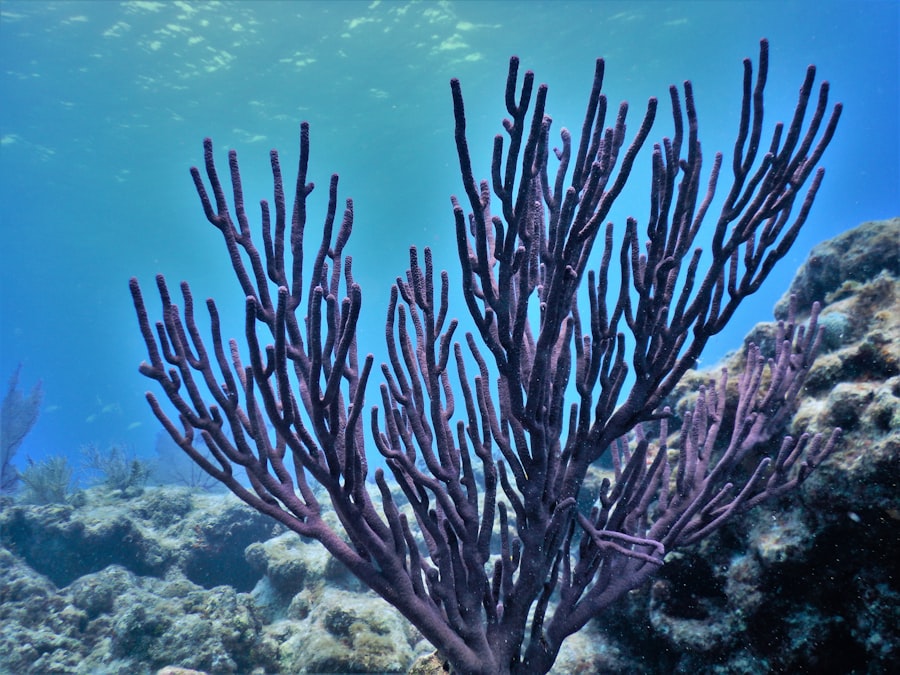
Across the globe, there are numerous success stories that highlight the potential for coral reef restoration. One notable example is the Coral Triangle Initiative in Southeast Asia, which encompasses six countries and aims to protect marine biodiversity while promoting sustainable livelihoods. You may be intrigued to learn that this initiative has led to the establishment of marine protected areas (MPAs) that have shown remarkable recovery in coral health and fish populations.
By creating safe havens for marine life, these MPAs have not only restored ecosystems but also enhanced local fisheries. Another inspiring case is found in the Caribbean, where organizations like the Coral Restoration Foundation have made significant strides in restoring Florida’s coral reefs. You might be amazed to hear that through their efforts, thousands of coral fragments have been successfully grown and transplanted onto degraded reefs.
These projects have not only revitalized marine habitats but have also engaged local communities in conservation efforts. As you delve into these success stories, you may find yourself filled with optimism about the future of coral reefs and the potential for large-scale restoration efforts.
The Role of Technology in Coral Reef Restoration
Technology plays a pivotal role in advancing coral reef restoration efforts. You may be fascinated by how innovations such as underwater drones and remote sensing are being utilized to monitor reef health and assess restoration progress. These tools allow researchers to gather data on coral cover, water quality, and biodiversity without disturbing delicate ecosystems.
By harnessing technology, scientists can make informed decisions about where to focus restoration efforts and how to adapt strategies based on real-time data. Additionally, you might be intrigued by the development of artificial intelligence (AI) in coral research. AI algorithms can analyze vast amounts of data collected from underwater surveys, helping researchers identify patterns and predict future trends in coral health.
This technological advancement not only enhances our understanding of coral ecosystems but also enables more effective management strategies. As you explore the intersection of technology and conservation, you may come to appreciate how these innovations are revolutionizing our approach to restoring coral reefs.
The Importance of Community Involvement in Coral Reef Restoration
Community involvement is essential for the success of coral reef restoration initiatives. You may recognize that local communities often possess invaluable knowledge about their marine environments and can play a crucial role in conservation efforts. By engaging residents in restoration projects, you empower them to become stewards of their ecosystems.
This sense of ownership fosters a deeper connection between individuals and their natural surroundings, leading to more sustainable practices. Moreover, you might find it heartening that community-led initiatives often yield positive results. When locals are involved in monitoring reef health or participating in restoration activities, they develop a vested interest in protecting their marine resources.
Educational programs that raise awareness about the importance of coral reefs can inspire individuals to adopt eco-friendly practices and advocate for policies that support conservation efforts. As you consider the impact of community involvement, you may realize that collective action is key to ensuring the long-term health of coral reefs.
Challenges and Obstacles in Restoring Coral Reefs
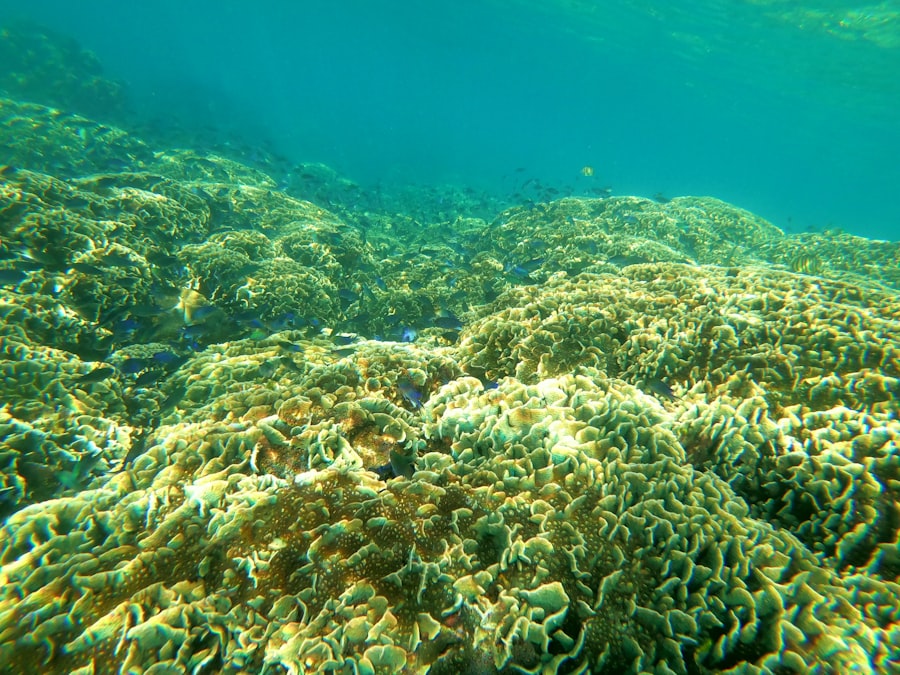
Despite the progress being made in coral reef restoration, significant challenges remain. You may be aware that climate change continues to pose a formidable threat to these ecosystems. Rising sea temperatures and ocean acidification can undermine restoration efforts by creating conditions that are inhospitable for corals.
Even with successful transplantation of healthy corals, if environmental stressors persist, those corals may struggle to survive. Additionally, you might find it concerning that pollution from land-based sources remains a major obstacle to restoring coral reefs. Runoff containing fertilizers, plastics, and other contaminants can degrade water quality and harm marine life.
Addressing these issues requires coordinated efforts across multiple sectors, including agriculture and waste management. As you reflect on these challenges, it becomes clear that restoring coral reefs is not just about planting corals; it involves tackling broader environmental issues that affect marine ecosystems.
The Future of Coral Reef Restoration: What Lies Ahead
Looking ahead, the future of coral reef restoration holds both promise and uncertainty. You may be encouraged by ongoing research into resilient coral species that can withstand changing environmental conditions. Scientists are exploring ways to breed corals with enhanced tolerance to heat and acidification, which could play a crucial role in restoring damaged reefs.
These advancements offer hope that we can develop more resilient ecosystems capable of adapting to a changing climate. However, you should also remain aware of the need for comprehensive policy changes at local, national, and global levels. Effective management strategies must prioritize the protection of existing healthy reefs while supporting restoration efforts for degraded areas.
As you consider what lies ahead for coral reef restoration, it becomes evident that collaboration among governments, scientists, NGOs, and local communities will be essential for achieving meaningful progress.
How Individuals Can Contribute to the Restoration of Coral Reefs
As an individual, you have the power to make a difference in the fight for coral reef restoration. One impactful way you can contribute is by supporting organizations dedicated to marine conservation through donations or volunteer work. Many nonprofits offer opportunities for hands-on involvement in restoration projects or educational programs that raise awareness about the importance of coral reefs.
Additionally, you can adopt sustainable practices in your daily life that help protect marine environments. Reducing plastic use, minimizing chemical runoff from your home or garden, and choosing sustainably sourced seafood are all actions you can take to lessen your impact on coral reefs. By spreading awareness among your friends and family about the importance of coral conservation, you can inspire others to join the cause as well.
In conclusion, while the decline of coral reefs presents a global crisis with far-reaching implications, there is hope through restoration efforts driven by innovation, community involvement, and individual action. By staying informed and engaged, you can play a vital role in ensuring a brighter future for these essential ecosystems.
The Comeback of the Coral Reefs: A Success Story in Ocean Restoration highlights the importance of environmental conservation efforts in restoring marine ecosystems. Another article that aligns with this message is How Does Planting Trees Help the Environment?, which discusses the positive impact of reforestation on combating climate change and preserving biodiversity. Just as coral reefs are vital to the health of our oceans, trees play a crucial role in maintaining the balance of our planet’s ecosystems. Both articles emphasize the need for proactive measures to protect and restore our natural world, urging individuals to live life with a cause that benefits the environment.
FAQs
What are coral reefs?
Coral reefs are underwater ecosystems composed of calcium carbonate structures produced by corals. They are home to a diverse range of marine life and are often referred to as the “rainforests of the sea” due to their high biodiversity.
Why are coral reefs important?
Coral reefs provide essential habitat for a wide variety of marine organisms, including fish, invertebrates, and algae. They also protect coastlines from erosion and provide economic benefits through tourism and fisheries.
What has caused the decline of coral reefs?
Coral reefs have been facing significant threats from climate change, ocean acidification, overfishing, pollution, and destructive fishing practices. These factors have led to widespread coral bleaching and degradation of reef ecosystems.
How are coral reefs being restored?
Efforts to restore coral reefs include coral propagation and transplantation, artificial reef structures, and the implementation of marine protected areas. These restoration efforts aim to rebuild coral populations and improve the overall health of reef ecosystems.
What are some success stories in coral reef restoration?
There have been successful coral reef restoration projects in various locations around the world, including the Great Barrier Reef in Australia, the Mesoamerican Reef in the Caribbean, and the Coral Triangle in Southeast Asia. These projects have demonstrated the potential for recovery and resilience of coral reefs.
What can individuals do to support coral reef restoration?
Individuals can support coral reef restoration efforts by reducing their carbon footprint, practicing sustainable fishing and diving, and supporting organizations and initiatives dedicated to coral reef conservation. Additionally, raising awareness about the importance of coral reefs can help garner support for their protection and restoration.