As you gaze out at the vast expanse of the ocean, it may be easy to overlook the profound changes occurring beneath the surface. Climate change is not just a distant threat; it is actively reshaping the oceans, which cover more than 70% of our planet. The consequences of this transformation are far-reaching, affecting marine ecosystems, global weather patterns, and even human livelihoods.
The oceans are not merely a backdrop to our lives; they are dynamic systems that play a crucial role in regulating the Earth’s climate and supporting biodiversity. Understanding the impact of climate change on these vital waters is essential for fostering a sustainable future. The oceans are often referred to as the planet’s lungs, absorbing a significant portion of the carbon dioxide emitted by human activities.
However, this absorption comes at a cost. As you delve deeper into the effects of climate change, you will discover that rising temperatures, ocean deoxygenation, and acidification are just a few of the challenges facing marine environments. These changes not only threaten marine life but also disrupt the delicate balance of oceanic ecosystems.
By exploring these issues, you can gain insight into the urgent need for action to protect our oceans and, by extension, our planet.
Key Takeaways
- Climate change is impacting oceans through rising temperatures, deoxygenation, acidification, disruption of food chains, coral bleaching, and the spread of dead zones.
- Rising temperatures are leading to ocean deoxygenation, which can have detrimental effects on marine life and ecosystems.
- Acidification of the oceans is affecting marine life, particularly shell-forming organisms, and disrupting the balance of marine ecosystems.
- Disruption of oceanic food chains is occurring due to changes in temperature, oxygen levels, and acidity, impacting the survival of various marine species.
- Coral bleaching is causing the destruction of marine ecosystems, leading to loss of biodiversity and habitat for marine life.
Rising Temperatures and Ocean Deoxygenation
As global temperatures continue to rise due to climate change, the oceans are experiencing unprecedented warming. This increase in temperature has far-reaching implications for marine life and ecosystems. Warmer waters can lead to a decrease in dissolved oxygen levels, a phenomenon known as ocean deoxygenation.
You may wonder why this matters; after all, oxygen is abundant in the atmosphere. However, in the ocean, oxygen is essential for the survival of countless marine species, from tiny plankton to large fish. The process of deoxygenation is exacerbated by several factors, including increased stratification of ocean layers due to warming.
When surface waters heat up, they become less dense and do not mix as readily with deeper, cooler waters. This stratification limits the natural replenishment of oxygen in deeper ocean layers, creating “dead zones” where marine life struggles to survive. As you consider the implications of rising temperatures and deoxygenation, it becomes clear that these changes threaten not only individual species but also entire ecosystems that rely on a delicate balance of oxygen levels.
Acidification and its Effects on Marine Life

In addition to rising temperatures and deoxygenation, ocean acidification is another critical consequence of climate change that you should be aware of. As the oceans absorb more carbon dioxide from the atmosphere, they become more acidic. This shift in pH levels can have devastating effects on marine organisms, particularly those with calcium carbonate shells or skeletons, such as corals, mollusks, and some plankton species.
You might be surprised to learn that even small changes in acidity can hinder the ability of these organisms to build and maintain their structures. The implications of acidification extend beyond individual species; they ripple through entire ecosystems. For instance, as shellfish populations decline due to acidification, the species that rely on them for food—such as fish and seabirds—are also affected.
This interconnectedness highlights the fragility of marine ecosystems and underscores the importance of addressing climate change comprehensively. As you reflect on these challenges, consider how acidification not only threatens marine biodiversity but also poses risks to human communities that depend on healthy oceans for food and economic stability.
The Disruption of Oceanic Food Chains
The impact of climate change on oceans is not limited to individual species; it also disrupts entire food chains that sustain marine life. As temperatures rise and habitats change, many fish and other marine organisms are forced to migrate in search of suitable conditions. This shift can lead to mismatches between predators and prey, ultimately destabilizing food webs.
You may find it alarming that such disruptions can have cascading effects throughout the ecosystem, affecting everything from plankton populations to large predatory fish. For example, if a key species like krill—an essential food source for many marine animals—shifts its range due to warming waters, the animals that depend on it may struggle to find enough food. This scenario can lead to declines in fish populations, which in turn affects fishing industries and local economies reliant on these resources.
As you contemplate the broader implications of disrupted food chains, it becomes evident that climate change poses a significant threat not only to marine biodiversity but also to human communities that rely on healthy oceans for sustenance and economic stability.
Coral Bleaching and the Destruction of Marine Ecosystems
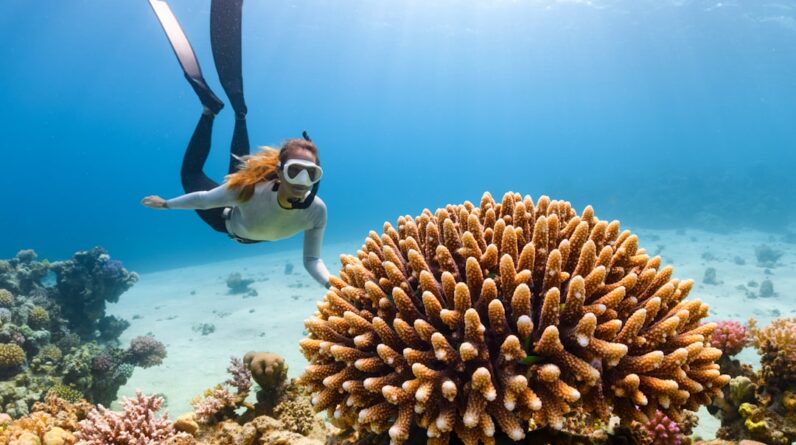
Coral reefs are often referred to as the “rainforests of the sea” due to their incredible biodiversity and ecological importance. However, rising sea temperatures are causing widespread coral bleaching—a phenomenon where corals expel the symbiotic algae living within their tissues. This loss of algae not only turns corals white but also deprives them of their primary source of energy.
You may be shocked to learn that prolonged bleaching can lead to coral death, resulting in the loss of entire reef ecosystems. The destruction of coral reefs has far-reaching consequences for marine life and coastal communities alike. Reefs provide habitat for countless species and serve as natural barriers against storms and erosion.
When corals die off due to bleaching events exacerbated by climate change, entire ecosystems collapse, leading to declines in fish populations and loss of biodiversity. As you consider the plight of coral reefs, it becomes clear that protecting these vital ecosystems is essential for maintaining healthy oceans and safeguarding human livelihoods.
The Spread of Dead Zones in the Oceans

Dead zones are areas in the ocean where oxygen levels are so low that most marine life cannot survive. These zones are becoming increasingly common due to nutrient pollution from agricultural runoff and wastewater discharge, compounded by climate change’s effects on ocean temperatures and circulation patterns. You might be surprised to learn that dead zones can expand rapidly during warmer months when nutrient levels peak, leading to massive fish kills and loss of biodiversity.
The spread of dead zones poses a significant threat not only to marine ecosystems but also to human communities that rely on fishing and tourism for their livelihoods. As fish populations decline in these areas, local economies suffer, leading to job losses and food insecurity. Moreover, dead zones can contribute to harmful algal blooms that produce toxins harmful to both marine life and humans.
As you reflect on this issue, consider how addressing nutrient pollution and mitigating climate change are crucial steps toward restoring health to our oceans.
The Role of Human Activities in Ocean Suffocation
Human activities play a significant role in exacerbating the challenges facing our oceans today. From industrial pollution to overfishing and habitat destruction, our actions have far-reaching consequences for marine ecosystems. You may not realize how interconnected these issues are; for instance, overfishing can lead to imbalances in predator-prey relationships, while pollution can introduce harmful substances that further stress marine life.
Additionally, climate change driven by fossil fuel consumption is intensifying these problems by altering ocean temperatures and chemistry. As you consider your own impact on the environment, it becomes clear that individual choices—such as reducing plastic use or supporting sustainable seafood practices—can contribute to positive change. By recognizing the role of human activities in ocean suffocation, you can become an advocate for healthier oceans and inspire others to take action as well.
Solutions and Mitigation Strategies for a Healthier Ocean Environment
While the challenges facing our oceans are daunting, there is hope in the form of solutions and mitigation strategies that can help restore health to these vital ecosystems. One crucial step is reducing greenhouse gas emissions through renewable energy sources and energy efficiency measures. By transitioning away from fossil fuels, you can contribute to efforts aimed at slowing climate change and its impacts on ocean health.
Additionally, supporting sustainable fishing practices can help rebuild fish populations and restore balance to marine ecosystems. You might also consider advocating for policies that protect critical habitats like coral reefs and mangroves, which serve as essential buffers against climate impacts while providing habitat for diverse marine life. By engaging in conservation efforts and promoting awareness about ocean health issues, you can play an active role in ensuring a brighter future for our oceans.
In conclusion, understanding the impact of climate change on oceans is vital for fostering a sustainable future for both marine life and human communities. By recognizing the interconnectedness of these issues and taking action at individual and collective levels, you can contribute to a healthier ocean environment for generations to come. The time for action is now; our oceans depend on it.
A related article to “How a Warming World is Suffocating Our Oceans” discusses the benefits of planting trees in the fight against climate change. According to this article, planting trees can help absorb carbon dioxide from the atmosphere, reducing the greenhouse effect that contributes to global warming. By highlighting the positive impact of tree planting on the environment, this article offers a potential solution to combat the harmful effects of climate change on our oceans.
FAQs
What is ocean suffocation?
Ocean suffocation, also known as hypoxia, is a condition in which the oxygen levels in the ocean become dangerously low, leading to the suffocation of marine life.
How is a warming world contributing to ocean suffocation?
A warming world is contributing to ocean suffocation in several ways. Warmer temperatures can lead to decreased oxygen solubility in water, while also promoting stratification, which can prevent oxygen from reaching deeper layers of the ocean.
What are the impacts of ocean suffocation on marine life?
Ocean suffocation can have devastating impacts on marine life, leading to mass die-offs of fish, shellfish, and other marine organisms. It can also disrupt marine ecosystems and lead to the loss of biodiversity.
What are some of the regions most affected by ocean suffocation?
Ocean suffocation is a global issue, but it is particularly prevalent in coastal areas where nutrient runoff from agriculture and urban areas can fuel algal blooms that deplete oxygen levels.
What can be done to address ocean suffocation?
Addressing ocean suffocation requires a multi-faceted approach, including reducing nutrient runoff, curbing greenhouse gas emissions to mitigate climate change, and implementing sustainable fishing practices to protect marine ecosystems.