The greenhouse effect is a natural phenomenon that plays a crucial role in maintaining the Earth’s temperature and supporting life as we know it. Imagine a warm blanket enveloping the planet, trapping heat from the sun and preventing it from escaping back into space. This process is essential for creating a stable climate, allowing ecosystems to thrive and providing the conditions necessary for human existence.
Without the greenhouse effect, our planet would be inhospitably cold, making it impossible for most forms of life to survive. However, while the greenhouse effect is vital for life, it is important to recognize that human activities have significantly altered this delicate balance. As you delve deeper into this topic, you will discover how the increase in greenhouse gases due to industrialization and other human actions has led to an enhanced greenhouse effect, resulting in global warming and climate change.
Understanding this phenomenon is essential for addressing the challenges posed by climate change and finding effective solutions to mitigate its impacts.
Key Takeaways
- The greenhouse effect is a natural process that warms the Earth’s surface.
- Greenhouse gases like carbon dioxide and methane trap heat in the atmosphere, contributing to the greenhouse effect.
- Human activities, such as burning fossil fuels and deforestation, have intensified the greenhouse effect.
- The greenhouse effect is a major driver of climate change, leading to rising temperatures and extreme weather events.
- Understanding and addressing the greenhouse effect is crucial for mitigating its consequences and preserving the planet for future generations.
The Role of Greenhouse Gases
The Role of Carbon Dioxide
Carbon dioxide, which is released through burning fossil fuels and deforestation, is one of the most significant contributors to the enhanced greenhouse effect. Its long atmospheric lifespan means that even small increases can have lasting impacts on global temperatures.
Methane: A Potent Greenhouse Gas
Methane, on the other hand, is released during agricultural practices, landfills, and natural gas extraction. Although it is present in smaller quantities compared to carbon dioxide, methane is far more effective at trapping heat—over 25 times more potent than CO2 over a 100-year period.
Understanding the Impact of Greenhouse Gases
Nitrous oxide, primarily emitted from agricultural and industrial activities, also contributes to warming but is less abundant. Understanding the roles of these gases helps you appreciate how human activities have intensified their concentrations in the atmosphere, leading to significant changes in our climate.
Human Activities and the Greenhouse Effect

Human activities have dramatically increased the levels of greenhouse gases in the atmosphere since the Industrial Revolution. As you explore this section, consider how industrialization has transformed energy production, transportation, and agriculture, all of which contribute to GHG emissions. The burning of fossil fuels for electricity and heat is one of the largest sources of CO2 emissions.
Power plants, vehicles, and factories release vast amounts of carbon dioxide into the atmosphere, disrupting the natural balance that once existed. Deforestation is another critical factor that exacerbates the greenhouse effect. Trees absorb CO2 as part of photosynthesis, acting as natural carbon sinks.
When forests are cleared for agriculture or urban development, not only is this carbon storage capacity lost, but the act of cutting down trees also releases stored carbon back into the atmosphere. Additionally, agricultural practices such as livestock farming produce significant amounts of methane and nitrous oxide. By understanding these human activities, you can better grasp how they contribute to the enhanced greenhouse effect and its far-reaching consequences.
Impact on Climate Change
The enhanced greenhouse effect has profound implications for climate change, leading to rising global temperatures and shifting weather patterns. As you consider these impacts, think about how increased temperatures can result in more frequent and severe weather events such as hurricanes, droughts, and floods. These changes not only threaten ecosystems but also pose risks to human health and safety.
For instance, heatwaves can lead to heat-related illnesses, while flooding can cause property damage and displacement. Moreover, climate change affects biodiversity as species struggle to adapt to rapidly changing environments. Some may face extinction if they cannot migrate or evolve quickly enough to cope with new conditions.
The melting of polar ice caps and glaciers due to rising temperatures contributes to rising sea levels, threatening coastal communities worldwide. By recognizing these impacts, you can appreciate the urgency of addressing climate change and mitigating its effects on both natural systems and human societies.
It is essential to distinguish between the natural greenhouse effect and the enhanced greenhouse effect caused by human activities. The natural greenhouse effect is a vital process that has existed for millions of years, allowing Earth to maintain a temperature conducive to life. Without it, our planet would be an icy wasteland with an average temperature well below freezing.
This natural process involves a delicate balance of incoming solar radiation and outgoing infrared radiation. In contrast, the enhanced greenhouse effect refers to the additional warming caused by increased concentrations of greenhouse gases due to human activities. This phenomenon disrupts the natural balance by trapping more heat in the atmosphere than what would occur naturally.
As you reflect on this distinction, consider how human-induced changes have led to unprecedented rates of warming that threaten ecosystems and human societies alike. Understanding this difference is crucial for developing effective strategies to combat climate change.
Consequences of the Greenhouse Effect
The consequences of the greenhouse effect are far-reaching and multifaceted. As global temperatures rise, you may notice changes in weather patterns that affect agriculture, water supply, and overall ecosystem health. Crop yields may decline due to altered growing seasons and increased pest populations, threatening food security for millions around the world.
Additionally, water resources may become scarcer as droughts become more frequent and severe. The impact on wildlife is equally concerning. Many species are struggling to adapt to changing habitats and shifting food sources.
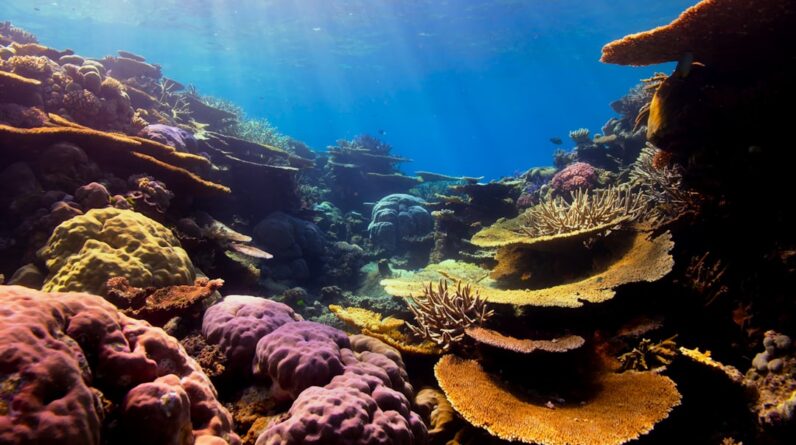
Coral reefs, for example, are particularly vulnerable to rising ocean temperatures and acidification caused by increased CO2 levels. The loss of biodiversity not only affects ecosystems but also disrupts essential services that nature provides, such as pollination and clean water supply. By understanding these consequences, you can better appreciate the urgency of addressing climate change and protecting our planet’s future.
Solutions to Mitigate the Greenhouse Effect

Addressing the greenhouse effect requires a multifaceted approach that involves individuals, communities, governments, and businesses working together toward sustainable solutions. One effective strategy is transitioning to renewable energy sources such as solar, wind, and hydroelectric power. By reducing reliance on fossil fuels for energy production, you can significantly decrease carbon emissions and help mitigate climate change.
Another important solution lies in enhancing energy efficiency across various sectors. Simple actions like using energy-efficient appliances or improving insulation in homes can lead to substantial reductions in energy consumption. Additionally, promoting sustainable agricultural practices can help reduce methane emissions from livestock and improve soil health through regenerative farming techniques.
Reforestation and afforestation efforts are also critical in combating climate change by restoring natural carbon sinks. By planting trees and preserving existing forests, you can help absorb CO2 from the atmosphere while supporting biodiversity. Furthermore, advocating for policies that promote sustainable practices at local and national levels can drive systemic change necessary for long-term solutions.
Understanding and Addressing the Greenhouse Effect
In conclusion, understanding the greenhouse effect is essential for recognizing its significance in maintaining Earth’s climate while also acknowledging the challenges posed by human activities that have intensified this phenomenon. As you reflect on this topic, consider your role in addressing climate change through individual actions and collective efforts aimed at reducing greenhouse gas emissions. By educating yourself about the causes and consequences of the enhanced greenhouse effect, you can contribute to meaningful discussions about sustainability and environmental stewardship.
The urgency of addressing climate change cannot be overstated; it requires immediate action from all sectors of society. Together, we can work toward a more sustainable future that preserves our planet for generations to come while ensuring that life continues to thrive in all its forms.
If you’re interested in learning more about the environmental impact of trees, you should check out the article Preventing Floods by Massive Tree Planting. This article discusses how planting trees can help prevent floods and protect our environment. It’s a great follow-up read to Breaking Down the Greenhouse Effect: What Your Science Teacher Didn’t Tell You. For more inspiring stories and ways to make a positive impact on the world, visit Live Life with a Cause and Live Life with Purpose: Good Purpose.
FAQs
What is the greenhouse effect?
The greenhouse effect is a natural process that warms the Earth’s surface. It occurs when certain gases in the atmosphere trap heat from the sun, preventing it from escaping into space.
What are greenhouse gases?
Greenhouse gases are gases in the Earth’s atmosphere that trap heat. The most common greenhouse gases are carbon dioxide, methane, and water vapor.
How does the greenhouse effect impact the Earth’s climate?
The greenhouse effect is essential for maintaining the Earth’s temperature and making it habitable. However, human activities, such as burning fossil fuels and deforestation, have increased the concentration of greenhouse gases in the atmosphere, leading to global warming and climate change.
What are the consequences of an intensified greenhouse effect?
An intensified greenhouse effect can lead to rising global temperatures, melting ice caps, sea level rise, more frequent and severe weather events, and disruptions to ecosystems and agriculture.
What can be done to mitigate the greenhouse effect?
To mitigate the greenhouse effect, it is essential to reduce greenhouse gas emissions by transitioning to renewable energy sources, improving energy efficiency, and implementing policies to protect and restore natural ecosystems. Individuals can also contribute by reducing their carbon footprint through lifestyle changes and supporting sustainable practices.