As you delve into the pressing issue of climate change, you may find yourself increasingly aware of the need for innovative solutions to mitigate its effects. One such solution lies in the vast, uncharted territories of our oceans. Ocean-based carbon capture is emerging as a promising strategy to address the rising levels of carbon dioxide in the atmosphere.
This method harnesses the natural processes of the ocean to absorb and store carbon, offering a dual benefit of reducing greenhouse gases while simultaneously enhancing marine ecosystems. By understanding how this process works, you can appreciate its potential to contribute to a more sustainable future. The oceans cover more than 70% of the Earth’s surface and play a crucial role in regulating the global climate.
They act as a significant carbon sink, absorbing approximately one-quarter of the carbon dioxide emitted by human activities. However, the capacity of oceans to sequester carbon is not limitless. As you explore ocean-based carbon capture, you will discover various methods and technologies that aim to enhance this natural process.
From promoting phytoplankton growth to developing artificial systems that mimic natural processes, the potential for innovation in this field is vast and exciting.
Key Takeaways
- Ocean-based carbon capture is a promising solution to mitigate climate change by removing carbon dioxide from the atmosphere and storing it in the ocean.
- Phytoplankton, tiny marine plants, play a crucial role in oxygen production through photosynthesis and are key to the ocean’s carbon sequestration process.
- Carbon sequestration in the ocean involves the absorption of carbon dioxide by the ocean’s surface and its storage in the deep ocean or in marine sediments.
- While ocean-based carbon capture has the potential to mitigate climate change, it also poses environmental risks such as ocean acidification and disruption of marine ecosystems.
- Protecting and preserving marine ecosystems is crucial for the success of ocean-based carbon capture, and careful consideration of its impact on oxygen production is essential for sustainable implementation.
The Role of Phytoplankton in Oxygen Production
When you think about the sources of oxygen on Earth, trees and plants may come to mind first. However, you might be surprised to learn that phytoplankton, microscopic organisms that inhabit the upper layers of the ocean, are responsible for producing a significant portion of the planet’s oxygen—estimated at around 50%. These tiny powerhouses utilize sunlight and nutrients from the water to perform photosynthesis, converting carbon dioxide into oxygen and organic matter.
By understanding their role in oxygen production, you can appreciate how vital these organisms are to both marine life and human existence. Phytoplankton thrive in nutrient-rich waters, often found near coastlines or upwelling zones where deep ocean currents bring essential nutrients to the surface. As you consider their importance, it becomes clear that maintaining healthy phytoplankton populations is crucial for sustaining oxygen levels in the atmosphere.
Additionally, these organisms form the foundation of the marine food web, supporting a diverse array of marine species. By fostering conditions that promote phytoplankton growth, we can enhance not only oxygen production but also overall ocean health.
The Process of Carbon Sequestration in the Ocean
Carbon sequestration in the ocean occurs through several interconnected processes that you may find fascinating. The primary mechanism involves the absorption of carbon dioxide from the atmosphere into seawater, where it reacts with water molecules to form carbonic acid. This process leads to a series of chemical reactions that ultimately result in the formation of bicarbonate and carbonate ions.
These ions are then utilized by marine organisms, such as corals and shellfish, to build their calcium carbonate structures. By understanding this intricate process, you can see how vital it is for maintaining oceanic health and stability. Another significant aspect of carbon sequestration is biological pump dynamics.
When phytoplankton photosynthesize, they not only produce oxygen but also create organic matter that sinks to deeper ocean layers when these organisms die or are consumed by other marine life. This organic matter becomes part of the ocean’s sediment, effectively trapping carbon for long periods. As you explore this concept further, you’ll realize that enhancing the biological pump through ocean-based carbon capture strategies could significantly increase the amount of carbon stored in the deep sea, providing a long-term solution to atmospheric CO2 levels.
The Environmental Impact of Ocean-Based Carbon Capture
As you consider the environmental impact of ocean-based carbon capture, it is essential to weigh both its benefits and potential drawbacks. On one hand, enhancing carbon sequestration can lead to improved ocean health by reducing acidification and promoting biodiversity. By capturing excess CO2 from the atmosphere, you can help mitigate some of the adverse effects of climate change on marine ecosystems.
This process not only supports phytoplankton growth but also benefits larger marine species that rely on a balanced ecosystem for survival. However, there are concerns regarding the unintended consequences of large-scale ocean-based carbon capture initiatives. For instance, altering nutrient levels in specific areas could lead to harmful algal blooms or disrupt existing marine food webs.
As you reflect on these potential impacts, it becomes clear that any efforts to implement ocean-based carbon capture must be approached with caution and thorough scientific understanding. Balancing the need for carbon reduction with the preservation of marine ecosystems is crucial for ensuring long-term sustainability.
The Potential for Ocean-Based Carbon Capture to Mitigate Climate Change
The potential for ocean-based carbon capture to mitigate climate change is immense and multifaceted. As you explore various strategies, such as enhancing phytoplankton growth or developing artificial upwelling systems, you’ll discover that these methods can significantly reduce atmospheric CO2 levels while simultaneously promoting marine biodiversity. By investing in research and development in this area, we can unlock new avenues for combating climate change and fostering healthier oceans.
Moreover, ocean-based carbon capture can complement existing land-based strategies, creating a more comprehensive approach to climate mitigation. As you consider the interconnectedness of terrestrial and marine ecosystems, it becomes evident that a holistic strategy is necessary for addressing climate change effectively. By integrating ocean-based solutions into broader climate action plans, we can maximize our efforts to reduce greenhouse gas emissions and promote a sustainable future for both people and the planet.
Challenges and Limitations of Ocean-Based Carbon Capture

Despite its promise, ocean-based carbon capture faces several challenges and limitations that require careful consideration. One significant hurdle is the technological feasibility of implementing large-scale projects. While some methods show great potential in controlled environments or small-scale applications, scaling them up for widespread use presents logistical and financial challenges.
As you explore these obstacles, you’ll gain insight into the complexities involved in transitioning from theory to practice. Another critical limitation lies in our understanding of ocean dynamics and ecosystems. The ocean is a complex system with numerous interdependent factors influencing its health and functionality.
As you reflect on this complexity, it becomes clear that any attempts at large-scale carbon capture must be informed by robust scientific research and monitoring. Without a comprehensive understanding of how these interventions may affect marine life and ecosystems, we risk causing more harm than good in our quest to combat climate change.
The Importance of Protecting and Preserving Marine Ecosystems
As you navigate through discussions about ocean-based carbon capture, it becomes increasingly apparent that protecting and preserving marine ecosystems is paramount. Healthy oceans are not only essential for biodiversity but also play a critical role in regulating global climate patterns. By safeguarding these ecosystems from pollution, overfishing, and habitat destruction, you contribute to their resilience against climate change impacts.
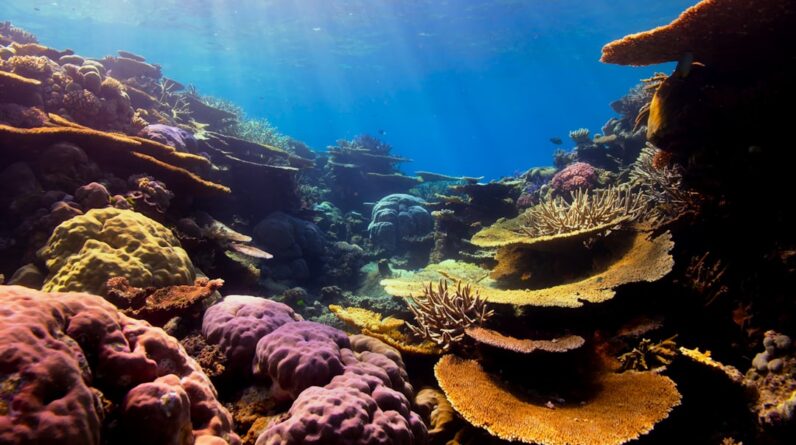
Moreover, preserving marine ecosystems enhances their ability to sequester carbon naturally. Healthy coral reefs, mangroves, and seagrass beds serve as vital carbon sinks while providing essential habitats for countless marine species. As you consider your role in advocating for marine conservation efforts, remember that protecting these ecosystems is integral to both climate mitigation and maintaining the delicate balance of life within our oceans.
The Future of Ocean-Based Carbon Capture and its Impact on Oxygen Production
Looking ahead, the future of ocean-based carbon capture holds great promise for enhancing oxygen production and combating climate change. As research continues to advance our understanding of marine ecosystems and their capacity for carbon sequestration, innovative solutions will likely emerge that harness these natural processes more effectively. You may find it inspiring to think about how technology can work hand-in-hand with nature to create sustainable solutions for our planet.
In conclusion, as you reflect on the potential impact of ocean-based carbon capture on oxygen production and climate change mitigation, consider your role in advocating for sustainable practices and policies that support these initiatives. By fostering awareness and understanding of this vital issue, you can contribute to a collective effort aimed at preserving our oceans while addressing one of humanity’s most pressing challenges: climate change. The journey toward a healthier planet begins with informed individuals like yourself who recognize the importance of protecting our oceans and harnessing their potential for a sustainable future.
Ocean-Based Carbon Capture: The Dual Benefit for Oxygen Production is a groundbreaking concept that highlights the importance of utilizing our oceans to combat climate change. This innovative approach not only helps reduce carbon emissions but also promotes oxygen production, benefiting both the environment and human health. For more information on the role of trees in addressing climate change, check out How Does Planting Trees Help Climate Change?. This article delves into the significant impact that tree planting can have on reducing greenhouse gas emissions and mitigating the effects of global warming.
FAQs
What is ocean-based carbon capture?
Ocean-based carbon capture refers to the process of using the ocean to capture and store carbon dioxide from the atmosphere. This can be done through various methods such as ocean fertilization, ocean alkalinity enhancement, and direct air capture.
How does ocean-based carbon capture benefit oxygen production?
Ocean-based carbon capture can benefit oxygen production by promoting the growth of phytoplankton, which are microscopic marine plants that produce oxygen as a byproduct of photosynthesis. As phytoplankton absorb carbon dioxide, they release oxygen into the atmosphere, contributing to the production of oxygen.
What are the potential environmental impacts of ocean-based carbon capture?
While ocean-based carbon capture has the potential to mitigate climate change and promote oxygen production, it also raises concerns about potential environmental impacts. These may include disruptions to marine ecosystems, changes in ocean chemistry, and potential unintended consequences on marine life.
What are some challenges associated with ocean-based carbon capture?
Challenges associated with ocean-based carbon capture include the need for careful monitoring and regulation to minimize potential environmental impacts, as well as the development of effective and sustainable methods for capturing and storing carbon dioxide in the ocean. Additionally, there is a need for further research to fully understand the long-term effects of ocean-based carbon capture on marine ecosystems.