As you navigate the complexities of our modern world, one of the most pressing issues you encounter is the impact of climate change on global food security. The increasing unpredictability of weather patterns, coupled with rising temperatures, poses a significant threat to agricultural productivity. You may have noticed that crops that once thrived in certain regions are now struggling to survive due to prolonged droughts or unexpected floods.
This instability not only affects farmers but also reverberates through the entire food supply chain, leading to increased prices and reduced access to essential nutrients for millions around the globe. Moreover, as you consider the implications of climate change, it becomes clear that food security is not just about availability; it’s also about accessibility and utilization. With the agricultural sector facing unprecedented challenges, vulnerable populations are at an even greater risk of food insecurity.
You might reflect on how communities that rely heavily on subsistence farming are particularly affected, as they lack the resources to adapt to changing conditions. The result is a cycle of poverty and malnutrition that can have lasting effects on health and well-being, particularly for children and marginalized groups. The urgency of addressing these issues cannot be overstated, as the future of food security hangs in the balance.
Key Takeaways
- Climate change poses a significant threat to global food security, impacting crop yields and food production.
- Rising sea levels and coastal flooding are increasing the risk of displacement for coastal communities and threatening infrastructure and agriculture.
- Extreme weather events and natural disasters, such as hurricanes and wildfires, are becoming more frequent and severe due to climate change.
- Loss of biodiversity and ecosystem collapse are leading to disruptions in ecosystems and threatening the balance of natural resources.
- Climate change is contributing to health risks and disease outbreaks, such as heat-related illnesses and the spread of vector-borne diseases.
Rising Sea Levels and Coastal Flooding
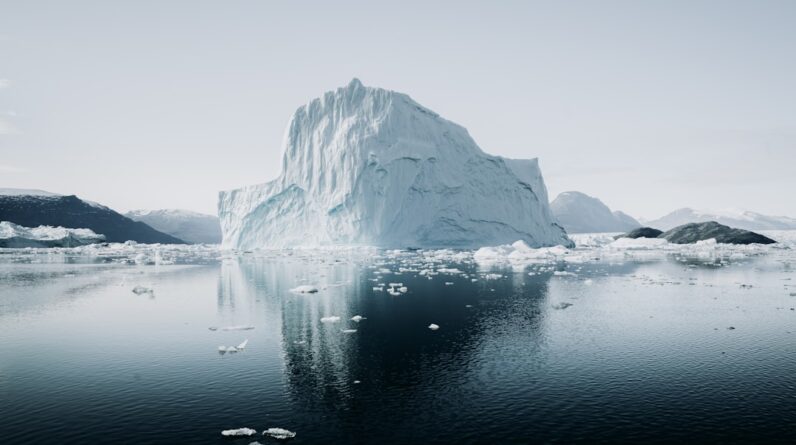
As you look at coastal regions around the world, the reality of rising sea levels becomes increasingly apparent. The melting of polar ice caps and glaciers, combined with thermal expansion of seawater, is causing oceans to encroach upon land that has been inhabited for generations. You may have seen images of once-thriving communities now submerged or facing chronic flooding, forcing residents to abandon their homes and livelihoods.
This phenomenon not only threatens infrastructure but also disrupts local economies that depend on fishing, tourism, and agriculture. The implications of rising sea levels extend beyond immediate physical displacement; they also create long-term challenges for those who remain. You might consider how saltwater intrusion into freshwater supplies compromises drinking water quality and agricultural viability.
As coastal ecosystems are altered, the delicate balance of marine life is disrupted, leading to declines in fish populations that many communities rely on for sustenance. The urgency of addressing rising sea levels cannot be ignored, as it poses a direct threat to the very existence of coastal populations and their way of life.
Extreme Weather Events and Natural Disasters

In your daily life, you may have noticed an increase in extreme weather events—hurricanes, wildfires, droughts, and heavy rainfall—that seem to be occurring with alarming frequency. These natural disasters are not merely random occurrences; they are increasingly linked to climate change. As temperatures rise, the atmosphere holds more moisture, leading to more intense storms and unpredictable weather patterns.
You might find yourself reflecting on how these events disrupt lives, destroy homes, and strain emergency response systems. The aftermath of such disasters often leaves communities grappling with recovery for years, if not decades. You may have seen firsthand how families are displaced, businesses are shuttered, and local economies are devastated.
The psychological toll can be just as severe, as individuals cope with loss and uncertainty about the future. As you consider the broader implications of extreme weather events, it becomes clear that they are not just isolated incidents; they are a symptom of a larger crisis that demands immediate attention and action.
Loss of Biodiversity and Ecosystem Collapse
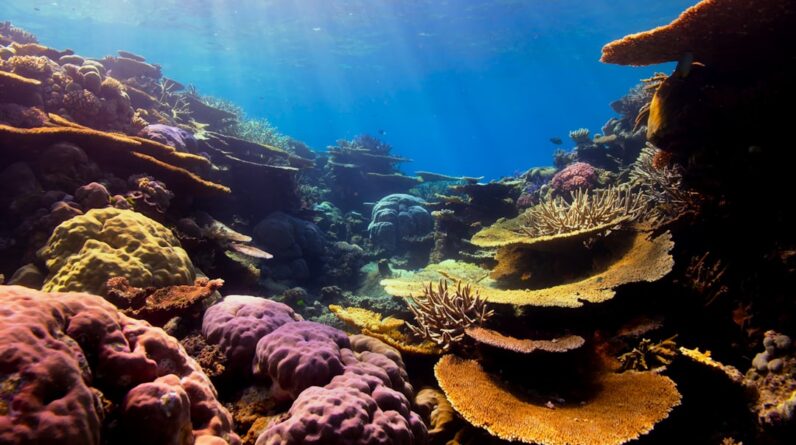
As you explore the natural world around you, it’s hard to ignore the alarming rate at which biodiversity is declining. Climate change is a significant driver of this loss, as shifting temperatures and altered habitats push many species to the brink of extinction. You may have read about coral reefs bleaching due to rising ocean temperatures or witnessed firsthand the decline of local wildlife populations.
This loss is not just an environmental issue; it has profound implications for human survival as well. Biodiversity plays a crucial role in maintaining ecosystem health and resilience. As you consider the interconnectedness of life on Earth, it becomes evident that the loss of one species can trigger a cascade of effects throughout an ecosystem.
Pollinators like bees are essential for food production, while diverse plant species contribute to soil health and carbon sequestration. When ecosystems collapse, you may find that the services they provide—clean air, water filtration, and climate regulation—are compromised. The urgency to protect biodiversity is paramount; without it, both nature and humanity face an uncertain future.
Health Risks and Disease Outbreaks
As you reflect on global health trends, it’s crucial to recognize how climate change is influencing disease patterns and public health risks. Warmer temperatures create favorable conditions for disease-carrying vectors like mosquitoes and ticks to thrive, leading to an increase in illnesses such as malaria and Lyme disease. You might consider how shifting weather patterns can also affect water quality and sanitation, contributing to outbreaks of waterborne diseases like cholera.
The interconnectedness of climate change and health is becoming increasingly evident. Moreover, as extreme weather events become more frequent, mental health issues are on the rise as well. You may have heard stories of individuals grappling with anxiety and depression following natural disasters or prolonged periods of uncertainty related to climate impacts.
The strain on healthcare systems can be overwhelming as they attempt to address both physical and mental health challenges exacerbated by climate change. As you contemplate these issues, it’s clear that urgent action is needed to mitigate health risks associated with our changing climate.
Economic Impacts and Displacement of Communities

In your exploration of climate change’s effects on society, you cannot overlook its economic implications. As industries such as agriculture, fishing, and tourism face disruptions from extreme weather events and changing ecosystems, livelihoods are at stake. You may have seen how small businesses struggle to adapt or recover from disasters, leading to job losses and economic instability in affected regions.
The ripple effects can be felt far beyond local communities as supply chains are disrupted and markets fluctuate. Displacement due to climate change is another pressing concern that demands your attention. As rising sea levels and extreme weather events force people from their homes, entire communities may be uprooted.
You might think about how this displacement creates a new class of climate refugees who face challenges in finding new homes and integrating into different societies. The economic burden on governments tasked with providing support for these displaced populations can be immense, further straining resources already stretched thin by other pressing needs.
Water Scarcity and Drought
As you consider the essential role water plays in your life, it’s alarming to recognize that climate change is exacerbating water scarcity issues worldwide. Prolonged droughts are becoming more common in many regions due to shifting precipitation patterns and increased evaporation rates from rising temperatures. You may have experienced firsthand the impact of water restrictions or seen communities struggling to secure clean drinking water during dry spells.
This scarcity not only affects daily life but also threatens agricultural production and food security. The consequences of water scarcity extend beyond immediate access issues; they can lead to conflicts over resources as communities compete for dwindling supplies. You might reflect on how this competition can exacerbate existing social tensions or create new ones in regions already facing challenges related to governance or inequality.
As you contemplate these issues, it becomes clear that addressing water scarcity is not just an environmental concern; it’s a matter of social justice that requires urgent action.
The Need for Urgent Climate Action
As you absorb the myriad ways climate change impacts your world, it becomes increasingly clear that urgent action is necessary. The interconnected nature of these challenges—food security, rising sea levels, extreme weather events, biodiversity loss, health risks, economic impacts, and water scarcity—demands a comprehensive response that transcends borders and sectors. You may feel a sense of urgency as you witness communities struggling to adapt while scientists warn that time is running out to mitigate the worst effects of climate change.
You have a role to play in this critical moment in history. Whether through advocacy, education, or personal lifestyle changes, your actions can contribute to a collective effort aimed at combating climate change. As you engage with others in your community or online platforms, consider how sharing knowledge and resources can empower individuals to take meaningful steps toward sustainability.
The need for urgent climate action is not just a call for governments or organizations; it’s a call for each person to recognize their power in shaping a more resilient future for all.
If you’re interested in learning more about how reforestation can help combat the devastating effects of climate change, check out this informative article on how reforestation helps the environment. Reforestation plays a crucial role in mitigating the impacts of a warming planet, and understanding its benefits is essential in our fight against climate change. For more insightful articles on environmental issues and ways to make a positive impact, visit the Live Life with a Cause blog. Additionally, you can learn about the importance of planting trees in combating deforestation by reading this article on how planting trees helps prevent deforestation.
FAQs
What does a 4°C warmer world look like?
A 4°C warmer world would experience extreme heatwaves, rising sea levels, more intense storms, and widespread food and water shortages.
How would a 4°C temperature increase impact ecosystems?
A 4°C temperature increase would lead to the loss of many ecosystems, including coral reefs, forests, and polar regions. It would also result in the extinction of many plant and animal species.
What are the potential human impacts of a 4°C temperature increase?
A 4°C temperature increase would lead to widespread displacement of communities due to sea-level rise and extreme weather events. It would also result in food and water shortages, leading to increased poverty and conflict.
What are the current efforts to prevent a 4°C temperature increase?
Efforts to prevent a 4°C temperature increase include international agreements such as the Paris Agreement, which aims to limit global warming to well below 2°C. Additionally, there are ongoing efforts to transition to renewable energy sources and reduce greenhouse gas emissions.
What can individuals do to help prevent a 4°C temperature increase?
Individuals can help prevent a 4°C temperature increase by reducing their carbon footprint through actions such as using public transportation, conserving energy, and supporting policies and initiatives that promote sustainability.