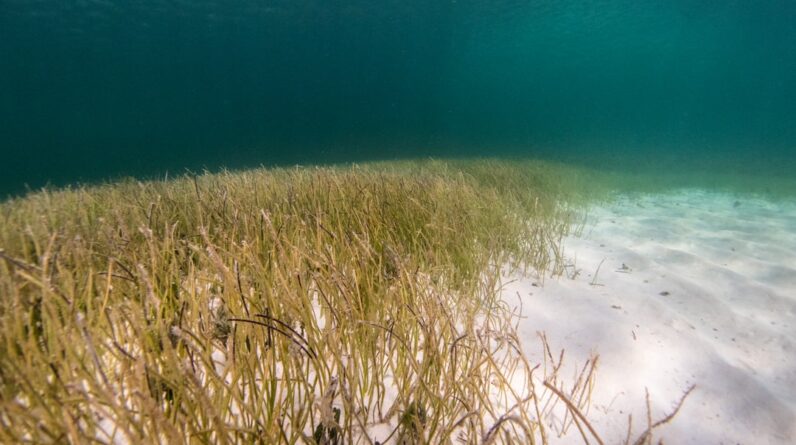
The ocean is often referred to as the lungs of our planet, a vast expanse of water that plays a crucial role in producing the oxygen we breathe. It is estimated that around 50% of the Earth’s oxygen is generated by marine plants, particularly phytoplankton, which thrive in the sunlit surface waters. These microscopic organisms utilize sunlight and carbon dioxide to produce oxygen through photosynthesis, contributing significantly to the global oxygen supply.
However, the health of our oceans is under threat from various factors, including pollution, climate change, and overfishing, which can disrupt this delicate balance and impact oxygen production. Understanding ocean oxygen levels is essential for maintaining marine ecosystems and ensuring the survival of countless species, including those that humans rely on for food and economic stability. As you delve deeper into the subject, you may uncover a series of myths surrounding ocean oxygen that can cloud your understanding of its importance.
By debunking these misconceptions, you can gain a clearer perspective on the challenges facing our oceans and the urgent need for conservation efforts.
Key Takeaways
- Ocean oxygen levels are crucial for marine life and the overall health of the ocean ecosystem.
- The ocean does not have an unlimited supply of oxygen and its levels are being impacted by climate change.
- Climate change is directly affecting ocean oxygen levels, leading to potential negative impacts on marine life.
- Oxygen depletion in the ocean affects not only deep-sea creatures but also those living in shallower waters.
- Human activities, such as pollution and overfishing, are contributing to the depletion of ocean oxygen levels.
Myth #1: The Ocean has an Unlimited Supply of Oxygen
One common misconception is that the ocean has an unlimited supply of oxygen, leading many to believe that we need not worry about its depletion. While it is true that the ocean produces a significant amount of oxygen, this production is not infinite. The health of marine ecosystems directly influences oxygen levels, and any disruption—be it from pollution or climate change—can lead to a decline in oxygen production.
As you explore this myth further, you may realize that the ocean’s ability to generate oxygen is intricately linked to the health of its ecosystems. Moreover, the ocean’s capacity to absorb carbon dioxide is also finite. As carbon emissions continue to rise, the ocean absorbs more CO2, leading to ocean acidification.
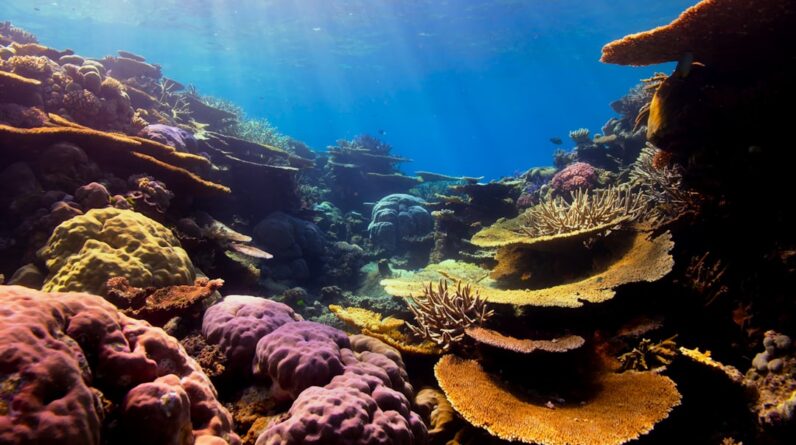
This process can harm marine life, particularly organisms like corals and shellfish that rely on calcium carbonate for their structures. As these species decline, so too does the overall health of the marine ecosystem, which in turn affects oxygen production. Understanding that the ocean’s oxygen supply is not limitless can help you appreciate the urgency of protecting marine environments.
Myth #2: Climate Change has No Impact on Ocean Oxygen Levels

Another prevalent myth is that climate change does not significantly affect ocean oxygen levels. In reality, climate change poses a serious threat to marine ecosystems and their ability to produce and maintain oxygen levels. Rising sea temperatures can lead to stratification, where warmer water sits atop cooler water, preventing nutrient-rich waters from rising to the surface.
This stratification can hinder phytoplankton growth, ultimately reducing oxygen production. Additionally, climate change contributes to increased frequency and intensity of harmful algal blooms, which can deplete oxygen levels in surrounding waters. These blooms thrive in warmer temperatures and can create “dead zones,” areas where oxygen levels are so low that most marine life cannot survive.
By recognizing the connection between climate change and ocean oxygen levels, you can better understand the broader implications for marine biodiversity and human livelihoods.
Myth #3: Oxygen Depletion Only Affects Deep-Sea Creatures
Many people believe that oxygen depletion primarily impacts deep-sea creatures, but this is a misconception that overlooks the interconnectedness of marine ecosystems. While it is true that low-oxygen zones often occur in deeper waters, the effects of oxygen depletion extend far beyond these depths. Coastal areas, estuaries, and even surface waters can experience significant drops in oxygen levels due to various factors such as nutrient runoff and pollution.
As you consider this myth, think about how oxygen depletion affects not only deep-sea organisms but also those living in shallower waters. Fish species that rely on well-oxygenated environments may migrate or decline in numbers as their habitats become less hospitable. This shift can have cascading effects on local fishing industries and communities that depend on these resources for their livelihoods.
Understanding that oxygen depletion is a widespread issue can help you appreciate the urgency of addressing it.
Myth #4: Human Activities Have No Impact on Ocean Oxygen
The belief that human activities do not impact ocean oxygen levels is another dangerous myth. In reality, human actions play a significant role in altering marine ecosystems and their ability to produce and maintain oxygen. Agricultural runoff containing fertilizers can lead to nutrient pollution in coastal waters, promoting harmful algal blooms that deplete oxygen levels as they decay.
Additionally, industrial pollution and plastic waste contribute to the degradation of marine habitats, further exacerbating the problem. As you reflect on this myth, consider how your own actions may contribute to ocean health. From reducing plastic use to supporting sustainable fishing practices, individual choices can collectively make a difference in preserving marine ecosystems.
Recognizing the impact of human activities on ocean oxygen levels empowers you to take action and advocate for policies that protect our oceans.
Myth #5: Oxygen Depletion is a Natural Phenomenon and Not a Cause for Concern

Some may argue that oxygen depletion is a natural phenomenon that has occurred throughout Earth’s history and therefore should not be a cause for concern. While it is true that natural fluctuations in oxygen levels have occurred over geological time scales, the current rate of depletion is unprecedented and largely driven by human activities. The rapid changes we are witnessing today are not part of a natural cycle but rather a consequence of anthropogenic factors such as climate change and pollution.
By understanding this myth, you can appreciate the urgency of addressing ocean oxygen depletion as a pressing environmental issue. The consequences of inaction could be dire—not only for marine life but also for human populations that rely on healthy oceans for food security and economic stability. Recognizing that current trends are not merely natural fluctuations but rather alarming indicators of environmental degradation can motivate you to engage in conservation efforts.
The Importance of Understanding Ocean Oxygen Levels
Understanding ocean oxygen levels is crucial for safeguarding marine ecosystems and ensuring the health of our planet. As you have explored throughout this article, several myths surround this topic that can obscure the reality of the challenges we face. By debunking these misconceptions, you can gain a clearer understanding of how interconnected our actions are with the health of our oceans.
The implications of declining ocean oxygen levels extend beyond marine life; they affect human communities, economies, and global climate systems. By fostering awareness and advocating for sustainable practices, you can contribute to efforts aimed at preserving ocean health for future generations. The more informed you are about these issues, the better equipped you will be to make choices that support marine conservation.
The Future of Ocean Oxygen Research
As we look ahead, ongoing research into ocean oxygen levels will be vital for understanding how best to address this pressing issue. Scientists are employing advanced technologies such as remote sensing and autonomous underwater vehicles to monitor changes in oxygen levels across various marine environments. This research will provide critical data needed to inform policy decisions and conservation strategies aimed at protecting our oceans.
Moreover, interdisciplinary collaboration will be essential in tackling the complex challenges associated with ocean health. By bringing together experts from fields such as marine biology, climatology, and environmental policy, we can develop comprehensive approaches to mitigate the impacts of climate change and human activities on ocean oxygen levels. As you engage with this topic further, consider how you might contribute to or support ongoing research efforts aimed at preserving our oceans for generations to come.
In conclusion, understanding ocean oxygen levels is not just an academic pursuit; it is a vital aspect of ensuring a sustainable future for both marine life and humanity. By dispelling myths and fostering awareness about this critical issue, you can play an active role in advocating for healthier oceans and a more sustainable planet.
In a related article, Preventing Floods by Massive Tree Planting, the importance of trees in mitigating the effects of climate change is highlighted. Just as trees play a crucial role in preventing floods and protecting our environment, they also have a significant impact on ocean oxygen levels. By understanding the interconnectedness of ecosystems and the benefits of tree planting, we can work towards a more sustainable future for our planet.
FAQs
What are the common myths about ocean oxygen?
Some common myths about ocean oxygen include the belief that the ocean has an unlimited supply of oxygen, that oxygen levels in the ocean are not affected by human activities, and that oxygen depletion only occurs in certain areas of the ocean.
How is ocean oxygen affected by human activities?
Human activities such as pollution, deforestation, and climate change can have a significant impact on ocean oxygen levels. For example, nutrient runoff from agriculture and sewage can lead to algal blooms, which deplete oxygen as they decompose. Additionally, climate change can lead to ocean warming and acidification, both of which can affect oxygen solubility and marine life.
Is oxygen depletion in the ocean a localized issue?
Oxygen depletion, also known as hypoxia, can occur in localized areas such as coastal zones, estuaries, and deep sea regions. However, it is also a global issue, with oxygen levels declining in many parts of the world’s oceans due to human activities and natural processes.
Can the ocean’s oxygen supply be considered unlimited?
Contrary to the myth, the ocean’s oxygen supply is not unlimited. While the ocean is a vast reservoir of oxygen, its capacity to absorb and hold oxygen is not infinite. Human activities and natural processes can deplete oxygen levels, leading to hypoxic conditions that can harm marine life.
What are the implications of declining ocean oxygen levels?
Declining ocean oxygen levels can have serious implications for marine ecosystems and the organisms that depend on them. It can lead to the loss of biodiversity, the expansion of oxygen-depleted zones, and the disruption of important ecological processes such as nutrient cycling and carbon sequestration.