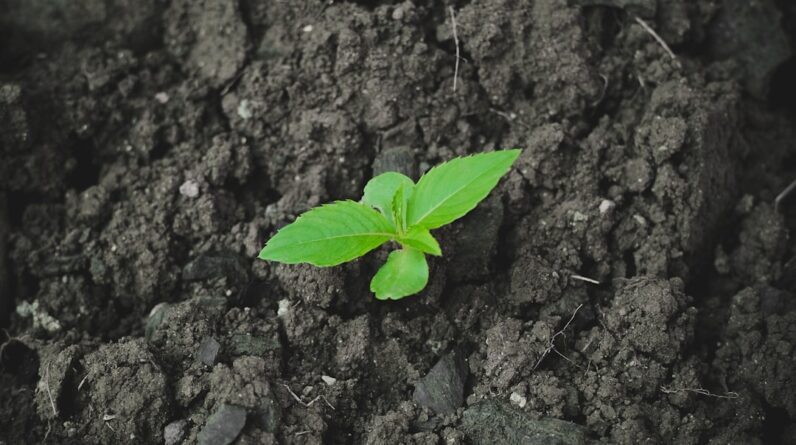
Reforestation plays a pivotal role in conservation and restoration efforts, acting as a vital strategy to combat the degradation of ecosystems. As you may know, deforestation has led to significant loss of biodiversity, disruption of water cycles, and increased carbon emissions. By reintroducing trees into these environments, you not only help restore habitats for countless species but also contribute to the overall health of the planet.
The act of planting trees is more than just a simple task; it is a commitment to nurturing the earth and ensuring that future generations inherit a thriving ecosystem. Moreover, reforestation serves as a powerful tool for restoring ecological balance. When you engage in reforestation efforts, you are actively participating in the rehabilitation of landscapes that have been stripped of their natural vegetation.
This process helps to stabilize soil, reduce erosion, and improve water quality. By reestablishing tree cover, you create a buffer against extreme weather events, which are becoming increasingly common due to climate change. In essence, reforestation is not merely about planting trees; it is about revitalizing entire ecosystems and fostering resilience in the face of environmental challenges.
Key Takeaways
- Reforestation plays a crucial role in conservation and restoration efforts by restoring degraded ecosystems and preserving biodiversity.
- Reforestation contributes to biodiversity conservation by providing habitats for a wide range of plant and animal species, helping to maintain ecological balance.
- Reforestation serves as a tool for ecosystem restoration by improving soil quality, preventing erosion, and restoring water cycles.
- Reforestation has a significant impact on climate change mitigation by sequestering carbon dioxide and reducing greenhouse gas emissions.
- Community engagement is essential for the success of reforestation initiatives, as it fosters local ownership and sustainable management of reforested areas.
The Role of Reforestation in Biodiversity Conservation
Biodiversity is the cornerstone of healthy ecosystems, and reforestation plays a crucial role in its conservation. When you plant trees, you provide habitats for various species, from birds and mammals to insects and fungi. Each tree planted can support an entire community of organisms, creating a rich tapestry of life that contributes to ecological stability.
By participating in reforestation projects, you help to safeguard these species from extinction and promote genetic diversity, which is essential for adaptation to changing environmental conditions. In addition to providing habitat, reforestation can also enhance connectivity between fragmented landscapes. As you may know, many species struggle to survive in isolated patches of forest.
By creating corridors of trees that link these patches, you facilitate movement and migration, allowing wildlife to thrive. This interconnectedness is vital for maintaining healthy populations and ensuring that ecosystems can respond effectively to environmental pressures. Your involvement in reforestation initiatives can thus have far-reaching implications for biodiversity conservation.
Reforestation as a Tool for Ecosystem Restoration

Ecosystem restoration is a complex process that requires careful planning and execution, and reforestation is one of its most effective tools. When you engage in reforestation efforts, you are not just planting trees; you are actively participating in the restoration of ecological functions that have been lost due to human activity. Trees play a critical role in nutrient cycling, water retention, and soil stabilization.
By reintroducing them into degraded landscapes, you help restore these essential processes, leading to healthier ecosystems. Furthermore, reforestation can aid in the recovery of other plant species that may have been suppressed or eliminated due to habitat loss. As trees grow and mature, they create microclimates that can support a diverse array of flora and fauna.
This process of ecological succession allows for the gradual return of native species, ultimately leading to a more resilient and balanced ecosystem. Your efforts in reforestation can thus catalyze a broader restoration process that benefits not only trees but also the myriad life forms that depend on them.
The Impact of Reforestation on Climate Change Mitigation
Climate change is one of the most pressing challenges facing our planet today, and reforestation offers a viable solution for mitigating its effects. Trees act as carbon sinks, absorbing carbon dioxide from the atmosphere and storing it in their biomass. When you participate in reforestation projects, you contribute directly to reducing greenhouse gas concentrations, helping to combat global warming.
This process is particularly important as we strive to meet international climate targets and limit temperature rise. In addition to carbon sequestration, reforestation can also enhance local climate resilience. By restoring tree cover, you can help regulate temperatures, improve air quality, and increase rainfall patterns in affected areas.
This not only benefits local communities but also contributes to global climate stability. Your involvement in reforestation initiatives can thus have a dual impact: addressing climate change while simultaneously improving the quality of life for those living in affected regions.
Community Engagement and Reforestation Initiatives
Community engagement is essential for the success of reforestation initiatives. When you involve local communities in these projects, you foster a sense of ownership and responsibility towards the environment. This engagement can take many forms, from educational workshops to hands-on planting events.
By empowering individuals with knowledge about the importance of trees and ecosystems, you create advocates for conservation who are invested in the long-term success of reforestation efforts. Moreover, community-driven reforestation projects often lead to sustainable practices that benefit both people and nature. When local communities are involved in decision-making processes regarding land use and resource management, they are more likely to adopt practices that protect their environment.
Your participation in these initiatives can help bridge the gap between conservation goals and community needs, ensuring that reforestation efforts are both ecologically sound and socially equitable.
Challenges and Opportunities in Reforestation Projects

While reforestation presents numerous benefits, it is not without its challenges. One significant hurdle is ensuring the selection of appropriate tree species for specific environments. When you engage in reforestation efforts, it is crucial to consider native species that are well-adapted to local conditions.
Planting non-native species can lead to unintended consequences, such as competition with native flora or disruption of local ecosystems. Therefore, careful planning and research are essential components of successful reforestation projects. Despite these challenges, there are also abundant opportunities for innovation and collaboration within the realm of reforestation.
Advances in technology have made it easier than ever to monitor tree growth and health through remote sensing and data analysis. Additionally, partnerships between governments, NGOs, and private sectors can mobilize resources and expertise to enhance the effectiveness of reforestation initiatives. Your involvement in these collaborative efforts can help drive progress and create lasting change in the fight against deforestation.
Success Stories of Reforestation Projects Around the World
Across the globe, there are inspiring success stories that highlight the transformative power of reforestation projects. For instance, in Ethiopia, the government launched an ambitious initiative called the Green Legacy Project, aiming to plant billions of trees over several years. This effort has not only restored vast areas of degraded land but has also engaged millions of citizens in tree-planting activities.
As you learn about such initiatives, it becomes clear that collective action can lead to remarkable outcomes. Another notable example is the Bonn Challenge, which aims to restore 150 million hectares of deforested and degraded land by 2020. Countries like Rwanda and Brazil have made significant strides toward this goal by implementing sustainable land management practices alongside their reforestation efforts.
These success stories demonstrate that with commitment and collaboration, it is possible to reverse the effects of deforestation and create thriving ecosystems once again.
The Future of Reforestation and its Role in Conservation and Restoration
Looking ahead, the future of reforestation holds immense potential for advancing conservation and restoration efforts worldwide. As awareness about environmental issues continues to grow, more individuals and organizations are recognizing the importance of trees in maintaining ecological balance. Your role in this movement is crucial; by advocating for sustainable practices and participating in local initiatives, you can contribute to a global shift toward greater environmental stewardship.
Furthermore, as technology continues to evolve, innovative approaches to reforestation will emerge. From drone-assisted planting to genetic research on tree resilience, these advancements will enhance our ability to restore ecosystems effectively. The future of reforestation is bright, filled with opportunities for collaboration and creativity as we work together to heal our planet.
Your involvement today can help shape a more sustainable tomorrow for generations to come.
If you are interested in learning more about how planting trees can help the environment, check out the article How Does Planting Trees Help the Environment. This article delves into the various ways in which reforestation can have a positive impact on our planet, from combating climate change to providing habitat for wildlife. It offers a comprehensive look at the benefits of tree planting and how it can contribute to a healthier ecosystem.
FAQs
What is reforestation?
Reforestation is the process of planting trees in areas where forests have been depleted or destroyed, with the goal of restoring the ecological balance and increasing the forest cover.
How does reforestation bridge the gap between conservation and restoration?
Reforestation helps bridge the gap between conservation and restoration by not only preserving existing forests, but also actively restoring and regenerating degraded or deforested areas.
What are the benefits of reforestation?
Reforestation provides numerous benefits, including carbon sequestration, habitat restoration for wildlife, soil stabilization, water conservation, and the promotion of biodiversity.
What are some reforestation techniques?
Reforestation techniques include natural regeneration, planting of native tree species, agroforestry, and assisted natural regeneration, among others.
What are the challenges of reforestation?
Challenges of reforestation include securing land for planting, ensuring the survival and growth of newly planted trees, addressing invasive species, and obtaining funding for large-scale projects.
How does reforestation contribute to climate change mitigation?
Reforestation plays a crucial role in mitigating climate change by absorbing carbon dioxide from the atmosphere and storing it in trees and soil, thus helping to reduce greenhouse gas emissions.