When you think about the ocean, you might picture vast blue waters teeming with life, but have you ever considered its role in maintaining the balance of our planet’s atmosphere? The ocean acts as a vital component of Earth’s lungs, producing a significant portion of the oxygen we breathe. This process is primarily facilitated by tiny organisms known as phytoplankton, which thrive in the sunlit surface waters.
These microscopic plants not only contribute to the oxygen supply but also play a crucial role in regulating carbon dioxide levels, making them essential for life on Earth. Understanding the importance of the ocean’s lungs goes beyond just recognizing their contribution to oxygen production. The health of these marine ecosystems directly impacts climate regulation, weather patterns, and even food security.
As you explore the ocean’s depths, you will discover that it is not just a body of water; it is a complex system that supports countless species and influences global processes. By appreciating the ocean’s lungs, you can better understand your connection to this vast ecosystem and the importance of protecting it for future generations.
Key Takeaways
- The ocean’s lungs, or phytoplankton, play a crucial role in producing oxygen and absorbing carbon dioxide, making them essential for life on Earth.
- Photosynthesis is the process by which phytoplankton convert sunlight, water, and carbon dioxide into oxygen and organic compounds, serving as the foundation of the marine food web.
- Engaging kids in fun activities like creating a phytoplankton model or conducting a photosynthesis experiment can help them understand the importance of the ocean’s lungs.
- Exploring marine life and biodiversity can help kids appreciate the interconnectedness of ocean ecosystems and the role of phytoplankton in supporting diverse marine species.
- Human activities such as pollution, overfishing, and climate change can negatively impact the ocean’s lungs, leading to a decline in phytoplankton populations and disrupting marine ecosystems.
- Climate change, including rising sea temperatures and ocean acidification, can directly affect the health and productivity of phytoplankton, further impacting the ocean’s lungs.
- Kids can help protect the ocean’s lungs by reducing plastic use, participating in beach clean-ups, and supporting conservation efforts to preserve marine habitats.
- Resources like documentaries, books, and educational websites can provide further learning opportunities for kids to deepen their understanding of the ocean’s lungs and marine conservation.
Understanding Photosynthesis and the Role of Phytoplankton
To grasp the significance of the ocean’s lungs, it’s essential to understand photosynthesis and how phytoplankton contribute to this process. Photosynthesis is the method by which plants, algae, and some bacteria convert sunlight into energy, using carbon dioxide and water to produce glucose and oxygen. In the ocean, phytoplankton are the primary producers, harnessing sunlight to create energy and releasing oxygen as a byproduct.
This process not only sustains their own life but also supports the entire marine food web. Phytoplankton are incredibly diverse, with thousands of species varying in size, shape, and color. They thrive in nutrient-rich waters and can reproduce rapidly under favorable conditions.
As you learn about these fascinating organisms, you’ll discover that they are not just important for oxygen production; they also serve as the foundation for marine ecosystems. Fish, whales, and other marine animals rely on phytoplankton as a primary food source, highlighting their critical role in maintaining biodiversity in our oceans.
Fun Activities to Teach Kids About the Ocean’s Lungs

Engaging children in learning about the ocean’s lungs can be both fun and educational. One exciting activity is to create a simple model of photosynthesis using household items. You can use a clear plastic bottle filled with water and a few aquatic plants or even spinach leaves.
Place the bottle in sunlight and observe how bubbles form as oxygen is produced. This hands-on experiment will help kids visualize the process of photosynthesis and understand how plants contribute to our atmosphere. Another enjoyable way to teach kids about phytoplankton is through art.
Encourage them to create their own phytoplankton-inspired artwork using paints or colored pencils. They can research different species and replicate their unique shapes and colors on paper. This creative approach not only fosters an appreciation for marine life but also reinforces the idea that even the smallest organisms play a significant role in our planet’s health.
Exploring Marine Life and Biodiversity
As you delve deeper into the ocean’s lungs, you’ll uncover a world rich in biodiversity. The ocean is home to an astonishing variety of life forms, from the tiniest plankton to the largest whales. Each species plays a unique role in maintaining the balance of marine ecosystems.
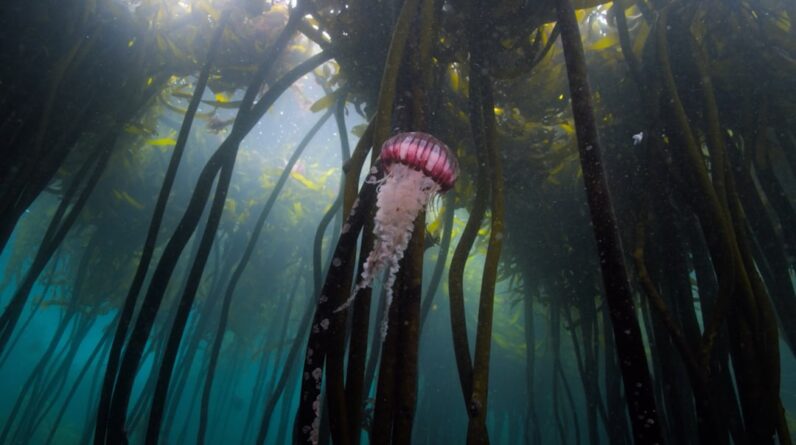
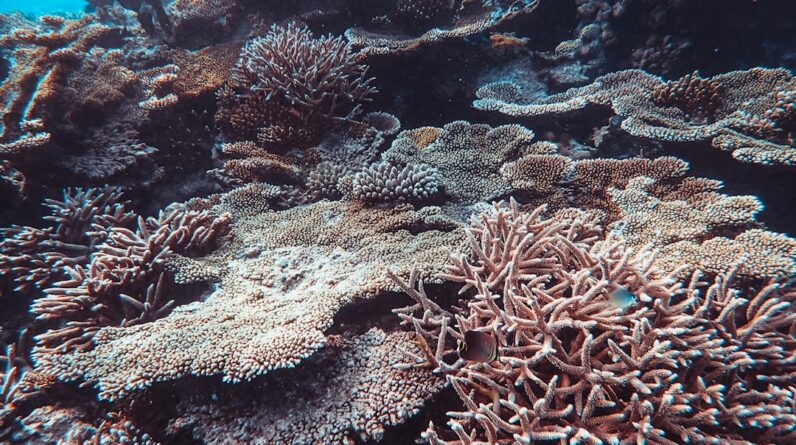
By exploring this diversity, you can gain a greater appreciation for the interconnectedness of life in our oceans. One way to explore marine life is through virtual aquariums or documentaries that showcase different habitats, such as coral reefs, kelp forests, and deep-sea environments. These resources can provide insight into how various species interact with one another and their surroundings.
You might be surprised to learn that some fish rely on phytoplankton for food while others depend on larger predators for survival. Understanding these relationships can help you recognize the importance of preserving marine biodiversity for future generations.
How Human Activities Affect the Ocean’s Lungs
While the ocean’s lungs are vital for our planet’s health, they face numerous threats from human activities. Pollution, overfishing, and climate change are just a few factors that can disrupt these delicate ecosystems. For instance, when plastic waste enters the ocean, it can harm marine life and disrupt food chains.
Additionally, excess nutrients from agricultural runoff can lead to harmful algal blooms that deplete oxygen levels in the water, further threatening phytoplankton populations. As you consider these impacts, it’s essential to recognize your role in protecting the ocean’s lungs. Simple actions like reducing plastic use, supporting sustainable seafood choices, and advocating for clean water initiatives can make a difference.
By understanding how human activities affect marine ecosystems, you can become an informed advocate for change and inspire others to join you in protecting our oceans.
The Connection Between Climate Change and the Ocean’s Lungs

The Impact of Rising Sea Temperatures
Climate change poses a significant threat to the ocean’s lungs and their ability to function effectively. Rising sea temperatures can alter phytoplankton distribution and productivity, impacting their role in oxygen production and carbon sequestration.
Ocean Acidification and its Consequences
Additionally, increased carbon dioxide levels in the atmosphere lead to ocean acidification, which can harm marine organisms like coral reefs and shellfish that rely on stable pH levels for survival.
A Call to Action for a Sustainable Future
As you explore this connection between climate change and the ocean’s lungs, it’s crucial to understand that these changes have far-reaching consequences beyond marine ecosystems. Disruptions in phytoplankton populations can affect global weather patterns and food security, highlighting the interconnectedness of our planet’s systems. By raising awareness about climate change and its impact on the ocean’s lungs, you can encourage others to take action toward a more sustainable future.
Ways Kids Can Help Protect the Ocean’s Lungs
Empowering kids to take action in protecting the ocean’s lungs is essential for fostering a sense of responsibility toward our planet. One effective way to get involved is through beach cleanups or community clean-up events. By participating in these activities, children can see firsthand how litter affects marine life and learn about the importance of keeping our oceans clean.
Another way kids can contribute is by becoming advocates for marine conservation. They can write letters to local representatives urging them to support policies that protect marine ecosystems or participate in school projects focused on environmental awareness. Encouraging children to share their knowledge with friends and family can create a ripple effect, inspiring others to join in protecting our oceans.
Resources for Further Learning about the Ocean’s Lungs
To deepen your understanding of the ocean’s lungs and their significance, numerous resources are available for exploration. Websites like National Geographic and Ocean Conservancy offer educational materials tailored for kids that cover various aspects of marine life and conservation efforts. These platforms provide engaging articles, videos, and interactive activities that make learning about the ocean both fun and informative.
Books are another excellent resource for expanding your knowledge about marine ecosystems. Titles like “The Sea Around Us” by Rachel Carson or “Ocean: A Visual Encyclopedia” by DK provide captivating insights into ocean life and its importance to our planet. By exploring these resources together with children, you can foster a lifelong love for learning about the ocean’s lungs and inspire them to become stewards of our planet’s health.
In conclusion, understanding the ocean’s lungs is crucial for appreciating their role in sustaining life on Earth. By exploring photosynthesis, engaging in fun activities with kids, examining marine biodiversity, recognizing human impacts, addressing climate change connections, encouraging protective actions, and utilizing available resources for further learning, you can foster a deeper connection with our oceans. As you embark on this journey of discovery, remember that every small action counts toward preserving these vital ecosystems for generations to come.
If you’re interested in teaching your kids about the importance of protecting the environment, you may also want to check out this article on how to stop forest burning to save trees and animals. It provides valuable information on the devastating effects of forest fires and offers practical tips on how we can help prevent them. By educating our children about these issues, we can instill in them a sense of responsibility towards the planet and all its inhabitants.
FAQs
What are the “ocean’s lungs”?
The “ocean’s lungs” refer to the vast areas of phytoplankton in the ocean that produce a significant amount of the Earth’s oxygen through photosynthesis.
Why is it important to teach kids about the ocean’s lungs?
Teaching kids about the ocean’s lungs helps them understand the vital role of the ocean in producing oxygen and regulating the Earth’s climate. It also fosters a sense of environmental stewardship and encourages them to protect the ocean.
What are some fun activities to teach kids about the ocean’s lungs?
Fun activities to teach kids about the ocean’s lungs include creating a phytoplankton model using green balloons, conducting a photosynthesis experiment with water, baking soda, and sunlight, and watching educational videos about phytoplankton and ocean ecosystems.
What are some interesting facts about the ocean’s lungs that kids can learn?
Kids can learn that phytoplankton are microscopic algae that form the base of the marine food web, that they produce more oxygen than all the world’s forests combined, and that they play a crucial role in removing carbon dioxide from the atmosphere.
How can parents incorporate lessons about the ocean’s lungs into everyday activities?
Parents can incorporate lessons about the ocean’s lungs into everyday activities by discussing the importance of the ocean during beach trips, reading books about marine life, and encouraging kids to participate in ocean conservation efforts.