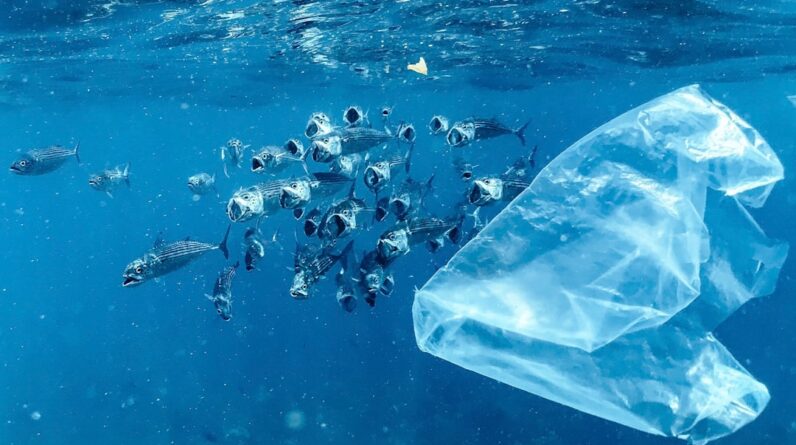
As you gaze out at the vast expanse of the ocean, it’s easy to forget that beneath the surface lies a world teetering on the brink of disaster. Ocean pollution has become one of the most pressing environmental issues of our time, affecting marine life, coastal communities, and even human health. Every year, millions of tons of plastic waste find their way into the ocean, creating a toxic soup that harms marine organisms and disrupts entire ecosystems.
You may not realize it, but the very fish you enjoy for dinner could be contaminated with microplastics, posing serious health risks to you and your loved ones. The sources of ocean pollution are varied and often interconnected. Industrial runoff, agricultural chemicals, and untreated sewage all contribute to the degradation of marine environments.
As you consider the implications of this pollution, think about how it affects not just the ocean but also the air you breathe and the water you drink. The consequences are far-reaching; they extend beyond the immediate harm to marine life and touch upon economic stability, food security, and public health. The urgency to address ocean pollution cannot be overstated, as it threatens the delicate balance of life both in the sea and on land.
Key Takeaways
- Ocean pollution has devastating impacts on marine life and ecosystems, affecting both the environment and human health.
- Overfishing poses a serious threat to marine biodiversity and can lead to the collapse of fish populations and ecosystems.
- The decline of marine biodiversity is alarming and requires immediate attention to prevent irreversible damage to ocean ecosystems.
- Climate change plays a significant role in the health of the oceans, leading to rising sea levels, ocean acidification, and extreme weather events.
- Sustainable ocean management is crucial for the long-term health of our oceans and requires the implementation of effective conservation and management strategies.
The Threat of Overfishing and Its Consequences
Overfishing is another critical issue that demands your attention. As you reflect on your seafood choices, consider how unsustainable fishing practices have led to the depletion of fish stocks worldwide. Many species are now on the brink of extinction due to relentless fishing pressures, driven by global demand for seafood.
This not only disrupts marine ecosystems but also jeopardizes the livelihoods of communities that depend on fishing for their survival. You may find it alarming that some fish populations have declined by as much as 90% in recent decades, a stark reminder of the consequences of human greed. The repercussions of overfishing extend beyond the immediate loss of fish species.
As key predators and prey are removed from the ocean, entire food webs are thrown into disarray. This imbalance can lead to the proliferation of certain species while others dwindle, resulting in a loss of biodiversity that can take generations to recover from. As you ponder these issues, consider how your choices can influence fishing practices.
Supporting sustainable seafood initiatives and advocating for responsible fishing policies can help mitigate the impact of overfishing and promote healthier oceans.
The Alarming Decline of Marine Biodiversity

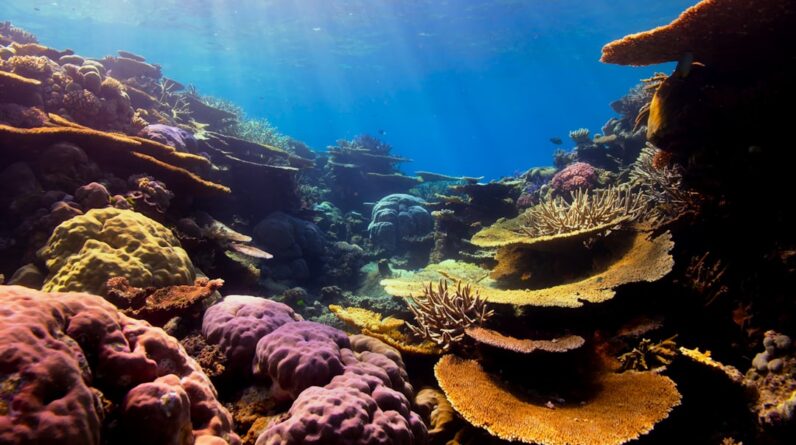
Marine biodiversity is essential for maintaining healthy ocean ecosystems, yet it is under severe threat from various human activities. As you explore the beauty of coral reefs or witness the majesty of whales in their natural habitat, it’s crucial to recognize that these wonders are increasingly at risk. The decline in marine biodiversity is alarming; scientists estimate that up to one-third of marine species are currently facing extinction due to habitat destruction, pollution, and climate change.
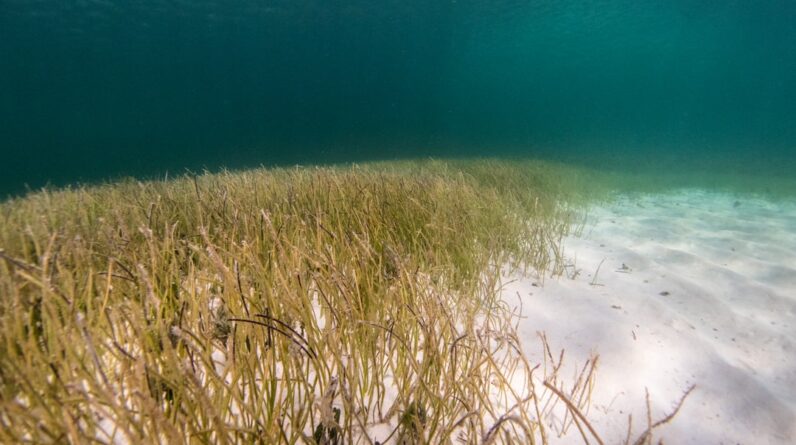
This loss not only diminishes the richness of ocean life but also undermines the resilience of marine ecosystems. You may wonder why biodiversity matters so much. Healthy ecosystems provide vital services such as carbon sequestration, nutrient cycling, and coastal protection.
They also support fisheries and tourism industries that are crucial for many economies around the world. When biodiversity declines, these services are compromised, leading to a cascade of negative effects that can impact your community and beyond. By understanding the importance of marine biodiversity, you can become an advocate for conservation efforts that protect these vital ecosystems for future generations.
The Role of Climate Change in Ocean Health
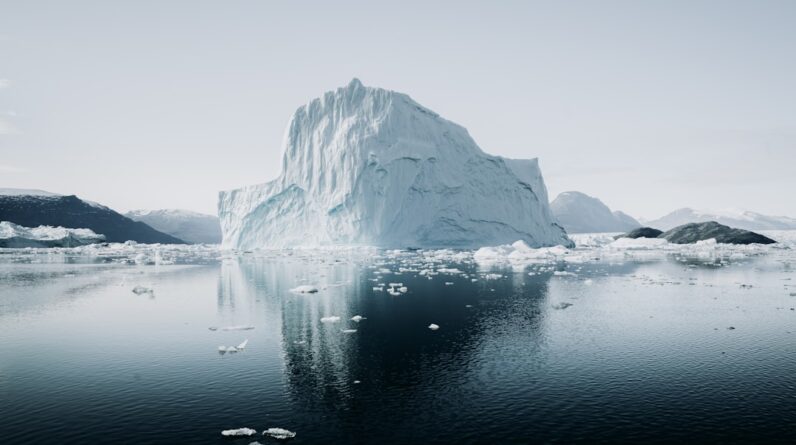
Climate change is perhaps the most significant threat facing our oceans today. As global temperatures rise, oceans absorb much of this heat, leading to increased water temperatures and altered ocean currents. You may have noticed changes in weather patterns or experienced more intense storms; these phenomena are often linked to climate change and have profound implications for ocean health.
Warmer waters can lead to coral bleaching events, which devastate coral reefs and the myriad species that depend on them. Moreover, climate change contributes to ocean acidification as excess carbon dioxide is absorbed by seawater. This process has detrimental effects on marine life, particularly organisms with calcium carbonate shells or skeletons, such as shellfish and corals.
As you consider these impacts, think about how climate change not only threatens marine ecosystems but also affects food security and economic stability for communities reliant on healthy oceans. Addressing climate change requires collective action at all levels—individuals, businesses, and governments must work together to reduce greenhouse gas emissions and promote sustainable practices.
The Importance of Sustainable Ocean Management
Sustainable ocean management is essential for ensuring the long-term health of our oceans and the communities that depend on them. As you contemplate your role in this effort, consider how sustainable practices can help balance human needs with environmental protection. Effective management strategies involve regulating fishing practices, protecting critical habitats, and promoting responsible tourism.
By advocating for policies that prioritize sustainability, you can contribute to a healthier ocean ecosystem. You may also want to explore how technology can play a role in sustainable ocean management. Innovations such as satellite monitoring and data analytics can help track fish populations and monitor environmental changes in real-time.
These tools enable more informed decision-making and can lead to more effective conservation efforts. By supporting initiatives that leverage technology for sustainable practices, you can help pave the way for a future where both people and oceans thrive.
The Need for Global Collaboration to Protect Our Oceans

The challenges facing our oceans are not confined by borders; they are global issues that require international cooperation. As you reflect on this reality, consider how interconnected our world has become through trade, travel, and communication. Ocean pollution, overfishing, and climate change do not respect national boundaries; therefore, collaborative efforts are essential for effective solutions.
Global agreements such as the Paris Agreement aim to address climate change collectively, but more must be done to protect our oceans specifically. You might find it inspiring to learn about various international initiatives focused on ocean conservation. Organizations like the United Nations have established frameworks for sustainable development that include specific targets for protecting marine environments.
By supporting these global efforts and advocating for stronger international policies, you can play a part in fostering collaboration that transcends borders and unites nations in their commitment to safeguarding our oceans.
The Call to Action for Individuals and Communities
While global collaboration is vital, individual actions also play a crucial role in protecting our oceans. As you consider your daily habits, think about how small changes can collectively make a significant impact. Reducing plastic use by opting for reusable bags and containers is one way you can contribute to decreasing ocean pollution.
Additionally, participating in local clean-up events or advocating for policies that protect marine environments can amplify your voice in the fight against ocean degradation. Communities can also come together to promote awareness about ocean health through educational programs and outreach initiatives. By engaging with local schools or organizations, you can help foster a culture of stewardship that encourages others to take action as well.
Remember that every effort counts; whether it’s spreading awareness on social media or supporting local conservation projects, your contributions can inspire others to join the cause.
The Hope for a Healthier Future for Our Oceans
Despite the daunting challenges facing our oceans today, there is hope for a healthier future. As awareness grows about the importance of ocean conservation, more individuals and organizations are stepping up to make a difference. You may find inspiration in success stories from around the world where communities have come together to restore damaged ecosystems or implement sustainable practices that benefit both people and marine life.
The path forward requires continued commitment from all sectors of society—governments must enact strong policies, businesses should adopt sustainable practices, and individuals need to take responsibility for their actions. By fostering a sense of connection to our oceans and recognizing their intrinsic value, we can work together toward a future where vibrant marine ecosystems thrive alongside healthy human communities. Your involvement in this journey is crucial; together, we can create a legacy of stewardship that ensures our oceans remain a source of life and wonder for generations to come.
In a related article on Live Life with a Cause, the importance of trees in combating global warming is discussed in detail. The article titled How Can Trees Save the Earth from Global Warming? highlights the crucial role that trees play in absorbing carbon dioxide and reducing greenhouse gas emissions. Just like the ocean, trees are essential in maintaining the balance of our planet’s ecosystem and combating the effects of climate change. It is clear that both the sea and trees are vital components of our environment that require urgent action to protect and preserve for future generations.
FAQs
What is the Silent Scream of the Sea article about?
The article “The Silent Scream of the Sea: Why We Must Act Now” discusses the urgent need for action to address the environmental degradation and threats to marine life.
What are the main issues highlighted in the article?
The article highlights issues such as plastic pollution, overfishing, habitat destruction, and climate change, and their detrimental impact on the oceans and marine ecosystems.
Why is it important to address these issues now?
It is important to address these issues now because the health of the oceans directly impacts the health of the planet and all living beings. Delaying action will only exacerbate the problems and make it more difficult to reverse the damage.
What are some potential solutions suggested in the article?
The article suggests solutions such as reducing single-use plastics, implementing sustainable fishing practices, creating marine protected areas, and taking steps to mitigate climate change.
How can individuals contribute to addressing these issues?
Individuals can contribute by reducing their use of single-use plastics, supporting sustainable seafood choices, participating in beach clean-ups, and advocating for policies that protect the oceans and marine life.