Have you ever wondered how deforestation impacts our planet’s temperature? It’s a complicated yet fascinating subject that connects the trees in our forests to the warmth of our atmosphere. By understanding the role of deforestation in global warming, you can start to see why preserving our forests is more crucial than ever.

What is Deforestation?
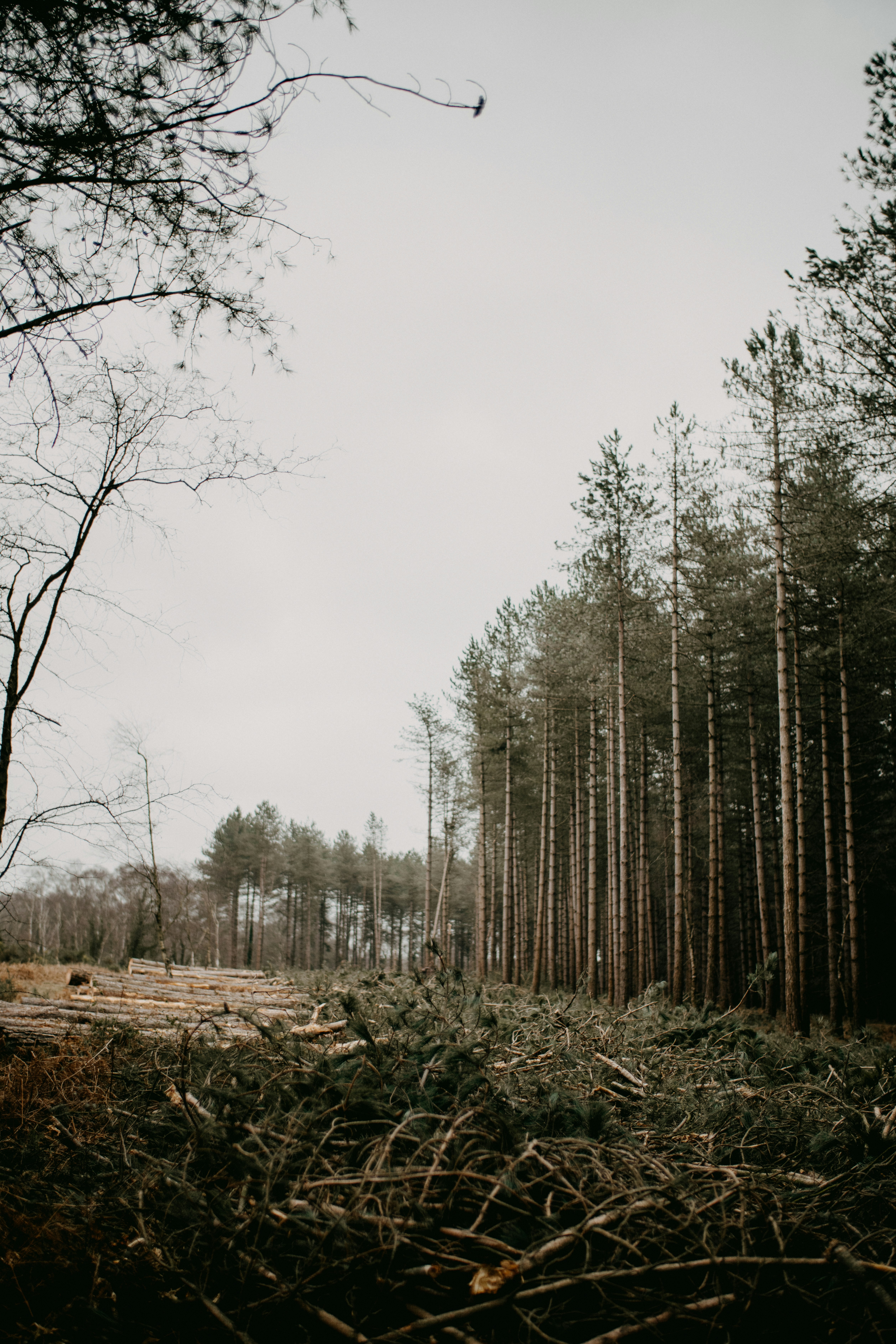
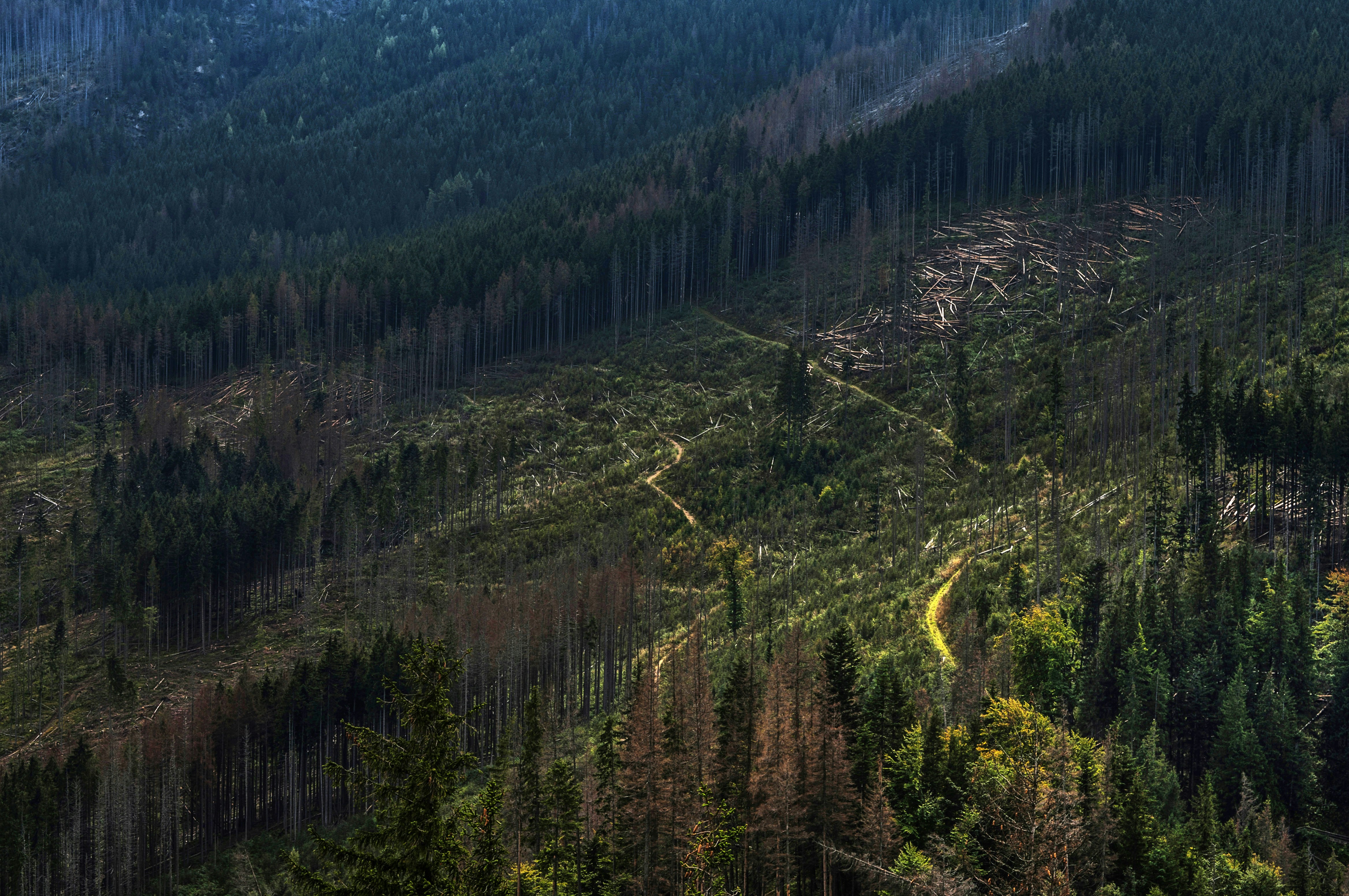
Deforestation involves the large-scale removal of forests, leading to the land being converted for non-forest use. This could be for agriculture, urban development, or mining operations. Forests are often cleared for timber extraction and to make way for farms, ranches, or infrastructure.
How Widespread is Deforestation?
Deforestation is a global issue. While it’s happening at alarming rates in some regions, other parts of the world are seeing forest regeneration efforts. Brazil, Indonesia, and the Democratic Republic of Congo are among the countries with the highest rates of deforestation. Meanwhile, countries like China and India are making headway in afforestation and reforestation.
A Brief Look at Statistics
Let’s look at some crucial numbers to get a sense of the scale:
| Region | Annual Forest Loss (hectares) | Primary Causes |
|---|---|---|
| Amazon Rainforest | 1.3 million | Agriculture, logging, mining |
| Southeast Asia | 650,000 | Palm oil plantations, logging |
| Central Africa | 480,000 | Agriculture, logging |
| Temperate Forests (U.S) | 200,000 | Urban development, logging |
These figures are approximate but give you a good idea of how significant the issue is.
The Relationship Between Forests and Climate
Forests play a crucial role in regulating the earth’s climate. They act as carbon sinks by absorbing carbon dioxide (CO2) from the atmosphere during the process of photosynthesis. When forests are cut down, this balance is disrupted, leading to several negative effects.
Carbon Storage and Sequestration
Trees absorb CO2, a major greenhouse gas, and store it in their biomass (leaves, wood, roots). Intact forests serve as significant carbon sinks, meaning they capture more CO2 than they emit. However, deforestation drastically reduces this capacity.
Emissions from Deforestation
When forests are cut or burned, the stored carbon is released back into the atmosphere. This not only includes CO2 but also other greenhouse gases such as methane (CH4) and nitrous oxide (N2O). These emissions significantly contribute to global warming.
The Role of the Water Cycle
Forests also influence local and global water cycles. Trees release water vapor through a process called transpiration. This helps in cloud formation and precipitation. Deforestation can disrupt these cycles, leading to changes in rainfall patterns and possibly contributing to drought conditions in certain regions.
How Deforestation Contributes to Global Warming
Now that you understand the basics, let’s delve into the specific ways deforestation contributes to the heating up of our planet.
Increased Greenhouse Gas Emissions
When forests are destroyed, the carbon stored in trees is released as CO2 and other greenhouse gases. According to the Intergovernmental Panel on Climate Change (IPCC), deforestation and forest degradation account for approximately 10-15% of global greenhouse gas emissions.
Loss of Carbon Sinks
Forests act as major carbon sinks, absorbing more CO2 than they emit. When these forests are cut down, not only is this balance disrupted, but we also lose a critical tool in the fight against climate change. Losing carbon sinks means that more CO2 remains in the atmosphere, contributing further to global warming.
Alteration in Albedo Effect
Forests have a low albedo, meaning they absorb most of the sunlight that hits them. When forests are replaced with lighter surfaces like crops or urban areas, the albedo effect increases. These surfaces reflect more sunlight back into the atmosphere, which can disrupt local climate patterns and contribute to warming.
Impact on Biodiversity
Deforestation threatens the rich biodiversity that forests host. The extinction of flora and fauna can alter ecosystem services that regulate climate. For example, the loss of keystone species can disrupt food webs, leading to further ecological imbalance.
The Effects of Deforestation on Humans
The adverse impacts of deforestation extend far beyond the environment; they affect human communities in several fundamental ways.
Health Implications
Air quality can deteriorate significantly due to deforestation. The burning of trees releases pollutants, contributing to respiratory issues among nearby populations. Furthermore, deforestation can also contribute to the spread of diseases. When forest habitats are destroyed, disease-carrying animals migrate closer to human settlements, increasing the risk of outbreaks.
Economic Consequences
Many communities rely on forests for their livelihoods. Whether it’s through agriculture, tourism, or timber, deforestation disrupts these economic activities. Additionally, the loss of biodiversity can lead to a decline in industries such as pharmaceuticals, which rely on natural products for drug development.
Social and Cultural Impact
For many indigenous and local communities, forests are not just a resource but a way of life. Deforestation often leads to displacement and loss of cultural heritage, contributing to social unrest and conflict.
Efforts to Combat Deforestation
Understanding the problem is only the first step. Addressing deforestation requires global cooperation and a multi-faceted approach.
Reforestation and Afforestation
One of the most direct ways to combat deforestation is through reforestation (replanting trees in deforested areas) and afforestation (establishing forests in areas that previously had no forest cover). Countries like China and India have initiated large-scale tree-planting programs that aim to restore forest cover.
Legal and Policy Measures
Enforcing strict regulations against illegal logging and creating protected areas can help curb deforestation. International agreements like the Paris Agreement also include provisions for reducing deforestation and promoting sustainable forest management.
Sustainable Agriculture
Adopting sustainable agricultural practices can effectively reduce the pressure on forests. Techniques such as agroforestry, where trees and crops are grown together, can offer a solution that balances agricultural needs with forest conservation.
Community Involvement
Local and indigenous communities often have valuable knowledge about sustainable forest management. Involving them in conservation efforts can lead to more effective and culturally sensitive strategies for preserving forests.
Technology and Innovation
Advancements in technology can also help monitor and manage forests more efficiently. Satellite imagery and drones can be used to track deforestation patterns in real-time, enabling quicker responses to illegal activities.
The Future: What’s Next for Our Forests?
The fight against deforestation is far from over, but there are reasons to be hopeful. Technological advances, legal frameworks, and increasing global awareness are creating pathways to a more sustainable future.
Climate Goals and Forest Conservation
Meeting international climate goals will require more robust actions to preserve and restore forests. By aligning forest conservation efforts with broader climate strategies, it’s possible to create a synergistic effect that benefits both the environment and human communities.
Educating Future Generations
Raising awareness about the importance of forests can inspire the next generation to take action. Educational initiatives aimed at teaching children about sustainability and conservation can have a lasting impact.
Consumer Responsibility
As a consumer, your choices matter. Supporting products that are certified by organizations like the Forest Stewardship Council (FSC) ensures that they are sourced from responsibly managed forests. Even small changes, like reducing paper use or opting for recycled products, can contribute to the larger goal of forest conservation.
Conclusion
Deforestation is more than just the loss of trees; it’s a significant factor in the warming of our planet, with wide-ranging environmental, economic, and social impacts. By understanding the intricate connection between forests and climate, you can appreciate the importance of efforts to combat deforestation. Whether through policy changes, technological advances, or individual actions, every step taken to preserve our forests is a step towards a cooler, more sustainable planet.