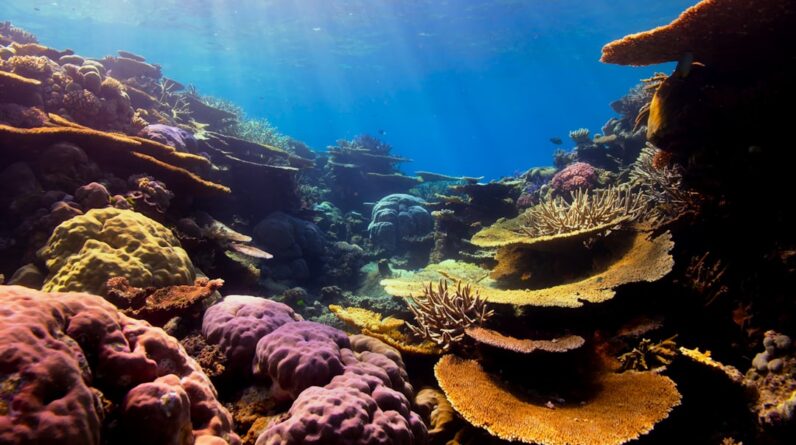
When you think of forests, you might envision lush greenery, towering trees, and a vibrant ecosystem teeming with life. However, the reality is that many forests around the world have faced significant devastation due to various factors. Deforestation, driven by logging, agriculture, and urban expansion, has led to the loss of vast areas of forest cover.
This destruction not only affects the trees themselves but also the myriad species that depend on these habitats for survival. As you walk through a once-thriving forest, you may notice the stark contrast between the vibrant life that once flourished and the barren land that remains. The impact of forest devastation extends beyond the immediate loss of trees.
It disrupts entire ecosystems, leading to a decline in biodiversity. Many species are pushed to the brink of extinction as their habitats are destroyed. The intricate web of life that exists within a forest is fragile; when one element is removed, it can have cascading effects on others.
You might find it alarming to learn that deforestation contributes significantly to climate change, as trees play a crucial role in absorbing carbon dioxide from the atmosphere. The loss of these natural carbon sinks exacerbates global warming, creating a cycle of destruction that is difficult to break.
Key Takeaways
- The devastation of the forest: Forests face destruction from natural disasters and human activities, leading to loss of biodiversity and ecosystem services.
- Nature’s resilience: Despite the devastation, nature has the ability to bounce back and regenerate, showcasing the resilience of natural ecosystems.
- The role of seed dispersal: Seed dispersal by animals and wind plays a crucial role in the regeneration of forests, allowing new plants to grow and thrive.
- The importance of soil regeneration: Soil regeneration is essential for the recovery of forests, as it provides the necessary nutrients for new plant growth.
- The influence of animal activity: Animal activity, such as foraging and burrowing, contributes to the regeneration of forests by creating microhabitats and dispersing seeds.
- Human intervention and conservation efforts: Human intervention and conservation efforts are crucial in aiding the regeneration of forests and preserving biodiversity.
- The remarkable timeline of regrowth: The timeline of forest regrowth varies depending on the severity of the devastation, with some forests taking decades or even centuries to fully recover.
- Lessons for sustainable forest management: Understanding the natural processes of forest regeneration can provide valuable lessons for sustainable forest management practices, ensuring the long-term health and resilience of forests.
Nature’s Resilience:
Despite the overwhelming challenges posed by deforestation and environmental degradation, nature possesses an incredible ability to bounce back. You may be surprised to discover that ecosystems have an innate resilience that allows them to recover from disturbances over time. When a forest is damaged, whether through fire, logging, or natural disasters, the seeds and roots of surviving plants often remain in the soil, waiting for the right conditions to sprout anew.
This resilience is a testament to nature’s capacity for regeneration and adaptation. As you observe a recovering forest, you might notice how quickly life begins to return. In the aftermath of destruction, pioneer species—plants that are the first to colonize disturbed areas—often emerge.
These hardy species play a vital role in stabilizing the soil and creating conditions that allow other plants to thrive. Over time, as you witness the gradual transformation of the landscape, you may come to appreciate the intricate processes at work in nature’s recovery. The interplay between sunlight, water, and soil nutrients creates a dynamic environment where life can flourish once again.
The Role of Seed Dispersal:
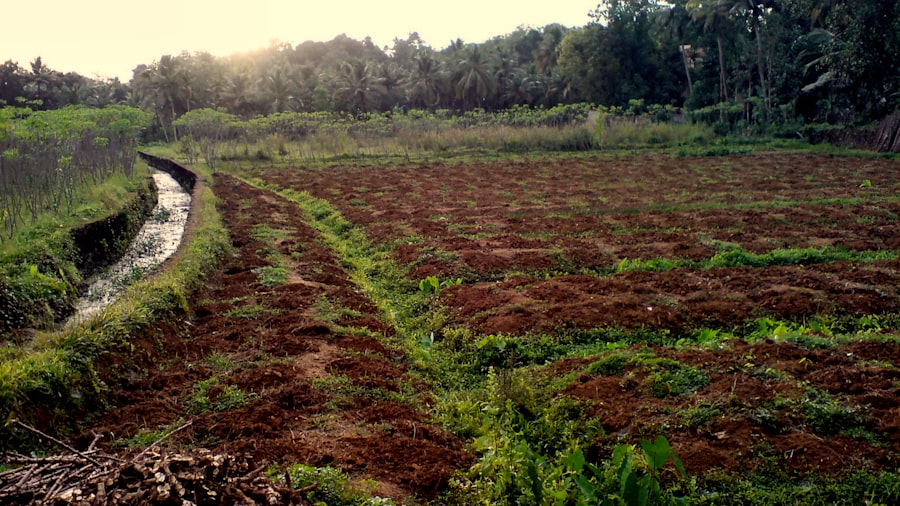
One of the key mechanisms behind nature’s resilience is seed dispersal. As you explore a recovering forest, you may notice how seeds travel across distances, carried by wind, water, or animals. This process is essential for reestablishing plant populations in areas that have been devastated.
You might find it fascinating that some plants have evolved specific adaptations to enhance their chances of successful dispersal. For instance, certain seeds have wings or fluffy tufts that allow them to be carried by the breeze, while others are encased in fruits that attract animals. Animals play a crucial role in this process as well.
When you observe birds or mammals feasting on fruits, you may not realize that they are also acting as unwitting gardeners. As they consume the fruit and move through the forest, they inadvertently transport seeds in their droppings. This natural form of seed dispersal helps ensure genetic diversity within plant populations and allows for the colonization of new areas.
You might find it remarkable how interconnected these relationships are—each species contributing to the health and vitality of the ecosystem.
The Importance of Soil Regeneration:
As you delve deeper into the recovery process of a forest, you’ll come to understand the critical role that soil regeneration plays in fostering new growth. Healthy soil is teeming with microorganisms, nutrients, and organic matter that support plant life. When a forest is devastated, the soil can become compacted and depleted of essential nutrients.
However, nature has its own way of rejuvenating these vital resources over time. You may notice that as plants begin to grow back, they contribute organic matter to the soil through fallen leaves and decaying roots. This process enriches the soil and creates a more hospitable environment for other species to thrive.
Additionally, certain plants have deep root systems that help aerate the soil and improve its structure. As you observe this transformation, you might appreciate how interconnected these processes are—healthy soil leads to healthy plants, which in turn support a diverse array of wildlife.
The Influence of Animal Activity:
The role of animals in forest ecosystems cannot be overstated. As you wander through a recovering forest, you may encounter various creatures that contribute to its regeneration in unique ways. From herbivores grazing on young shoots to predators maintaining balance within the food web, each animal plays a part in shaping the landscape.
You might find it intriguing how animals influence plant growth through their feeding habits; for instance, some herbivores help control invasive species by consuming them. Moreover, animals also aid in seed dispersal and pollination—two critical processes for forest regeneration. As you observe bees buzzing from flower to flower or squirrels burying acorns, you may begin to understand how these seemingly simple actions have far-reaching effects on the ecosystem.
The intricate relationships between plants and animals create a dynamic environment where life can flourish once again after devastation.
Human Intervention and Conservation Efforts:
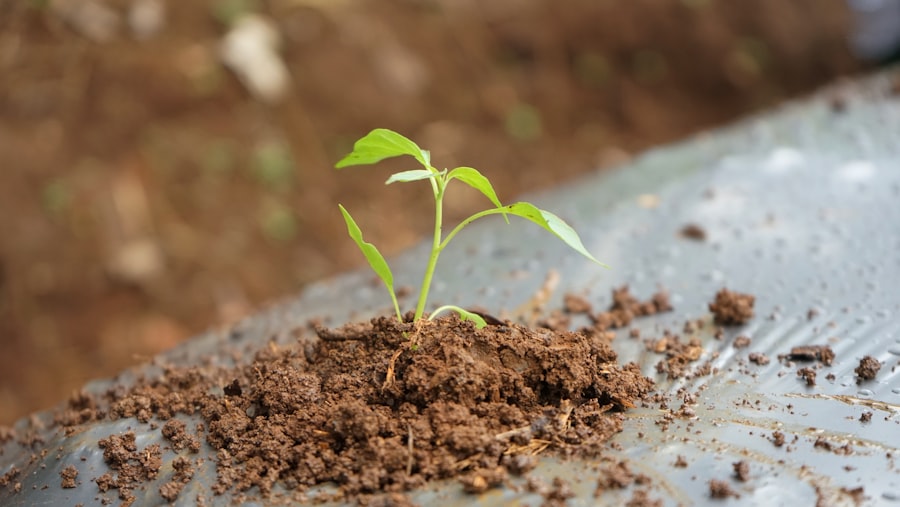
While nature has an incredible capacity for recovery, human intervention can significantly enhance these processes. As you consider the challenges facing forests today, you may feel compelled to learn about conservation efforts aimed at protecting and restoring these vital ecosystems. Organizations around the world are working tirelessly to combat deforestation and promote sustainable practices that benefit both people and nature.
You might be inspired by initiatives focused on reforestation—planting trees in areas where forests have been lost. These efforts not only help restore habitats but also contribute to carbon sequestration and climate change mitigation. Additionally, community-based conservation programs empower local populations to engage in sustainable land management practices that protect their natural resources while supporting their livelihoods.
As you explore these initiatives, you may come to appreciate how collective action can lead to meaningful change in preserving our planet’s forests.
The Remarkable Timeline of Regrowth:
The timeline of forest regrowth is a fascinating journey marked by resilience and adaptation. As you witness the stages of recovery unfold over time, you may be struck by how quickly nature can reclaim its territory. In the first few years following disturbance, you’ll likely see an explosion of pioneer species taking root—these hardy plants are often fast-growing and capable of thriving in challenging conditions.
As time progresses, you may observe a gradual shift in plant diversity as more complex species begin to establish themselves. Over decades, what was once a barren landscape can transform into a thriving forest once again. You might find it awe-inspiring to think about how this process mirrors life’s inherent ability to adapt and thrive despite adversity—a powerful reminder of nature’s resilience.
Lessons for Sustainable Forest Management:
As you reflect on the journey of forest recovery, there are valuable lessons to be learned about sustainable forest management practices. You may realize that protecting existing forests is just as crucial as restoring those that have been lost. Sustainable practices such as selective logging, agroforestry, and community-based conservation can help balance human needs with ecological health.
Moreover, fostering awareness about the importance of biodiversity and ecosystem services can empower individuals and communities to take action in their own lives. By supporting sustainable products and advocating for policies that protect forests, you can contribute to a brighter future for these vital ecosystems. As you consider your role in this larger narrative, you may feel inspired to become an advocate for sustainable practices that honor both nature’s resilience and our responsibility as stewards of the Earth.
If you are interested in learning more about how reforestation can benefit the environment, you may want to check out the article How Does Reforestation Help the Environment? on Live Life with a Cause. This article delves into the various ways in which planting trees can have a positive impact on our planet, from improving air quality to providing habitats for wildlife. It is a great resource for those looking to understand the importance of reforestation in combating climate change and preserving biodiversity.
FAQs
What is forest reassembly?
Forest reassembly refers to the natural process of a forest regenerating and rebuilding itself after disturbances such as wildfires, logging, or other natural events. This process involves the reestablishment of plant and animal communities and the restoration of ecological functions within the forest ecosystem.
How does a forest reassemble itself?
After a disturbance, a forest reassembles itself through a series of ecological processes such as seed dispersal, germination, and growth of new plants, as well as the recolonization of animals. These processes are driven by natural ecological succession, where different plant and animal species gradually establish themselves in the disturbed area, leading to the eventual recovery of the forest ecosystem.
What are the key factors that contribute to forest reassembly?
Key factors that contribute to forest reassembly include the presence of viable seeds and propagules in the soil and surrounding areas, the availability of suitable environmental conditions for plant growth, the presence of mutualistic relationships between plants and animals, and the absence of further disturbances that could hinder the reassembly process.
Why is forest reassembly important?
Forest reassembly is important for the restoration of ecosystem functions, the conservation of biodiversity, and the provision of ecosystem services such as carbon sequestration, water regulation, and habitat for wildlife. It also plays a crucial role in maintaining the resilience and adaptability of forest ecosystems in the face of environmental changes and disturbances.