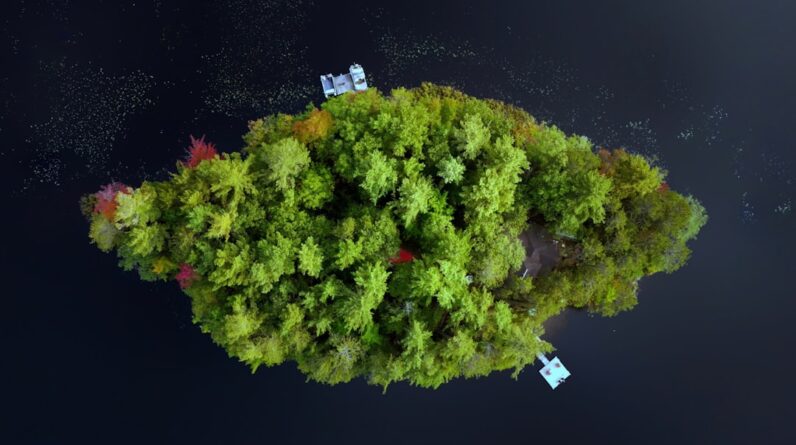
Carbon sequestration plays a pivotal role in combating climate change, and understanding its significance is crucial for anyone concerned about the future of our planet. As you may know, carbon dioxide (CO2) is one of the primary greenhouse gases contributing to global warming. By capturing and storing this gas, carbon sequestration helps mitigate the adverse effects of climate change.
This process not only reduces the amount of CO2 in the atmosphere but also enhances the health of ecosystems, making it a vital strategy for sustainable development. You might be surprised to learn that natural processes, such as photosynthesis in plants and trees, are among the most effective means of carbon sequestration. Forests, wetlands, and grasslands act as carbon sinks, absorbing CO2 and storing it in biomass and soil.
This natural ability to sequester carbon underscores the importance of preserving existing ecosystems while also investing in reforestation efforts. By recognizing the value of carbon sequestration, you can appreciate how essential it is to implement strategies that protect and restore our planet’s natural resources.
Key Takeaways
- Carbon sequestration plays a crucial role in mitigating climate change by removing carbon dioxide from the atmosphere and storing it in trees and soil.
- Current challenges in reforestation efforts include limited funding, lack of suitable land for planting, and the threat of deforestation and wildfires.
- Innovative approaches to reforestation, such as using drones for precision planting and developing fast-growing tree species, show promise in overcoming traditional reforestation challenges.
- Technology advancements, such as remote sensing and GIS mapping, offer opportunities for more efficient and effective reforestation efforts.
- Policy and funding are essential for supporting carbon sequestration initiatives, and community engagement is crucial for the success of reforestation projects.
Current Challenges in Reforestation Efforts
Despite the clear benefits of reforestation, numerous challenges hinder effective implementation. One significant obstacle is the competition for land use. As urbanization continues to expand, agricultural demands increase, and natural habitats are lost, finding suitable land for reforestation becomes increasingly difficult.
You may find it alarming that many regions prioritize short-term economic gains over long-term environmental sustainability, leading to deforestation and habitat destruction. Another challenge lies in the complexity of ecosystems themselves. Reforestation is not merely about planting trees; it requires a deep understanding of local biodiversity and ecological dynamics.
You might be surprised to learn that introducing non-native species can disrupt local ecosystems, leading to unintended consequences. Therefore, successful reforestation efforts must consider the specific needs of each environment, ensuring that the right species are planted in the right locations to promote healthy growth and biodiversity.
Innovative Approaches to Reforestation
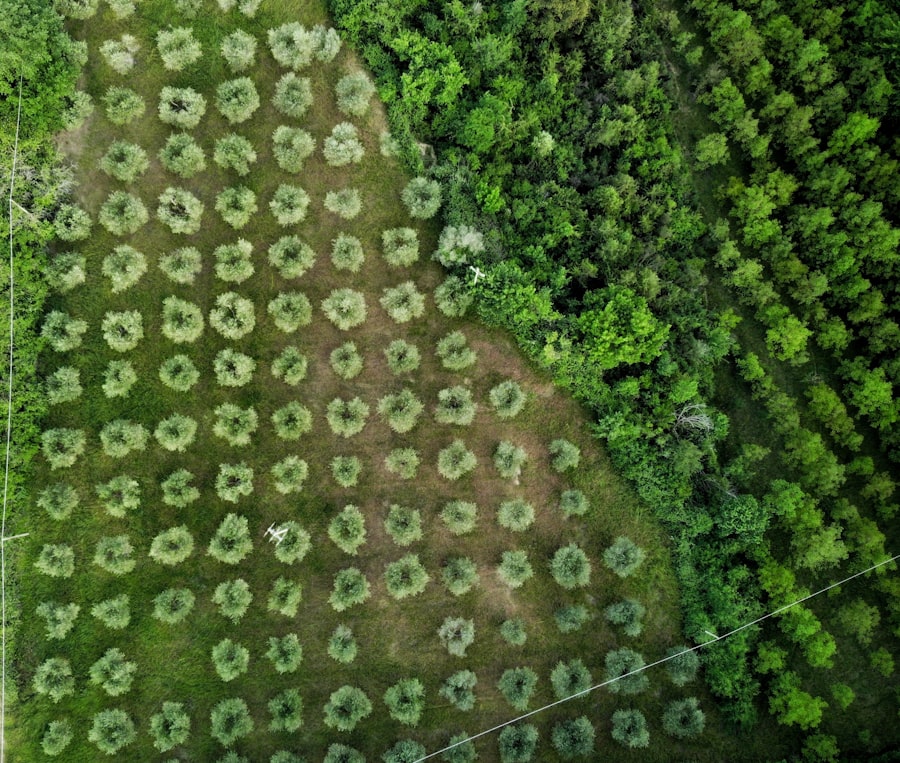
In response to these challenges, innovative approaches to reforestation are emerging, offering new hope for restoring ecosystems. One such method is agroforestry, which integrates trees into agricultural landscapes. This approach not only enhances carbon sequestration but also improves soil health and increases crop yields.
You may find it fascinating that by combining agriculture with forestry, farmers can create a more sustainable and resilient food system while contributing to climate change mitigation. Another promising strategy is the use of drones for reforestation efforts. Drones can efficiently plant seeds over large areas, significantly reducing labor costs and time.
You might be intrigued to know that some companies are developing seed pods that can be dropped from drones, allowing for rapid reforestation in hard-to-reach areas. This technological advancement not only streamlines the planting process but also opens up new possibilities for restoring degraded landscapes.
Technology and Reforestation: Advancements and Opportunities
The intersection of technology and reforestation presents exciting opportunities for enhancing carbon sequestration efforts. Remote sensing technology allows researchers to monitor forest health and growth patterns more accurately than ever before. By utilizing satellite imagery and aerial surveys, you can gain insights into forest cover changes and assess the effectiveness of reforestation initiatives.
This data-driven approach enables better decision-making and resource allocation for future projects. Moreover, advancements in genetic engineering are paving the way for developing tree species that are more resilient to climate change. You may be interested to learn that scientists are exploring ways to enhance growth rates and disease resistance in trees through genetic modification.
While this approach raises ethical questions, it also holds the potential to revolutionize reforestation efforts by creating trees that can thrive in challenging environments.
The Role of Policy and Funding in Carbon Sequestration
Effective policy frameworks and adequate funding are essential components of successful carbon sequestration initiatives. Governments play a crucial role in establishing regulations that promote sustainable land use practices and incentivize reforestation efforts. You might be surprised to discover that countries with strong environmental policies often see higher rates of forest restoration and conservation.
By advocating for policies that prioritize carbon sequestration, you can contribute to a more sustainable future. Funding is another critical aspect of reforestation efforts. Many projects rely on financial support from governments, non-profit organizations, and private investors.
You may find it encouraging that innovative financing mechanisms, such as carbon credits and green bonds, are emerging to support reforestation initiatives. These financial tools allow businesses and individuals to invest in projects that sequester carbon while generating returns on their investments. By understanding the importance of policy and funding, you can become an advocate for sustainable practices in your community.
Community Engagement and Reforestation
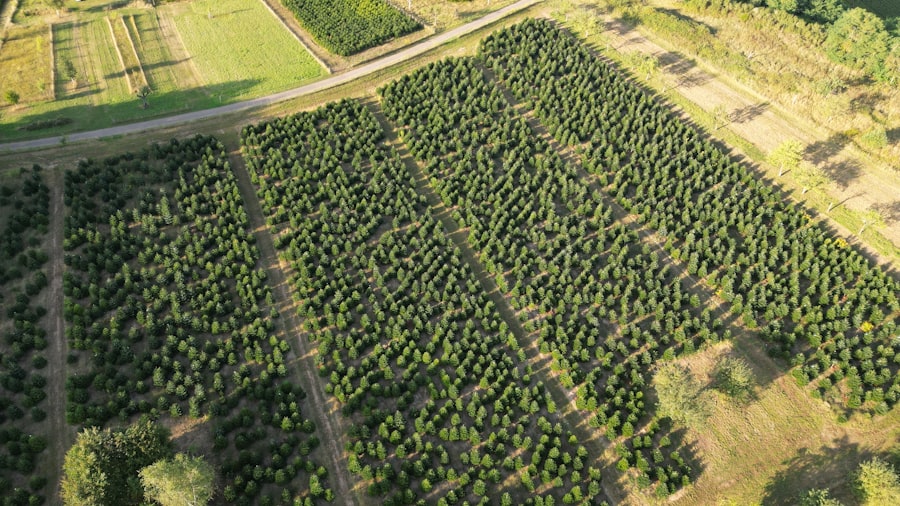
Community engagement is vital for the success of reforestation projects. When local communities are involved in decision-making processes, they are more likely to support and participate in restoration efforts. You may find it inspiring that many successful reforestation initiatives have been driven by grassroots movements, where community members take ownership of their local environments.
By fostering a sense of stewardship, you can help create a culture of conservation that benefits both people and nature. Education plays a crucial role in community engagement as well. By raising awareness about the importance of reforestation and carbon sequestration, you can empower individuals to take action in their own lives.
Workshops, school programs, and community events can provide valuable information about sustainable practices and encourage participation in local reforestation efforts. When communities come together with a shared vision for a healthier environment, the impact can be profound.
Monitoring and Assessing the Impact of Reforestation Efforts
To ensure the effectiveness of reforestation initiatives, monitoring and assessment are essential components of any project. You may be surprised to learn that tracking progress involves more than just counting trees; it requires evaluating ecological health, biodiversity, and community involvement. By employing various monitoring techniques, such as ground surveys and remote sensing technology, you can gain a comprehensive understanding of how well a reforestation project is performing.
Regular assessments allow for adaptive management strategies to be implemented when necessary. If certain species are not thriving or if external factors threaten the success of a project, adjustments can be made to improve outcomes. You might find it reassuring that ongoing monitoring not only helps ensure the success of individual projects but also contributes valuable data to inform future reforestation efforts on a larger scale.
The Future of Carbon Sequestration: Potential Outcomes and Implications
Looking ahead, the future of carbon sequestration holds immense potential for addressing climate change and promoting environmental sustainability. As awareness grows about the importance of restoring ecosystems, you may witness an increase in collaborative efforts among governments, businesses, and communities to invest in reforestation initiatives. This collective action could lead to significant reductions in atmospheric CO2 levels while enhancing biodiversity and ecosystem resilience.
However, challenges remain on the horizon. As climate change continues to impact weather patterns and ecosystems worldwide, you may find it essential to remain vigilant about adapting strategies for effective carbon sequestration. The integration of technology, innovative practices, and community engagement will be crucial in navigating these challenges.
By staying informed and actively participating in discussions about carbon sequestration, you can play a vital role in shaping a sustainable future for generations to come. In conclusion, carbon sequestration is not just an environmental necessity; it is an opportunity for individuals like you to engage with pressing global issues. By understanding its importance, advocating for effective policies, supporting innovative approaches, and participating in community efforts, you can contribute meaningfully to the fight against climate change while fostering a healthier planet for all living beings.
If you are interested in learning more about the importance of healthy forests in preserving biodiversity, you should check out the article Biodiversity Reservoir by Having Healthy Forest. This article delves into how maintaining thriving forests can help protect a wide range of plant and animal species. It also discusses the role of forests in providing essential ecosystem services that support life on Earth.
FAQs
What is carbon sequestration?
Carbon sequestration is the process of capturing and storing carbon dioxide from the atmosphere in order to mitigate global climate change. This can be done through natural processes such as photosynthesis in plants, or through technological methods such as carbon capture and storage.
What is reforestation?
Reforestation is the process of planting trees in areas where forests have been depleted or destroyed. This can help to restore ecosystems, provide habitat for wildlife, and mitigate climate change by capturing carbon dioxide from the atmosphere.
How does reforestation contribute to carbon sequestration?
Reforestation contributes to carbon sequestration by allowing trees to absorb carbon dioxide from the atmosphere during photosynthesis. The carbon is then stored in the trees and in the soil, helping to reduce the overall concentration of carbon dioxide in the atmosphere.
What are some innovative methods for reforestation and carbon sequestration?
Innovative methods for reforestation and carbon sequestration include using drones to plant trees in hard-to-reach areas, developing fast-growing and high-carbon-sequestering tree species, and implementing agroforestry practices that integrate trees with agricultural crops.
What are the potential benefits of reforestation and carbon sequestration?
Reforestation and carbon sequestration can help to mitigate climate change, restore ecosystems, improve air and water quality, provide habitat for wildlife, and support sustainable livelihoods for local communities.
What are some challenges and limitations of reforestation for carbon sequestration?
Challenges and limitations of reforestation for carbon sequestration include the need for long-term monitoring and maintenance of reforested areas, competition for land use, potential impacts on local communities, and the uncertain effectiveness of certain reforestation methods in sequestering carbon.