As you gaze out at the vast expanse of the ocean, it’s easy to overlook the hidden dangers lurking beneath the surface. Plastic pollution has become one of the most pressing environmental issues of our time, affecting marine life and ecosystems in ways that are both alarming and profound. Each year, millions of tons of plastic waste find their way into the ocean, where it breaks down into microplastics that are ingested by marine creatures, from the smallest plankton to the largest whales.
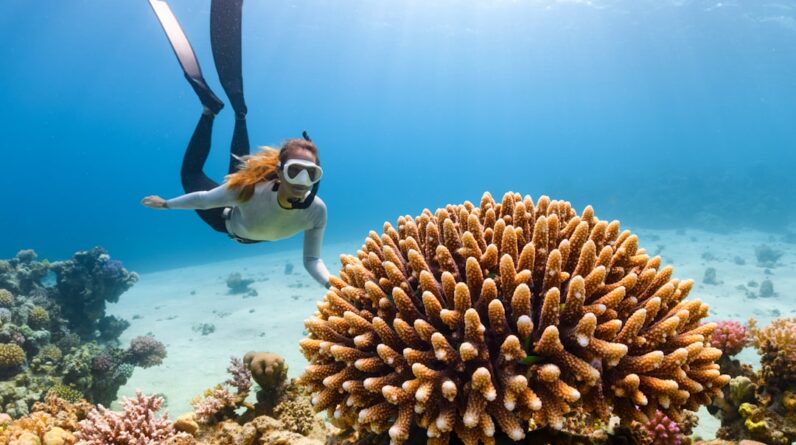
This not only disrupts the food chain but also poses significant health risks to wildlife and, ultimately, to humans who consume seafood. The consequences of plastic pollution extend beyond individual species; they ripple through entire ecosystems. Coral reefs, which are vital to marine biodiversity, suffer from the smothering effects of plastic debris.
When plastics accumulate on reefs, they can block sunlight and hinder the growth of essential algae that corals rely on for nourishment. Furthermore, the toxins released from plastics can lead to coral bleaching, a phenomenon that devastates these vibrant underwater communities. As you consider the beauty and complexity of ocean life, it becomes clear that plastic pollution is not just an aesthetic issue; it is a threat to the very fabric of marine ecosystems.
Key Takeaways
- Plastic pollution has a detrimental impact on the ocean, harming marine life and ecosystems.
- Alternatives to single-use plastics, such as reusable bags and containers, can help reduce plastic pollution.
- Sustainable fishing practices, such as using selective gear and avoiding overfishing, are crucial for preserving marine biodiversity.
- Marine protected areas play a vital role in conserving and restoring ocean ecosystems.
- Supporting ocean conservation organizations can help fund research, advocacy, and conservation efforts.
Alternatives to Single-Use Plastics
In light of the growing crisis of plastic pollution, exploring alternatives to single-use plastics is more important than ever. You may find that many everyday items can be replaced with sustainable options that reduce your environmental footprint. For instance, instead of reaching for a plastic water bottle, consider investing in a reusable stainless steel or glass bottle.
Not only do these alternatives help cut down on waste, but they also keep your beverages at the desired temperature for longer periods. Another area where you can make a significant impact is in your shopping habits. Opting for products packaged in biodegradable materials or glass instead of plastic can contribute to a reduction in plastic waste.
Many companies are now offering eco-friendly packaging solutions that are both functional and aesthetically pleasing. By choosing these alternatives, you not only support businesses that prioritize sustainability but also encourage others to follow suit. Your choices can create a ripple effect, inspiring friends and family to rethink their consumption patterns as well.
The Role of Sustainable Fishing Practices

Sustainable fishing practices play a crucial role in preserving ocean health and ensuring that marine resources are available for future generations. As you delve into this topic, you may discover that overfishing and destructive fishing methods have led to significant declines in fish populations and disrupted marine ecosystems. By supporting sustainable fishing practices, you contribute to the restoration of fish stocks and the overall balance of ocean life.
One way to engage with sustainable fishing is by choosing seafood that has been certified by organizations such as the Marine Stewardship Council (MSC) or the Aquaculture Stewardship Council (ASC). These certifications indicate that the seafood has been sourced responsibly, with minimal impact on the environment. Additionally, you can advocate for local fisheries that employ sustainable methods, such as catch-and-release practices or selective fishing techniques.
By making informed choices about the seafood you consume, you help promote a healthier ocean and support communities that prioritize ecological balance.
The Importance of Marine Protected Areas
Marine Protected Areas (MPAs) are essential for safeguarding ocean ecosystems and promoting biodiversity. As you learn about these designated regions, you may realize their significance in providing safe havens for marine life to thrive without the pressures of human activity. MPAs can help replenish fish populations, protect critical habitats like coral reefs and mangroves, and enhance resilience against climate change impacts.
You might also consider how MPAs benefit local communities economically. Healthy marine ecosystems can support sustainable tourism and fishing industries, providing livelihoods while preserving natural resources. By advocating for the establishment and expansion of MPAs, you contribute to a more sustainable future for both marine life and coastal communities.
Engaging with local conservation efforts or participating in community discussions about MPAs can amplify your voice in this vital conversation.
Supporting Ocean Conservation Organizations
Supporting ocean conservation organizations is a powerful way to contribute to the fight against plastic pollution and other threats facing our oceans. You may find that numerous organizations are dedicated to various aspects of ocean conservation, from cleaning up beaches to advocating for policy changes at the governmental level. By donating your time or resources to these organizations, you become part of a larger movement working towards a healthier ocean.
Consider volunteering for local beach clean-up events or participating in citizen science projects that monitor marine life and water quality. These hands-on experiences not only allow you to connect with like-minded individuals but also deepen your understanding of the challenges facing our oceans. Your involvement can help raise awareness within your community and inspire others to take action as well.
Educating and Engaging Communities in Ocean Conservation

Education is a powerful tool in fostering a culture of ocean conservation within your community. By sharing knowledge about the impacts of plastic pollution and the importance of sustainable practices, you can inspire others to take action. Organizing workshops or informational sessions at local schools or community centers can be an effective way to engage people of all ages in discussions about ocean health.
You might also consider leveraging social media platforms to spread awareness about ocean conservation issues. Sharing articles, infographics, or personal stories related to your experiences with marine environments can spark conversations and encourage others to reflect on their own habits. By creating a dialogue around these topics, you help cultivate a community that values and prioritizes the health of our oceans.
Advocating for Policy Changes and Legislation
Advocating for policy changes and legislation is crucial in addressing the systemic issues contributing to ocean pollution and degradation. You have the power to influence decision-makers by voicing your concerns about plastic pollution and supporting policies aimed at reducing waste and protecting marine environments. Engaging with local representatives or participating in campaigns focused on environmental legislation can amplify your impact.
Consider joining forces with advocacy groups that align with your values regarding ocean conservation. These organizations often have established networks and resources that can help you effectively communicate your message to policymakers. By working together with others who share your passion for protecting our oceans, you can create a stronger collective voice that demands meaningful change.
Taking Action in Your Everyday Life
Ultimately, taking action in your everyday life is one of the most impactful ways you can contribute to ocean conservation efforts. Small changes in your daily routine can lead to significant reductions in plastic waste and promote a more sustainable lifestyle. For instance, you might choose to carry reusable shopping bags when you go grocery shopping or opt for bulk items instead of pre-packaged goods.
Additionally, being mindful of your consumption habits extends beyond just plastics; it encompasses all aspects of your lifestyle. Supporting local businesses that prioritize sustainability, reducing energy consumption at home, and advocating for clean energy sources are all ways you can contribute positively to the environment. By embodying these values in your daily life, you not only set an example for others but also foster a deeper connection with the natural world around you.
In conclusion, addressing the challenges facing our oceans requires collective action and individual commitment. By understanding the impact of plastic pollution, exploring alternatives, supporting sustainable practices, advocating for policy changes, and engaging with your community, you play an essential role in promoting ocean conservation. Every small action counts; as you take steps towards a more sustainable lifestyle, remember that you are part of a larger movement dedicated to protecting our planet’s most precious resource—its oceans.
If you are interested in learning more about combatting global warming through massive tree planting, check out the article Combatting Global Warming by Massive Tree Planting. This article discusses the importance of planting trees as a solution to climate change and how it can have a positive impact on the environment. It complements the message of ocean conservation in “Beyond Plastic Straws: The Ultimate Guide to Meaningful Ocean Conservation” by highlighting another crucial aspect of environmental protection.
FAQs
What is ocean conservation?
Ocean conservation refers to the efforts and actions taken to protect and preserve the health and biodiversity of the world’s oceans. This includes addressing issues such as pollution, overfishing, habitat destruction, and climate change.
Why is ocean conservation important?
The oceans play a crucial role in regulating the Earth’s climate, providing food and livelihoods for millions of people, and supporting a diverse array of marine life. Conservation efforts are necessary to ensure the long-term health and sustainability of the oceans for future generations.
What are some key threats to the oceans?
Some key threats to the oceans include plastic pollution, overfishing, habitat destruction, ocean acidification, and climate change. These threats can have devastating impacts on marine ecosystems and the species that depend on them.
What are some meaningful actions individuals can take to support ocean conservation?
Individuals can support ocean conservation by reducing their use of single-use plastics, supporting sustainable seafood choices, participating in beach clean-ups, reducing carbon emissions, and supporting marine conservation organizations through donations or volunteer work.
How can businesses contribute to ocean conservation?
Businesses can contribute to ocean conservation by implementing sustainable practices, reducing plastic packaging and waste, supporting marine conservation initiatives, and investing in technologies that minimize their environmental impact on the oceans.
What are some successful examples of ocean conservation initiatives?
Successful examples of ocean conservation initiatives include the establishment of marine protected areas, the implementation of sustainable fishing practices, the development of innovative technologies to clean up ocean plastic pollution, and the promotion of eco-friendly tourism practices.