Deep ecology is a philosophical movement that advocates for the intrinsic value of all living beings, regardless of their utility to human beings. It challenges the anthropocentric worldview that places humans at the center of existence, suggesting instead that nature has its own rights and should be respected as such. As you delve into the principles of deep ecology, you may find yourself questioning the traditional hierarchies that prioritize human needs over the well-being of the environment.
This perspective encourages a profound connection with nature, urging you to recognize that all forms of life are interconnected and that the health of the planet is vital for your own survival. At its core, deep ecology promotes a radical shift in how you perceive your relationship with the natural world. It calls for a reevaluation of your values and priorities, emphasizing that ecological balance is essential for sustaining life.
By embracing this philosophy, you can cultivate a sense of responsibility towards the environment, understanding that your actions have far-reaching consequences. This awareness can inspire you to advocate for policies and practices that protect ecosystems, fostering a more harmonious coexistence with the planet.
Key Takeaways
- Deep ecology emphasizes the interconnectedness of all living beings and the importance of preserving the natural world.
- Ocean oxygen is crucial for marine life and the overall health of the ocean ecosystem.
- Anthropocentric thinking prioritizes human needs over the well-being of the environment, leading to detrimental effects on ocean oxygen levels.
- Human activities such as pollution, overfishing, and climate change are significantly impacting ocean oxygen levels.
- Embracing ecocentric perspectives involves recognizing the intrinsic value of nature and working towards sustainable coexistence with the environment.
- Solutions for preserving ocean oxygen include reducing carbon emissions, protecting marine habitats, and promoting sustainable fishing practices.
- Deep ecology and ocean oxygen are closely linked, as the principles of deep ecology advocate for the preservation of natural systems, including the ocean.
- Shifting towards a sustainable future requires a shift in mindset towards prioritizing environmental conservation and adopting eco-friendly practices.
The Importance of Ocean Oxygen
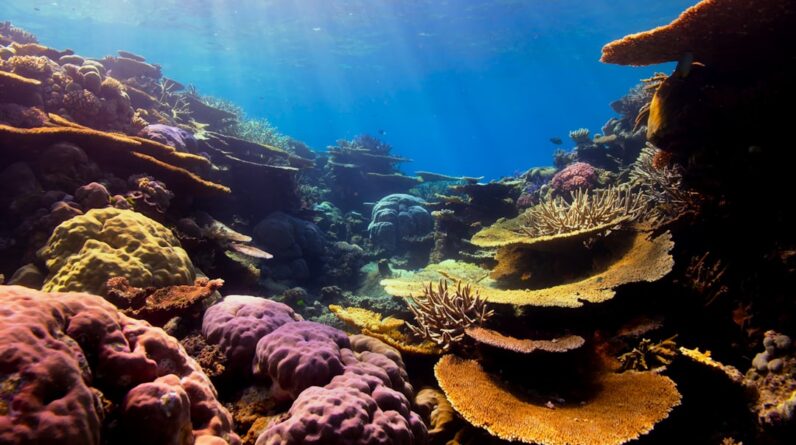
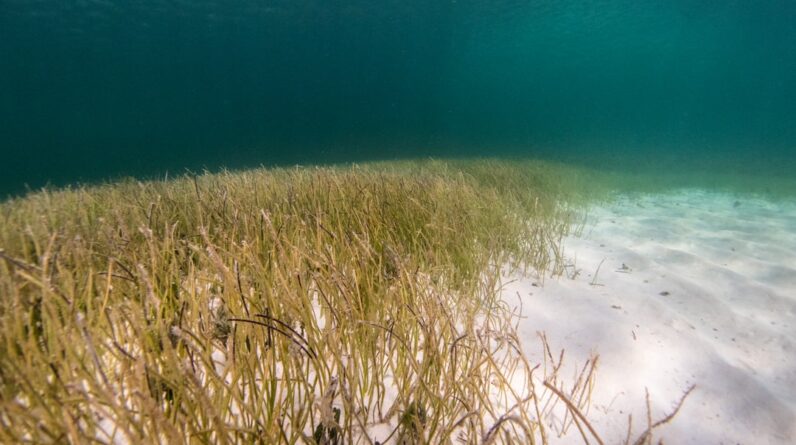
The oceans play a crucial role in producing oxygen, accounting for approximately 50% of the oxygen you breathe. Phytoplankton, tiny marine plants, are responsible for this vital process through photosynthesis. As you explore the significance of ocean oxygen, it becomes clear that the health of marine ecosystems directly impacts your own well-being.
The oceans not only provide oxygen but also regulate climate, support biodiversity, and sustain livelihoods for millions of people around the globe. Understanding this interconnectedness can deepen your appreciation for the oceans and motivate you to take action to protect them. Moreover, the importance of ocean oxygen extends beyond mere survival; it is intricately linked to the overall health of the planet.
The oceans act as a carbon sink, absorbing carbon dioxide from the atmosphere and mitigating climate change. However, as you may be aware, rising temperatures and pollution threaten this delicate balance. The degradation of marine environments can lead to decreased oxygen production, which in turn affects not only marine life but also terrestrial ecosystems.
Recognizing the oceans’ role in maintaining atmospheric oxygen levels can inspire you to advocate for sustainable practices that protect these vital resources.
The Role of Anthropocentric Thinking

Anthropocentric thinking places humans at the center of the universe, often leading to a disregard for the intrinsic value of other species and ecosystems. This mindset has historically justified exploitation and degradation of natural resources in pursuit of economic growth and development. As you reflect on this perspective, consider how it shapes your own views and actions towards the environment.
Are you prioritizing short-term gains over long-term sustainability? Understanding the implications of anthropocentrism can help you recognize the need for a paradigm shift towards more ecocentric approaches. The consequences of anthropocentric thinking are evident in various environmental crises, including climate change, habitat destruction, and biodiversity loss.
By viewing nature solely as a resource for human consumption, you may inadvertently contribute to these issues. Challenging this mindset requires a conscious effort to appreciate the interconnectedness of all life forms and to acknowledge that your well-being is tied to the health of the planet. Embracing an ecocentric perspective can empower you to make choices that prioritize ecological integrity over individual convenience.
The Impact of Human Activities on Ocean Oxygen
Human activities have significantly impacted ocean oxygen levels, primarily through pollution, overfishing, and climate change. As you consider these factors, it becomes evident that your daily choices can contribute to these larger trends. For instance, agricultural runoff containing fertilizers can lead to algal blooms that deplete oxygen in coastal waters, creating dead zones where marine life cannot survive.
By understanding how your actions influence these processes, you can begin to make more informed decisions that support ocean health. Additionally, climate change poses a severe threat to ocean oxygen levels. Rising sea temperatures can reduce the solubility of oxygen in water, while increased carbon dioxide levels lead to ocean acidification, further harming marine ecosystems.
As you reflect on these challenges, consider how collective action can address these issues. Supporting policies aimed at reducing greenhouse gas emissions and advocating for sustainable fishing practices are just a few ways you can contribute to preserving ocean oxygen levels.
Embracing Ecocentric Perspectives
Embracing ecocentric perspectives involves recognizing that all living beings have inherent value and deserve respect and protection. This shift in mindset encourages you to see yourself as part of a larger ecological community rather than as a separate entity. By fostering a sense of interconnectedness with nature, you can cultivate empathy for other species and a deeper commitment to environmental stewardship.
This perspective not only enriches your understanding of the world but also empowers you to take meaningful action in support of ecological health. As you adopt an ecocentric viewpoint, consider how it influences your daily choices and interactions with the environment. You may find yourself drawn to practices that promote sustainability, such as reducing waste, conserving water, or supporting local ecosystems.
By aligning your values with ecocentric principles, you can contribute to a more balanced relationship with nature. This shift not only benefits the environment but also enhances your own well-being by fostering a sense of purpose and connection to the world around you.
Solutions for Preserving Ocean Oxygen

Preserving ocean oxygen requires a multifaceted approach that addresses both local and global challenges. One effective solution is promoting sustainable fishing practices that minimize bycatch and protect marine habitats. By supporting fisheries that prioritize ecological health, you can help ensure that fish populations remain stable and that marine ecosystems thrive.
Additionally, advocating for marine protected areas can safeguard critical habitats from overexploitation and pollution, allowing ecosystems to recover and flourish. Another crucial solution involves reducing nutrient runoff from agricultural practices. Implementing sustainable farming techniques, such as crop rotation and organic farming, can minimize chemical inputs that contribute to algal blooms and oxygen depletion in coastal waters.
As you consider your own dietary choices, opting for locally sourced and sustainably produced foods can further support these efforts. By making conscious decisions about what you consume, you can play an active role in preserving ocean oxygen levels.
The Connection Between Deep Ecology and Ocean Oxygen
The principles of deep ecology are deeply intertwined with the health of ocean ecosystems and their ability to produce oxygen. By recognizing the intrinsic value of all life forms, deep ecology encourages you to advocate for policies that protect marine environments from degradation and exploitation. This perspective fosters a sense of responsibility towards the oceans, urging you to consider how your actions impact not only your own well-being but also the well-being of countless other species.
Moreover, deep ecology emphasizes the importance of preserving biodiversity as a means of ensuring ecological resilience. Healthy marine ecosystems are essential for maintaining oxygen levels in the oceans; thus, protecting these environments aligns with deep ecological principles. As you engage with these ideas, consider how they can inform your advocacy efforts and inspire others to join in protecting ocean health.
Shifting Towards a Sustainable Future
Shifting towards a sustainable future requires collective action and a commitment to rethinking our relationship with nature. As you reflect on your role in this transition, consider how small changes in your daily life can contribute to larger systemic shifts. Whether it’s reducing plastic consumption, supporting renewable energy initiatives, or advocating for environmental justice, every action counts in building a more sustainable world.
Ultimately, embracing deep ecology and recognizing the importance of ocean oxygen can guide you towards more responsible choices that benefit both people and the planet. By fostering a sense of interconnectedness with nature and advocating for policies that prioritize ecological health, you can play an active role in shaping a sustainable future for generations to come. Your journey towards environmental stewardship begins with awareness and intention—take those first steps today for a healthier planet tomorrow.
If you are interested in learning more about how individuals can make a positive impact on the environment, check out the article How Does Planting Trees Help the Environment? on Live Life with a Cause. This article discusses the importance of tree planting in combating climate change and preserving biodiversity. By taking action to plant trees, individuals can contribute to the health of our planet and support ecosystems that are vital for sustaining life. Embracing a mindset of environmental stewardship, as explored in the article Live Life with a Cause, can help shift our thinking beyond anthropocentrism and towards a more holistic approach to conservation. By living with purpose and aligning our actions with the well-being of the planet, we can work towards a more sustainable future for all.
FAQs
What is deep ecology?
Deep ecology is a philosophical and environmental movement that promotes the idea that all living beings have intrinsic value, independent of their usefulness to human beings. It emphasizes the interconnectedness of all life and advocates for a more holistic and sustainable approach to environmental issues.
What is the relationship between deep ecology and ocean oxygen levels?
Deep ecology recognizes the importance of healthy ecosystems, including the oceans, for the well-being of all life on Earth. Ocean oxygen levels are crucial for the survival of marine organisms, and deep ecology advocates for the protection and restoration of ocean ecosystems to maintain these oxygen levels.
How does deep ecology go beyond anthropocentric thinking?
Anthropocentric thinking places human interests and needs above those of other species and ecosystems. Deep ecology challenges this perspective by emphasizing the intrinsic value of all life forms and the interconnectedness of all living beings. It encourages a more balanced and respectful relationship between humans and the natural world.
What are the implications of declining ocean oxygen levels from a deep ecology perspective?
From a deep ecology perspective, declining ocean oxygen levels are a cause for concern as they can lead to the degradation of marine ecosystems and the loss of biodiversity. This can have far-reaching consequences for the health of the planet and all its inhabitants, including humans.
How can deep ecology principles be applied to address declining ocean oxygen levels?
Deep ecology principles can be applied to address declining ocean oxygen levels by promoting sustainable and holistic approaches to ocean conservation and management. This may include reducing pollution, protecting marine habitats, and promoting responsible fishing practices to support the health of ocean ecosystems and maintain oxygen levels.