As you step into a forest or stroll along a serene beach, you may find yourself enveloped in a symphony of sounds that define the essence of nature. The rustling of leaves, the gentle lapping of waves, and the melodic calls of birds create a rich tapestry of auditory experiences that connect you to the environment. These soundscapes are not merely background noise; they play a crucial role in the health of ecosystems and the well-being of all living beings.
The importance of nature’s soundscapes extends beyond their aesthetic appeal; they are vital indicators of ecological balance and biodiversity. Soundscapes serve as a communication network for wildlife, facilitating interactions among species and their habitats. For instance, the calls of birds can signal the presence of food or warn of predators, while the sounds of insects contribute to pollination processes.
As you immerse yourself in these natural environments, you may not realize that these sounds are essential for maintaining the delicate equilibrium of ecosystems. Understanding the significance of soundscapes can deepen your appreciation for nature and highlight the urgent need to protect these auditory landscapes from the threats posed by climate change and human activities.
Key Takeaways
- Nature’s soundscapes play a crucial role in maintaining the balance of ecosystems and are essential for the well-being of wildlife.
- Climate change is impacting wildlife and their vocalizations, leading to changes in natural soundscapes and potentially disrupting ecosystems.
- Altered soundscapes due to human activities, such as urbanization and industrialization, have negative effects on wildlife and their habitats.
- Soundscapes are important for conservation and biodiversity monitoring, providing valuable information about the health of ecosystems.
- Adapting to altered soundscapes presents both challenges and opportunities for conservation efforts, requiring innovative approaches to protect wildlife and their habitats.
The Impact of Climate Change on Wildlife and their Vocalizations
Climate change is reshaping the world as we know it, and its effects extend to the very sounds that fill our natural spaces. As temperatures rise and weather patterns shift, wildlife is forced to adapt in ways that can alter their vocalizations. You may notice that certain species are changing their calls or migrating to new areas in search of suitable habitats.
These adaptations can disrupt established communication patterns among species, leading to potential challenges in reproduction and survival. For example, some birds may begin to sing earlier in the spring due to warmer temperatures, which can lead to mismatches in breeding cycles. If you observe this phenomenon, it becomes clear that climate change is not just an abstract concept; it has tangible effects on the behaviors and interactions of wildlife.
Additionally, changes in habitat availability can lead to increased competition for resources, further complicating the dynamics of vocal communication among species. As you reflect on these changes, it becomes evident that climate change poses a significant threat to the intricate web of life that relies on sound for survival.
Changes in Natural Soundscapes and their Effects on Ecosystems
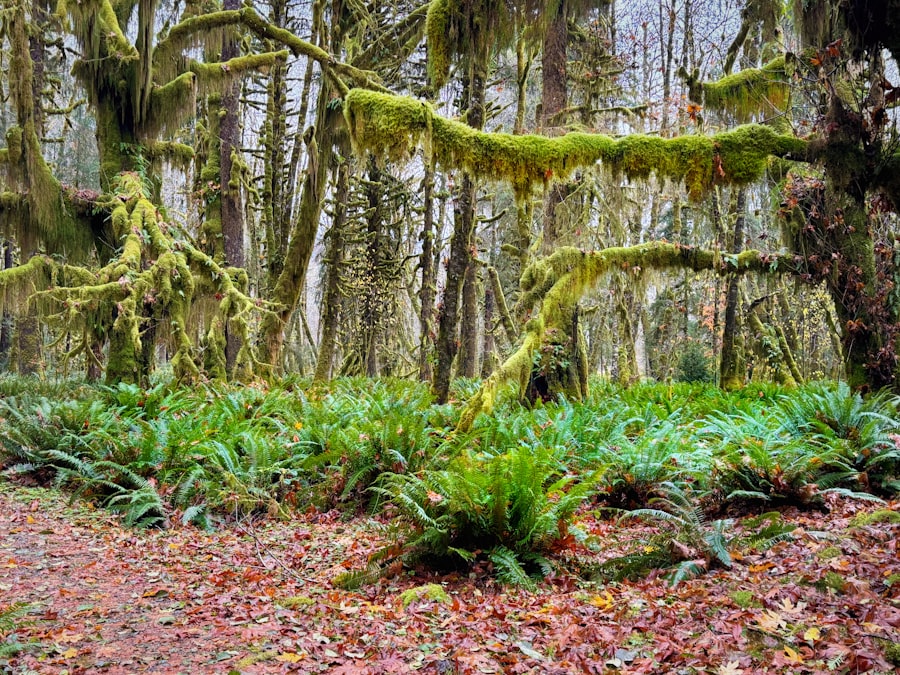
The alteration of natural soundscapes due to climate change and human activities has profound implications for ecosystems. As you listen to the sounds around you, consider how each note contributes to a larger ecological narrative. When certain species decline or disappear, their absence creates gaps in the soundscape that can disrupt the balance of interactions within an ecosystem.
For instance, if a particular bird species known for its distinct call becomes less prevalent, other species that rely on its presence may struggle to thrive. Moreover, changes in soundscapes can affect predator-prey relationships. If you think about how animals communicate through sound, it becomes clear that alterations can lead to confusion and miscommunication.
Predators may find it more challenging to locate prey if their calls are drowned out by noise pollution or if prey species change their vocalizations in response to environmental stressors. This disruption can have cascading effects throughout the food web, ultimately impacting biodiversity and ecosystem resilience.
Human Activities and their Contribution to Altered Soundscapes
Human activities are a significant driver of altered soundscapes, often overshadowing the natural symphonies that once defined our environments. As urbanization expands and industrial activities increase, you may notice a rise in noise pollution that drowns out the sounds of nature. The clamor of construction sites, traffic, and machinery can create a cacophony that disrupts wildlife communication and alters their behaviors.
This intrusion into natural soundscapes not only affects individual species but also has broader implications for ecosystem health. Additionally, habitat destruction caused by agriculture, deforestation, and urban development further exacerbates the problem. As you consider these impacts, think about how fragmented habitats can lead to isolated populations of wildlife, making it difficult for them to communicate effectively.
The loss of natural soundscapes can hinder mating rituals, territorial calls, and alarm signals, ultimately threatening the survival of various species. Recognizing the role that human activities play in altering soundscapes is essential for understanding the urgency of conservation efforts.
The Role of Soundscapes in Conservation and Biodiversity Monitoring
Soundscapes offer valuable insights into the health of ecosystems and serve as powerful tools for conservation and biodiversity monitoring. By listening to the sounds of nature, researchers can gather critical data about species presence, abundance, and behavior without disturbing their habitats. As you explore this concept, consider how acoustic monitoring can provide a non-invasive means of assessing biodiversity in various environments.
For instance, bioacoustic monitoring has been employed in rainforests to track changes in species diversity over time. By analyzing recordings of animal vocalizations, scientists can identify shifts in populations and detect early signs of ecological distress. This approach allows for timely interventions to protect vulnerable species and habitats.
As you reflect on the potential of soundscapes in conservation efforts, it becomes clear that preserving these auditory environments is essential for maintaining biodiversity and ensuring the resilience of ecosystems.
Adapting to Altered Soundscapes: Challenges and Opportunities

The Struggle for Wildlife Adaptation
One significant challenge is the need for wildlife to adapt to new auditory environments created by human activities and climate change. Species that rely heavily on vocal communication may struggle to adjust if their calls are masked by noise pollution or if their habitats are fragmented.
Innovative Conservation Strategies
However, this situation also presents opportunities for innovation in conservation strategies. For example, researchers are exploring ways to use technology to mitigate the impacts of noise pollution on wildlife. Sound barriers or acoustic shields could be implemented in areas where human activity is prevalent, allowing wildlife to communicate more effectively.
Community Engagement and Awareness
Additionally, community engagement initiatives can raise awareness about the importance of preserving natural soundscapes and encourage individuals to take action in their local environments.
Preserving and Restoring Natural Soundscapes in the Face of Climate Change
Preserving and restoring natural soundscapes is crucial for maintaining ecological integrity in an era marked by climate change and human encroachment. As you contemplate this task, consider how restoration efforts can be designed to enhance both biodiversity and auditory experiences. Reforestation projects, wetland restoration, and habitat protection initiatives can all contribute to revitalizing soundscapes by providing suitable environments for wildlife to thrive.
Moreover, engaging local communities in conservation efforts can foster a sense of stewardship over natural soundscapes. By promoting awareness about the significance of these auditory environments, individuals can become advocates for preserving them. Educational programs that highlight the connections between soundscapes and ecosystem health can inspire action at both local and global levels.
As you reflect on these possibilities, it becomes clear that collective efforts are essential for safeguarding nature’s soundscapes against the challenges posed by climate change.
The Need for Action to Protect Nature’s Soundscapes
In conclusion, the importance of nature’s soundscapes cannot be overstated; they are integral to the health of ecosystems and the survival of countless species. As you consider the impacts of climate change and human activities on these auditory environments, it becomes evident that immediate action is necessary to protect them. By recognizing the value of soundscapes in conservation efforts and biodiversity monitoring, you can contribute to a broader movement aimed at preserving our planet’s natural heritage.
The challenges posed by altered soundscapes are significant, but they also present opportunities for innovation and collaboration among individuals, communities, and organizations dedicated to environmental stewardship. By advocating for policies that prioritize habitat protection and restoration while raising awareness about the importance of soundscapes, you can play a vital role in ensuring that future generations inherit a world rich in both visual beauty and auditory wonder. The time for action is now; together, we can protect nature’s soundscapes for years to come.
The Sound of Silence: How Climate Change is Altering Nature’s Soundscapes discusses the impact of global warming on the sounds of nature. To further explore the connection between climate change and the environment, check out How Can Trees Save the Earth from Global Warming?. This article delves into the crucial role that trees play in mitigating the effects of climate change and preserving our planet’s natural beauty. By understanding the importance of reforestation and sustainable practices, we can work towards creating a healthier environment for future generations.
FAQs
What are nature’s soundscapes?
Nature’s soundscapes refer to the collection of sounds produced by natural elements such as wildlife, wind, water, and other environmental factors. These sounds create a unique auditory environment that contributes to the overall experience of being in nature.
How is climate change altering nature’s soundscapes?
Climate change is altering nature’s soundscapes in several ways. Rising temperatures can affect the behavior and distribution of wildlife, leading to changes in the sounds they produce. Additionally, changes in precipitation patterns and the melting of ice can alter the sounds of water and wind in natural environments.
What are some examples of how climate change is impacting nature’s soundscapes?
Some examples of how climate change is impacting nature’s soundscapes include shifts in the timing of bird migrations, changes in the frequency and intensity of animal calls, and alterations in the sounds of flowing water due to changes in precipitation patterns and glacial melt.
Why is it important to study the impact of climate change on nature’s soundscapes?
Studying the impact of climate change on nature’s soundscapes is important because it provides valuable insights into the broader ecological effects of climate change. Changes in natural soundscapes can serve as early indicators of environmental shifts and can also affect the well-being of wildlife and human communities that rely on natural sound environments.
What can be done to mitigate the impact of climate change on nature’s soundscapes?
Mitigating the impact of climate change on nature’s soundscapes requires comprehensive efforts to reduce greenhouse gas emissions and limit global temperature rise. Additionally, conservation and restoration efforts aimed at preserving natural habitats and protecting wildlife can help maintain the integrity of nature’s soundscapes.