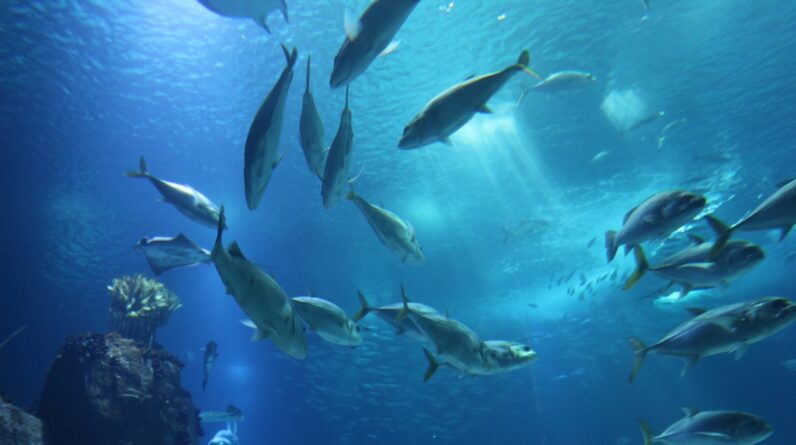
Deforestation is a pressing issue that has far-reaching consequences for wildlife across the globe. As you delve into the heart of this crisis, you will discover that the destruction of forests leads to the loss of habitat for countless species. When trees are cut down or burned, the intricate ecosystems that support various forms of life are disrupted.
Animals that once thrived in these environments find themselves without shelter, food, or breeding grounds. This loss of habitat can lead to a decline in animal populations, pushing many species closer to extinction. Moreover, deforestation contributes to fragmentation of habitats, which isolates animal populations and makes it difficult for them to find mates or migrate in search of food.
You may find it alarming that species such as orangutans and tigers are particularly vulnerable to these changes. As their habitats shrink, they are forced into smaller areas where competition for resources becomes fierce. This not only threatens their survival but also disrupts the delicate balance of the ecosystem, leading to further declines in biodiversity.
The impact of deforestation is not just a local issue; it reverberates through entire ecosystems, affecting everything from soil health to climate stability.
Key Takeaways
- Deforestation has a significant negative impact on wildlife, leading to habitat loss, fragmentation, and decreased biodiversity.
- Reforestation efforts have led to success stories of animals thriving in reforested areas, showing the potential for habitat restoration and species recovery.
- Reforestation plays a crucial role in saving endangered species by providing them with restored habitats and increased resources for survival.
- Reforestation efforts are restoring habitats for wildlife by planting native tree species, creating wildlife corridors, and promoting ecosystem regeneration.
- Challenges and obstacles in reforestation for the benefit of wildlife include funding, land use conflicts, and the need for long-term monitoring and maintenance of reforested areas.
- Community involvement in reforestation projects is crucial for their success, as it fosters local support, knowledge sharing, and sustainable land management practices.
- Reforestation has the potential to save more wildlife in the future by expanding reforestation efforts, implementing conservation policies, and promoting sustainable land use practices.
- Continued efforts in reforestation are needed for the survival of wildlife, as ongoing habitat loss and degradation continue to threaten many species.
Success Stories: Animals Thriving in Reforested Areas
Despite the grim realities of deforestation, there are inspiring success stories that highlight the resilience of wildlife when given a chance to recover. In various parts of the world, reforestation efforts have led to remarkable rebounds in animal populations. For instance, you might be intrigued by the case of the Atlantic Forest in Brazil, where dedicated conservationists have worked tirelessly to restore native tree species.
As a result, animals such as the golden lion tamarin have seen their numbers increase significantly. This small primate, once on the brink of extinction, has found new hope in the reestablished forests. Another compelling example is found in the reforested areas of Rwanda, where mountain gorillas have flourished thanks to concerted conservation efforts.
You can see how these initiatives not only restore habitats but also create a sense of community around wildlife preservation. Local people have become stewards of their environment, recognizing that healthy ecosystems can lead to sustainable livelihoods through ecotourism and other ventures. These success stories serve as powerful reminders that with commitment and collaboration, it is possible to reverse some of the damage caused by deforestation and allow wildlife to thrive once more.
The Role of Reforestation in Saving Endangered Species
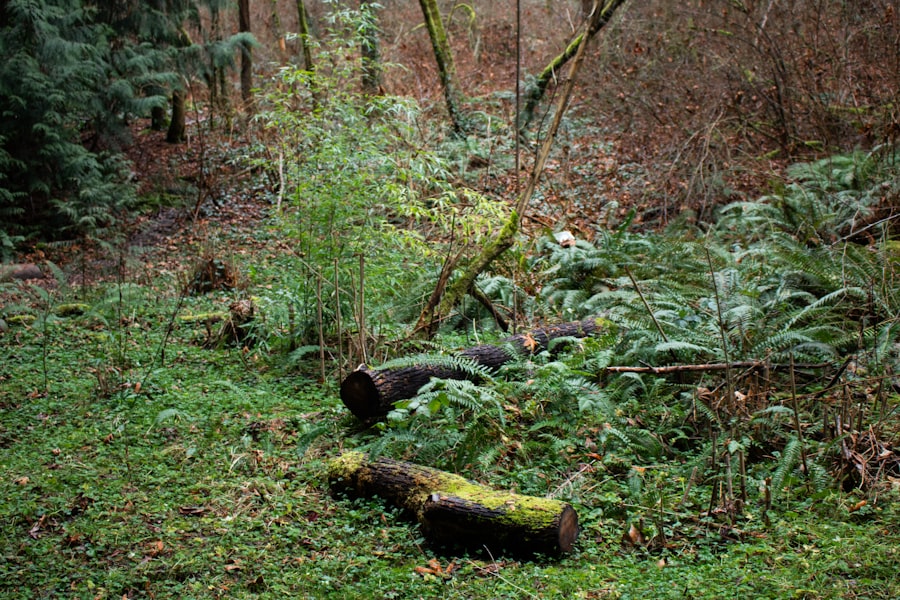
Reforestation plays a crucial role in the conservation of endangered species, acting as a lifeline for those on the brink of extinction. When you consider the plight of species like the Sumatran tiger or the Javan rhinoceros, it becomes clear that restoring their natural habitats is essential for their survival. Reforestation efforts not only provide these animals with the space they need to roam and hunt but also help restore the complex food webs that sustain them.
By planting native trees and restoring vegetation, you contribute to creating a more balanced ecosystem where these species can thrive. Furthermore, reforestation initiatives often involve protecting existing wildlife corridors that allow animals to migrate between different habitats. This connectivity is vital for genetic diversity and overall population health.
As you explore various reforestation projects around the world, you will find that many are designed with specific endangered species in mind. By focusing on these vulnerable populations, conservationists can tailor their efforts to meet the unique needs of each species, ensuring that they have a fighting chance against extinction.
How Reforestation Efforts are Restoring Habitats for Wildlife
The process of reforestation is not merely about planting trees; it encompasses a holistic approach to restoring entire ecosystems. When you engage with reforestation projects, you will notice that they often involve restoring soil health, improving water quality, and enhancing biodiversity. By reintroducing native plant species, these efforts create a more suitable environment for wildlife to return and flourish.
You may be surprised to learn that even small-scale reforestation projects can have significant impacts on local wildlife populations. As you witness these restoration efforts firsthand, you will see how they create a ripple effect throughout the ecosystem. For example, as trees grow and mature, they provide shade and shelter for various animal species while also improving soil quality through leaf litter and root systems.
This creates a more hospitable environment for insects, birds, and mammals alike. The return of these animals can further enhance the ecosystem by promoting pollination and seed dispersal, ultimately leading to a more resilient and thriving habitat.
Challenges and Obstacles in Reforestation for the Benefit of Wildlife
While reforestation holds immense potential for restoring wildlife habitats, it is not without its challenges. As you explore this field, you will encounter various obstacles that can hinder progress. One significant challenge is securing funding and resources for large-scale reforestation projects.
Many initiatives rely on donations or government support, which can be inconsistent or insufficient. Without adequate funding, it becomes difficult to implement comprehensive plans that address both tree planting and ongoing maintenance. Additionally, you may find that land use conflicts pose another significant barrier to successful reforestation efforts.
In many regions, agricultural expansion or urban development takes precedence over conservation initiatives. This competition for land can lead to tensions between local communities and conservationists. To overcome these challenges, it is essential to foster collaboration between stakeholders, including governments, NGOs, and local communities.
By working together and finding common ground, it is possible to create sustainable solutions that benefit both wildlife and human populations.
The Importance of Community Involvement in Reforestation Projects
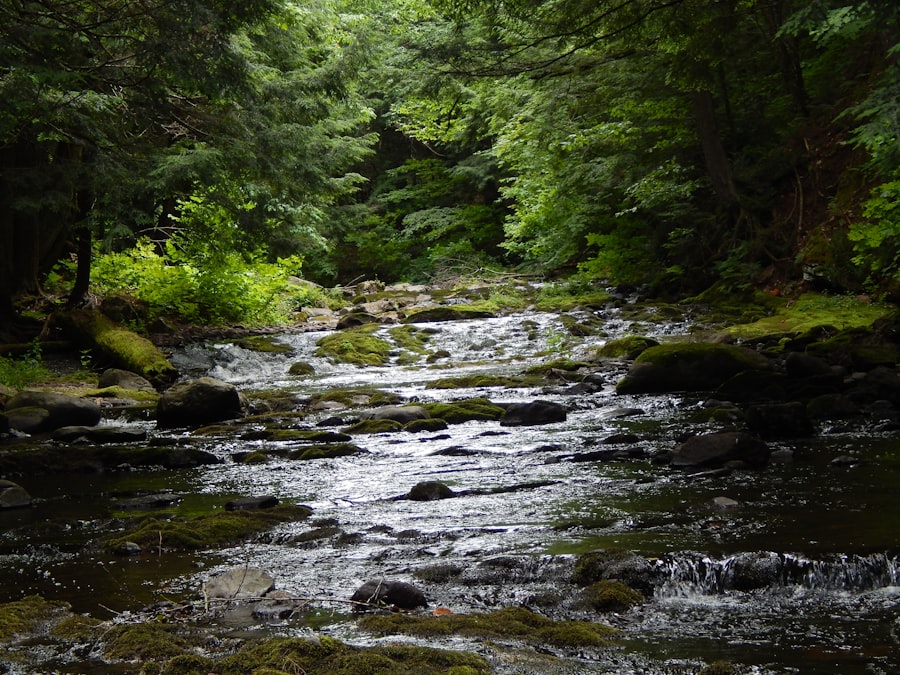
Community involvement is a cornerstone of successful reforestation projects aimed at benefiting wildlife. When local people are engaged in conservation efforts, they become invested in the health of their environment and its inhabitants. You will find that many successful initiatives prioritize education and outreach programs that empower communities to take an active role in reforestation efforts.
By fostering a sense of ownership over local ecosystems, individuals are more likely to support sustainable practices that protect wildlife. Moreover, community involvement can lead to innovative solutions tailored to local needs and conditions. As you observe various projects around the world, you will see how local knowledge and traditions can inform reforestation strategies.
For instance, indigenous communities often possess valuable insights into native plant species and traditional land management practices that can enhance restoration efforts. By integrating this knowledge into reforestation initiatives, you can help ensure that projects are not only ecologically sound but also culturally relevant.
Future Prospects: The Potential for Reforestation to Save More Wildlife
Looking ahead, the potential for reforestation to save more wildlife is both promising and exciting. As awareness of environmental issues grows, so does support for reforestation initiatives worldwide. You may be encouraged by the increasing number of organizations dedicated to restoring forests and protecting endangered species.
With advancements in technology and research, we now have better tools at our disposal for monitoring ecosystems and assessing the effectiveness of restoration efforts. Furthermore, as global conversations around climate change intensify, reforestation is gaining recognition as a vital strategy for mitigating its impacts. You might find it inspiring that many countries are committing to ambitious reforestation goals as part of their climate action plans.
This shift not only benefits wildlife but also contributes to broader environmental health by sequestering carbon dioxide and improving air quality. The future holds great promise for reforestation as a means of preserving biodiversity and ensuring a sustainable planet for generations to come.
The Need for Continued Efforts in Reforestation for the Survival of Wildlife
Despite the progress made in reforestation efforts thus far, there remains an urgent need for continued action to ensure the survival of wildlife. As you reflect on this issue, consider how ongoing deforestation continues to threaten ecosystems around the world. The fight against climate change and habitat loss requires sustained commitment from individuals, organizations, and governments alike.
You have an important role to play in advocating for policies that support reforestation and wildlife conservation. Moreover, raising awareness about the importance of biodiversity can inspire others to join the cause. By sharing success stories and highlighting the interconnectedness of all living beings, you can help foster a culture of conservation within your community.
Every small action counts—whether it’s participating in local tree-planting events or supporting organizations dedicated to wildlife preservation. The future of our planet’s wildlife depends on our collective efforts today; your involvement can make a significant difference in ensuring a thriving ecosystem for generations to come.
In a related article on Stop Forest Burning: Save Trees and Animals, the importance of preventing forest fires and preserving natural habitats for wildlife is highlighted. The article emphasizes the devastating impact that forest fires can have on both trees and animals, underscoring the urgent need for conservation efforts such as reforestation. By stopping forest burning and promoting the growth of new trees, we can create a safer and healthier environment for wildlife to thrive in.
FAQs
What is reforestation?
Reforestation is the process of restoring and replanting forests that have been depleted or destroyed, with the goal of creating a healthy and sustainable ecosystem.
How does reforestation benefit wildlife?
Reforestation provides habitat for a wide variety of wildlife, including animals that may have been displaced or endangered due to deforestation. It also helps to restore balance to ecosystems and provide food and shelter for many species.
Which animals have benefited from reforestation efforts?
Many animals have benefited from reforestation efforts, including species such as the red-cockaded woodpecker, the black bear, the gray wolf, and the northern spotted owl. These animals have seen their populations increase as a result of reforestation efforts.
How does reforestation help to combat climate change?
Reforestation helps to combat climate change by absorbing carbon dioxide from the atmosphere and storing it in trees and soil. This helps to reduce the amount of greenhouse gases in the atmosphere, which in turn helps to mitigate the effects of climate change.
What are some challenges to reforestation efforts?
Challenges to reforestation efforts include finding suitable land for planting, securing funding for large-scale projects, and ensuring that the newly planted trees are able to survive and thrive in their new environment. Additionally, invasive species and natural disasters can pose threats to reforestation efforts.