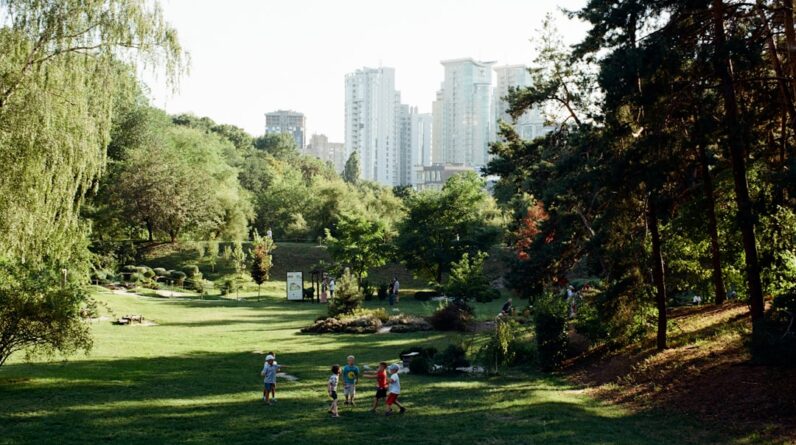
Urban forests play a crucial role in safeguarding water resources, acting as natural filters that enhance the quality of water in metropolitan areas. As you navigate through cities, you may not immediately recognize the significance of trees and green spaces, but they are vital components of urban ecosystems. These forests help to absorb rainfall, reduce runoff, and mitigate the effects of pollution.
By capturing rainwater and allowing it to percolate into the ground, urban forests replenish groundwater supplies and maintain the hydrological balance essential for both human and ecological health. Moreover, urban forests contribute to the overall resilience of cities against climate change. As extreme weather events become more frequent, the ability of urban forests to manage water becomes increasingly important.
They provide a buffer against flooding by slowing down the flow of stormwater and reducing the risk of erosion. When you consider the interconnectedness of urban environments, it becomes clear that investing in urban forests is not just about aesthetics; it is about ensuring sustainable water management practices that benefit communities and ecosystems alike.
Key Takeaways
- Urban forests play a crucial role in protecting water sources by reducing runoff and filtering pollutants.
- Investing in urban forests can lead to economic benefits such as increased property values and reduced infrastructure costs.
- Urban forests help improve water quality by capturing and storing pollutants, preventing them from entering water bodies.
- Urban forests can effectively manage stormwater by reducing peak flows and minimizing erosion.
- Urbanization has a significant impact on water resources, leading to increased runoff and decreased water quality.
- Cities like Portland and Seattle have successfully invested in urban forests to protect water sources and improve water quality.
- Challenges to investing in urban forests for water protection include limited funding and competing land use priorities.
- The future of urban forests and water protection in cities depends on proactive planning and collaboration among stakeholders.
Economic Benefits of Investing in Urban Forests
Investing in urban forests yields significant economic benefits that extend beyond environmental protection. When you think about urban greenery, consider how it can enhance property values. Studies have shown that homes located near well-maintained parks and tree-lined streets often command higher prices.
This increase in property value translates into higher tax revenues for municipalities, which can be reinvested into community services and infrastructure. By prioritizing urban forestry, cities can create a more attractive living environment that draws in residents and businesses alike. Additionally, urban forests can lead to substantial savings in infrastructure costs.
By reducing stormwater runoff and improving water quality, cities can decrease the need for expensive water treatment facilities and flood management systems. You may find it surprising that every dollar spent on urban forestry can yield multiple returns in terms of reduced flooding costs, lower energy bills due to shade provision, and improved public health outcomes. The economic rationale for investing in urban forests is compelling; it is an investment in both the present and future prosperity of urban areas.
The Role of Urban Forests in Water Quality Improvement
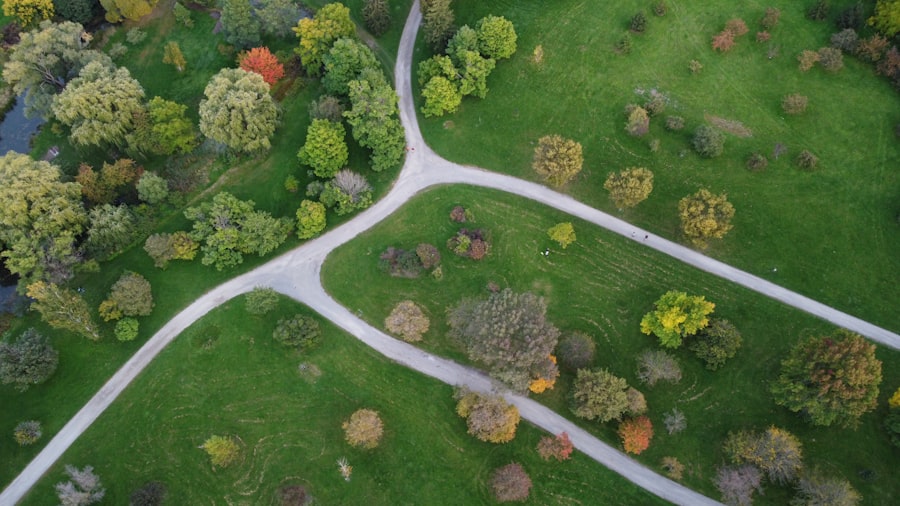
Urban forests serve as natural water filtration systems, playing a pivotal role in improving water quality. As rainwater flows over impervious surfaces like roads and sidewalks, it picks up pollutants such as oils, heavy metals, and debris. However, when this water encounters trees and vegetation, the natural processes at work help to filter out these contaminants.
The roots of trees absorb nutrients and pollutants, while leaves and branches capture particulate matter from the air and rainwater. This process not only cleanses the water but also contributes to healthier aquatic ecosystems. Furthermore, the presence of urban forests can significantly reduce the levels of harmful substances entering local waterways.
When you consider how much stormwater runoff can affect rivers, lakes, and streams, it becomes evident that trees are essential allies in maintaining clean water sources. By investing in urban forestry initiatives, cities can enhance their water quality management strategies, ensuring that both residents and wildlife benefit from cleaner, healthier water.
Urban Forests as a Tool for Managing Stormwater
Stormwater management is a pressing issue for many urban areas, particularly as climate change leads to more intense rainfall events. Urban forests provide a natural solution to this challenge by absorbing and managing stormwater effectively. When you walk through a city park after a rainstorm, you may notice how the ground seems to soak up the water rather than allowing it to pool or flood nearby streets.
This is thanks to the intricate root systems of trees that create spaces in the soil for water infiltration. Moreover, urban forests can be strategically designed to enhance their stormwater management capabilities. You might encounter bioswales or rain gardens—landscaped areas designed to capture and filter stormwater runoff—integrated into urban green spaces.
These features not only beautify neighborhoods but also serve a functional purpose by directing excess water away from impervious surfaces and into areas where it can be absorbed naturally. By leveraging the power of trees and vegetation, cities can create more resilient landscapes that effectively manage stormwater while providing recreational opportunities for residents.
The Impact of Urbanization on Water Resources
Urbanization has profound implications for water resources, often leading to increased demand and decreased quality. As cities expand, natural landscapes are replaced with concrete and asphalt, disrupting the natural hydrological cycle. You may have noticed how urban areas tend to experience more flooding compared to rural regions; this is largely due to the prevalence of impervious surfaces that prevent water from being absorbed into the ground.
The result is increased runoff that carries pollutants into waterways, degrading water quality and harming aquatic life. Additionally, urbanization can strain existing water supply systems as populations grow and demand for clean water rises. This situation creates a pressing need for innovative solutions to manage water resources sustainably.
Urban forests offer a viable path forward by enhancing groundwater recharge and improving surface water quality. By recognizing the impact of urbanization on water resources, you can appreciate the importance of integrating green infrastructure into city planning as a means to mitigate these challenges.
Successful Examples of Cities Investing in Urban Forests for Water Protection
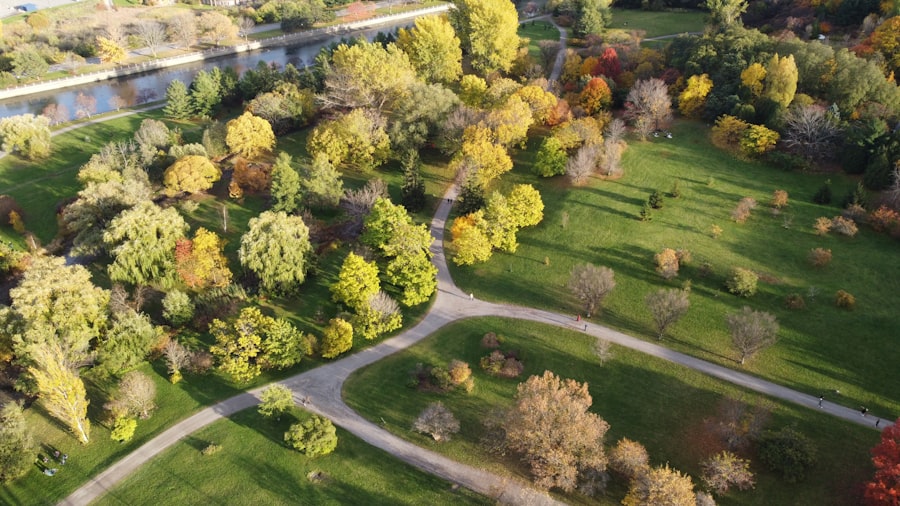
Several cities around the world have successfully implemented urban forestry initiatives that prioritize water protection, serving as inspiring examples for others to follow. For instance, New York City has invested heavily in its urban forest through programs like MillionTreesNYC, which aims to plant one million trees across the five boroughs. This initiative not only enhances green space but also plays a critical role in managing stormwater runoff and improving water quality in local waterways.
Similarly, Portland, Oregon has embraced urban forestry as part of its comprehensive approach to sustainable city planning. The city has developed an extensive tree canopy program that focuses on increasing tree cover in underserved neighborhoods while also addressing stormwater management challenges. By integrating trees into their infrastructure planning, Portland has demonstrated how urban forests can be leveraged as effective tools for protecting water resources while enhancing community well-being.
Challenges and Barriers to Investing in Urban Forests for Water Protection
Despite the numerous benefits associated with urban forests, several challenges hinder their widespread implementation for water protection. One significant barrier is funding; many municipalities struggle to allocate sufficient resources for tree planting and maintenance programs. You may find it disheartening that budget constraints often lead to prioritizing immediate infrastructure needs over long-term investments in green spaces.
This short-sighted approach can undermine efforts to create sustainable urban environments. Another challenge lies in public perception and awareness. Many residents may not fully understand the importance of urban forests or may view them as mere aesthetic enhancements rather than essential components of water management systems.
Educating communities about the benefits of trees—such as their role in improving air quality, reducing heat islands, and managing stormwater—is crucial for garnering support for urban forestry initiatives. Overcoming these barriers requires collaboration among stakeholders, including government agencies, non-profit organizations, and community members.
The Future of Urban Forests and Water Protection in Cities
Looking ahead, the future of urban forests as a tool for water protection appears promising but requires concerted efforts from all sectors of society. As climate change continues to pose challenges for urban areas, integrating green infrastructure into city planning will become increasingly vital. You can play a role in advocating for policies that prioritize tree planting and maintenance as part of comprehensive water management strategies.
Moreover, technological advancements offer new opportunities for enhancing urban forestry initiatives. Innovations such as remote sensing technology can help cities assess tree canopy cover and monitor changes over time, enabling more effective planning and resource allocation. By embracing these tools and fostering community engagement around urban forestry efforts, cities can build resilient landscapes that protect water resources while enhancing quality of life for residents.
In conclusion, investing in urban forests is not merely an environmental concern; it is an essential strategy for ensuring sustainable water management in cities. As you reflect on the importance of green spaces within your community, consider how they contribute to cleaner water, improved public health, and economic vitality. By championing urban forestry initiatives today, you can help pave the way for healthier cities tomorrow—where trees thrive alongside people and where clean water is accessible to all.
Cities are increasingly recognizing the importance of investing in forests to protect their water sources. This is evident in a related article discussing the negative impacts of planting trees on the environment. The article highlights the importance of planting the right trees in the right places to avoid unintended consequences. To learn more about how trees can save the Earth from global warming and why it is crucial to live life with a cause, check out this article.
FAQs
Why are cities investing in forests to protect their water?
Cities are investing in forests to protect their water because forests act as natural filters, helping to purify and regulate water sources. By maintaining healthy forests, cities can reduce the need for costly water treatment infrastructure and ensure a clean and reliable water supply for their residents.
How do forests protect water sources?
Forests protect water sources by capturing and filtering rainwater, reducing erosion and sedimentation, and regulating the flow of water into streams and rivers. This helps to maintain water quality and quantity, which is essential for the health and well-being of urban populations.
What are some of the specific benefits of investing in forests for water protection?
Some specific benefits of investing in forests for water protection include improved water quality, reduced treatment costs, increased water availability, and enhanced resilience to extreme weather events such as floods and droughts. Additionally, forests provide habitat for wildlife and recreational opportunities for residents.
How do cities invest in forests for water protection?
Cities can invest in forests for water protection through various means, such as land conservation and reforestation efforts, sustainable forest management practices, and partnerships with local and regional stakeholders. These investments can help to ensure the long-term health and sustainability of water resources for urban areas.
Are there any successful examples of cities investing in forests for water protection?
Yes, there are several successful examples of cities investing in forests for water protection. For instance, New York City has implemented a watershed protection program that focuses on land conservation and sustainable forest management to safeguard its drinking water supply. Similarly, cities in countries like Brazil and Costa Rica have implemented payment for ecosystem services programs to protect and restore forests for water conservation.