As you navigate the complexities of environmental challenges, one issue that stands out is water scarcity. This pressing concern affects millions globally, leading to conflicts, health crises, and economic instability. Reforestation emerges as a powerful tool in combating this issue.
By restoring forests, you not only enhance biodiversity but also create a natural buffer against the depletion of water resources. The act of planting trees can significantly influence local climates, improve soil health, and ultimately lead to a more sustainable water supply. When you consider the interconnectedness of ecosystems, it becomes clear that reforestation plays a vital role in water scarcity mitigation.
Forests act as natural sponges, absorbing rainfall and releasing it slowly into rivers and aquifers. This process helps maintain a steady flow of water, even during dry seasons. By investing in reforestation initiatives, you contribute to a long-term solution that addresses both the symptoms and root causes of water scarcity.
The benefits extend beyond immediate water availability; they also foster resilience in communities that depend on these resources for agriculture, drinking water, and sanitation.
Key Takeaways
- Reforestation plays a crucial role in mitigating water scarcity by increasing water retention in soil and reducing surface runoff.
- Trees help regulate the water cycle by absorbing and releasing water through transpiration, which contributes to the overall moisture in the atmosphere.
- Deforestation has a significant impact on water resources, leading to decreased groundwater recharge, increased soil erosion, and disrupted water flow in rivers and streams.
- Reforestation projects around the world have shown promising results in restoring degraded landscapes, improving water availability, and enhancing biodiversity.
- Reforestation plays a vital role in improving water quality by reducing sedimentation, filtering pollutants, and stabilizing riverbanks, ultimately benefiting both ecosystems and communities.
How Trees Help Regulate the Water Cycle
Trees are remarkable organisms that play a crucial role in regulating the water cycle. When you think about how trees interact with their environment, consider their ability to absorb water through their roots and release it into the atmosphere through a process called transpiration. This natural phenomenon not only contributes to local humidity but also influences weather patterns.
As trees release moisture into the air, they help create clouds and precipitation, which are essential for replenishing water sources. Moreover, the presence of trees can significantly reduce surface runoff during heavy rainfall. When rain falls on a forested area, the tree canopy intercepts much of it, allowing water to drip slowly to the ground rather than rushing off into streams and rivers.
This slow infiltration helps recharge groundwater supplies and reduces the risk of flooding. By understanding these processes, you can appreciate how vital trees are in maintaining a balanced water cycle and ensuring that communities have access to clean and reliable water sources.
The Impact of Deforestation on Water Resources
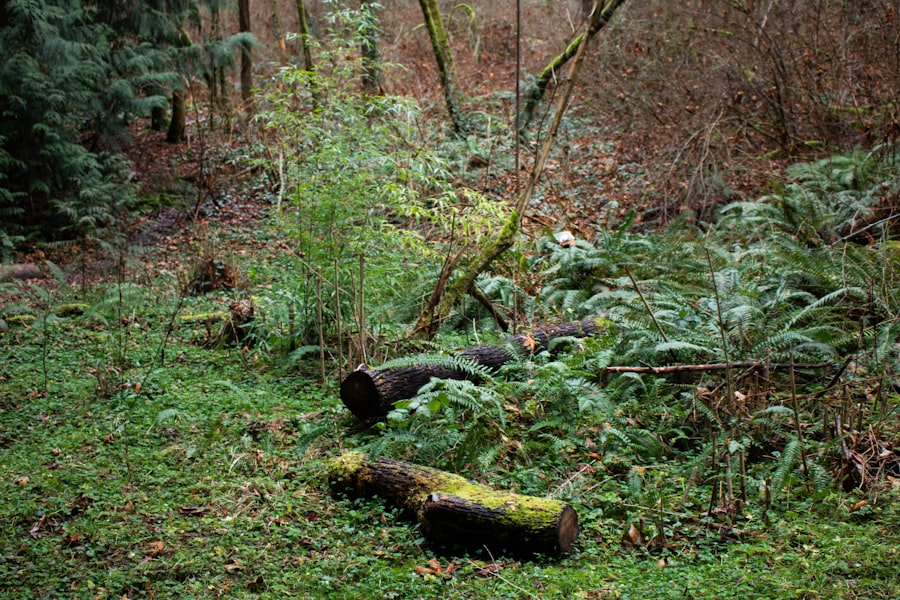
Deforestation poses a significant threat to water resources worldwide. As you observe the rapid loss of forests due to logging, agriculture, and urbanization, it becomes evident that these actions have dire consequences for water availability. When trees are removed from an area, the natural processes that regulate the water cycle are disrupted.
Without trees to absorb rainfall and release moisture back into the atmosphere, you may witness increased runoff and reduced groundwater recharge. The consequences of deforestation extend beyond immediate water scarcity; they also lead to soil erosion and degradation. When tree roots are no longer present to anchor the soil, heavy rains can wash away topsoil, which is essential for agriculture and maintaining healthy ecosystems.
This erosion not only diminishes land productivity but also contributes to sedimentation in rivers and lakes, further degrading water quality. By recognizing the impact of deforestation on water resources, you can better understand the urgency of reforestation efforts in mitigating these effects.
Reforestation Projects Around the World
Across the globe, numerous reforestation projects are making strides in restoring ecosystems and addressing water scarcity. In countries like Ethiopia, ambitious initiatives have been launched to plant millions of trees as part of a national effort to combat climate change and improve water availability. These projects not only focus on tree planting but also involve community engagement and education to ensure long-term sustainability.
In addition to large-scale government initiatives, grassroots organizations are also playing a pivotal role in reforestation efforts. For instance, in Brazil’s Atlantic Forest region, local communities are working together to restore native vegetation while simultaneously improving their access to clean water. These projects often incorporate agroforestry practices that allow for sustainable agriculture alongside forest restoration.
By exploring these diverse reforestation projects, you can see how different approaches can be tailored to local needs while contributing to global efforts in combating water scarcity.
The Role of Reforestation in Improving Water Quality
Reforestation is not just about increasing the quantity of water; it also plays a critical role in enhancing water quality. When you think about how forests interact with waterways, consider that trees act as natural filters for pollutants. As rainwater flows through forested areas, it passes through layers of soil and organic matter that trap sediments and contaminants.
This natural filtration process helps ensure that the water reaching rivers and lakes is cleaner and safer for consumption. Furthermore, reforested areas can help mitigate the effects of agricultural runoff, which often contains harmful chemicals like fertilizers and pesticides. By restoring vegetation along riverbanks and watersheds, you create buffer zones that absorb excess nutrients before they enter waterways.
This not only protects aquatic ecosystems but also improves the overall health of drinking water supplies for nearby communities. By understanding the multifaceted benefits of reforestation on water quality, you can appreciate its importance in creating healthier environments for both people and wildlife.
Community Engagement in Reforestation Efforts
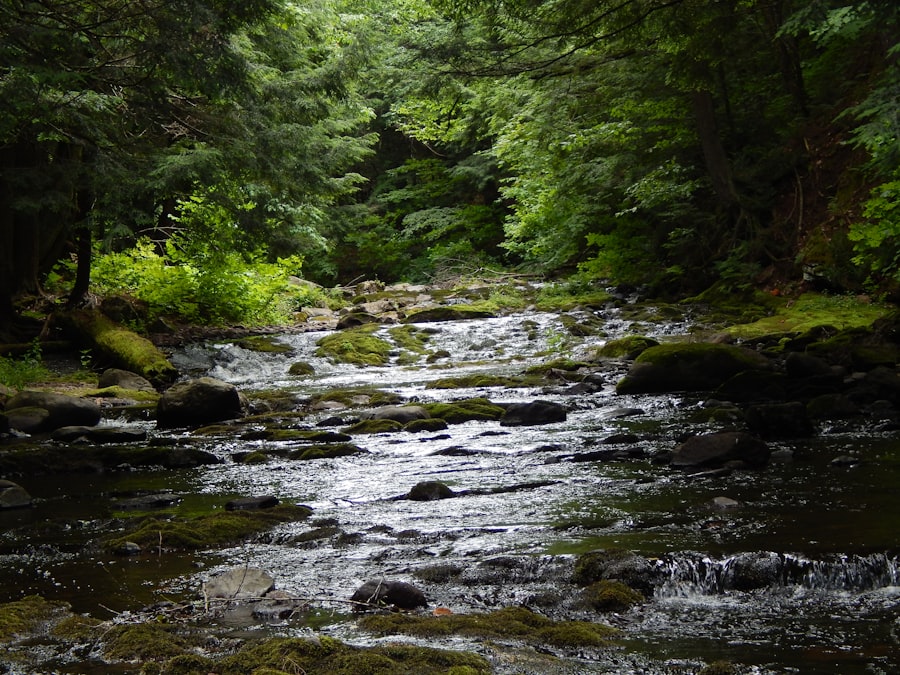
Community engagement is essential for the success of reforestation initiatives. When you involve local populations in tree planting and forest management activities, you foster a sense of ownership and responsibility towards the environment. This participatory approach not only enhances the effectiveness of reforestation projects but also empowers communities to take charge of their natural resources.
In many regions, community-led reforestation efforts have proven successful in restoring degraded lands while providing economic benefits through sustainable practices. For example, agroforestry systems that integrate tree planting with crop production can improve food security while enhancing biodiversity. By engaging with local communities, you can help create sustainable livelihoods that rely on healthy ecosystems rather than depleting them.
This collaborative approach ensures that reforestation efforts are not just temporary fixes but rather long-term solutions that benefit both people and nature.
Government Policies and Incentives for Reforestation
Government policies play a crucial role in promoting reforestation efforts at both national and local levels. As you explore various strategies implemented worldwide, you’ll find that many countries have established incentives for landowners and businesses to engage in reforestation activities. These incentives can take various forms, including tax breaks, grants, or technical assistance for sustainable land management practices.
In addition to financial incentives, governments can also implement regulations that protect existing forests while promoting restoration efforts. For instance, policies that limit deforestation or encourage sustainable forestry practices can create an environment where reforestation becomes a viable option for landowners. By advocating for strong government support for reforestation initiatives, you contribute to creating a framework that encourages sustainable land use practices while addressing pressing issues like water scarcity.
The Future of Reforestation in Addressing Water Scarcity
Looking ahead, the future of reforestation holds great promise in addressing water scarcity challenges worldwide. As climate change continues to impact weather patterns and exacerbate drought conditions, the need for effective solutions becomes increasingly urgent. Reforestation offers a multifaceted approach that not only enhances water availability but also contributes to climate resilience and biodiversity conservation.
As you consider your role in this global effort, remember that every action counts—whether it’s supporting local reforestation projects or advocating for policies that prioritize environmental sustainability. The collective impact of individuals, communities, and governments working together can lead to significant progress in mitigating water scarcity through reforestation initiatives. By fostering a culture of stewardship towards our forests and watersheds, you can help ensure a more sustainable future for generations to come.
If you are interested in learning more about the benefits of reforestation and how it can help combat water scarcity and stress, check out the article How Does Planting Trees Help Climate Change on Live Life with a Cause. This article delves into the ways in which planting trees can positively impact the environment and contribute to mitigating climate change. It provides valuable insights into the interconnectedness of reforestation efforts and their broader environmental benefits.
FAQs
What is reforestation?
Reforestation is the process of planting trees in areas where forests have been depleted or destroyed. It is aimed at restoring the ecological balance and increasing the forest cover.
How does reforestation mitigate water scarcity and stress?
Reforestation helps mitigate water scarcity and stress by increasing the infiltration of rainwater into the soil, reducing surface runoff and erosion, and replenishing groundwater. Trees also help regulate the water cycle and maintain the health of watersheds.
What are the benefits of reforestation for water resources?
Reforestation helps improve water quality, reduce the risk of floods and droughts, and maintain the flow of rivers and streams. It also provides habitat for aquatic species and supports biodiversity.
Where are reforestation efforts most needed to mitigate water scarcity?
Reforestation efforts are most needed in areas that have experienced deforestation, degradation of natural habitats, and loss of vegetation cover. These areas are often prone to water scarcity and stress.
What are some successful examples of reforestation projects addressing water scarcity?
Successful examples of reforestation projects addressing water scarcity include the “Great Green Wall” initiative in Africa, the “Billion Tree Tsunami” in Pakistan, and the “Loess Plateau Watershed Rehabilitation Project” in China. These projects have demonstrated the positive impact of reforestation on water resources.