
Reforestation is a critical environmental strategy that addresses the pressing issues of climate change, biodiversity loss, and soil degradation. As you consider the state of our planet, it becomes evident that forests play a vital role in maintaining ecological balance. They act as carbon sinks, absorbing carbon dioxide from the atmosphere and helping to mitigate the effects of global warming.
By replanting trees in deforested areas, you contribute to restoring ecosystems that have been disrupted, allowing flora and fauna to thrive once more. This restoration not only benefits wildlife but also enhances the quality of life for human populations that depend on these ecosystems for resources and services. Moreover, reforestation has significant socio-economic implications.
It creates job opportunities in forestry, conservation, and tourism sectors, providing livelihoods for local communities. When you engage in reforestation efforts, you are not just planting trees; you are investing in the future of your community and the planet. The act of reforesting can also foster a sense of stewardship among individuals, encouraging them to take an active role in environmental conservation.
As you witness the growth of newly planted trees, you may find a renewed connection to nature and a deeper understanding of your role in preserving it for future generations.
Key Takeaways
- Reforestation is crucial for restoring and maintaining the balance of ecosystems, mitigating climate change, and preserving biodiversity.
- Trees play a vital role in aquifer recharge by regulating water flow, reducing erosion, and improving soil permeability.
- Deforestation leads to decreased aquifer recharge due to increased surface runoff, soil erosion, and loss of vegetation cover.
- Successful reforestation projects in countries like Brazil and India have shown significant improvements in aquifer recharge and water availability.
- The science behind reforestation and aquifer recharge involves understanding the complex interactions between trees, soil, and water, and implementing sustainable land management practices.
The Role of Trees in Aquifer Recharge
Trees play an indispensable role in the process of aquifer recharge, which is essential for maintaining groundwater levels. When you think about how water moves through the environment, consider that trees facilitate this movement by intercepting rainfall and allowing it to percolate into the ground. The roots of trees create channels in the soil, promoting infiltration and reducing surface runoff.
This process not only replenishes aquifers but also helps to filter pollutants from rainwater, ensuring that the water entering the groundwater system is cleaner and healthier. Additionally, trees contribute to maintaining the hydrological cycle by regulating local climates. Their presence can lead to increased humidity and precipitation in surrounding areas, further enhancing conditions for aquifer recharge.
As you observe a forested area, you may notice how the canopy captures rainwater, which then drips down to nourish the soil and roots below. This intricate relationship between trees and water underscores the importance of preserving existing forests and engaging in reforestation efforts to ensure sustainable water resources for both people and ecosystems.
How Deforestation Impacts Aquifer Recharge
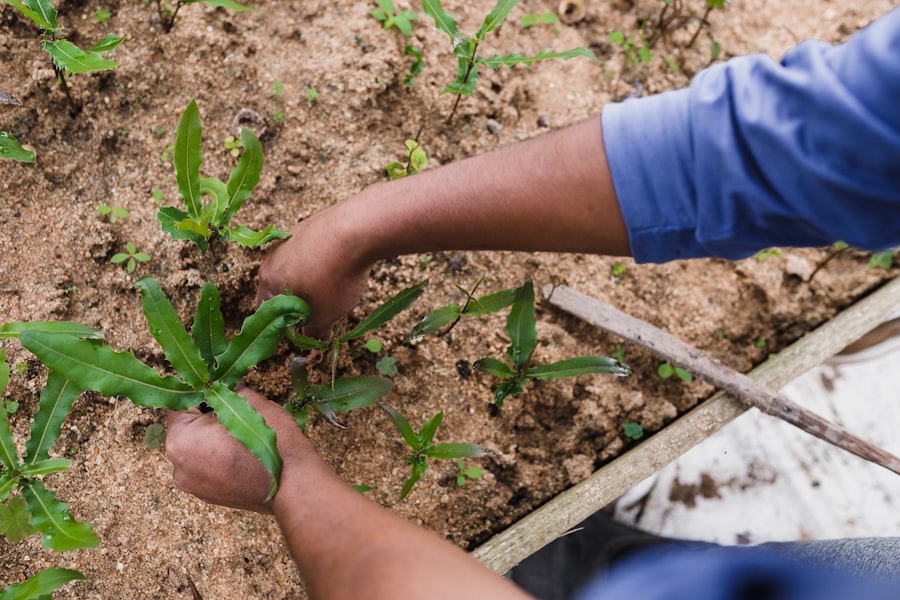
Deforestation has far-reaching consequences that extend beyond the immediate loss of trees. When forests are cleared, the natural processes that facilitate aquifer recharge are severely disrupted. You may not realize it, but without trees to intercept rainfall and promote infiltration, much of the precipitation that falls on deforested land simply runs off into rivers and streams, leading to erosion and sedimentation.
This not only diminishes the amount of water that reaches aquifers but also degrades water quality by introducing sediments and pollutants into waterways. Furthermore, deforestation can lead to changes in local climate patterns, resulting in reduced rainfall and increased temperatures. As you consider these impacts, it becomes clear that the loss of trees can create a vicious cycle: diminished aquifer recharge leads to water scarcity, which can further exacerbate deforestation as communities turn to unsustainable practices to meet their needs.
This cycle highlights the urgent need for reforestation initiatives that not only restore tree cover but also promote sustainable land management practices to protect vital water resources.
Case Studies of Successful Reforestation Projects and Aquifer Recharge
Examining successful reforestation projects can provide valuable insights into effective strategies for enhancing aquifer recharge. One notable example is the reforestation initiative in Ethiopia’s Tigray region, where local communities have worked together to restore degraded landscapes through tree planting and sustainable land management practices. As you delve into this case study, you’ll find that these efforts have led to significant improvements in groundwater levels and overall ecosystem health.
The project has not only increased tree cover but has also enhanced agricultural productivity and food security for local populations. Another inspiring case is found in Costa Rica, where a national reforestation program has transformed deforested areas into thriving forests once again. By implementing policies that incentivize landowners to engage in reforestation, Costa Rica has successfully increased forest cover while simultaneously improving water quality and availability.
As you explore these case studies, you’ll see how community involvement and government support can create a powerful synergy that promotes both reforestation and aquifer recharge, offering hope for similar initiatives worldwide.
The Science Behind Reforestation and Aquifer Recharge
Understanding the scientific principles behind reforestation and aquifer recharge can deepen your appreciation for these interconnected processes. Research has shown that tree roots play a crucial role in enhancing soil structure, which directly impacts water infiltration rates. When you consider how roots create pathways for water to move through the soil, it becomes clear that healthy forests are essential for maintaining groundwater levels.
Additionally, studies have demonstrated that diverse tree species can enhance ecosystem resilience, making forests more effective at capturing and retaining water. Moreover, scientists have developed models to predict how different reforestation strategies can influence aquifer recharge rates. These models take into account factors such as soil type, climate conditions, and tree species selection.
As you engage with this scientific knowledge, you may find yourself inspired to advocate for evidence-based approaches to reforestation that prioritize both ecological health and water resource management. By understanding the science behind these processes, you can become a more informed participant in efforts to restore our planet’s forests and protect vital water supplies.
Policy and Legislation for Promoting Reforestation and Aquifer Recharge
Financial Incentives for Reforestation
Financial incentives, such as tax breaks or grants for landowners who engage in tree planting, can encourage more individuals to participate in reforestation projects. This approach can lead to increased participation and a greater impact on aquifer recharge.
Regulations for Forest Protection
Regulations that protect existing forests from logging or land conversion can help maintain critical ecosystems that support aquifer recharge. These regulations are essential for preserving the natural habitats that are vital for water resources.
International Collaboration and Advocacy
International agreements, such as the Bonn Challenge, aim to restore large areas of deforested land and highlight the importance of collaborative efforts among nations to address deforestation and its impacts on water resources. As individuals, we can contribute to advocating for stronger legislation that prioritizes both reforestation and sustainable water management practices.
Community Engagement and Reforestation for Aquifer Recharge
Community engagement is a cornerstone of successful reforestation projects aimed at enhancing aquifer recharge. When local communities are actively involved in tree planting initiatives, they are more likely to take ownership of the project and ensure its long-term success. You may find that grassroots movements often lead to innovative solutions tailored to specific local conditions.
By fostering collaboration among community members, NGOs, and government agencies, you can help create a network of support that amplifies the impact of reforestation efforts. Education plays a vital role in community engagement as well. By raising awareness about the importance of trees for aquifer recharge and overall environmental health, you can empower individuals to take action in their own lives.
Workshops, school programs, and community events can serve as platforms for sharing knowledge about sustainable practices and the benefits of reforestation. As you participate in these initiatives, you’ll likely witness firsthand how collective action can lead to meaningful change in both local ecosystems and community resilience.
Future Prospects for Reforestation and Aquifer Recharge
Looking ahead, the prospects for reforestation as a means of enhancing aquifer recharge are promising yet challenging. As climate change continues to impact weather patterns and water availability, it will be crucial for you to advocate for adaptive management strategies that consider these evolving conditions. Innovative approaches such as agroforestry—where trees are integrated into agricultural landscapes—can provide dual benefits by improving crop yields while simultaneously enhancing groundwater recharge.
Furthermore, advancements in technology offer exciting opportunities for monitoring and assessing the effectiveness of reforestation efforts on aquifer recharge. Remote sensing tools can help track changes in forest cover and water levels over time, providing valuable data for decision-makers. As you engage with these emerging technologies, consider how they can be harnessed to inform future reforestation initiatives aimed at protecting vital water resources.
In conclusion, your involvement in reforestation efforts is essential for promoting aquifer recharge and ensuring sustainable water resources for future generations. By understanding the importance of trees in this process and advocating for supportive policies, community engagement, and scientific research, you can play a pivotal role in restoring our planet’s ecosystems while safeguarding precious groundwater supplies. The journey toward a greener future begins with your commitment to making a difference today.
If you are interested in learning more about how planting trees can help combat climate change, check out this article on how planting trees help climate change. It delves into the various ways in which reforestation can contribute to reducing carbon emissions and mitigating the effects of global warming. Additionally, you may also want to explore the broader mission of environmental conservation and social impact by visiting Live Life with a Cause. This organization is dedicated to promoting sustainable practices and making a positive difference in the world.
FAQs
What is reforestation?
Reforestation is the process of planting trees in areas where forests have been depleted or destroyed. It is done to restore the ecological balance, improve air quality, and prevent soil erosion.
What is aquifer recharge?
Aquifer recharge is the process of replenishing underground water sources, known as aquifers, with water from the surface. This is essential for maintaining water supplies for drinking, agriculture, and industry.
How does reforestation contribute to aquifer recharge?
Reforestation plays a crucial role in aquifer recharge by increasing the infiltration of rainwater into the soil. Tree roots help to break up compacted soil, allowing water to penetrate deeper into the ground and replenish underground water sources.
What are the benefits of reforestation for aquifer recharge?
Reforestation helps to maintain and improve water quality, reduce the risk of flooding, and sustain groundwater levels. It also supports biodiversity and provides habitat for wildlife.
Are there any challenges associated with reforestation and aquifer recharge?
Challenges include the need for long-term commitment and investment, as well as the potential conflicts with other land uses. Additionally, the success of reforestation efforts may depend on factors such as climate, soil conditions, and the choice of tree species.