As you delve into the current state of extinction, it becomes evident that we are facing an unprecedented crisis. The World Wildlife Fund estimates that nearly one million species are at risk of extinction, a staggering figure that highlights the urgency of the situation. This alarming trend is not merely a statistic; it represents the loss of irreplaceable biodiversity that has taken millions of years to evolve.
You may find it unsettling to learn that species are disappearing at a rate 1,000 times faster than the natural background rate, primarily due to human activities. This rapid decline in biodiversity is not just a loss for the species themselves but poses significant threats to the ecosystems that sustain life on Earth. The current extinction crisis is not confined to remote rainforests or distant oceans; it is a global phenomenon affecting every corner of the planet.
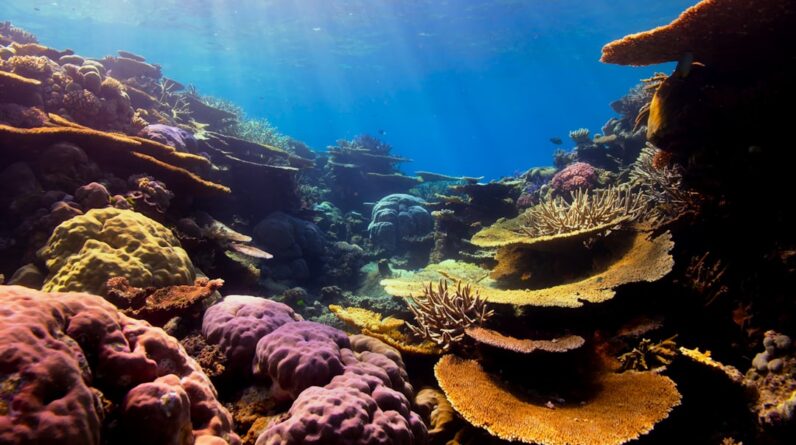
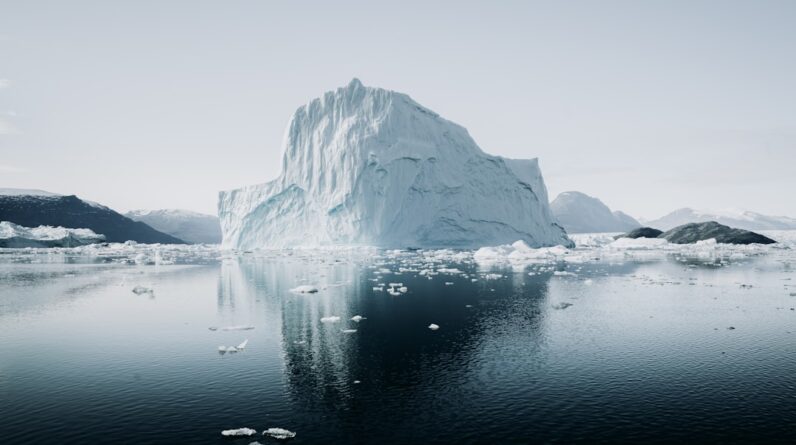
From the polar bears struggling to find ice in the Arctic to the coral reefs bleached by rising ocean temperatures, the signs of impending extinction are everywhere. You might be surprised to discover that even familiar species, such as bees and butterflies, are facing severe population declines. These creatures play crucial roles in pollination and maintaining healthy ecosystems.
As you reflect on this reality, it becomes clear that the extinction crisis is not just an environmental issue; it is a profound challenge that affects food security, human health, and economic stability.
Key Takeaways
- The current state of extinction is alarming, with species disappearing at an unprecedented rate.
- Causes of species extinction include habitat destruction, pollution, overhunting, and climate change.
- Extinction has a significant impact on ecosystems, leading to imbalances and loss of biodiversity.
- Conservation efforts for endangered species include habitat protection, captive breeding, and public awareness campaigns.
- Success stories in species recovery demonstrate the effectiveness of conservation efforts and the possibility of reversing extinction trends.
Causes of Species Extinction
Understanding the causes of species extinction is essential for addressing this pressing issue. One of the primary drivers is habitat destruction, often resulting from urbanization, agriculture, and deforestation. As you consider the expansion of cities and farmland, it becomes apparent that natural habitats are being fragmented and destroyed at an alarming rate.
This loss of habitat not only displaces countless species but also disrupts the delicate balance of ecosystems. You may find it disheartening to realize that as forests are cleared and wetlands drained, entire communities of plants and animals are pushed to the brink of extinction. Another significant factor contributing to species extinction is climate change.
As global temperatures rise and weather patterns become increasingly erratic, many species struggle to adapt to their changing environments. You might think about how polar bears are losing their sea ice habitat, or how coral reefs are suffering from ocean acidification and warming waters. These changes can lead to shifts in food availability and breeding patterns, making survival increasingly difficult for many species.
Additionally, pollution and invasive species further exacerbate these challenges, creating a perfect storm for biodiversity loss. As you reflect on these causes, it becomes clear that addressing them requires a multifaceted approach involving conservation efforts, policy changes, and public awareness.
Impact of Extinction on Ecosystems
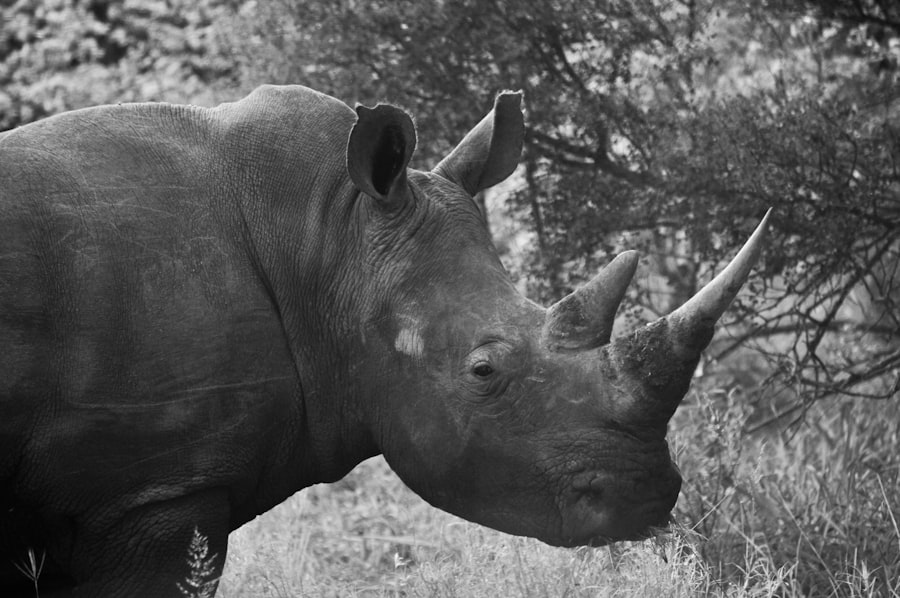
The impact of extinction on ecosystems is profound and far-reaching. When a species disappears, it can trigger a cascade of effects throughout its ecosystem. You may not realize that every organism plays a unique role in its environment, contributing to the intricate web of life.
For instance, the extinction of a predator can lead to an overpopulation of prey species, which in turn can deplete vegetation and disrupt the entire ecosystem’s balance. This phenomenon can result in habitat degradation and loss of biodiversity, further exacerbating the extinction crisis. Moreover, the loss of biodiversity can diminish ecosystem services that humans rely on for survival.
You might consider how healthy ecosystems provide clean air and water, pollination for crops, and natural pest control. When species go extinct, these services can be compromised, leading to negative consequences for human health and well-being. For example, the decline of bee populations has raised concerns about food security due to reduced crop yields.
As you contemplate these impacts, it becomes evident that protecting biodiversity is not just an environmental concern; it is essential for sustaining human life on Earth.
Endangered Species Conservation Efforts
In response to the alarming rates of extinction, numerous conservation efforts have been initiated worldwide. Organizations dedicated to wildlife preservation work tirelessly to protect endangered species through various strategies. You may be familiar with initiatives such as habitat restoration, which aims to rehabilitate ecosystems that have been degraded or destroyed.
By restoring natural habitats, these efforts provide safe havens for endangered species and help maintain ecological balance. Another critical aspect of conservation is legal protection for endangered species. Laws such as the Endangered Species Act in the United States provide a framework for identifying and protecting at-risk species and their habitats.
You might be surprised to learn that these legal protections have led to significant recoveries for some species, demonstrating the effectiveness of targeted conservation efforts. Additionally, community engagement plays a vital role in conservation success. By involving local communities in conservation initiatives, you can foster a sense of stewardship and ensure that efforts are sustainable in the long term.
Success Stories in Species Recovery
While the challenges of extinction are daunting, there are also inspiring success stories that highlight the potential for recovery when concerted efforts are made. One notable example is the recovery of the American bald eagle. Once on the brink of extinction due to habitat loss and pesticide use, dedicated conservation efforts have led to a remarkable resurgence in their population.
You may find it uplifting to know that through legal protections and habitat restoration initiatives, bald eagles have made a comeback across North America. Another success story is that of the gray wolf in Yellowstone National Park. After being extirpated from the area for decades, wolves were reintroduced in 1995 as part of a comprehensive ecosystem management plan.
The results were astounding; not only did wolf populations thrive, but their presence also helped restore balance within the ecosystem by controlling elk populations and allowing vegetation to recover. As you reflect on these success stories, it becomes clear that with determination and collaboration, we can reverse some of the damage done by human activities and pave the way for a brighter future for endangered species.
The Role of Climate Change in Extinction
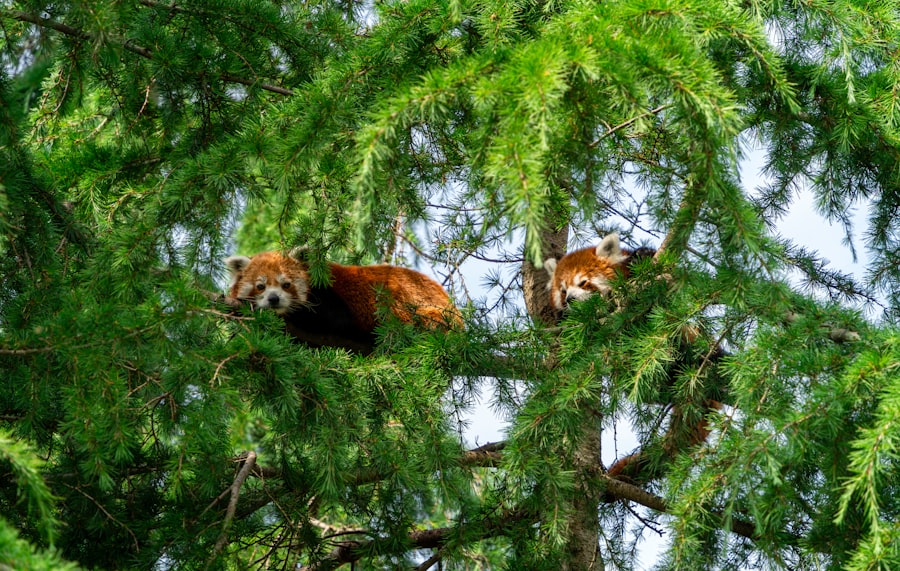
Climate change plays a pivotal role in exacerbating the extinction crisis we face today. As global temperatures rise and weather patterns shift, many species find themselves struggling to adapt to rapidly changing environments. You may be aware that polar regions are particularly vulnerable; melting ice caps threaten iconic species like polar bears and seals that depend on stable ice habitats for survival.
The loss of these habitats not only endangers individual species but also disrupts entire ecosystems. Moreover, climate change affects migration patterns and breeding cycles for many animals. For instance, birds may arrive at their breeding grounds too early or too late due to altered seasonal cues caused by climate change.
This misalignment can lead to mismatches in food availability and reproductive success. As you consider these impacts, it becomes evident that addressing climate change is crucial for safeguarding biodiversity and preventing further extinctions.
The Importance of Biodiversity
Biodiversity is often described as the foundation of life on Earth, encompassing the variety of living organisms and their interactions within ecosystems. You may not fully appreciate how essential biodiversity is until you consider its role in maintaining ecosystem resilience and stability. Diverse ecosystems are better equipped to withstand environmental changes and disturbances, such as natural disasters or disease outbreaks.
When you think about it, a rich tapestry of life contributes to a more robust planet capable of adapting to challenges. Furthermore, biodiversity provides invaluable resources for humanity. From medicinal plants used in pharmaceuticals to genetic diversity in crops that ensures food security, you rely on biodiversity in countless ways every day.
The loss of even a single species can have ripple effects throughout ecosystems and human societies alike. As you reflect on this interconnectedness, it becomes clear that protecting biodiversity is not just an environmental imperative; it is essential for our survival and well-being.
What You Can Do to Help Prevent Extinction
As an individual, you have the power to make a difference in the fight against extinction. One impactful way to contribute is by supporting conservation organizations dedicated to protecting endangered species and their habitats. Whether through donations or volunteering your time, your efforts can help fund critical initiatives aimed at preserving biodiversity.
Additionally, you can make conscious choices in your daily life that promote sustainability. Consider reducing your carbon footprint by using public transportation or adopting energy-efficient practices at home. Supporting local and sustainable products can also help reduce habitat destruction caused by industrial agriculture and deforestation.
You might also engage in advocacy efforts by raising awareness about endangered species issues within your community or online. Lastly, educating yourself and others about the importance of biodiversity can create a ripple effect that inspires collective action. By sharing information about conservation efforts and success stories, you can motivate others to join the cause.
As you take these steps toward preventing extinction, remember that every action counts—together, we can work towards a more sustainable future for all living beings on our planet.
In a related article to Extinction Countdown: The Species Vanishing on Our Watch, Stop Forest Burning: Save Trees and Animals discusses the detrimental effects of forest fires on wildlife and the environment. It highlights the importance of preventing forest fires to protect the habitats of endangered species and preserve biodiversity. This article serves as a reminder of the urgent need to address the various threats facing our planet’s ecosystems in order to prevent further species extinction.
FAQs
What is extinction?
Extinction is the complete disappearance of a species from the Earth. It occurs when the last individual of a species dies, and there are no more individuals of that species left on the planet.
What is extinction countdown?
Extinction countdown refers to the ongoing process of species disappearing from the Earth. It is a measure of the rate at which species are becoming extinct, and it serves as a warning about the loss of biodiversity.
Why is it important to be aware of species extinction?
It is important to be aware of species extinction because it has significant ecological, economic, and cultural impacts. The loss of species can disrupt ecosystems, reduce genetic diversity, and affect human well-being. It also has implications for food security, medicine, and the balance of nature.
What are the main causes of species extinction?
The main causes of species extinction include habitat destruction, climate change, pollution, overexploitation, and invasive species. These factors can lead to loss of habitat, changes in ecosystems, and direct harm to species.
What are some examples of species that are currently at risk of extinction?
Some examples of species that are currently at risk of extinction include the Sumatran orangutan, the Amur leopard, the vaquita porpoise, and the Javan rhinoceros. These species are facing threats such as habitat loss, poaching, and climate change.
What can be done to prevent species extinction?
Preventing species extinction requires a combination of conservation efforts, habitat protection, sustainable resource management, and international cooperation. It also involves raising awareness, supporting conservation organizations, and advocating for policies that protect biodiversity.