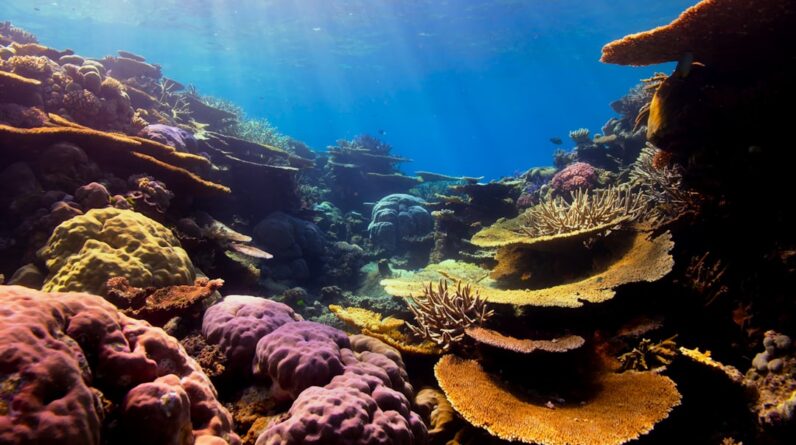
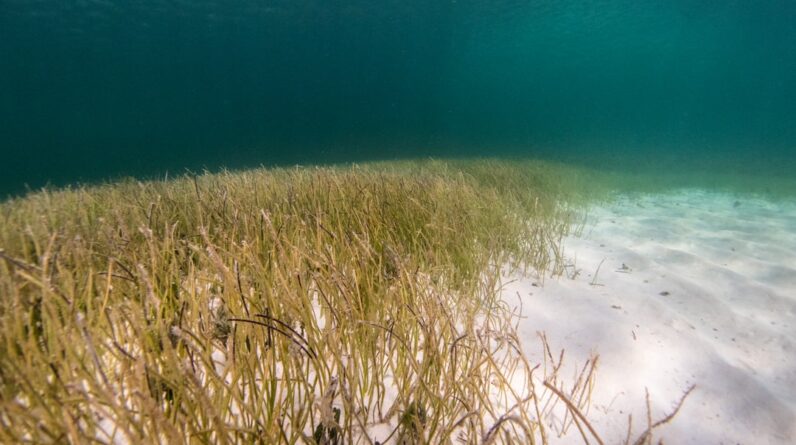
As you gaze out at the vast expanse of the ocean, you may not realize that beneath the surface lies a complex and delicate ecosystem that plays a crucial role in sustaining life on Earth. One of the most vital components of this ecosystem is the oxygen dissolved in seawater. Ocean oxygen levels are essential not only for marine life but also for the health of our planet as a whole.
The oceans are responsible for producing approximately half of the oxygen we breathe, thanks to the myriad of organisms that thrive within their depths. Understanding the dynamics of ocean oxygen levels is critical, especially as human activities and natural processes continue to influence these levels in profound ways. The significance of ocean oxygen levels extends beyond marine ecosystems; they are intricately linked to global climate patterns and atmospheric conditions.
As you delve deeper into this topic, you will discover how fluctuations in oxygen levels can have cascading effects on biodiversity, fisheries, and even the climate itself. The oceans act as a buffer against climate change, absorbing carbon dioxide and regulating temperatures. However, as you will learn, this balance is increasingly threatened by various factors, leading to a pressing need for awareness and action.
Key Takeaways
- Ocean oxygen levels are crucial for marine life and are being impacted by climate change.
- Climate change is causing a decrease in ocean oxygen levels, leading to changes in ocean circulation and oxygen distribution.
- Ocean acidification, a result of increased carbon dioxide levels, is also affecting ocean oxygen levels.
- Phytoplankton play a key role in oxygen production and their decline can have serious consequences for marine ecosystems.
- Declining ocean oxygen levels can have severe consequences for marine life and ecosystems, and addressing this issue is crucial in climate change policy.
The Impact of Climate Change on Ocean Oxygen Levels
Climate change is one of the most significant threats to ocean oxygen levels, and its effects are becoming increasingly evident. As global temperatures rise, so too do ocean temperatures, leading to a phenomenon known as thermal stratification. This process occurs when warmer water sits atop cooler water, creating layers that inhibit mixing.
When this happens, oxygen-rich surface waters become isolated from deeper waters, leading to a decline in oxygen levels in those deeper regions. As you consider the implications of this stratification, it becomes clear that the health of marine ecosystems is at stake. Moreover, climate change contributes to the increase in nutrient runoff from land into the oceans, primarily due to agricultural practices and urban development.
This influx of nutrients can lead to algal blooms, which may initially seem beneficial as they produce oxygen during photosynthesis. However, when these blooms die off, their decomposition consumes significant amounts of oxygen, resulting in hypoxic or even anoxic conditions—areas where oxygen levels are critically low or nonexistent. As you reflect on these interconnected issues, it becomes apparent that climate change is not just an environmental concern; it poses a direct threat to the very fabric of marine life.
Changes in Ocean Circulation and Oxygen Distribution

The intricate web of ocean currents plays a pivotal role in distributing oxygen throughout the world’s oceans. These currents are driven by various factors, including wind patterns, temperature gradients, and salinity differences. As you explore this topic further, you will find that changes in ocean circulation can have profound effects on oxygen distribution.
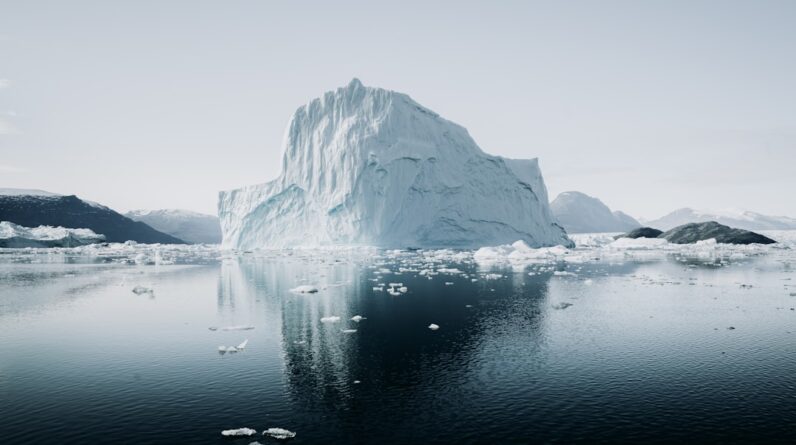
For instance, alterations in wind patterns due to climate change can disrupt established currents, leading to uneven oxygen levels across different regions. In addition to wind patterns, melting polar ice caps and glaciers contribute to changes in salinity and temperature gradients, further impacting circulation patterns. As you consider these changes, it becomes evident that regions once rich in oxygen may experience declines, while other areas may see an influx of nutrients and subsequent algal blooms.
This uneven distribution can create “dead zones,” areas where marine life struggles to survive due to insufficient oxygen levels. Understanding these dynamics is crucial for predicting future changes in marine ecosystems and developing strategies to mitigate their impacts.
Ocean Acidification and its Effects on Oxygen Levels
Ocean acidification is another critical factor influencing ocean oxygen levels, and it is primarily driven by increased carbon dioxide emissions from human activities. When carbon dioxide is absorbed by seawater, it reacts with water molecules to form carbonic acid, leading to a decrease in pH levels. As you delve into the consequences of ocean acidification, you will discover that it not only affects marine organisms’ ability to build shells and skeletons but also has implications for oxygen production.
The impact of acidification on phytoplankton—tiny organisms that form the base of the marine food web—is particularly concerning. These organisms rely on specific pH levels for optimal growth and reproduction. As acidification progresses, it can hinder their ability to photosynthesize effectively, ultimately reducing their contribution to oxygen production in the oceans.
This reduction can create a feedback loop where declining phytoplankton populations lead to lower oxygen levels, further exacerbating the challenges faced by marine ecosystems.
The Role of Phytoplankton in Oxygen Production
Phytoplankton are often referred to as the “lungs of the ocean,” and for good reason. These microscopic organisms are responsible for producing a significant portion of the Earth’s oxygen through photosynthesis. As you explore their role in ocean ecosystems, you will find that they thrive in nutrient-rich waters and are influenced by various environmental factors such as light availability and temperature.
Their ability to convert sunlight into energy not only sustains their populations but also supports a diverse array of marine life. However, as previously mentioned, phytoplankton populations are under threat from climate change and ocean acidification. Changes in water temperature and nutrient availability can lead to shifts in phytoplankton communities, potentially favoring harmful algal blooms over beneficial species.
This shift can have dire consequences for oxygen production and overall marine health. As you consider the importance of phytoplankton in maintaining oceanic oxygen levels, it becomes clear that protecting these organisms is essential for ensuring a balanced and thriving marine ecosystem.
Consequences of Declining Ocean Oxygen Levels

The decline in ocean oxygen levels has far-reaching consequences that extend beyond marine life. As you contemplate these impacts, consider how hypoxic conditions affect fish populations and other marine organisms that rely on sufficient oxygen for survival. Fish species such as cod and flounder are particularly vulnerable to low-oxygen environments, leading to shifts in their distribution and abundance.
This not only disrupts local fisheries but also threatens food security for communities that depend on these resources. Furthermore, declining oxygen levels can lead to changes in species composition within marine ecosystems. Some species may thrive in low-oxygen conditions while others struggle or perish, resulting in altered food webs and ecosystem dynamics.
As you reflect on these changes, it becomes evident that the health of our oceans is intricately linked to human well-being. The loss of biodiversity and disruption of fisheries can have economic repercussions that ripple through communities worldwide.
Mitigation and Adaptation Strategies for Ocean Oxygen Depletion
Addressing the issue of declining ocean oxygen levels requires a multifaceted approach that encompasses both mitigation and adaptation strategies. As you consider potential solutions, it is essential to recognize the importance of reducing greenhouse gas emissions as a primary means of combating climate change. Transitioning to renewable energy sources, improving energy efficiency, and promoting sustainable agricultural practices can all contribute to lowering carbon emissions and mitigating their impact on ocean health.
In addition to mitigation efforts, adaptation strategies are equally crucial for helping marine ecosystems cope with changing conditions. This may involve implementing marine protected areas to safeguard critical habitats or investing in research to better understand how different species respond to low-oxygen environments. Engaging local communities in conservation efforts can also foster resilience and promote sustainable practices that benefit both people and the ocean.
The Importance of Addressing Ocean Oxygen Levels in Climate Change Policy
As you reflect on the interconnectedness of ocean health and climate change, it becomes clear that addressing ocean oxygen levels must be a priority within climate change policy frameworks. Policymakers need to recognize the vital role oceans play in regulating global climate systems and supporting biodiversity. By incorporating ocean health into climate agreements and initiatives, governments can work towards more comprehensive solutions that benefit both terrestrial and marine environments.
Furthermore, public awareness and education are essential components of effective policy implementation. As individuals become more informed about the importance of ocean oxygen levels and their connection to climate change, they can advocate for policies that prioritize sustainable practices and conservation efforts. By fostering a collective sense of responsibility towards our oceans, we can work together to ensure their health for future generations.
In conclusion, understanding ocean oxygen levels is crucial for grasping the broader implications of climate change on our planet’s ecosystems. From the impacts of rising temperatures and acidification to the vital role played by phytoplankton, each aspect contributes to a complex web of interactions that ultimately affect both marine life and human well-being. By prioritizing action on this front within climate change policy frameworks, we can take meaningful steps towards preserving our oceans and ensuring a sustainable future for all living beings on Earth.
Climate change not only affects ocean oxygen levels but also has a significant impact on our forests and trees. In the article “Stop Forest Burning: Save Trees and Animals”, the importance of preventing forest fires and preserving our natural habitats is highlighted. By understanding the interconnectedness of our planet’s ecosystems, we can work towards mitigating the effects of climate change and protecting our environment for future generations.
FAQs
What is climate change?
Climate change refers to significant and long-term changes in the Earth’s climate, including changes in temperature, precipitation, and wind patterns. These changes are largely attributed to human activities, such as the burning of fossil fuels and deforestation, which release greenhouse gases into the atmosphere.
How does climate change affect ocean oxygen levels?
Climate change can affect ocean oxygen levels in several ways. Warmer ocean temperatures can reduce the solubility of oxygen in water, leading to lower oxygen levels. Additionally, changes in ocean circulation patterns and increased nutrient runoff from land can lead to oxygen-depleting algal blooms. These factors can collectively result in oxygen-deprived “dead zones” in the ocean.
What are the consequences of declining ocean oxygen levels?
Declining ocean oxygen levels can have serious consequences for marine life. Many marine species, including fish, crabs, and shellfish, rely on oxygen to survive. Low oxygen levels can lead to the loss of habitat and biodiversity, as well as negative impacts on fisheries and ecosystems. Additionally, low oxygen levels can contribute to the release of harmful substances from sediments, further impacting marine life.
What can be done to mitigate the impact of climate change on ocean oxygen levels?
Mitigating the impact of climate change on ocean oxygen levels requires addressing the root causes of climate change, such as reducing greenhouse gas emissions. Additionally, efforts to reduce nutrient runoff from land and improve wastewater treatment can help minimize the occurrence of oxygen-depleting algal blooms. Protecting and restoring coastal habitats, such as wetlands and mangroves, can also help support healthy ocean ecosystems.