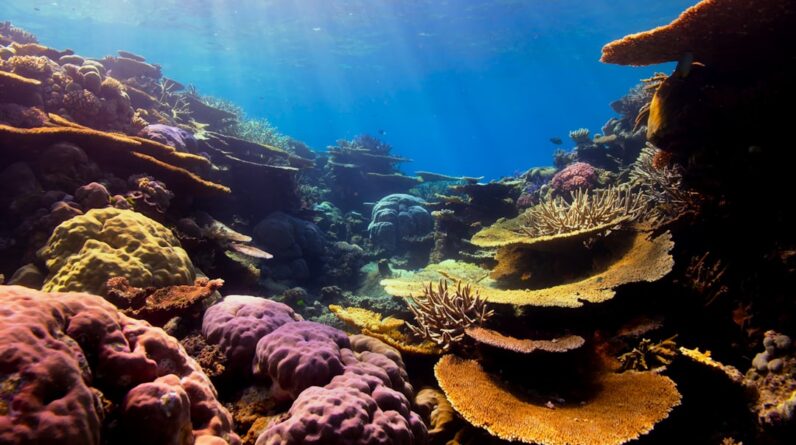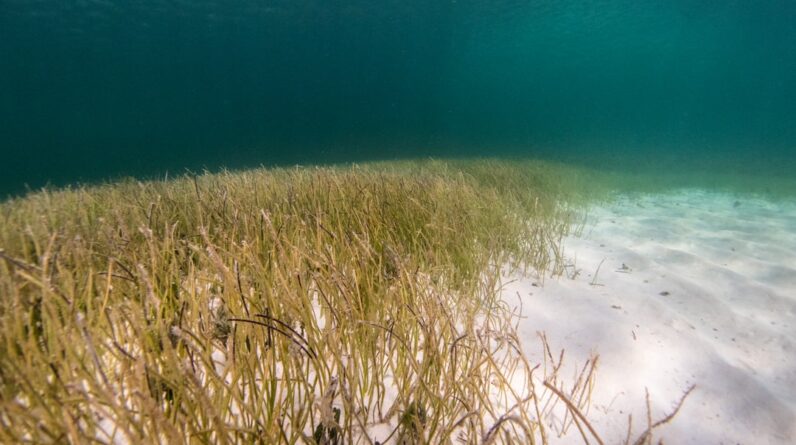
The ocean is often referred to as the lungs of our planet, a vast expanse that plays a crucial role in generating the oxygen we breathe. You may not realize it, but approximately 50% of the Earth’s oxygen is produced by marine plants, particularly phytoplankton. These microscopic organisms, along with seaweed and other aquatic plants, engage in photosynthesis, converting sunlight into energy while releasing oxygen as a byproduct.
This natural process is vital not only for sustaining marine life but also for maintaining the atmospheric balance that supports all terrestrial organisms. As you delve deeper into the ocean’s oxygen-generating capacity, it becomes clear that this intricate system is under threat. Climate change, pollution, and overfishing are just a few of the factors that jeopardize the health of marine ecosystems.
The decline in oxygen levels, known as hypoxia, poses significant risks to marine biodiversity and can lead to dead zones where life cannot thrive. Understanding the mechanisms behind ocean oxygen generation and exploring innovative solutions to enhance this capacity is essential for the health of our planet and future generations.
Key Takeaways
- Ocean oxygen-generating capacity is crucial for marine life and the overall health of the planet.
- Increasing oxygen levels in the ocean is important for combating ocean dead zones and supporting diverse marine ecosystems.
- Breakthrough technology, such as artificial upwelling and oxygenation systems, can enhance ocean oxygen generation.
- Implementing new technology can have a positive impact on marine life and help mitigate the effects of climate change.
- Challenges and limitations, such as cost and potential ecological impacts, need to be considered when boosting ocean oxygen-generating capacity.
Importance of Increasing Oxygen Levels in the Ocean
Increasing oxygen levels in the ocean is not merely an environmental concern; it is a necessity for sustaining life both underwater and on land. You might be surprised to learn that healthy ocean ecosystems are directly linked to human well-being. The ocean provides food, regulates climate, and supports countless species that contribute to biodiversity.
When oxygen levels drop, marine life suffers, leading to a cascade of negative effects that can ultimately impact human populations reliant on these resources. Moreover, the ocean acts as a carbon sink, absorbing significant amounts of carbon dioxide from the atmosphere. When oxygen levels are low, the ocean’s ability to sequester carbon diminishes, exacerbating climate change.
By increasing oxygen levels, you not only support marine life but also enhance the ocean’s capacity to mitigate climate change effects. This interconnectedness highlights the importance of prioritizing efforts to boost ocean oxygen generation as a means of fostering a healthier planet.
Breakthrough Technology for Enhancing Ocean Oxygen Generation

Recent advancements in technology have opened new avenues for enhancing ocean oxygen generation. You may find it fascinating that researchers are now exploring bioengineering techniques to optimize phytoplankton growth. By manipulating genetic traits, scientists aim to create strains of phytoplankton that can photosynthesize more efficiently and produce higher levels of oxygen.
This innovative approach could significantly increase the ocean’s natural oxygen output. In addition to genetic engineering, artificial intelligence and machine learning are being harnessed to monitor and predict oceanic conditions that favor oxygen production. By analyzing data on water temperature, nutrient availability, and light penetration, these technologies can help identify optimal conditions for phytoplankton growth.
You might envision a future where real-time data informs targeted interventions, such as nutrient enrichment or habitat restoration, to maximize oxygen generation in specific areas of the ocean.
Implementation and Impact of New Technology
The implementation of breakthrough technologies aimed at enhancing ocean oxygen generation is already underway in various research initiatives around the globe. You may be intrigued to learn about pilot projects that focus on deploying bioengineered phytoplankton in controlled marine environments. These projects aim to assess the effectiveness of enhanced strains in boosting local oxygen levels while monitoring their ecological impact.
The potential impact of these technologies extends beyond mere oxygen production. By fostering healthier marine ecosystems, you can expect to see improvements in fish populations and overall biodiversity. As oxygen levels rise, habitats become more conducive to life, allowing species to thrive and ecosystems to recover from previous degradation.
This positive feedback loop could lead to more resilient oceans capable of withstanding the pressures of climate change and human activity.
Challenges and Limitations of Boosting Ocean Oxygen-Generating Capacity
Despite the promising advancements in technology, several challenges and limitations must be addressed when it comes to boosting ocean oxygen-generating capacity. One significant concern is the potential ecological consequences of introducing genetically modified organisms into marine environments. You may wonder about the long-term effects these engineered phytoplankton could have on existing ecosystems and whether they might outcompete native species or disrupt food webs.
Additionally, funding and resource allocation pose significant hurdles for large-scale implementation of these technologies. Research and development require substantial investment, and securing financial support can be challenging in a world where many environmental initiatives compete for attention and funding. You might find it disheartening that while the potential benefits are immense, navigating regulatory frameworks and public perception can slow progress in deploying these innovative solutions.
Future Prospects and Research in Ocean Oxygen Generation

Looking ahead, the future prospects for ocean oxygen generation are both exciting and uncertain. Ongoing research continues to explore new methods for enhancing oxygen production while minimizing ecological risks. You may be encouraged by initiatives aimed at fostering collaboration between scientists, policymakers, and local communities to develop sustainable practices that prioritize both technological advancement and environmental stewardship.
As you consider the future landscape of ocean oxygen generation, it’s essential to recognize the role of education and public awareness in driving change. Engaging communities in conservation efforts and promoting understanding of the importance of healthy oceans can create a groundswell of support for innovative solutions. You might envision a world where individuals actively participate in protecting marine ecosystems, contributing to a collective effort to enhance ocean health.
Environmental and Ecological Benefits of Increased Ocean Oxygen Levels
The environmental and ecological benefits of increased ocean oxygen levels are profound and far-reaching. You may appreciate how higher oxygen concentrations can lead to improved water quality, fostering healthier habitats for marine organisms. As fish populations rebound and biodiversity flourishes, you can expect to see more robust ecosystems capable of supporting various species.
Moreover, increased oxygen levels can enhance the resilience of marine ecosystems against climate change impacts. Healthy oceans are better equipped to adapt to rising temperatures and changing conditions, providing a buffer against extreme weather events and habitat loss. You might find it inspiring that by prioritizing ocean oxygen generation, we can contribute to a more sustainable future for both marine life and human communities that depend on these vital resources.
The Promising Future of Ocean Oxygen-Generating Technology
In conclusion, the future of ocean oxygen-generating technology holds immense promise for addressing some of the most pressing environmental challenges we face today. As you reflect on the interconnectedness of marine ecosystems and human well-being, it becomes clear that enhancing ocean oxygen levels is not just an ecological imperative but a moral one as well. The advancements in technology offer hope for revitalizing our oceans and ensuring their health for generations to come.
While challenges remain, your engagement with these issues can make a difference. By advocating for sustainable practices, supporting research initiatives, and raising awareness about the importance of healthy oceans, you can contribute to a collective effort aimed at enhancing ocean oxygen generation. Together, we can work towards a future where our oceans thrive, supporting diverse life forms while playing a crucial role in maintaining the balance of our planet’s atmosphere.
The journey toward revitalizing our oceans has begun; it is up to you to be part of this transformative movement.
A related article discussing the disadvantages of planting trees for climate change can be found here. This article delves into the potential drawbacks of relying solely on tree planting as a solution to combatting climate change. While planting trees can have numerous benefits, it is important to consider the limitations and challenges associated with this approach. By exploring both the advantages and disadvantages of tree planting, we can better understand how to effectively address environmental issues and work towards a sustainable future.
FAQs
What is the breakthrough technology to boost ocean’s oxygen-generating capacity?
The breakthrough technology involves the use of specialized pumps and diffusers to increase the circulation of nutrient-rich waters from the ocean’s depths to the surface, stimulating the growth of phytoplankton and enhancing the ocean’s oxygen-generating capacity.
How does the technology work?
The technology works by creating artificial upwelling, which brings nutrient-rich waters from the deep ocean to the surface. This stimulates the growth of phytoplankton, which in turn increases the ocean’s oxygen production through photosynthesis.
What are the potential benefits of this technology?
The potential benefits of this technology include mitigating ocean deoxygenation, supporting marine ecosystems, and potentially addressing the impacts of climate change on ocean oxygen levels.
Is the technology currently being implemented on a large scale?
While the technology is still in the experimental phase, there are ongoing efforts to test and evaluate its effectiveness in various oceanic regions. Large-scale implementation would require further research and development.
Are there any potential risks or drawbacks associated with this technology?
Some potential risks and drawbacks include the potential disruption of marine ecosystems, the need for careful monitoring to prevent unintended consequences, and the high costs associated with large-scale implementation. Ongoing research is necessary to assess and address these concerns.