Species evolution is a complex and ongoing process that has shaped the diversity of life on Earth for millions of years. As you delve into the intricacies of this phenomenon, you will discover that evolution is not merely a historical account of how species have changed over time; it is also a dynamic response to environmental pressures. One of the most pressing challenges facing species today is climate change, which has introduced a new variable into the equation: climate velocity.
This term refers to the rate at which climate conditions shift across geographical areas, often outpacing the ability of many species to adapt. Understanding the interplay between species evolution and climate velocity is crucial for grasping the future of biodiversity in a rapidly changing world. As you explore this topic, you will find that climate velocity can significantly influence the evolutionary trajectories of various species.
The rapid changes in temperature, precipitation patterns, and other climatic factors can create a mismatch between the habitats that species are adapted to and the conditions they encounter. This mismatch can lead to increased mortality rates, reduced reproductive success, and ultimately, the risk of extinction for many organisms. By examining the relationship between species evolution and climate velocity, you can gain insights into how life on Earth may continue to adapt—or struggle—in the face of unprecedented environmental changes.
Key Takeaways
- Species evolution is closely linked to climate velocity, which refers to the speed and direction of climate change over time.
- Climate change has a significant impact on species, affecting their distribution, behavior, and survival.
- Understanding climate velocity is crucial for predicting how species will respond and adapt to changing environmental conditions.
- Species face challenges in adapting to rapid climate velocity, including limited genetic variation and habitat fragmentation.
- Case studies highlight the struggles of species such as polar bears and coral reefs in adapting to climate velocity, emphasizing the urgent need for mitigation strategies.
The Impact of Climate Change on Species
Climate change has far-reaching effects on ecosystems and the species that inhabit them. As temperatures rise and weather patterns become more erratic, you may notice shifts in species distributions, altered migration patterns, and changes in breeding seasons. These alterations can disrupt established ecological relationships, leading to cascading effects throughout food webs.
For instance, if a particular plant species blooms earlier due to warmer temperatures, the insects that rely on it for food may not be able to synchronize their life cycles accordingly. This disconnect can have dire consequences for both the plants and their pollinators. Moreover, climate change can exacerbate existing threats to species, such as habitat loss and invasive species.
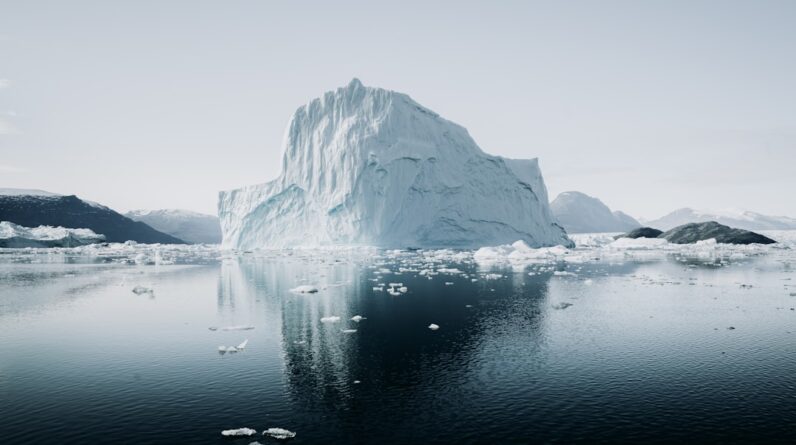
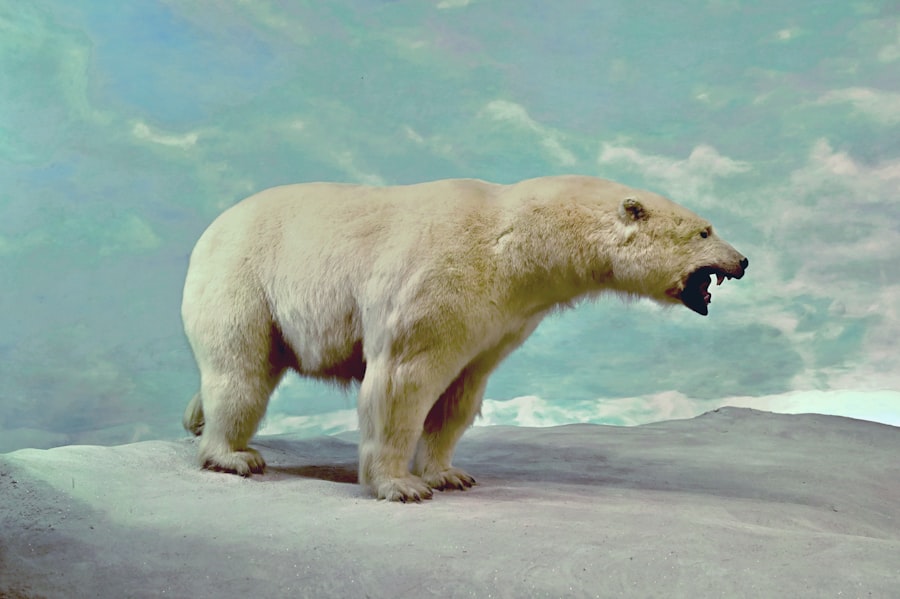
As you consider these impacts, it becomes clear that some species are more vulnerable than others. Those with limited ranges or specialized habitat requirements may find it particularly challenging to cope with rapid environmental changes. For example, polar bears depend on sea ice for hunting seals, their primary food source.
As climate change leads to melting ice, these majestic creatures face increasing difficulties in finding food, ultimately threatening their survival.
Understanding Climate Velocity
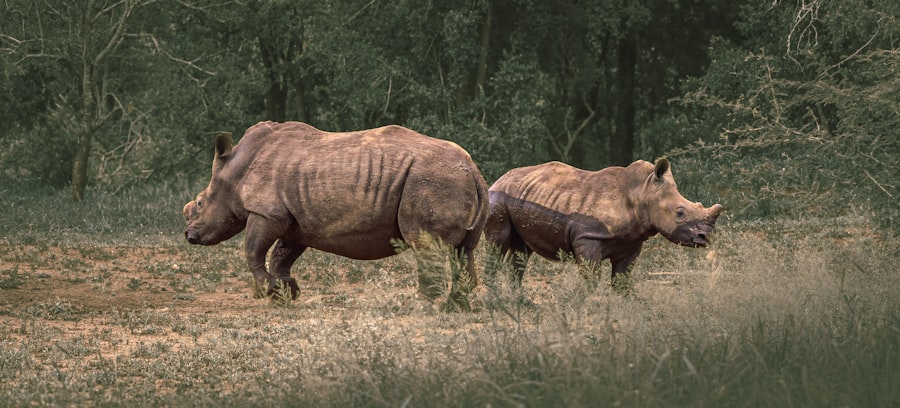
To fully grasp the implications of climate change on species, it is essential to understand the concept of climate velocity. This term describes the speed at which climate conditions shift across landscapes, often measured in kilometers per decade. As you explore this concept further, you will realize that climate velocity is not uniform; it varies across different regions and ecosystems.
Some areas may experience rapid changes in temperature or precipitation, while others may remain relatively stable. This variability can create significant challenges for species trying to keep pace with their shifting environments. One of the critical aspects of climate velocity is its potential to outstrip the natural dispersal abilities of many species.
As habitats shift due to changing climatic conditions, organisms must migrate to suitable environments to survive. However, not all species can move quickly enough or have the necessary means to do so. For instance, plants rely on wind or animal dispersal for their seeds, while animals may be limited by physical barriers such as mountains or urban development.
As you consider these factors, it becomes evident that climate velocity poses a formidable challenge for biodiversity.
Challenges for Species to Adapt to Climate Velocity
Adapting to climate velocity is no small feat for many species. You may find it surprising that evolutionary processes typically occur over long timescales, often spanning thousands or millions of years. In contrast, the rapid pace of climate change demands immediate responses from organisms that may not have the genetic variability or adaptive capacity needed to cope with such swift alterations in their environment.
This disparity between the speed of environmental change and the rate of evolutionary adaptation creates a significant hurdle for many species. Furthermore, the challenges posed by climate velocity are compounded by other stressors such as habitat fragmentation and pollution. As you reflect on these interconnected issues, it becomes clear that many species are caught in a web of challenges that hinder their ability to adapt effectively.
For example, amphibians are particularly sensitive to changes in temperature and moisture levels; as their habitats become fragmented due to human activities, their chances of finding suitable environments diminish even further. This multifaceted threat landscape underscores the urgency of addressing climate velocity and its implications for biodiversity.
Case Studies of Species Struggling to Adapt
Examining specific case studies can provide valuable insights into how climate velocity affects various species. One notable example is the case of the golden toad (Incilius periglenes), which was once endemic to a small region in Costa Rica’s Monteverde Cloud Forest. As climate change altered precipitation patterns and increased temperatures in this area, the golden toad’s habitat became increasingly inhospitable.
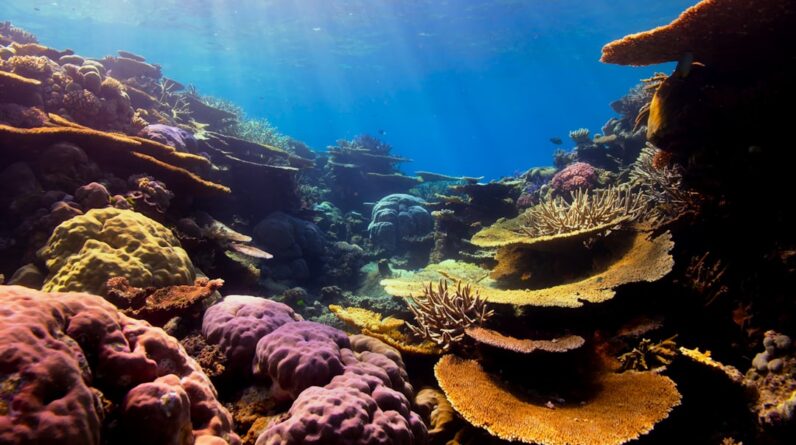
Despite efforts to locate remaining populations, this iconic amphibian was declared extinct in 1989, highlighting the devastating impact of climate velocity on specialized species. Another compelling case study involves coral reefs, which are among the most diverse ecosystems on Earth but are also highly sensitive to temperature changes. As ocean temperatures rise due to climate change, coral bleaching events have become more frequent and severe.
You may find it alarming that many coral species struggle to adapt quickly enough to these rapid changes in their environment. The loss of coral reefs not only threatens countless marine species that depend on them but also jeopardizes coastal communities that rely on these ecosystems for their livelihoods.
Strategies for Mitigating the Effects of Climate Velocity on Species
To address the challenges posed by climate velocity, various strategies can be employed to help mitigate its effects on vulnerable species. One approach involves enhancing habitat connectivity, allowing organisms to move more freely between suitable environments as conditions change. By creating wildlife corridors or preserving natural landscapes that facilitate movement, you can help ensure that species have access to resources they need for survival.
Another effective strategy is focused conservation efforts aimed at protecting critical habitats from further degradation. By prioritizing areas that are essential for biodiversity and implementing measures to reduce human impact, you can create refuges where species can thrive despite changing climatic conditions. Additionally, investing in restoration projects can help rehabilitate degraded ecosystems and improve their resilience against climate change.
The Role of Human Intervention in Helping Species Adapt
Human intervention plays a crucial role in helping species adapt to climate velocity and its associated challenges. You may be surprised to learn that conservationists are increasingly exploring innovative approaches such as assisted migration—relocating species to more suitable habitats where they may have a better chance of survival in a changing climate. While this strategy raises ethical questions about human involvement in natural processes, it also highlights our responsibility to protect biodiversity in an era of unprecedented environmental change.
Moreover, public awareness and education are vital components of successful conservation efforts. By fostering a deeper understanding of climate change and its impacts on species, you can inspire collective action toward protecting vulnerable ecosystems. Engaging communities in conservation initiatives not only empowers individuals but also builds resilience within ecosystems as people work together to safeguard their local environments.
The Future of Species Evolution in the Face of Climate Velocity
As you reflect on the future of species evolution in light of climate velocity, it becomes evident that we stand at a critical juncture in Earth’s history. The rapid pace of environmental change poses unprecedented challenges for biodiversity, forcing many species to confront adaptations they may not be equipped to handle. However, through concerted efforts in conservation and human intervention, there remains hope for mitigating these impacts and fostering resilience within ecosystems.
Ultimately, your understanding of species evolution and climate velocity will shape how you engage with these pressing issues moving forward. By advocating for sustainable practices and supporting initiatives aimed at protecting biodiversity, you can contribute to a future where both nature and humanity thrive amidst the challenges posed by a changing climate. The journey ahead may be fraught with uncertainty, but with awareness and action, we can work together to ensure a more sustainable coexistence with the diverse life forms that share our planet.
In a related article, How Does Planting Trees Help Deforestation?, the importance of reforestation efforts in combating climate change and preserving biodiversity is discussed. Planting trees not only helps to offset carbon emissions, but also provides habitat for a wide range of species, contributing to overall ecosystem health. This article highlights the crucial role that trees play in mitigating the effects of deforestation and climate change, emphasizing the need for continued conservation efforts to protect our planet’s natural resources.
FAQs
What is species evolution?
Species evolution refers to the process by which new species arise and existing species change over time, typically through the process of natural selection and genetic variation.
What is climate velocity?
Climate velocity is a measure of how quickly and in what direction climate conditions are shifting across the landscape. It is often used to assess the potential for species to track suitable climate conditions as the climate changes.
What happens when nature can’t adapt to climate velocity?
When nature can’t adapt to climate velocity, it can lead to a mismatch between the climate conditions that a species is adapted to and the climate conditions it actually experiences. This can result in decreased fitness, population declines, and in some cases, local extinctions.
How does climate velocity impact species evolution?
Climate velocity can impact species evolution by influencing the ability of species to track suitable climate conditions. If climate velocity exceeds the ability of a species to disperse or adapt, it can lead to reduced genetic diversity, increased inbreeding, and ultimately, decreased evolutionary potential.
What are some examples of species that are struggling to adapt to climate velocity?
Some examples of species that are struggling to adapt to climate velocity include polar bears, which are facing habitat loss due to melting sea ice, and coral reefs, which are experiencing bleaching events due to warming ocean temperatures. These examples highlight the challenges that many species are facing in the context of rapid climate change.