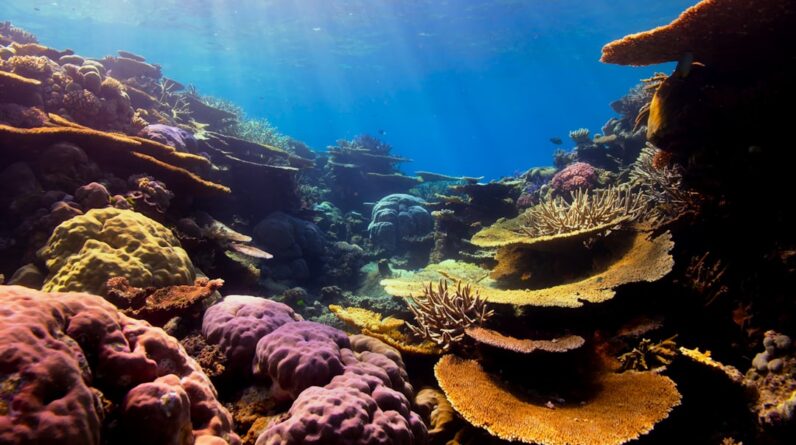
As you delve into the realm of ocean conservation, it becomes increasingly clear that ocean-saving policies are not just beneficial; they are essential. The oceans cover over 70% of the Earth’s surface and play a critical role in regulating climate, supporting biodiversity, and providing livelihoods for millions of people. However, they are under constant threat from pollution, overfishing, and climate change.
By understanding the importance of ocean-saving policies, you can appreciate how these regulations serve as a lifeline for marine ecosystems and coastal communities alike. You may find it enlightening to realize that healthy oceans contribute significantly to global food security and economic stability. Fisheries provide sustenance for billions, while tourism related to marine environments generates substantial revenue for many nations.
When you advocate for effective ocean-saving policies, you are not only protecting marine life but also ensuring that future generations can enjoy the benefits that healthy oceans provide. The interconnectedness of human life and ocean health underscores the urgency of implementing robust policies that prioritize conservation and sustainable use of marine resources.
Key Takeaways
- Ocean-saving policies are crucial for the health of our planet and future generations.
- Key ocean-saving policies include marine protected areas, sustainable fishing practices, and reducing plastic pollution.
- Building a supportive community for ocean-saving advocacy is essential for creating lasting change.
- Engaging with elected officials and decision makers is necessary to influence policy and create meaningful impact.
- Utilizing social media and digital advocacy tools can help amplify the message and reach a wider audience for ocean-saving efforts.
Identifying Key Ocean-Saving Policies
To effectively advocate for ocean conservation, it is crucial to identify key ocean-saving policies that can make a tangible difference. One of the most significant policies is the establishment of Marine Protected Areas (MPAs). These designated regions restrict human activities to safeguard marine ecosystems, allowing biodiversity to thrive.
As you explore this topic, consider how MPAs can serve as sanctuaries for endangered species and help replenish fish stocks, ultimately benefiting local communities that rely on fishing. Another vital policy is the implementation of sustainable fishing practices. Overfishing has led to the depletion of numerous fish populations, threatening both marine ecosystems and the livelihoods of those who depend on them.
By supporting policies that promote sustainable fishing methods, such as catch limits and seasonal closures, you can help ensure that fish populations remain healthy and resilient. Additionally, advocating for the reduction of bycatch—unintended capture of non-target species—can further enhance the effectiveness of these policies.
Building a Supportive Community for Ocean-Saving Advocacy

Creating a supportive community around ocean-saving advocacy is essential for amplifying your efforts. You can start by connecting with like-minded individuals who share your passion for marine conservation. This could involve joining local environmental groups or participating in online forums dedicated to ocean issues.
By surrounding yourself with others who are equally committed, you can exchange ideas, share resources, and inspire one another to take action. Moreover, fostering a sense of community can extend beyond just individuals. Engaging local businesses and organizations in your advocacy efforts can create a broader impact.
For instance, you might collaborate with local restaurants to promote sustainable seafood options or partner with schools to educate students about ocean conservation. By building a network of supporters, you can create a powerful coalition that advocates for meaningful change in ocean-saving policies.
Engaging with Elected Officials and Decision Makers
One of the most effective ways to influence ocean-saving policies is by engaging directly with elected officials and decision-makers. You have the power to make your voice heard by reaching out to your local representatives and expressing your concerns about ocean health. This could involve writing letters, making phone calls, or even scheduling meetings to discuss specific issues related to marine conservation.
When you engage with decision-makers, it’s important to come prepared with well-researched information and clear arguments. You might present data on the economic benefits of healthy oceans or share personal stories about how ocean degradation has impacted your community. By articulating your message effectively, you can help policymakers understand the urgency of implementing ocean-saving policies and encourage them to take action.
Utilizing Social Media and Digital Advocacy Tools
In today’s digital age, social media and online advocacy tools are invaluable resources for promoting ocean-saving initiatives. You can leverage platforms like Twitter, Instagram, and Facebook to raise awareness about ocean issues and mobilize support for policy changes. By sharing informative content, engaging visuals, and compelling stories, you can capture the attention of a wider audience and inspire them to join your cause.
Additionally, consider utilizing online petitions and campaigns to amplify your message. Websites like Change.org allow you to create petitions that can garner thousands of signatures in support of specific ocean-saving policies. By harnessing the power of digital advocacy tools, you can create a ripple effect that reaches beyond your immediate community and influences policymakers on a larger scale.
Organizing and Participating in Ocean-Saving Events and Campaigns

Organizing or participating in events focused on ocean conservation is another effective way to advocate for ocean-saving policies. You might consider hosting beach clean-ups, educational workshops, or awareness campaigns in your community. These events not only raise awareness about the importance of protecting our oceans but also provide opportunities for individuals to take direct action.
Participating in larger campaigns or initiatives organized by environmental organizations can also amplify your impact. For instance, joining global events like World Oceans Day or participating in local marine conservation festivals can connect you with others who share your passion. These gatherings often feature speakers, workshops, and activities that educate attendees about ocean issues while fostering a sense of community among advocates.
Collaborating with Environmental Organizations and Allies
Collaboration is key when it comes to advocating for effective ocean-saving policies. By partnering with established environmental organizations, you can tap into their expertise, resources, and networks to enhance your advocacy efforts. These organizations often have experience in lobbying for policy changes and can provide valuable guidance on how to navigate the political landscape.
You might also consider forming alliances with other groups that share similar goals but focus on different aspects of environmental conservation. For example, collaborating with organizations dedicated to climate change or land conservation can create a more comprehensive approach to advocacy. By working together, you can amplify your collective voice and increase the chances of achieving meaningful policy changes that benefit both land and sea.
Celebrating and Amplifying Ocean-Saving Policy Wins
As you engage in ocean-saving advocacy, it’s important to celebrate and amplify policy wins—no matter how small they may seem. Recognizing achievements helps maintain momentum and encourages continued efforts toward ocean conservation. When a new policy is enacted or an existing one is strengthened, take the time to share this news within your community and on social media platforms.
Celebrating victories also serves as an opportunity to reflect on the hard work that went into achieving these outcomes. You might organize gatherings or events to honor those who contributed to the success or create content that highlights the positive impact of the new policy on marine ecosystems and local communities. By showcasing these wins, you not only inspire others to get involved but also reinforce the idea that collective action can lead to meaningful change in ocean-saving policies.
In conclusion, advocating for ocean-saving policies is a multifaceted endeavor that requires understanding their importance, identifying key initiatives, building supportive communities, engaging with decision-makers, utilizing digital tools, organizing events, collaborating with allies, and celebrating victories. As you embark on this journey, remember that every action counts—your voice matters in the fight for healthier oceans and a sustainable future for all.
If you are interested in advocating for environmental causes beyond ocean-saving policies, you may want to check out this article on how planting trees helps the environment. Planting trees is a crucial step in combating climate change and preserving our planet’s biodiversity. It is essential to understand the positive impact that tree planting can have on our environment and take action to support such initiatives.
FAQs
What are ocean-saving policies?
Ocean-saving policies are government regulations and initiatives aimed at protecting and preserving the world’s oceans and marine ecosystems. These policies can include measures to combat pollution, overfishing, habitat destruction, and climate change impacts on the oceans.
Why is it important to advocate for ocean-saving policies?
Advocating for ocean-saving policies is important because the health of the world’s oceans directly impacts the health of the planet and all living beings. Oceans provide essential resources, regulate the climate, and support diverse ecosystems. By advocating for policies that protect the oceans, we can help ensure a sustainable future for the planet.
How can individuals advocate for ocean-saving policies?
Individuals can advocate for ocean-saving policies by staying informed about ocean issues, supporting organizations and initiatives that work to protect the oceans, contacting elected officials to express support for ocean-friendly policies, and participating in public demonstrations and campaigns focused on ocean conservation.
What are some examples of ocean-saving policies?
Examples of ocean-saving policies include marine protected areas, regulations on fishing practices to prevent overfishing, bans on single-use plastics to reduce ocean pollution, measures to reduce carbon emissions and combat ocean acidification, and initiatives to promote sustainable seafood consumption.
How do ocean-saving policies impact the environment and economy?
Ocean-saving policies can have positive impacts on both the environment and the economy. By protecting marine ecosystems, these policies help maintain biodiversity, support fisheries, and preserve coastal areas. This in turn can benefit industries such as tourism, fishing, and recreation, while also contributing to the overall health of the planet.