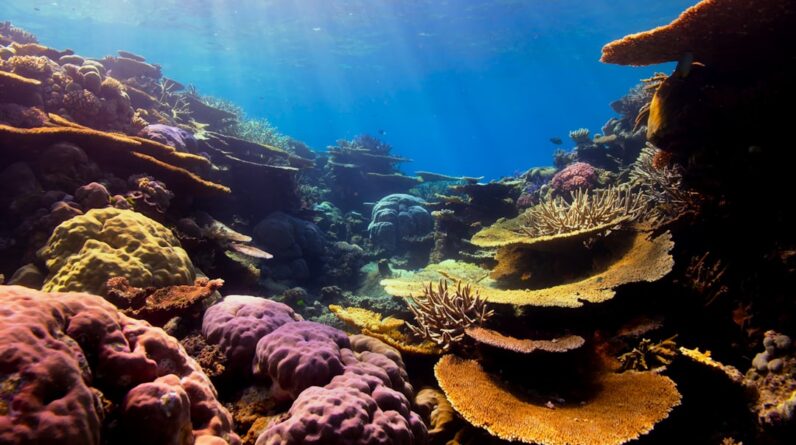
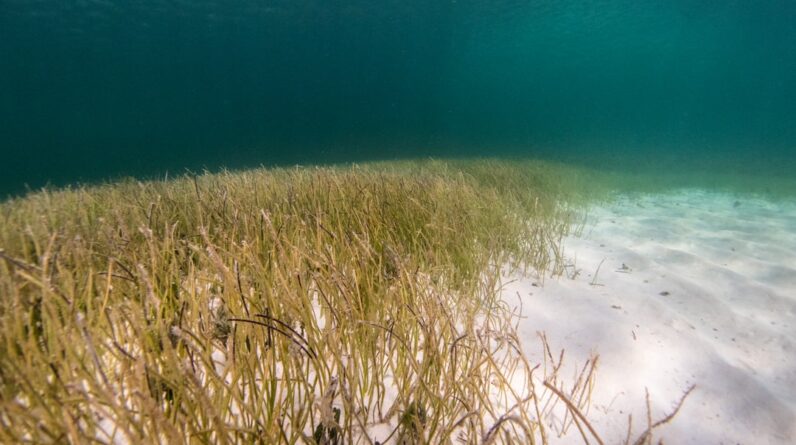
In the intricate web of our ecosystem, local guardians play a pivotal role in preserving the delicate balance of nature. These individuals, often hailing from the very communities that depend on natural resources, serve as the first line of defense against environmental degradation. Their intimate knowledge of the land and water, passed down through generations, equips them with unique insights into the rhythms of their surroundings.
You may find that these guardians are not just protectors; they are also educators, sharing their wisdom with others to foster a deeper understanding of the environment’s significance. Local guardians are essential for maintaining biodiversity and ensuring the sustainability of resources. They understand that every action has a ripple effect, and their stewardship can lead to healthier ecosystems.
By advocating for responsible practices and sustainable use of resources, they help to safeguard the oxygen sources that are vital for life. Their efforts contribute to cleaner air and water, which ultimately benefits not only their communities but also the planet as a whole. As you delve deeper into the role of local guardians, you will appreciate how their commitment to conservation can inspire others to take action in their own communities.
Key Takeaways
- Local guardians play a crucial role in protecting the oxygen source in their community
- Pollution, overfishing, and climate change are major threats to the oxygen source
- Local fishermen have taken on the role of guardians to protect the oxygen source
- Community collaboration is essential in the efforts to protect the oxygen source
- Strategies such as sustainable fishing practices and marine protected areas are key in protecting the oxygen source
The Threats to the Oxygen Source
The oxygen sources that sustain life on Earth face numerous threats, many of which stem from human activity. Deforestation, pollution, and climate change are just a few of the challenges that jeopardize these vital ecosystems. As you consider the impact of these threats, it becomes clear that the health of our planet is intricately linked to the actions we take.
For instance, when forests are cleared for agriculture or urban development, not only is habitat lost, but the ability of these areas to produce oxygen diminishes significantly. Pollution also poses a significant risk to oxygen sources. Contaminants from industrial processes and agricultural runoff can lead to the degradation of water bodies, affecting aquatic life and the overall health of ecosystems.
As you reflect on these issues, it is evident that the interconnectedness of environmental factors means that addressing one threat often requires tackling several others simultaneously. The urgency of these challenges underscores the importance of local guardians who are dedicated to protecting these essential resources.
How Local Fishermen Became Guardians
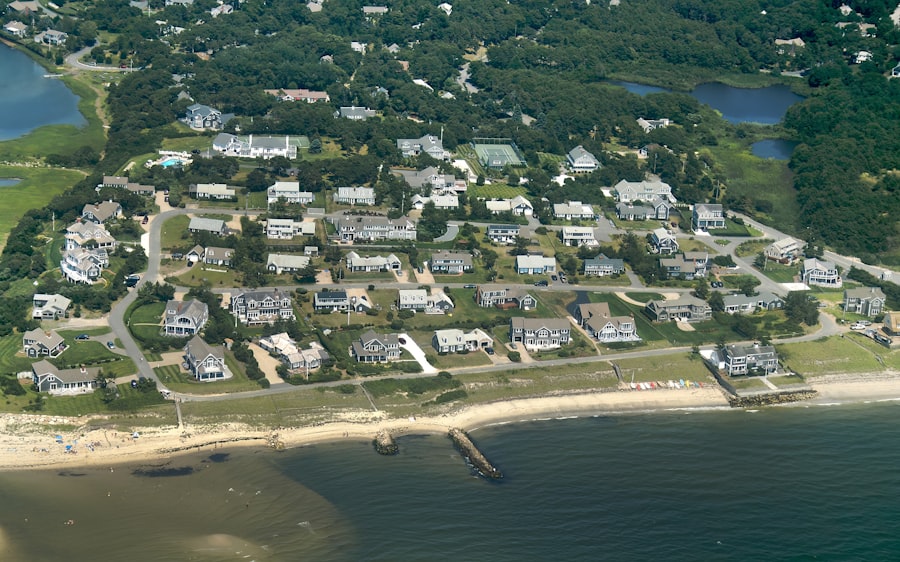
In many coastal communities, local fishermen have emerged as unexpected guardians of the environment. Traditionally viewed solely as providers of food, these individuals have recognized their role in preserving marine ecosystems. You may find it fascinating how their daily experiences on the water have transformed their perspectives on conservation.
Over time, they have come to understand that sustainable fishing practices not only ensure their livelihoods but also protect the delicate balance of marine life. The journey from fishermen to guardians often begins with a realization: overfishing and destructive practices threaten not only fish populations but also the broader ecosystem. As you explore this transformation, you will see how local fishermen have banded together to advocate for sustainable practices, such as catch limits and protected areas.
Their commitment to preserving marine habitats has led to a renewed sense of responsibility and stewardship within their communities. By embracing this role, they have become powerful advocates for change, demonstrating that those who rely on natural resources can also be their most passionate protectors.
The Role of Community Collaboration
Community collaboration is a cornerstone of effective environmental stewardship. When individuals come together with a shared purpose, they can amplify their impact and create lasting change. In many regions, local guardians have fostered partnerships with various stakeholders, including government agencies, non-profit organizations, and academic institutions.
This collaborative approach allows for the pooling of resources and expertise, ultimately leading to more effective conservation strategies. As you consider the power of community collaboration, think about how diverse perspectives can enrich problem-solving efforts. Local guardians bring invaluable knowledge about their environments, while external partners can offer technical support and funding opportunities.
Together, they can develop comprehensive plans that address the unique challenges faced by their ecosystems. This synergy not only strengthens conservation efforts but also builds a sense of ownership among community members, empowering them to take an active role in protecting their natural heritage.
Strategies for Protecting the Oxygen Source
To effectively protect oxygen sources, local guardians employ a variety of strategies tailored to their specific environments. One common approach is the establishment of marine protected areas (MPAs), where fishing and other potentially harmful activities are restricted or regulated. By creating safe havens for marine life, these areas allow ecosystems to recover and thrive.
As you explore this strategy further, you will see how MPAs can lead to increased biodiversity and healthier fish populations, ultimately benefiting both the environment and local economies. Another strategy involves promoting sustainable fishing practices among community members. Local guardians often organize workshops and training sessions to educate fishermen about responsible techniques that minimize environmental impact.
By sharing knowledge about catch limits, gear selection, and habitat preservation, they empower their peers to make informed decisions that contribute to long-term sustainability. As you reflect on these efforts, it becomes clear that education is a powerful tool in fostering a culture of conservation within communities.
The Impact of Their Efforts
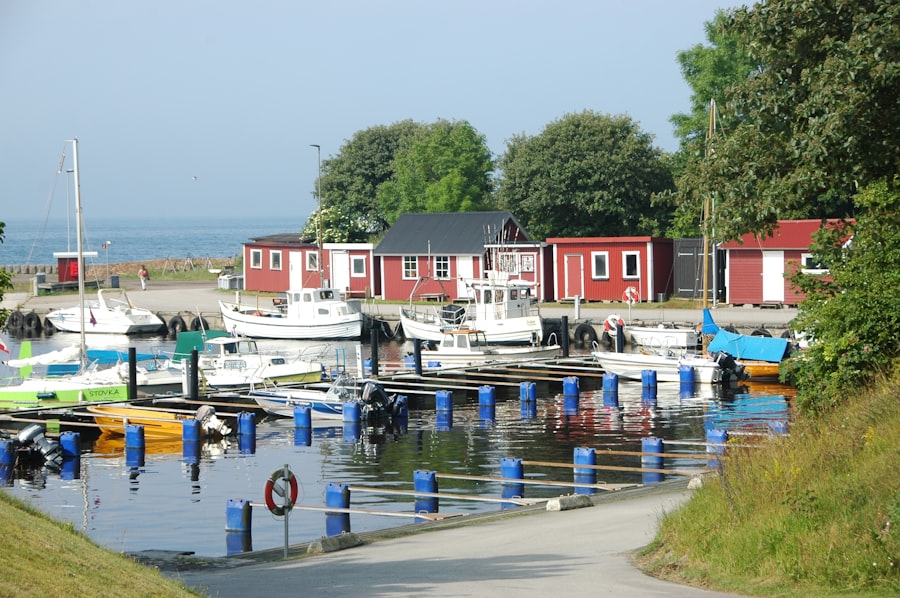
The impact of local guardians’ efforts can be profound and far-reaching. By implementing sustainable practices and advocating for conservation measures, they contribute to healthier ecosystems that provide essential services such as clean air and water. You may find it inspiring to learn how these initiatives have led to tangible improvements in biodiversity and overall environmental health.
For instance, areas that were once overfished may experience a resurgence in fish populations, benefiting both marine life and local economies reliant on fishing. Moreover, the work of local guardians often extends beyond immediate environmental benefits. Their efforts can foster a sense of community pride and identity as residents come together to protect their shared resources.
This collective action can lead to increased awareness about environmental issues and inspire future generations to continue the work of stewardship. As you consider the broader implications of their efforts, it becomes evident that local guardians are not only safeguarding oxygen sources but also nurturing a culture of sustainability that can endure for years to come.
Challenges Faced by the Local Guardians
Despite their dedication and passion, local guardians face numerous challenges in their quest to protect oxygen sources. One significant hurdle is resistance from industries that prioritize short-term profits over long-term sustainability. You may find it disheartening to learn how commercial interests can undermine conservation efforts through lobbying or non-compliance with regulations.
This tension between economic development and environmental protection often places local guardians in difficult positions as they strive to advocate for responsible practices. Additionally, climate change poses an ever-growing threat to ecosystems worldwide. Rising sea temperatures, ocean acidification, and extreme weather events can disrupt marine habitats and exacerbate existing challenges faced by local guardians.
As you reflect on these issues, it becomes clear that addressing climate change requires collective action on a global scale. Local guardians must navigate these complexities while continuing to advocate for their communities and ecosystems.
The Future of the Oxygen Source and Its Guardians
Looking ahead, the future of oxygen sources and their guardians hinges on continued collaboration and innovation. As awareness about environmental issues grows, there is an opportunity for local guardians to leverage this momentum to advocate for stronger protections and policies at regional and national levels. You may find it encouraging to see how grassroots movements can influence decision-making processes and lead to meaningful change.
Moreover, technology can play a crucial role in supporting local guardians’ efforts. Advances in monitoring tools and data collection can enhance their ability to track changes in ecosystems and assess the effectiveness of conservation strategies. By embracing new technologies while remaining rooted in traditional knowledge, local guardians can create a more resilient future for themselves and the oxygen sources they protect.
In conclusion, local guardians are vital stewards of our environment, working tirelessly to protect oxygen sources from various threats. Their journey from fishermen to advocates showcases the power of community collaboration and education in fostering sustainable practices. While challenges remain, the impact of their efforts is undeniable, paving the way for a healthier planet for future generations.
As you reflect on this important work, consider how you too can contribute to protecting our shared natural heritage.
In a related article, How Does Planting Trees Help the Environment?, the importance of reforestation and tree planting initiatives is discussed in depth. Just like the locals in “From Fishermen to Guardians: The Locals Protecting Their Oxygen Source” are taking action to protect their environment, planting trees can also have a significant impact on preserving ecosystems and combating climate change. By understanding the interconnectedness of nature and the vital role trees play in maintaining a healthy environment, individuals can make a positive difference in safeguarding our planet for future generations.
FAQs
What is the article about?
The article is about local communities taking on the role of protecting their marine environment, which serves as a vital source of oxygen for the planet.
Why are fishermen and locals important in protecting the marine environment?
Fishermen and locals are important in protecting the marine environment because they rely on the ocean for their livelihoods and understand the importance of maintaining a healthy ecosystem.
What are some of the ways locals are protecting their marine environment?
Locals are protecting their marine environment by implementing sustainable fishing practices, creating marine protected areas, and participating in conservation efforts such as beach clean-ups and coral reef restoration.
How does protecting the marine environment contribute to oxygen production?
Protecting the marine environment helps to maintain healthy ecosystems, which in turn supports the production of oxygen through processes such as photosynthesis by marine plants and phytoplankton.
What are the benefits of protecting the marine environment for the local communities and the planet?
Protecting the marine environment benefits local communities by ensuring sustainable fisheries and tourism, while also contributing to the overall health of the planet by preserving biodiversity and supporting oxygen production.