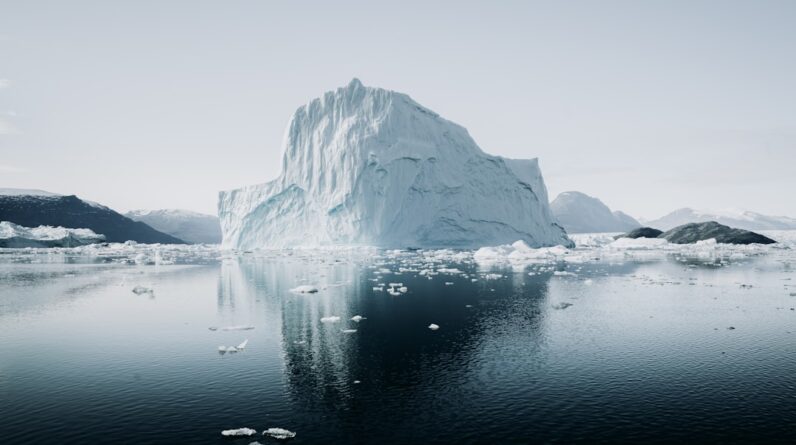
As you step onto the slopes, the crisp mountain air fills your lungs, and the thrill of skiing beckons. However, beneath this picturesque scene lies a pressing concern: climate change is reshaping the very landscape of winter sports. Ski resorts, once reliable havens for snow enthusiasts, are facing unprecedented challenges due to rising temperatures and erratic weather patterns.
The impact of climate change is not just a distant threat; it is a reality that is altering the way you experience winter sports. The warming climate has led to shorter ski seasons, with many resorts struggling to maintain adequate snow cover. You may have noticed that the once-reliable snowfall patterns are becoming increasingly unpredictable.
This shift not only affects your ability to enjoy skiing but also threatens the livelihoods of those who depend on winter tourism. As temperatures rise, ski resorts are forced to adapt or risk losing their appeal altogether, leading to a significant transformation in the winter sports landscape.
Key Takeaways
- Ski resorts are experiencing the impact of climate change, leading to shorter seasons and less reliable snowfall.
- Traditional ski areas are seeing a decline in snowfall, leading to challenges in maintaining ski conditions and attracting visitors.
- Artificial snowmaking has become increasingly important for ski resorts to supplement natural snowfall and extend the ski season.
- Ski resorts are shifting to higher altitudes and northern hemisphere locations to adapt to changing climate conditions.
- The vanishing snow has significant economic consequences for ski resorts, local communities, and businesses that rely on winter tourism.
The Decline of Snowfall in Traditional Ski Areas
The Consequences for Skiers
As a result, skiers may find themselves navigating slushy slopes or facing the disappointment of closed trails due to insufficient snow. The decline of snowfall not only affects the skiing experience but also has far-reaching implications for local economies that rely on winter tourism.
The Economic Impact
Fewer visitors are flocking to the mountains, resulting in a significant decline in revenue for local businesses. Ski resorts that once boasted reliable snow conditions are now forced to invest in alternative solutions, such as artificial snowmaking, to keep their operations viable.
A Sustainable Future for Skiing?
This shift raises important questions about the sustainability of these practices in an era of environmental consciousness. As the ski industry adapts to the changing climate, it must also consider the environmental implications of its actions and explore more sustainable solutions for the future.
The Rise of Artificial Snowmaking in Ski Resorts

To combat the challenges posed by declining natural snowfall, ski resorts have increasingly turned to artificial snowmaking as a solution. You may have seen the impressive snow guns lining the slopes, creating a winter wonderland even when Mother Nature falls short. While this technology allows resorts to extend their seasons and provide better skiing conditions, it comes with its own set of challenges and environmental concerns.
Artificial snowmaking requires significant amounts of water and energy, raising questions about resource sustainability. As you glide down a slope covered in man-made snow, it’s essential to consider the environmental impact of these practices. The energy-intensive process can contribute to greenhouse gas emissions, further exacerbating the very climate issues that threaten the ski industry.
While artificial snowmaking may provide a temporary fix, it is crucial to explore more sustainable alternatives that can ensure the long-term viability of ski resorts.
The Shift to Higher Altitude and Northern Hemisphere Skiing
As climate change continues to reshape the winter sports landscape, you may notice a shift in skiing destinations. Ski resorts at lower altitudes are becoming less reliable due to diminishing snowfall, prompting skiers like yourself to seek out higher-altitude locations or those situated in the Northern Hemisphere. These areas tend to retain snow for longer periods and offer more consistent conditions, making them increasingly attractive for winter sports enthusiasts.
This shift not only alters your skiing habits but also impacts regional tourism dynamics. Resorts in higher altitudes may experience an influx of visitors seeking reliable snow conditions, while traditional ski areas struggle to maintain their customer base. As you plan your next ski trip, consider how these changes might influence your choices and the overall landscape of winter sports.
The quest for reliable snow is leading skiers to explore new terrains and discover hidden gems that may have previously been overlooked.
The Economic Consequences of Vanishing Snow
The economic consequences of vanishing snow extend far beyond the slopes themselves. As ski resorts grapple with declining snowfall and shorter seasons, local economies that rely on winter tourism face significant challenges. You may not realize it, but every lift ticket purchased and every hot chocolate enjoyed contributes to a complex web of jobs and businesses that thrive on winter sports.
When snowfall diminishes, so too does the revenue generated by these activities. Resorts are forced to adapt by diversifying their offerings or investing in summer activities to offset losses during the winter months. This shift can lead to job losses and economic instability in communities that have long depended on winter tourism for their livelihoods.
As you enjoy your time on the slopes, consider how your choices impact not only your experience but also the broader economic landscape surrounding ski resorts.
The Future of Skiing in a Warming World

As you contemplate the future of skiing in a warming world, it becomes clear that adaptation is essential for survival. Ski resorts must innovate and embrace sustainable practices to ensure their longevity in an era marked by climate uncertainty. This may involve investing in renewable energy sources, improving water management for snowmaking, and implementing eco-friendly practices throughout resort operations.
The future of skiing will likely require a shift in mindset among both skiers and resort operators. You may find yourself drawn to resorts that prioritize sustainability and environmental stewardship, seeking out experiences that align with your values. As awareness grows about the impact of climate change on winter sports, there is an opportunity for you and fellow enthusiasts to advocate for change and support resorts that are committed to preserving the beauty of the mountains for generations to come.
The Role of Sustainable Practices in Ski Resort Operations
Sustainable practices are becoming increasingly vital for ski resorts as they navigate the challenges posed by climate change. You may be pleased to learn that many resorts are taking proactive steps to reduce their environmental footprint. From utilizing renewable energy sources like solar and wind power to implementing water conservation measures for snowmaking, these initiatives reflect a growing commitment to sustainability within the industry.
As you explore different ski resorts, consider seeking out those that prioritize eco-friendly practices. Your choices can influence which resorts thrive in a changing climate. By supporting establishments that invest in sustainable operations, you contribute to a movement that aims to protect the environment while ensuring that future generations can enjoy the thrill of skiing.
The integration of sustainable practices not only enhances your experience but also fosters a sense of responsibility toward preserving the natural beauty of the mountains.
Finding Alternative Winter Sports and Activities
As climate change continues to reshape the landscape of winter sports, you may find yourself exploring alternative activities beyond traditional skiing. Snowshoeing, cross-country skiing, and even winter hiking are gaining popularity as viable options for enjoying the outdoors during colder months. These activities often require less snow and can be enjoyed in a variety of conditions, allowing you to embrace winter in new ways.
Additionally, many ski resorts are diversifying their offerings by incorporating non-skiing activities into their winter programs. You might discover opportunities for ice skating, snow tubing, or even winter festivals that celebrate the season without relying solely on skiing. By embracing these alternatives, you can continue to enjoy the beauty of winter while adapting to the changing realities brought about by climate change.
In conclusion, as you navigate the evolving landscape of winter sports amid climate change, it’s essential to remain informed and adaptable. The impact on ski resorts is profound, affecting everything from snowfall patterns to economic stability. By supporting sustainable practices and exploring alternative activities, you can play a role in shaping a future where winter sports continue to thrive despite the challenges posed by a warming world.
Your choices matter—both on and off the slopes—and together we can work toward preserving the joy of skiing for generations to come.
In a related article on how planting trees helps combat climate change, the importance of reforestation efforts is highlighted as a crucial step in mitigating the effects of global warming. Just as the disappearance of snow in ski resorts is a symptom of climate change, planting trees can help restore balance to ecosystems and reduce carbon emissions. However, it is important to consider the potential negative impacts of increased tree planting, as discussed in articles like why planting trees may be harmful to the environment and how excessive tree planting can disrupt ecosystems. These articles shed light on the complexities of environmental conservation efforts and the need for thoughtful, sustainable solutions.
FAQs
What is the current state of snow at ski resorts?
Many ski resorts are experiencing a decrease in snowfall and shorter ski seasons due to climate change.
How is climate change affecting ski resorts?
Climate change is causing higher temperatures, which leads to less snowfall and shorter ski seasons. This has a significant impact on the ski industry and local economies.
Are ski resorts taking any measures to adapt to the changing snow conditions?
Some ski resorts are investing in snowmaking technology to compensate for the lack of natural snow. Others are diversifying their offerings to include activities beyond skiing, such as hiking and mountain biking.
What are the long-term implications of disappearing snow at ski resorts?
The disappearance of snow at ski resorts could have serious economic consequences for local communities that rely on winter tourism. It also poses a threat to the environment and wildlife in these areas.
What can individuals do to help address the issue of disappearing snow at ski resorts?
Individuals can support efforts to combat climate change by reducing their carbon footprint and advocating for policies that promote sustainability. They can also choose to visit ski resorts that are taking proactive measures to adapt to the changing snow conditions.