In a world increasingly aware of environmental issues, the concept of an ocean-friendly diet has emerged as a vital consideration for those who wish to make a positive impact on marine ecosystems. You may find yourself wondering how your food choices can influence the health of our oceans. The truth is, every meal you consume has the potential to either harm or help the delicate balance of marine life.
By adopting an ocean-friendly diet, you not only nourish your body but also contribute to the preservation of our seas, ensuring that future generations can enjoy the beauty and bounty they offer. An ocean-friendly diet emphasizes sustainability, focusing on foods that are harvested or produced in ways that do not deplete marine resources or harm aquatic habitats. This approach encourages you to be mindful of where your food comes from and how it affects the environment.
By making informed choices, you can support practices that promote biodiversity and protect the intricate web of life that thrives beneath the waves. As you delve deeper into this topic, you will discover various foods that benefit our oceans and learn about the broader implications of your dietary habits.
Key Takeaways
- Introduction to the Ocean-Friendly Diet:
- The ocean-friendly diet focuses on making sustainable and environmentally conscious food choices to help protect our seas.
- Foods that Help Our Seas:
- Choosing seafood that is sustainably sourced, such as wild-caught Alaskan salmon or Pacific sardines, can help support healthy ocean ecosystems.
- The Impact of Seafood on the Ocean:
- Overfishing and destructive fishing practices can lead to the depletion of marine life and damage to ocean habitats, making it important to choose seafood responsibly.
- Plant-Based Alternatives for a Sustainable Diet:
- Incorporating plant-based proteins like lentils, tofu, and quinoa into your diet can reduce the demand for seafood and lessen the environmental impact on the ocean.
- The Role of Agriculture in Ocean Conservation:
- Sustainable agricultural practices, such as organic farming and reducing chemical runoff, can help protect the ocean by preventing pollution and preserving water quality.
Foods that Help Our Seas
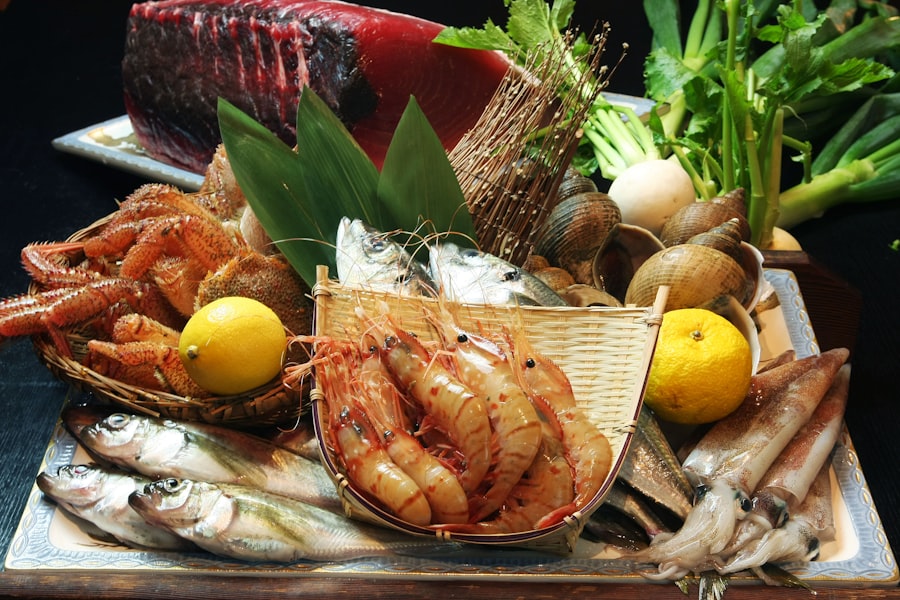
When considering an ocean-friendly diet, it’s essential to identify foods that actively contribute to the health of marine ecosystems. One of the most significant categories includes sustainably sourced seafood. This encompasses fish and shellfish caught or farmed using methods that minimize environmental impact.
For instance, wild-caught fish from well-managed fisheries can be a great choice, as these fisheries often adhere to strict regulations designed to protect fish populations and their habitats. By opting for seafood certified by organizations like the Marine Stewardship Council (MSC), you can ensure that your choices support responsible fishing practices. In addition to seafood, there are numerous plant-based foods that play a crucial role in ocean conservation.
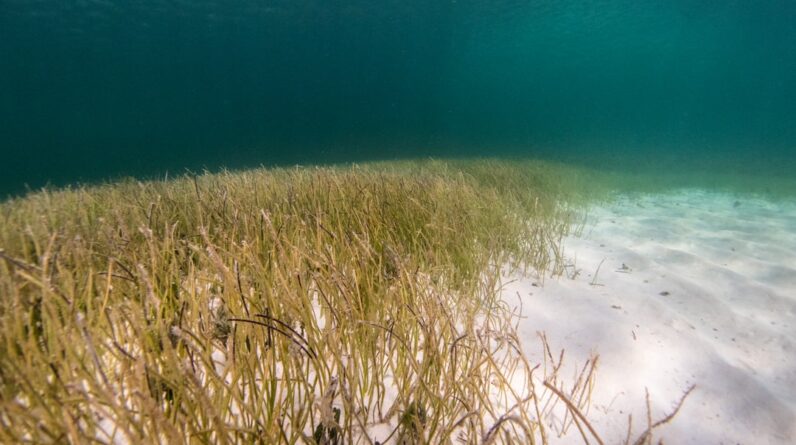
Sea vegetables, such as kelp and nori, are not only nutritious but also beneficial for marine environments. These plants absorb carbon dioxide and provide habitat for various marine species. Incorporating sea vegetables into your diet can help promote sustainable aquaculture practices while also offering a unique flavor profile to your meals.
Furthermore, choosing organic fruits and vegetables grown without harmful pesticides can reduce runoff into waterways, ultimately protecting marine life from toxic chemicals.
The Impact of Seafood on the Ocean
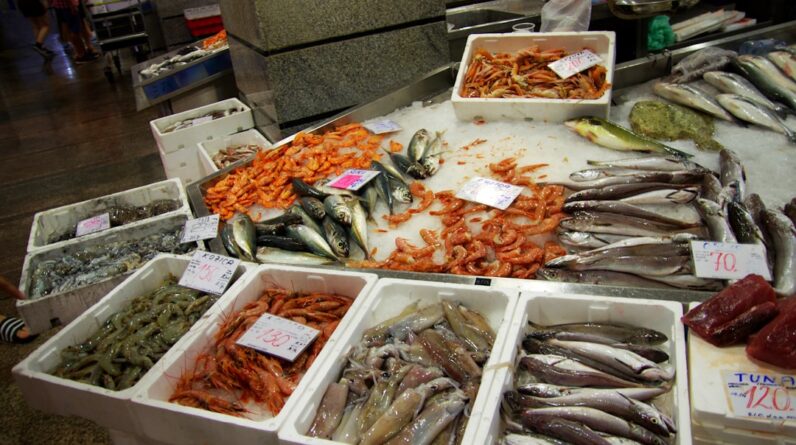
The seafood industry has a profound impact on ocean health, and understanding this influence is crucial for making informed dietary choices. Overfishing remains one of the most pressing issues facing our oceans today. When fish populations are harvested at unsustainable rates, it disrupts the balance of marine ecosystems, leading to declines in biodiversity and the collapse of certain species.
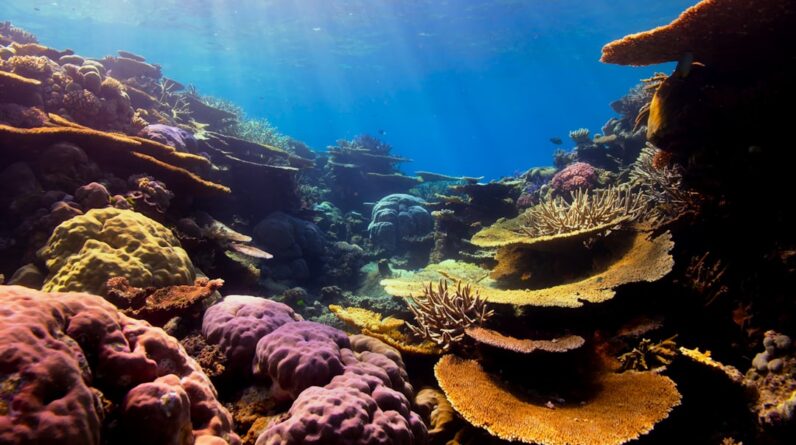
As a consumer, your demand for seafood directly affects fishing practices and can either exacerbate or alleviate these challenges. Moreover, destructive fishing methods, such as bottom trawling, can cause significant damage to ocean habitats. This practice involves dragging heavy nets across the seafloor, which not only captures unintended species but also destroys coral reefs and other vital ecosystems.
By being selective about the seafood you consume and supporting fisheries that prioritize sustainable practices, you can help mitigate these negative impacts. Your choices can encourage a shift towards more responsible fishing methods that protect both marine life and the habitats they depend on.
Plant-Based Alternatives for a Sustainable Diet
As you explore options for an ocean-friendly diet, consider incorporating more plant-based alternatives into your meals. These foods not only reduce your reliance on seafood but also offer numerous health benefits. Legumes, grains, nuts, and seeds are excellent sources of protein and essential nutrients while having a significantly lower environmental footprint compared to animal products.
By embracing a plant-based lifestyle, you can contribute to reducing overfishing pressures and promote a more sustainable food system. Additionally, plant-based alternatives can be delicious and versatile. You might experiment with dishes that feature lentils or chickpeas as protein sources instead of fish or meat.
Creative recipes using ingredients like quinoa or tempeh can provide satisfying meals while aligning with your commitment to ocean conservation. As you transition towards more plant-based options, you may find that your palate expands and your culinary skills flourish, all while making a positive impact on the health of our oceans.
The Role of Agriculture in Ocean Conservation
Agriculture plays a significant role in ocean conservation, particularly through its influence on water quality and coastal ecosystems. Conventional farming practices often rely on chemical fertilizers and pesticides that can run off into rivers and eventually reach the ocean. This runoff contributes to nutrient pollution, leading to harmful algal blooms that deplete oxygen levels in water and create dead zones where marine life cannot survive.
By choosing organic or regenerative agricultural products, you can support farming methods that prioritize soil health and minimize chemical use. Furthermore, sustainable agricultural practices can enhance coastal resilience by preserving wetlands and mangroves that act as natural buffers against storm surges and erosion. These ecosystems provide critical habitat for various marine species while also filtering pollutants from water before they reach the ocean.
By supporting local farmers who engage in sustainable practices, you contribute to a healthier environment both on land and in the sea.
Foods to Avoid for a Healthy Ocean
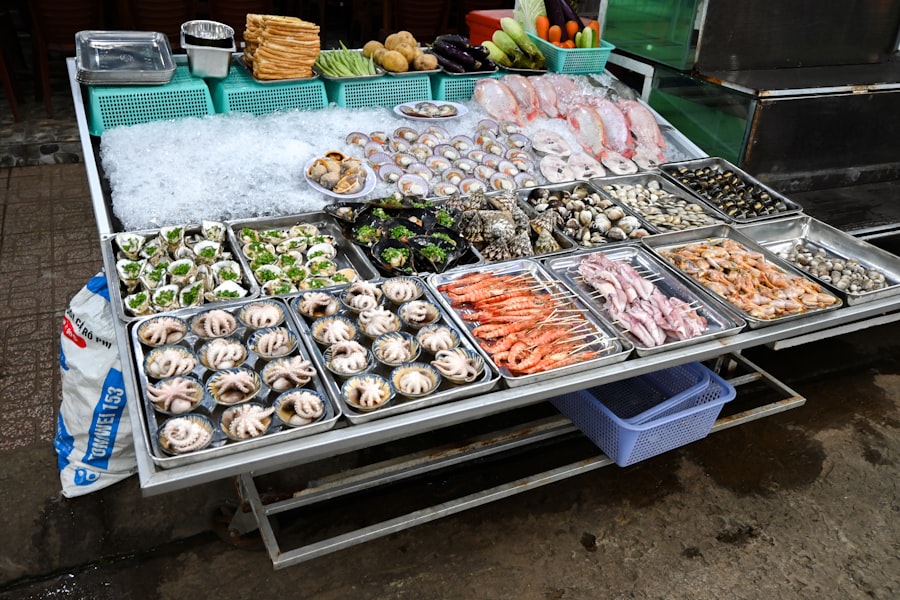
While there are many foods that support ocean health, it’s equally important to recognize those that should be avoided. Certain types of seafood are notorious for being unsustainable due to overfishing or harmful harvesting methods. For example, species like bluefin tuna and shark are often caught at alarming rates, leading to severe population declines.
By avoiding these fish in your diet, you help reduce demand for products that threaten their survival. Additionally, processed foods containing ingredients linked to environmental degradation should be approached with caution. For instance, palm oil production has been associated with deforestation and habitat destruction in tropical regions, which can have far-reaching effects on global ecosystems, including oceans.
By being vigilant about the products you consume and opting for alternatives that prioritize sustainability, you can play an active role in protecting marine environments.
The Importance of Sustainable Fishing Practices
Sustainable fishing practices are essential for maintaining healthy fish populations and preserving marine ecosystems. These practices encompass a range of strategies designed to minimize environmental impact while ensuring that fishing remains viable for future generations. As a consumer, advocating for sustainable fishing means supporting fisheries that implement responsible management practices, such as catch limits and seasonal closures to allow fish populations to recover.
Moreover, sustainable fishing often involves using selective gear that reduces bycatch—the unintentional capture of non-target species—thereby protecting vulnerable marine life. By choosing seafood from fisheries that prioritize these methods, you contribute to a more balanced ecosystem and help ensure that fish populations remain robust. Your choices can drive demand for sustainable practices within the industry, ultimately leading to healthier oceans.
Making a Difference with Your Food Choices
In conclusion, adopting an ocean-friendly diet is not just about personal health; it’s about making conscious choices that positively impact our planet’s most vital resource—our oceans. By understanding the connection between your food choices and marine conservation, you empower yourself to make decisions that align with your values. Whether it’s opting for sustainably sourced seafood or incorporating more plant-based foods into your meals, every small change contributes to a larger movement toward sustainability.
As you navigate your culinary journey, remember that each meal is an opportunity to advocate for ocean health. By educating yourself about sustainable practices and supporting local farmers and fisheries committed to conservation, you become part of a collective effort to protect our seas. Your choices matter; they have the power to shape the future of our oceans and ensure their vitality for generations to come.
Embrace this responsibility with enthusiasm and creativity as you embark on an ocean-friendly diet that nourishes both your body and the planet.
If you are interested in learning more about how our food choices impact the environment, you may also want to check out the article How Does Planting Trees Help Climate Change?. This article explores the benefits of planting trees for the environment and how it can help mitigate climate change. It provides valuable insights into the positive impact that tree planting can have on our planet’s health and sustainability.
FAQs
What is the Ocean-Friendly Diet?
The Ocean-Friendly Diet refers to a way of eating that aims to reduce the negative impact of food production on the oceans. It involves choosing foods that are sustainably sourced and avoiding those that contribute to overfishing, habitat destruction, and pollution.
What are some foods that help our seas?
Some foods that are considered ocean-friendly include sustainably sourced seafood, such as wild-caught Alaskan salmon, Pacific sardines, and Atlantic mackerel. Plant-based foods like seaweed, kelp, and algae are also beneficial for the oceans as they require minimal resources to grow and harvest.
What are some foods that hurt our seas?
Foods that are harmful to the oceans include those that are produced through unsustainable fishing practices, such as certain types of shrimp, tuna, and swordfish. Additionally, foods that contribute to habitat destruction, such as farmed salmon and shrimp, can also have a negative impact on the seas.
How can I adopt an Ocean-Friendly Diet?
To adopt an Ocean-Friendly Diet, you can start by choosing seafood that is certified sustainable by organizations like the Marine Stewardship Council or the Aquaculture Stewardship Council. You can also reduce your consumption of seafood and opt for plant-based alternatives, as well as support local and organic food producers.