


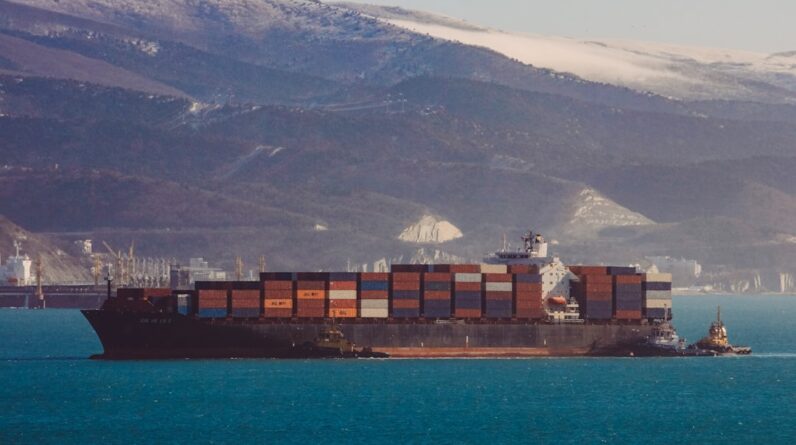
As you navigate the complexities of our modern world, it becomes increasingly clear that the oceans, which cover over 70% of the Earth’s surface, are not just vast bodies of water but vital ecosystems that sustain life. Among the many challenges facing these ecosystems, the impact of maritime traffic on ocean oxygen levels is a pressing concern. The shipping industry, while essential for global trade and economic growth, contributes significantly to the degradation of ocean health.
The emissions from ships, coupled with the physical disturbances caused by their movement, can lead to a decrease in dissolved oxygen levels in the water, which is crucial for the survival of marine organisms. Understanding the relationship between maritime traffic and ocean oxygen is essential for grasping the broader implications of human activity on marine environments. As you delve deeper into this issue, you will discover that the consequences extend beyond just the immediate effects on marine life; they ripple through entire ecosystems and ultimately affect human societies.
The urgency of addressing this problem cannot be overstated, as the health of our oceans is intrinsically linked to the well-being of our planet and its inhabitants.
Key Takeaways
- Maritime traffic contributes to ocean oxygen depletion through the release of pollutants and greenhouse gases.
- Shipping activities lead to increased nutrient runoff and algal blooms, further reducing ocean oxygen levels.
- Decreased ocean oxygen can result in the loss of marine biodiversity and the disruption of ecosystems.
- Marine life, including fish and other organisms, can suffer from oxygen-deprived waters, impacting fisheries and food chains.
- Sustainable shipping practices and mitigation strategies are crucial for addressing the impact of maritime traffic on ocean oxygen levels.
The Role of Shipping in Ocean Oxygen Depletion
Shipping plays a pivotal role in global commerce, transporting goods across vast distances. However, this essential service comes at a cost. The combustion of fossil fuels in ships releases a variety of pollutants into the atmosphere and oceans, including nitrogen oxides and sulfur oxides.
These emissions contribute to the formation of acid rain and can lead to nutrient pollution in marine environments. When excess nutrients enter the ocean, they can trigger algal blooms that consume large amounts of oxygen as they decompose, leading to hypoxic conditions—areas where oxygen levels are critically low. Moreover, the physical presence of ships in the water can disrupt natural processes that contribute to oxygen replenishment.
The propeller wash and hull movement can resuspend sediments on the ocean floor, which can smother benthic organisms and disrupt their ability to thrive. This disruption not only affects local biodiversity but also diminishes the ocean’s capacity to produce oxygen through photosynthesis by phytoplankton. As you consider these factors, it becomes evident that maritime traffic is not merely a logistical concern; it is a significant driver of oceanic changes that threaten the delicate balance of marine ecosystems.
The Environmental Consequences of Decreased Ocean Oxygen

The decline in ocean oxygen levels has far-reaching environmental consequences that extend beyond immediate marine life impacts. Hypoxic zones, often referred to as “dead zones,” are areas where oxygen levels are so low that most marine life cannot survive. These zones have been increasing in size and number globally, largely due to human activities such as shipping and agricultural runoff.
As you reflect on this phenomenon, it becomes clear that the implications are dire: entire ecosystems can collapse, leading to a loss of biodiversity and altering food webs. Additionally, decreased oxygen levels can exacerbate climate change effects. Oceans play a crucial role in carbon sequestration, absorbing significant amounts of carbon dioxide from the atmosphere.
However, when oxygen levels drop, the ability of marine organisms to perform essential functions—such as respiration and nutrient cycling—diminishes. This disruption can lead to increased carbon emissions from the ocean back into the atmosphere, further intensifying global warming. As you contemplate these interconnected issues, it is evident that addressing ocean oxygen depletion is not just an environmental concern; it is a critical component of combating climate change.
The Impact on Marine Life and Ecosystems
The ramifications of decreased ocean oxygen levels on marine life are profound and multifaceted. Many species, including fish, crustaceans, and mollusks, rely on adequate oxygen levels for survival. When oxygen becomes scarce, these organisms may experience stress or even death, leading to population declines and shifts in species distribution.
As you consider the implications for biodiversity, it becomes apparent that entire communities can be affected; species that are unable to adapt or migrate may face extinction. Furthermore, the impact on ecosystems extends beyond individual species. Coral reefs, often referred to as the “rainforests of the sea,” are particularly vulnerable to changes in oxygen levels.
These ecosystems rely on a delicate balance of nutrients and oxygen for their health and resilience. When hypoxic conditions prevail, coral bleaching events can become more frequent and severe, leading to widespread degradation of these vital habitats. As you reflect on these interconnected relationships within marine ecosystems, it becomes clear that the health of one species or habitat is intricately linked to the overall health of the ocean.
The Economic and Social Implications of Ocean Oxygen Depletion
The economic implications of ocean oxygen depletion are significant and far-reaching. Fisheries, which provide livelihoods for millions around the world, are directly impacted by declining fish populations due to hypoxia. As fish stocks dwindle, communities that rely on fishing for sustenance and income face economic hardship.
The ripple effects extend beyond local economies; global seafood markets can be destabilized as supply diminishes. As you consider these economic realities, it becomes evident that addressing ocean oxygen depletion is not just an environmental issue but also a matter of social justice and economic stability. Moreover, tourism industries that depend on healthy marine environments—such as diving, snorkeling, and recreational fishing—are also at risk.
As coral reefs decline and fish populations dwindle, tourist destinations may lose their appeal, leading to further economic decline in coastal communities. The social fabric of these communities can be strained as livelihoods are threatened and food security becomes compromised. As you reflect on these interconnected challenges, it becomes clear that sustainable management of maritime traffic is essential for preserving both economic opportunities and social well-being.
Mitigation Strategies for Reducing Maritime Traffic’s Effect on Ocean Oxygen

To address the pressing issue of maritime traffic’s impact on ocean oxygen levels, a multifaceted approach is necessary. One effective strategy involves implementing stricter regulations on ship emissions. By adopting cleaner technologies and fuels, shipping companies can significantly reduce their environmental footprint.
You may consider how international agreements like MARPOL (the International Convention for the Prevention of Pollution from Ships) can be strengthened to enforce stricter emission standards and promote sustainable practices within the industry. Another critical strategy involves enhancing monitoring and research efforts to better understand the relationship between maritime traffic and ocean health. By investing in scientific research and data collection, policymakers can make informed decisions about shipping routes and practices that minimize environmental impact.
Additionally, promoting alternative transportation methods—such as rail or electric vehicles for short-distance shipping—can help alleviate some pressure on marine ecosystems. As you contemplate these strategies, it becomes clear that collaboration among governments, industries, and communities is essential for creating effective solutions.
The Importance of Sustainable Shipping Practices
Sustainable shipping practices are vital for mitigating the impact of maritime traffic on ocean oxygen levels and ensuring the long-term health of marine ecosystems. You may find it encouraging that many shipping companies are beginning to adopt more environmentally friendly practices, such as using cleaner fuels or investing in energy-efficient technologies. These initiatives not only help reduce emissions but also promote a culture of sustainability within the industry.
Furthermore, consumer awareness plays a crucial role in driving change within the shipping sector. As you consider your own purchasing decisions, remember that supporting companies committed to sustainable practices can create a ripple effect throughout the industry. By prioritizing eco-friendly shipping options and advocating for transparency in supply chains, you can contribute to a collective effort toward preserving ocean health.
Ultimately, fostering a culture of sustainability within maritime traffic is essential for protecting our oceans for future generations.
Conclusion and Call to Action for Addressing Maritime Traffic’s Impact on Ocean Oxygen
In conclusion, the impact of maritime traffic on ocean oxygen levels is a complex issue with far-reaching consequences for marine life, ecosystems, economies, and societies at large. As you reflect on this critical challenge, it becomes clear that immediate action is necessary to mitigate its effects and promote sustainable practices within the shipping industry. By advocating for stricter regulations on emissions, supporting research initiatives, and embracing sustainable shipping practices, you can play an active role in addressing this pressing issue.
The health of our oceans is not just an environmental concern; it is a matter of global significance that affects us all. As stewards of our planet, we have a responsibility to protect these vital ecosystems for future generations. Your voice matters—whether through individual actions or collective advocacy—every effort counts in creating a more sustainable future for our oceans.
Together, we can work towards solutions that ensure healthy oceans and thriving marine life while supporting economic stability and social well-being in coastal communities around the world.
In addition to the detrimental effects of maritime traffic on ocean oxygen levels, it is crucial to consider the role of trees in combating global warming. Planting trees on a massive scale can help mitigate the impacts of climate change by absorbing carbon dioxide from the atmosphere. To learn more about how tree planting can help address deforestation and save the Earth from global warming, check out this insightful article on