As you gaze out at the vast expanse of the ocean, it’s easy to forget that this magnificent body of water is not just a beautiful backdrop; it is a vital component of our planet’s health. The ocean covers more than 70% of the Earth’s surface and plays a crucial role in regulating climate, supporting biodiversity, and providing food and livelihoods for millions of people. Understanding the importance of ocean conservation is essential, not only for the marine life that inhabits these waters but also for humanity as a whole.
The ocean acts as a carbon sink, absorbing a significant amount of carbon dioxide from the atmosphere, which helps mitigate climate change. However, human activities such as overfishing, pollution, and habitat destruction threaten this delicate balance. You may wonder how your actions can impact the ocean’s health.
Every small choice you make can contribute to a larger movement toward conservation. By recognizing the interconnectedness of all life forms and the ecosystems they inhabit, you can appreciate the ocean’s role in sustaining life on Earth. The health of our oceans directly affects weather patterns, food security, and even our own well-being.
Therefore, fostering a sense of responsibility toward ocean conservation is not just an environmental issue; it is a moral imperative that requires collective action from individuals, communities, and governments alike.
Key Takeaways
- Ocean conservation is crucial for the health of our planet and the survival of marine life.
- Teaching kids about marine life and ecosystems can instill a sense of responsibility and stewardship for the ocean.
- Engaging kids in beach cleanups and conservation projects can help them understand the impact of human activities on the ocean.
- Educating kids about the dangers of plastic pollution can empower them to make more sustainable choices.
- Encouraging sustainable habits at home, such as reducing plastic use and conserving water, can have a positive impact on the ocean.
Teaching Kids About Marine Life and Ecosystems
When it comes to instilling a sense of wonder and respect for the ocean in children, education is key. Teaching kids about marine life and ecosystems can ignite their curiosity and foster a lifelong passion for the ocean. You can start by introducing them to the diverse array of species that call the ocean home, from the majestic blue whale to the vibrant clownfish.
Engaging them with fun facts and interactive activities can make learning about marine life an exciting adventure. For instance, you might consider organizing trips to aquariums or marine sanctuaries where they can observe these creatures up close. In addition to learning about individual species, it’s essential to explain how these organisms interact within their ecosystems.
You can illustrate concepts like food chains and the importance of biodiversity in maintaining healthy marine environments. By using visual aids, storytelling, or even hands-on experiments, you can help children grasp complex ideas in a way that resonates with them. When kids understand that every creature plays a role in its ecosystem, they are more likely to appreciate the need for conservation efforts and feel empowered to make a difference.
Engaging Kids in Beach Cleanups and Conservation Projects

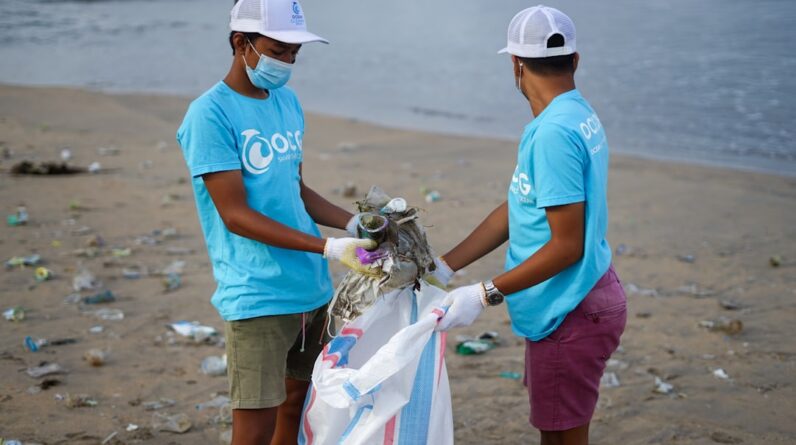
One of the most effective ways to teach children about ocean conservation is through direct involvement in beach cleanups and conservation projects. When you take your kids to the beach for a cleanup day, they not only learn about the impact of litter on marine life but also experience firsthand the satisfaction of making a positive change. You can explain how trash can harm animals that ingest or become entangled in debris, making the issue more tangible for them.
As they pick up plastic bottles, wrappers, and other waste, they will begin to understand their role in protecting the environment. Participating in organized conservation projects can also provide kids with valuable lessons about teamwork and community engagement. Whether it’s planting native vegetation to restore coastal habitats or participating in citizen science initiatives that monitor local wildlife, these activities can deepen their connection to the ocean.
You might find that your children develop a sense of pride in their contributions, realizing that their efforts are part of a larger movement toward sustainability. By engaging them in hands-on activities, you are not only teaching them about conservation but also instilling values of responsibility and stewardship.
Educating Kids About the Dangers of Plastic Pollution
Plastic pollution is one of the most pressing issues facing our oceans today, and educating kids about its dangers is crucial for fostering awareness and action. You can start by explaining how plastic waste ends up in the ocean and its devastating effects on marine life. For example, sea turtles often mistake plastic bags for jellyfish, leading to fatal consequences.
By sharing stories or documentaries that highlight these issues, you can create an emotional connection that motivates children to care about the problem. Moreover, you can encourage critical thinking by discussing solutions to plastic pollution. Engage your kids in conversations about alternatives to single-use plastics and the importance of recycling.
You might even challenge them to come up with their own ideas for reducing plastic use at home or school. By empowering them with knowledge and encouraging proactive behavior, you are equipping them with the tools they need to advocate for change. This education will not only help them understand the gravity of plastic pollution but also inspire them to be part of the solution.
Encouraging Sustainable Habits at Home
Creating a culture of sustainability at home is essential for reinforcing the lessons learned about ocean conservation. You can lead by example by adopting eco-friendly practices that reduce your family’s environmental footprint. Simple changes like using reusable bags, water bottles, and containers can significantly decrease plastic waste.
Involving your kids in these practices will help them understand that sustainability is a shared responsibility and that their actions matter. Additionally, you might consider starting a family project focused on reducing waste or conserving energy. For instance, creating a compost bin or starting a small garden can teach children about recycling organic materials while fostering an appreciation for nature.
You can also discuss the importance of conserving water and energy by implementing small changes like turning off lights when leaving a room or taking shorter showers. By making sustainability a family value, you are instilling habits that will last a lifetime and contribute positively to ocean conservation efforts.
Inspiring Kids to Advocate for Ocean Protection

Inspiring children to become advocates for ocean protection is one of the most impactful ways to ensure a brighter future for our oceans. You can encourage them to express their passion through various channels such as art, writing, or public speaking. For example, they might create posters or write letters to local representatives advocating for policies that protect marine environments.
By giving them a platform to voice their concerns, you empower them to take ownership of their beliefs and inspire others to join their cause. You might also introduce your kids to organizations dedicated to ocean conservation and encourage them to participate in campaigns or events. Many organizations offer youth programs that teach advocacy skills while providing opportunities for hands-on involvement in conservation efforts.
By connecting your children with like-minded peers and mentors, you help them build a network of support that reinforces their commitment to protecting the ocean. This sense of community can be incredibly motivating and instill a lifelong dedication to environmental stewardship.
Providing Opportunities for Hands-On Learning and Exploration
Hands-on learning experiences are invaluable when it comes to fostering a deep connection with the ocean. You can provide opportunities for exploration through activities like snorkeling, tide pooling, or kayaking. These experiences allow children to witness marine life in its natural habitat, sparking curiosity and wonder about the underwater world.
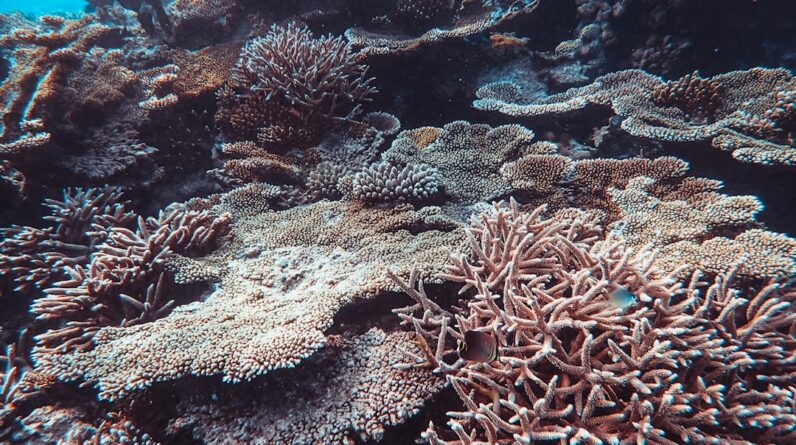
When they see colorful fish darting among coral reefs or discover crabs scuttling along rocky shores, they are more likely to develop an emotional bond with the ocean. Additionally, consider enrolling your kids in marine science camps or workshops where they can engage in experiments and learn from experts in the field. These programs often include field trips that expose children to various marine environments while teaching them about ecosystems and conservation efforts.
By immersing them in hands-on learning opportunities, you are not only enhancing their knowledge but also nurturing their passion for marine life and inspiring them to become advocates for its protection.
Fostering a Lifelong Love and Respect for the Ocean
Ultimately, your goal should be to foster a lifelong love and respect for the ocean in your children. This journey begins with education and engagement but must be nurtured over time through continued exploration and advocacy. Encourage your kids to share their experiences with friends and family, spreading awareness about ocean conservation beyond your household.
By creating a culture of appreciation for marine environments within your community, you contribute to a larger movement toward sustainability. As your children grow older, continue to support their interests in marine science or environmental advocacy by providing resources such as books, documentaries, or volunteer opportunities. Celebrate their achievements and encourage them to pursue careers or hobbies related to ocean conservation if they express interest.
By remaining involved in their journey and reinforcing the importance of protecting our oceans, you help ensure that they carry this passion into adulthood—becoming informed stewards of our planet’s most precious resource: the ocean.
In addition to teaching kids to protect our seas, it is also important to educate them on the benefits of planting trees for the environment. One related article discusses how planting trees can help combat deforestation and its positive impact on the environment. To learn more about the benefits of planting trees, check out this article.
FAQs
What are some ways to teach kids about protecting the ocean?
Some ways to teach kids about protecting the ocean include educating them about the importance of marine life, reducing plastic use, participating in beach clean-ups, and supporting conservation efforts.
Why is it important to teach kids about protecting the ocean?
Teaching kids about protecting the ocean is important because it instills a sense of responsibility and stewardship for the environment from a young age, ensuring that future generations will continue to care for and protect our seas.
What are some resources for teaching kids about ocean conservation?
There are many resources available for teaching kids about ocean conservation, including children’s books, educational websites, documentaries, and interactive exhibits at aquariums and marine centers.
How can parents and educators incorporate ocean conservation into children’s education?
Parents and educators can incorporate ocean conservation into children’s education by integrating marine science into lesson plans, organizing field trips to coastal areas, and involving kids in hands-on conservation activities.
What are some simple actions kids can take to protect the ocean?
Simple actions kids can take to protect the ocean include reducing plastic use, conserving water, participating in beach clean-ups, and supporting organizations that work to protect marine life and habitats.