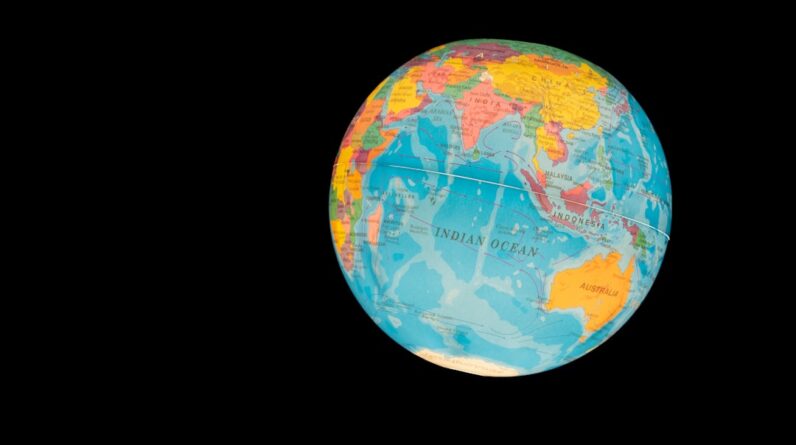
When you think about the sources of oxygen that sustain life on Earth, your mind might immediately drift to the lush forests and sprawling greenery that blanket the land. However, the oceans play an equally vital role in producing the oxygen you breathe. Covering over 70% of the Earth’s surface, oceans are not just vast bodies of water; they are dynamic ecosystems teeming with life.
The contribution of oceans to the planet’s oxygen supply is staggering, with estimates suggesting that they produce around 50% to 80% of the oxygen in the atmosphere. This remarkable fact underscores the importance of understanding how oceans function as oxygen producers and the intricate relationships that exist within these aquatic environments. As you delve deeper into this topic, you will discover that the ocean’s contribution to oxygen is primarily driven by microscopic organisms known as phytoplankton.
These tiny, often overlooked creatures are responsible for a significant portion of photosynthesis in marine environments. By harnessing sunlight and converting carbon dioxide into oxygen, phytoplankton not only support marine life but also play a crucial role in maintaining the balance of gases in the atmosphere. Understanding this relationship is essential for appreciating the interconnectedness of life on Earth and recognizing the urgent need to protect our oceans.
Key Takeaways
- The ocean is a significant contributor to the production of oxygen on Earth, generating about 50-85% of the oxygen in the atmosphere.
- Phytoplankton, microscopic marine plants, play a crucial role in oxygen production through the process of photosynthesis, converting carbon dioxide and sunlight into oxygen.
- Oceanic photosynthesis is essential for maintaining the balance of oxygen and carbon dioxide in the atmosphere, helping to regulate the Earth’s climate and support marine life.
- The ocean’s health directly impacts atmospheric oxygen levels, with factors such as temperature, acidity, and nutrient levels influencing the production of oxygen by marine organisms.
- Human activities, such as pollution, overfishing, and climate change, have a significant impact on oceanic oxygen production, threatening the health of marine ecosystems and the balance of oxygen in the atmosphere.
The Role of Phytoplankton in Oxygen Production
Phytoplankton are the unsung heroes of the ocean, often referred to as the “grass of the sea.” These microscopic plants are found in sunlit surface waters and are responsible for a substantial amount of photosynthesis in marine ecosystems. As you explore their role in oxygen production, you’ll find that these tiny organisms are incredibly efficient at converting sunlight into energy. Through photosynthesis, they absorb carbon dioxide and release oxygen as a byproduct, contributing significantly to the overall oxygen levels in the atmosphere.
The diversity of phytoplankton species is astounding, with thousands of different types existing in various marine environments. Each species has its unique adaptations that allow it to thrive in specific conditions, from nutrient-rich coastal waters to the open ocean. As you learn more about these organisms, you’ll come to appreciate their resilience and adaptability.
They form the foundation of the marine food web, supporting not only themselves but also a myriad of other marine life, including fish, whales, and even seabirds. The health of phytoplankton populations is directly linked to ocean health, making them a critical focus for scientists studying climate change and its impact on marine ecosystems.
The Importance of Oceanic Photosynthesis

Oceanic photosynthesis is a complex process that goes beyond just oxygen production; it plays a pivotal role in regulating global climate and supporting marine biodiversity. As you consider the significance of this process, you’ll realize that it helps sequester carbon dioxide from the atmosphere, mitigating the effects of climate change. By absorbing this greenhouse gas, oceans act as a buffer against rising temperatures and contribute to maintaining a stable climate system.
Moreover, oceanic photosynthesis is intricately tied to nutrient cycling within marine ecosystems. Phytoplankton require nutrients such as nitrogen and phosphorus to thrive, and their growth can stimulate a cascade of biological activity throughout the food web. When phytoplankton bloom, they not only produce oxygen but also provide food for zooplankton and other marine organisms.
This interconnectedness highlights how oceanic photosynthesis is not just about producing oxygen; it is a fundamental process that sustains life in the ocean and beyond.
The Ocean’s Relationship to Atmospheric Oxygen
The relationship between oceans and atmospheric oxygen is a delicate balance that has evolved over millions of years. As you explore this connection, you’ll find that oceans act as both a source and a sink for atmospheric gases. While phytoplankton produce oxygen through photosynthesis, oceans also absorb significant amounts of oxygen from the atmosphere.
This exchange is crucial for maintaining the levels of oxygen necessary for both marine and terrestrial life. However, this balance is increasingly threatened by human activities and environmental changes. As you consider the implications of climate change, pollution, and overfishing, you’ll recognize that these factors can disrupt the delicate equilibrium between oceanic oxygen production and atmospheric levels.
For instance, rising sea temperatures can lead to decreased phytoplankton productivity, while nutrient runoff from agricultural practices can cause harmful algal blooms that further impact oxygen levels. Understanding this relationship is vital for developing strategies to protect both ocean health and atmospheric quality.
Human Impact on Oceanic Oxygen Production
As you reflect on human impact on oceanic oxygen production, it becomes clear that our actions have far-reaching consequences for marine ecosystems. Overfishing, pollution, and climate change are just a few examples of how human activities can disrupt the delicate balance that sustains phytoplankton populations and overall ocean health. For instance, excessive nutrient runoff from agricultural practices can lead to eutrophication—a process where nutrient overload causes algal blooms that deplete oxygen levels in the water.
This phenomenon creates “dead zones,” areas where marine life struggles to survive due to insufficient oxygen. Additionally, climate change poses a significant threat to oceanic oxygen production. Rising sea temperatures can alter phytoplankton distribution and productivity, while ocean acidification—resulting from increased carbon dioxide absorption—can negatively impact these organisms’ ability to photosynthesize effectively.
As you consider these challenges, it becomes evident that addressing human impacts on oceans is crucial for ensuring their continued role in oxygen production and overall ecosystem health.
The Connection Between Ocean Health and Oxygen Levels

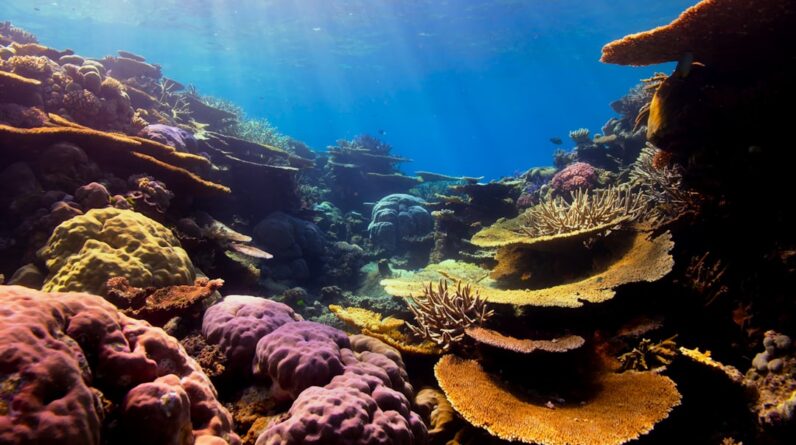
The health of our oceans is intrinsically linked to their ability to produce oxygen. As you explore this connection further, you’ll discover that healthy marine ecosystems support robust phytoplankton populations, which in turn contribute to higher oxygen levels in the atmosphere. Coral reefs, seagrass beds, and mangroves are all vital habitats that provide essential nutrients and shelter for phytoplankton and other marine organisms.
Protecting these ecosystems is not only important for biodiversity but also for maintaining the ocean’s capacity to produce oxygen. Conversely, when ocean health declines due to pollution or habitat destruction, phytoplankton populations can suffer dramatically. This decline can lead to reduced oxygen production and increased vulnerability of marine life to stressors such as climate change.
As you consider this relationship, it becomes clear that promoting ocean health through conservation efforts is essential for safeguarding our planet’s oxygen supply and ensuring a sustainable future for all living beings.
The Future of Oceanic Oxygen Production
Looking ahead, the future of oceanic oxygen production hinges on our collective ability to address environmental challenges and promote sustainable practices. As you contemplate potential solutions, you’ll find that innovative approaches such as marine protected areas (MPAs) can play a crucial role in safeguarding vital habitats and promoting biodiversity. By establishing MPAs, we can create safe havens for phytoplankton and other marine organisms, allowing them to thrive and continue their essential role in oxygen production.
Moreover, advancements in technology and research can help us better understand the complex dynamics of ocean ecosystems. By investing in scientific studies focused on phytoplankton behavior and responses to environmental changes, we can develop more effective strategies for conservation and restoration efforts. As you consider these possibilities, it becomes evident that fostering collaboration between governments, scientists, and communities will be key to ensuring the future health of our oceans and their capacity to produce oxygen.
The Ongoing Importance of Protecting Oceanic Oxygen Production
In conclusion, the oceans’ contribution to oxygen production is an intricate web of relationships that sustains life on Earth. From the vital role played by phytoplankton to the delicate balance between ocean health and atmospheric gases, understanding this connection is essential for appreciating our planet’s ecosystems. As you reflect on the challenges posed by human activities and environmental changes, it becomes clear that protecting oceanic oxygen production must be a priority for individuals and communities alike.
By advocating for sustainable practices, supporting conservation efforts, and raising awareness about the importance of healthy oceans, you can contribute to safeguarding this invaluable resource for future generations. The ongoing importance of protecting oceanic oxygen production cannot be overstated; it is not just about preserving marine life but ensuring a livable planet for all forms of life on Earth. Your actions today can help shape a healthier future for our oceans—and ultimately—for ourselves.
In addition to the ocean’s crucial role in producing oxygen, planting trees also plays a significant part in combating climate change and preserving biodiversity. According to How Does Planting Trees Help Climate Change?, trees absorb carbon dioxide and release oxygen through photosynthesis, helping to reduce greenhouse gas emissions. Another article, Biodiversity Reservoir by Having Healthy Forest, highlights the importance of healthy forests in supporting a wide range of plant and animal species, contributing to the overall health of our planet. By understanding and promoting the interconnectedness of our natural ecosystems, we can work towards a more sustainable future for all.
FAQs
What is the ocean’s contribution to our oxygen?
The ocean is a major source of oxygen production on Earth. It is estimated that between 50-80% of the oxygen in the atmosphere comes from the ocean.
How does the ocean produce oxygen?
Oxygen is produced in the ocean through the process of photosynthesis by marine plants, algae, and phytoplankton. These organisms use sunlight to convert carbon dioxide and water into oxygen and organic compounds.
Why is the ocean’s contribution to oxygen important?
The ocean’s contribution to oxygen is crucial for the survival of marine life and for maintaining the balance of oxygen in the Earth’s atmosphere. It also plays a vital role in supporting the overall health of the planet.
What are the threats to the ocean’s oxygen production?
Climate change, ocean acidification, pollution, and overfishing are some of the major threats to the ocean’s oxygen production. These factors can disrupt the balance of marine ecosystems and impact the ability of marine organisms to produce oxygen.
How can we protect the ocean’s contribution to our oxygen?
Protecting marine ecosystems, reducing carbon emissions, and promoting sustainable fishing practices are some of the ways to help protect the ocean’s contribution to our oxygen. It is important to take action to mitigate the threats facing the ocean and ensure its continued ability to produce oxygen.