Have you ever wondered how our day-to-day actions might be silently contributing to a global crisis? It’s a tough question indeed, but it’s one worth pondering. Particularly with the topic of deforestation and its role in global warming, it’s critical to understand the interconnectedness of our natural world.

What is Deforestation?
A Broad Definition
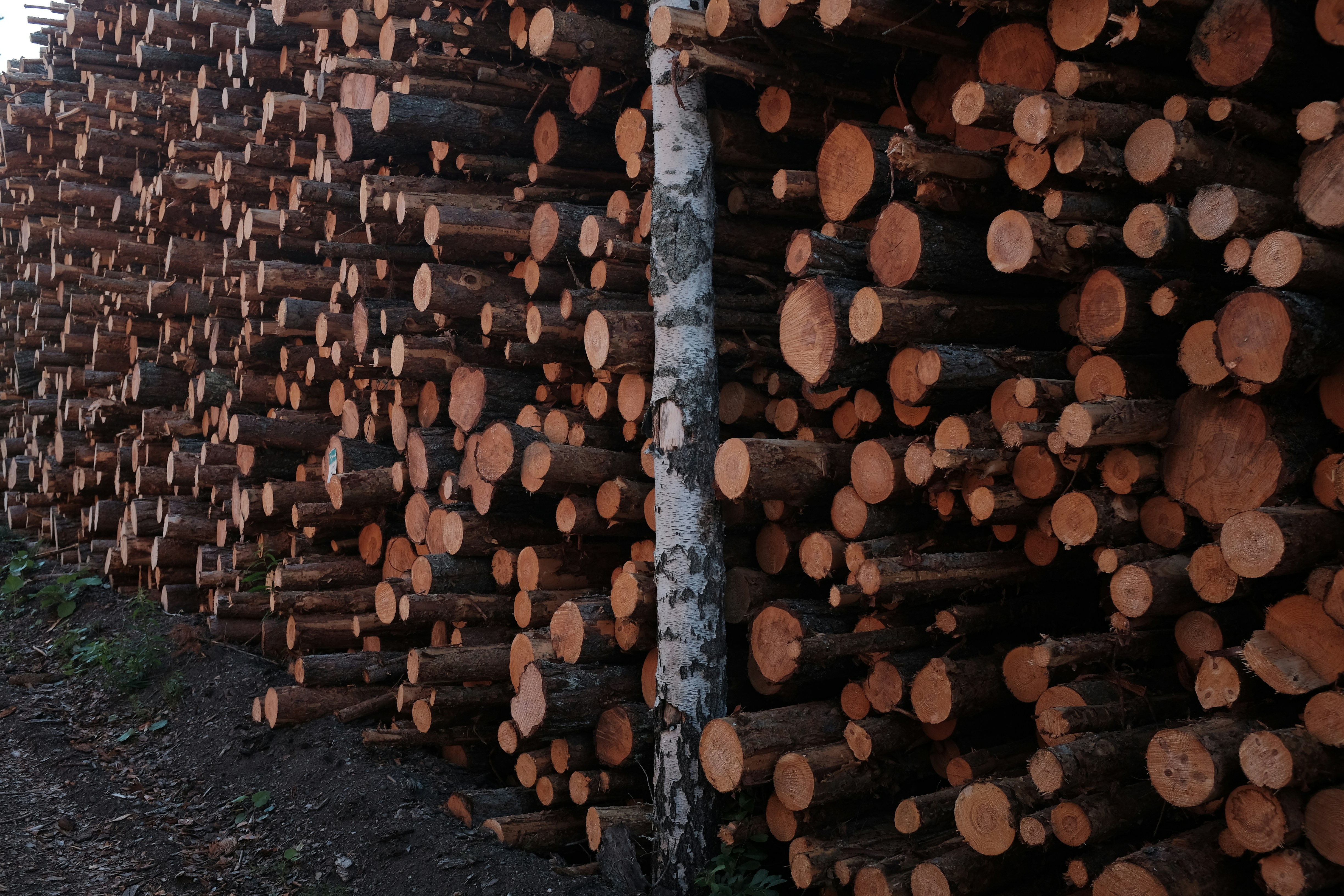
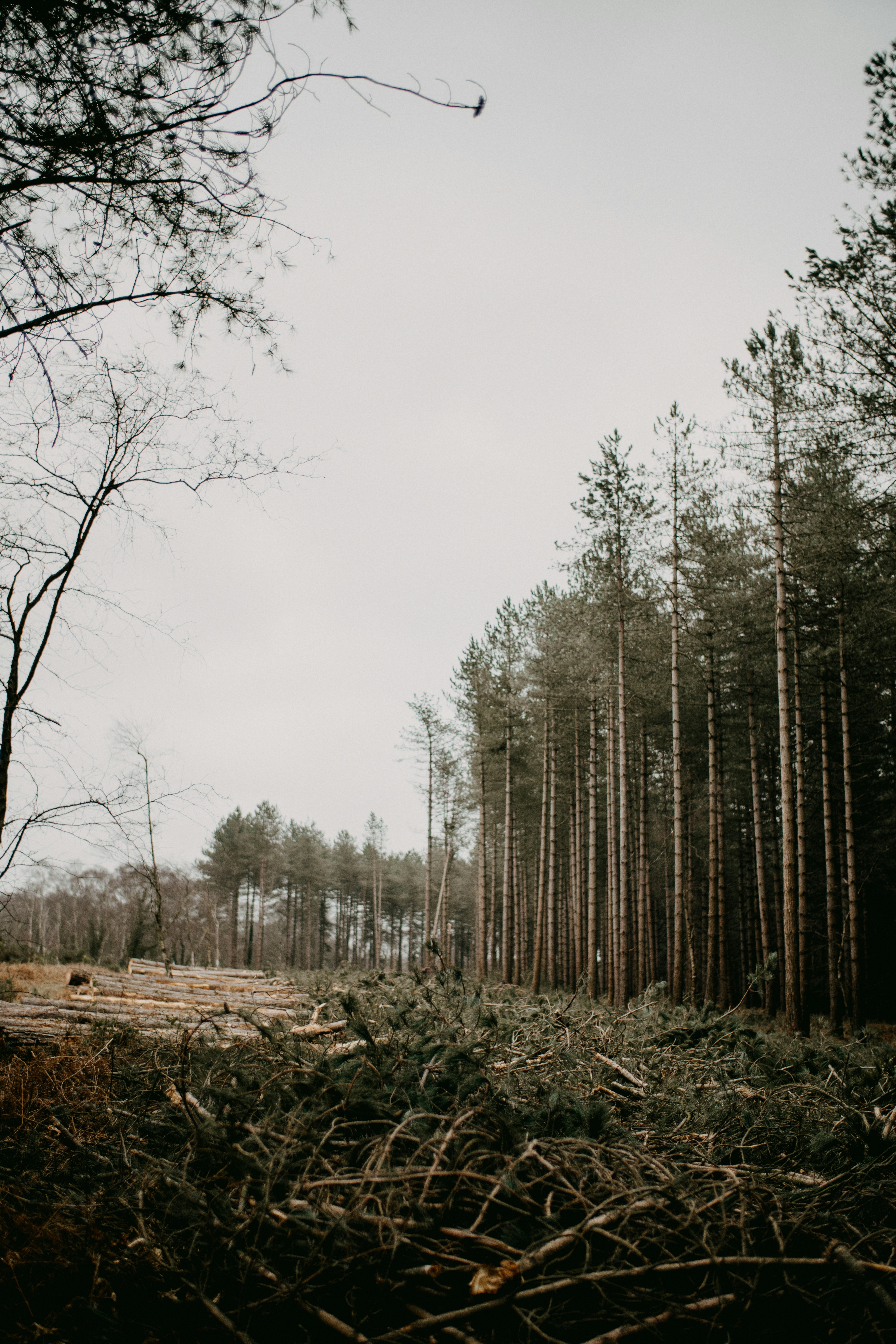
Deforestation is the large-scale removal of forests, often resulting in damage to the quality of the land. This practice is usually carried out to make room for agricultural pursuits, urban development, and logging. While human activity is the leading cause, natural events such as wildfires can also contribute, although to a lesser, often less permanent extent.
Facts and Figures
Here’s a simplified look at the extent of deforestation globally:
| Region | Area Lost (hectares per year) |
|---|---|
| South America | 2.6 million |
| Africa | 3.9 million |
| Southeast Asia | 1.3 million |
| Europe | 0.1 million |
Understanding the sheer magnitude of forest loss is essential to grasping the issue’s seriousness.
Why Are Forests Important?
Forests play a crucial role in maintaining ecological balance. They act as carbon sinks, habitats for countless species, and are vital in water and nutrient cycling. More so, they offer various services for humans, from aiding in oxygen production to providing resources like timber and medicinal plants.
Biodiversity
Did you know that tropical rainforests alone are estimated to contain over 50% of the Earth’s species? Forests are rich biomes, home to diverse plant and animal life. The loss of forests translates directly to the loss of biodiversity, often leading to species extinction.
Carbon Sequestration
Forests are key players in the carbon cycle. They absorb carbon dioxide (CO2) during photosynthesis, storing it in biomass and soil. This process is called carbon sequestration. When forests are cut down, not only is this carbon absorption capacity reduced, but the carbon stored is also released back into the atmosphere as CO2, one of the primary greenhouse gases.
Human Benefits
Forests provide essential resources and services, including water purification, soil stabilization, and food resources. Indigenous communities often rely on forests for their livelihood. Furthermore, forests contribute to mental well-being, offering spaces for recreation and spiritual renewal.
How Does Deforestation Contribute to Global Warming?
The relationship between deforestation and global warming is complex but identifiable. Essentially, the process of deforestation exacerbates global warming through several mechanisms.
Carbon Emissions
When trees are cut down or burned, the carbon stored in their biomass is released into the atmosphere. This sudden release of CO2 increases the concentration of greenhouse gases, which traps heat in the Earth’s atmosphere and contributes to global warming.
Here’s a brief look at the carbon emissions from deforestation:
| Activity | CO2 Emissions (tons) |
|---|---|
| Slash-and-burn agriculture | 1.5 billion |
| Logging (industrial scale) | 450 million |
| Land conversion | 2 billion |
Albedo Effect
Forests have a lower albedo compared to other land types, meaning they absorb more solar energy. When forests are replaced with agricultural land or urban areas, the albedo increases, reflecting more solar radiation back into space. While this might seem like a cooling effect, the overall result tends to disrupt local climate patterns, contributing to warming.
Disruption of Water Cycles
Trees and forests play a significant role in local and global water cycles. Through transpiration, trees release water vapor into the atmosphere, which contributes to cloud formation. The removal of trees disrupts this cycle, potentially reducing precipitation and contributing to more extreme weather events such as droughts.
Historical Context
The Early Phases
Deforestation is not a modern phenomenon, but its scale and impact have dramatically increased in recent centuries. In the early 19th century, laws were enacted in Europe to manage forest resources due to concerns over deforestation’s effects on soil quality and water supplies.
Industrial Revolution
The Industrial Revolution marked a turning point, with an increased demand for timber and land for agriculture driving massive deforestation. This period also saw the advent of fossil fuel usage, further contributing to atmospheric carbon levels.
Modern Era
Today, deforestation occurs at an alarming rate, fueled by a range of activities from logging to land clearance for agriculture. Technological advances in machinery have made it easier to clear large forest areas in relatively short periods, escalating the problem.
Current Hotspots of Deforestation
Amazon Rainforest
The Amazon is often termed the “lungs of the Earth” because of its immense capability to absorb CO2. However, vast sections are being cleared for cattle ranching and soy production. Satellite imagery has shown that in some years, deforestation rates have reached alarming levels.
Southeast Asia
Palm oil plantations are a significant driver of deforestation in this region. Countries like Indonesia and Malaysia have seen vast tracts of tropical rainforest converted into monoculture plantations, which not only affect carbon sequestration but also threaten local biodiversity.
Central Africa
The Congo Basin forests are another critical area, home to diverse species and vast carbon stores. However, logging, mining, and agricultural expansion present severe threats. Local economies often rely on these activities, making it a complex issue to address.
Mitigating the Impact
Reforestation and Afforestation
One of the most straightforward solutions is to plant more trees. Reforestation (replanting trees in deforested areas) and afforestation (planting trees in areas that were not previously forested) are effective methods to restore ecological balance. These efforts can help sequester carbon and restore habitats.
Sustainable Forestry
Implementing sustainable forestry practices can help balance human needs with ecological health. This includes methods like selective logging, where only certain trees are cut down, and clear-cutting is avoided.
Legislation and Policy
Effective policies can play a huge role in mitigating deforestation. Laws aimed at reducing illegal logging, incentivizing sustainable land use, and protecting critical forest areas are crucial. International bodies and agreements, such as the United Nations’ REDD+ program, work towards these goals by offering financial incentives to developing countries to maintain forest cover.
The Role of Technology
Satellite Monitoring
Modern technology allows for real-time monitoring of deforestation through satellite imagery. This can help in early detection and reporting of illegal activities, enabling quicker responses.
Blockchain for Transparency
Emerging technologies like blockchain can offer transparency and traceability in supply chains. This could help consumers make informed choices about the products they buy, promoting goods that adhere to sustainable practices.
Community Involvement
Education and Awareness
Raising awareness about the adverse effects of deforestation and the benefits of maintaining healthy forests is crucial. You can be a part of this change by participating in or supporting educational campaigns and community-based projects.
Local Initiatives
Working with local communities who depend on forests can lead to more sustainable practices. Initiatives that involve indigenous knowledge and local practices are often more successful and sustainable in the long run.

Individual Actions
Conscious Consumption
Your daily choices can have a significant impact. Opt for products that are certified by organizations promoting sustainable practices. Look for labels like FSC (Forest Stewardship Council) or Rainforest Alliance.
Supporting Conservation Efforts
Numerous organizations are working tirelessly to protect forests and promote reforestation. Financially supporting these causes or participating in volunteer programs can make a real difference.
Advocacy
Becoming an advocate for policies promoting sustainable land use can also contribute. Engage with your local representatives, join environmental groups, and use social media platforms to spread awareness about deforestation and climate change.
Conclusion
Understanding the dire implications of deforestation on global warming is crucial in our collective fight against climate change. Every tree cut down takes us a step back, while every effort made towards sustainable practices brings us closer to a balanced and healthier planet. You hold the power to influence this change, from the products you buy to the policies you support. Let’s strive to create a greener, more sustainable world, one action at a time.