
Reforestation plays a crucial role in restoring the water cycle, a natural process that is vital for maintaining ecological balance. As you may know, the water cycle involves the continuous movement of water through evaporation, condensation, precipitation, and infiltration. When forests are cut down or degraded, this cycle is disrupted, leading to a cascade of environmental issues.
By replanting trees and restoring forested areas, you can help reinstate this essential cycle, ensuring that water is effectively absorbed, stored, and released back into the atmosphere. Moreover, reforestation contributes to the overall health of ecosystems. Trees not only provide habitat for countless species but also play a significant role in regulating local climates.
When you engage in reforestation efforts, you are not just planting trees; you are investing in the future of your environment. Healthy forests can enhance rainfall patterns, improve soil moisture retention, and reduce the risk of floods and droughts. Thus, reforestation is not merely an act of planting; it is a commitment to restoring balance to the water cycle and fostering resilience in the face of climate change.
Key Takeaways
- Reforestation plays a crucial role in restoring the water cycle by increasing evapotranspiration and precipitation.
- Trees help regulate the water cycle by absorbing and releasing water through transpiration and influencing local weather patterns.
- Deforestation disrupts the water cycle by reducing evapotranspiration, increasing runoff, and altering precipitation patterns.
- Reforestation is a solution to water cycle restoration as it helps to replenish groundwater, reduce erosion, and mitigate flooding.
- Reforestation has a significant impact on local water sources by improving water quality, increasing water availability, and reducing the risk of drought.
The Role of Trees in Regulating the Water Cycle
Trees are integral to the water cycle, acting as natural pumps that facilitate the movement of water from the soil to the atmosphere. Through a process known as transpiration, trees absorb water from the ground and release it into the air as vapor. This process not only contributes to local humidity but also plays a significant role in cloud formation and precipitation.
When you consider the sheer number of trees in a forest, it becomes clear how their collective transpiration can influence weather patterns and rainfall distribution. In addition to transpiration, trees also help to regulate groundwater levels. Their root systems stabilize soil and promote infiltration, allowing rainwater to seep into the ground rather than running off into streams and rivers.
This infiltration replenishes aquifers and maintains the hydrological balance necessary for both human consumption and ecosystem health. By understanding the vital functions that trees serve in regulating the water cycle, you can appreciate why reforestation is essential for sustainable water management.
How Deforestation Disrupts the Water Cycle
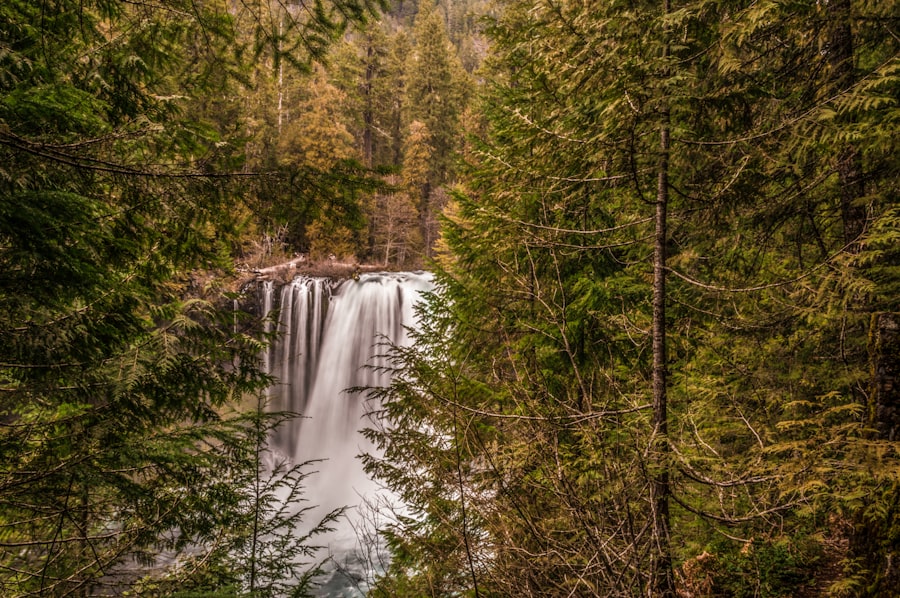
Deforestation has far-reaching consequences that extend beyond the immediate loss of trees. When forests are cleared, the delicate balance of the water cycle is thrown into disarray. Without trees to absorb and transpire water, you may notice a decrease in local humidity levels, leading to reduced rainfall.
This can create a feedback loop where diminished precipitation further exacerbates drought conditions, affecting agriculture and water supply for communities. Moreover, deforestation increases surface runoff as rainwater can no longer be absorbed by tree roots. This not only leads to soil erosion but also results in sedimentation in rivers and streams, which can harm aquatic ecosystems.
The loss of trees also means a reduction in biodiversity, as many species depend on forest habitats for survival. By recognizing how deforestation disrupts the water cycle, you can better understand the urgency of reforestation efforts in mitigating these adverse effects.
Reforestation as a Solution to Water Cycle Restoration
Reforestation serves as a powerful solution to restore the disrupted water cycle caused by deforestation. By planting trees in areas that have been cleared or degraded, you can help reinstate natural processes that promote water retention and distribution. As trees grow, they will begin to transpire again, contributing moisture back into the atmosphere and potentially increasing local rainfall patterns over time.
Additionally, reforestation can enhance soil quality and structure. The roots of newly planted trees help bind soil particles together, reducing erosion and improving water infiltration rates. This means that more rainwater will be absorbed into the ground rather than running off into nearby waterways.
As you participate in reforestation initiatives, you are not only helping to restore forests but also actively contributing to the revitalization of the water cycle and its associated benefits for both people and wildlife.
The Impact of Reforestation on Local Water Sources
The impact of reforestation on local water sources cannot be overstated. When you engage in reforestation efforts, you are directly influencing the availability and quality of water in your community. Healthy forests act as natural filters, trapping pollutants and sediments before they can enter rivers and lakes.
This filtration process ensures that local water sources remain clean and safe for consumption. Furthermore, reforested areas can help stabilize local hydrology by maintaining consistent groundwater levels. As trees grow and their root systems expand, they create a network that allows rainwater to infiltrate deeper into the soil.
This replenishes aquifers and ensures that streams and rivers maintain flow even during dry periods. By understanding how reforestation positively impacts local water sources, you can appreciate its importance not just for environmental health but also for community resilience.
The Connection Between Reforestation and Climate Change Mitigation
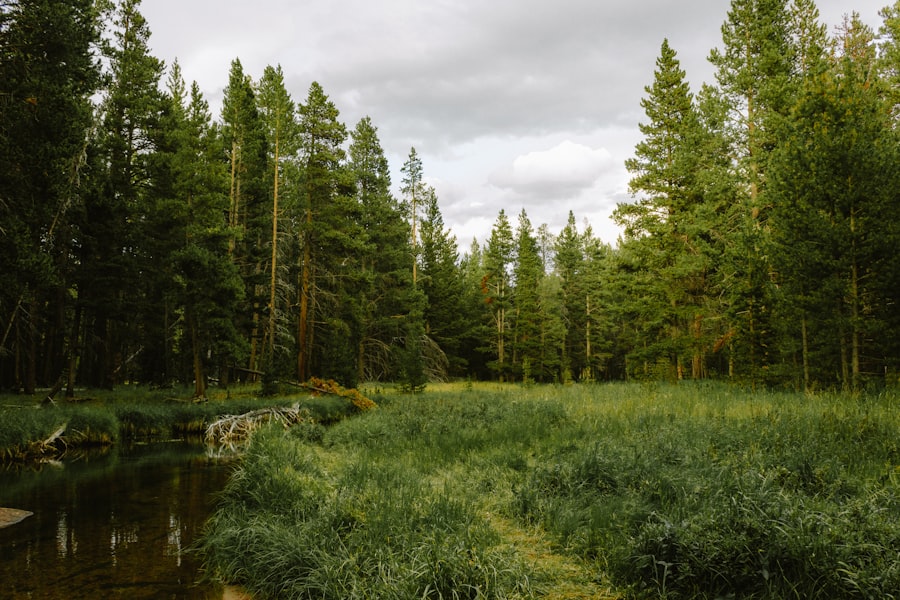
Reforestation is intricately linked to climate change mitigation efforts. As you may know, forests act as carbon sinks, absorbing carbon dioxide from the atmosphere and storing it in biomass and soil. By planting trees and restoring forested areas, you are actively participating in efforts to combat climate change by reducing greenhouse gas concentrations.
Moreover, healthy forests contribute to climate regulation by influencing local weather patterns and temperatures. They provide shade and cooling effects that can mitigate heat extremes in urban areas. As climate change continues to pose significant challenges globally, reforestation emerges as a viable strategy for both sequestering carbon and enhancing community resilience against climate impacts.
Your involvement in reforestation initiatives can thus play a pivotal role in addressing one of the most pressing issues of our time.
Successful Reforestation Projects and Their Impact on the Water Cycle
Numerous successful reforestation projects around the world demonstrate the profound impact that tree planting can have on restoring the water cycle. For instance, initiatives in regions like Ethiopia have shown that large-scale tree planting can lead to increased rainfall and improved agricultural yields. By engaging local communities in these efforts, these projects not only restore forests but also enhance food security and livelihoods.
In addition to Ethiopia, projects in Brazil’s Atlantic Forest have highlighted how reforestation can revitalize local ecosystems and improve water quality in nearby rivers. These initiatives often involve collaboration between governments, NGOs, and local communities to ensure sustainable practices are followed. By learning from these successful examples, you can see how reforestation serves as a powerful tool for restoring the water cycle while simultaneously addressing social and economic challenges.
The Future of Reforestation and Water Cycle Restoration Efforts
Looking ahead, the future of reforestation and water cycle restoration efforts appears promising yet challenging. As awareness grows about the importance of forests in regulating water cycles and combating climate change, more individuals and organizations are likely to engage in tree planting initiatives. However, it is essential to approach these efforts with careful planning and consideration for local ecosystems.
You can play an active role in shaping this future by advocating for sustainable reforestation practices that prioritize native species and biodiversity. Supporting policies that protect existing forests while promoting restoration projects will be crucial in ensuring long-term success. As you consider your own involvement in reforestation efforts, remember that every tree planted contributes to a healthier planet and a more stable water cycle for generations to come.
Your actions today can help pave the way for a more sustainable future where both people and nature thrive together.
If you are interested in learning more about how planting trees can help combat climate change, check out the article How Does Planting Trees Help Climate Change on Live Life with a Cause. This article delves into the various ways in which reforestation can contribute to reducing greenhouse gas emissions and mitigating the effects of global warming. It provides valuable insights into the important role that trees play in restoring balance to our planet’s ecosystem and combating the climate crisis.
FAQs
What is reforestation?
Reforestation is the process of planting trees in areas where forests have been depleted or destroyed. It is done to restore the ecological balance, improve air quality, and prevent soil erosion.
How does reforestation help restore the water cycle?
Reforestation helps restore the water cycle by increasing the amount of water vapor released into the atmosphere through a process called transpiration. Trees also help regulate the flow of water, reduce soil erosion, and improve water quality.
What is the connection between reforestation and water cycle restoration?
Reforestation plays a crucial role in restoring the water cycle by increasing evapotranspiration, which in turn leads to more precipitation. This helps to replenish groundwater, regulate stream flow, and maintain healthy ecosystems.
How does reforestation impact local water resources?
Reforestation can improve local water resources by increasing water retention in the soil, reducing the risk of flooding, and replenishing groundwater. It also helps to maintain the health of rivers, lakes, and other water bodies.
What are the environmental benefits of reforestation for the water cycle?
Reforestation has several environmental benefits for the water cycle, including reducing the risk of drought, improving water quality, and supporting biodiversity. It also helps to mitigate the impacts of climate change on water resources.