The oceans are often referred to as the lungs of our planet, a title that underscores their critical role in producing oxygen. You may not realize it, but approximately 50% of the oxygen you breathe comes from the ocean, primarily generated by microscopic organisms known as phytoplankton. These tiny, plant-like creatures harness sunlight through photosynthesis, converting carbon dioxide and water into oxygen and organic matter.
This process is not only vital for marine life but also essential for maintaining the balance of gases in the atmosphere, which supports life on land. As you delve deeper into the significance of ocean oxygen production, it becomes clear that this process is intricately linked to the health of our planet. The oceans cover over 70% of the Earth’s surface and are home to a diverse array of life forms.
The oxygen produced by these waters plays a crucial role in regulating climate, supporting biodiversity, and sustaining human populations. Understanding how ocean oxygen production works and the factors that influence it is essential for grasping the broader implications of environmental changes we face today.
Key Takeaways
- Ocean oxygen production is primarily carried out by phytoplankton through the process of photosynthesis.
- Rising temperatures due to climate change can lead to decreased ocean oxygen levels, impacting marine life and ecosystems.
- Decreased ocean oxygen can result in the expansion of oxygen minimum zones, leading to the decline of fish and other marine species.
- Phytoplankton play a crucial role in oxygen production and are sensitive to changes in ocean acidity, which can affect their ability to produce oxygen.
- Addressing climate change and protecting ocean oxygen production is crucial for the health of marine ecosystems and the well-being of human populations.
Impact of Rising Temperatures on Ocean Oxygen Levels
As global temperatures continue to rise due to climate change, the impact on ocean oxygen levels is becoming increasingly concerning. Warmer waters hold less dissolved oxygen, which can lead to significant declines in oxygen availability for marine organisms. You might find it alarming that even a slight increase in temperature can have profound effects on the solubility of oxygen in seawater.
This phenomenon is particularly troubling for species that rely on specific oxygen levels to thrive, as they may struggle to survive in a warming ocean. Moreover, rising temperatures can exacerbate other stressors on marine ecosystems, such as stratification—the layering of water masses that prevents mixing. When surface waters warm, they become less dense and can form a barrier that inhibits the mixing of oxygen-rich surface water with deeper layers.
This stratification can create “dead zones,” areas where oxygen levels are critically low, leading to widespread die-offs of marine life. As you consider these changes, it becomes evident that rising temperatures pose a multifaceted threat to ocean oxygen levels and the health of marine ecosystems.
Consequences of Decreased Ocean Oxygen

The consequences of decreased ocean oxygen levels are far-reaching and can have dire implications for both marine life and human populations. When oxygen levels drop, many fish and invertebrate species struggle to survive, leading to shifts in species distribution and abundance. You may be surprised to learn that some species are more sensitive to low oxygen conditions than others, which can disrupt entire food webs and alter ecosystem dynamics.
As certain species decline or disappear, the effects ripple through the ecosystem, impacting predators and prey alike. In addition to ecological consequences, decreased ocean oxygen levels can also affect human communities that rely on fishing and other marine resources for their livelihoods. As fish populations decline due to hypoxia—low oxygen conditions—fisheries may suffer, leading to economic hardships for those who depend on these resources.
Furthermore, the loss of biodiversity can diminish the resilience of marine ecosystems, making them less capable of adapting to future changes. As you reflect on these consequences, it becomes clear that addressing ocean oxygen depletion is not just an environmental issue; it is also a matter of social and economic importance.
Role of Phytoplankton in Oxygen Production
Phytoplankton are often overlooked in discussions about ocean health, yet they play an indispensable role in oxygen production. These microscopic organisms are not only responsible for generating a significant portion of the Earth’s oxygen but also serve as the foundation of marine food webs. You might be surprised to learn that phytoplankton are incredibly diverse, with thousands of species adapted to various environmental conditions.
Their ability to photosynthesize allows them to convert sunlight into energy, producing oxygen as a byproduct. The health of phytoplankton populations is directly linked to environmental conditions such as nutrient availability, light penetration, and water temperature. As you consider the implications of climate change on these factors, it becomes evident that any disruption to phytoplankton populations could have cascading effects on ocean oxygen levels and marine ecosystems.
For instance, nutrient runoff from agricultural practices can lead to algal blooms that outcompete other phytoplankton species, potentially reducing overall oxygen production. Understanding the delicate balance that sustains phytoplankton populations is crucial for preserving their role in ocean oxygen production.
Ocean Acidification and Oxygen Levels
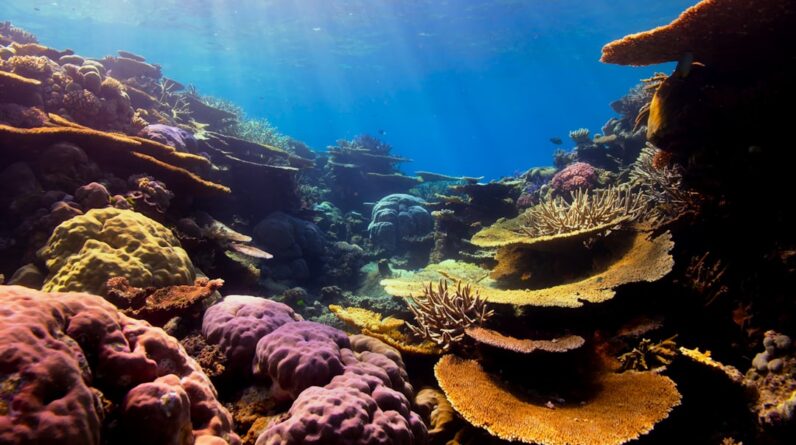
Ocean acidification is another pressing issue that affects ocean oxygen levels and overall marine health. As you may know, increased carbon dioxide emissions from human activities are absorbed by the oceans, leading to a decrease in pH levels. This change in acidity can have detrimental effects on marine organisms, particularly those with calcium carbonate shells or skeletons, such as corals and shellfish.
However, you might not realize that ocean acidification also impacts the ability of phytoplankton to photosynthesize effectively. The relationship between ocean acidification and oxygen production is complex. While some phytoplankton species may thrive in slightly more acidic conditions, others may struggle to survive or reproduce.
This shift in species composition can alter the overall capacity for oxygen production in the oceans. Additionally, as acidification affects marine ecosystems, it can lead to changes in food web dynamics that further impact oxygen levels. As you contemplate these interconnected issues, it becomes clear that addressing ocean acidification is essential for safeguarding ocean oxygen production.
Effects on Marine Life and Ecosystems

The effects of decreased ocean oxygen levels extend beyond individual species; they can reshape entire marine ecosystems. You may be surprised to learn that many marine organisms have specific oxygen requirements for survival and reproduction. When these requirements are not met due to hypoxic conditions, it can lead to shifts in species composition and abundance.
For example, fish species that prefer well-oxygenated waters may migrate to find suitable habitats, while more tolerant species may proliferate in low-oxygen areas. These changes can disrupt established ecological relationships and lead to imbalances within marine ecosystems. As you consider the implications for biodiversity, it’s important to recognize that healthy ecosystems are more resilient and better equipped to adapt to environmental changes.
When oxygen levels decline, however, ecosystems become more vulnerable to additional stressors such as pollution and overfishing. The interconnectedness of marine life means that a decline in one species can have cascading effects throughout the ecosystem, ultimately threatening its stability.
Human Impacts and Adaptation Strategies
Human activities play a significant role in shaping ocean oxygen levels and overall marine health. From climate change driven by greenhouse gas emissions to nutrient runoff from agriculture and urban development, our actions have far-reaching consequences for the oceans. You might be surprised to learn that practices such as overfishing and habitat destruction also contribute to declining oxygen levels by disrupting natural processes that support healthy ecosystems.
To address these challenges, adaptation strategies are essential for mitigating human impacts on ocean oxygen production. You can play a role by advocating for sustainable fishing practices, supporting policies aimed at reducing carbon emissions, and promoting responsible land use practices that minimize nutrient runoff into waterways. Additionally, raising awareness about the importance of ocean health can inspire collective action toward protecting these vital ecosystems.
By taking steps at both individual and community levels, you can contribute to efforts aimed at preserving ocean oxygen production for future generations.
Call to Action for Addressing Climate Change and Protecting Ocean Oxygen Production
As you reflect on the critical role of oceans in producing oxygen and supporting life on Earth, it becomes clear that urgent action is needed to address climate change and protect these vital ecosystems. The challenges posed by rising temperatures, ocean acidification, and human impacts require a concerted effort from individuals, communities, governments, and organizations worldwide. You have the power to make a difference by advocating for policies that prioritize environmental sustainability and support initiatives aimed at restoring marine habitats.
Moreover, educating yourself and others about the importance of ocean health can foster a greater appreciation for these ecosystems and inspire action within your community. Whether it’s participating in beach cleanups or supporting local conservation efforts, every action counts in the fight against climate change and its impacts on ocean oxygen production. By coming together as stewards of our planet’s oceans, you can help ensure a healthier future for both marine life and humanity alike.
The time for action is now; let us work together to protect our oceans and secure their vital contributions for generations to come.
A related article to the impact of rising temperatures on the ocean’s oxygen production is “How Does Reforestation Help the Environment.” This article discusses the benefits of planting trees in combating deforestation and climate change. Reforestation plays a crucial role in absorbing carbon dioxide from the atmosphere, which helps to mitigate the effects of global warming. To learn more about the positive impact of reforestation on the environment, you can read the article here.
FAQs
What is the relationship between rising temperatures and the ocean’s ability to produce oxygen?
Rising temperatures can lead to a decrease in the ocean’s ability to produce oxygen. This is because warmer water holds less oxygen, and can also disrupt the balance of marine ecosystems, affecting the production of oxygen by marine plants and phytoplankton.
How does the decrease in the ocean’s oxygen production impact marine life?
The decrease in the ocean’s oxygen production can lead to hypoxic (low oxygen) conditions, which can be harmful to marine life. This can result in the loss of habitats for many species, and can also lead to the decline of fish populations and other marine organisms.
What are the potential consequences of a decrease in the ocean’s oxygen production for humans?
A decrease in the ocean’s oxygen production can have significant consequences for humans, as it can impact the availability of seafood and other marine resources. It can also affect the overall health of marine ecosystems, which are important for regulating the Earth’s climate and providing other ecosystem services.
What are some potential solutions to address the threat of rising temperatures on the ocean’s ability to produce oxygen?
Addressing the threat of rising temperatures on the ocean’s ability to produce oxygen requires global efforts to reduce greenhouse gas emissions and mitigate climate change. Additionally, protecting and restoring marine habitats, and implementing sustainable fishing practices can help support the health of marine ecosystems and their ability to produce oxygen.