
Soil resilience is a critical concept that refers to the ability of soil to recover from disturbances and maintain its essential functions. As you navigate through the complexities of environmental science, you may find that soil resilience is not just about the physical properties of soil but also about its biological and chemical interactions. Healthy soil is a living entity, teeming with microorganisms, organic matter, and nutrients that work together to support plant life and, by extension, all terrestrial ecosystems.
Understanding soil resilience is vital, especially in the face of climate change, urbanization, and unsustainable agricultural practices that threaten the very foundation of our food systems. As you delve deeper into this topic, you will discover that trees play an indispensable role in enhancing soil resilience. Their presence not only contributes to the physical structure of the soil but also influences its chemical composition and biological activity.
The relationship between trees and soil is symbiotic; as trees grow and thrive, they improve the soil’s capacity to retain water, store carbon, and support diverse life forms. This article will explore the multifaceted ways in which trees contribute to soil building and resilience, emphasizing their importance in sustainable land management practices.
Key Takeaways
- Soil resilience is the ability of soil to maintain its functions and productivity despite disturbances or changes in environmental conditions.
- Trees play a crucial role in building and maintaining soil health by improving soil structure, increasing organic matter, and enhancing nutrient cycling.
- Tree roots help to stabilize soil structure, prevent erosion, and create channels for water and air movement, promoting overall soil health.
- Nutrient cycling facilitated by trees contributes to soil fertility and health, supporting the growth of diverse plant and microbial communities.
- Trees contribute to carbon sequestration and soil stability, helping to mitigate climate change and maintain soil resilience in the face of environmental challenges.
Importance of Trees in Soil Building
Trees are often referred to as the lungs of the Earth, but their contributions extend far beyond oxygen production. When you consider the role of trees in soil building, you begin to appreciate their multifaceted benefits. Trees enhance soil fertility through the addition of organic matter via leaf litter and root decay.
As leaves fall and decompose, they enrich the soil with essential nutrients, creating a fertile environment for other plants to thrive. This natural process not only improves soil structure but also increases its water-holding capacity, making it more resilient to drought conditions. Moreover, trees act as natural barriers against soil erosion.
Their extensive root systems anchor the soil in place, preventing it from being washed away by rain or blown away by wind. This stabilization is crucial in maintaining the integrity of landscapes, especially in areas prone to erosion. As you observe various ecosystems, you will notice that regions with abundant tree cover tend to have healthier soils compared to deforested areas.
The presence of trees fosters a balanced ecosystem where soil health is prioritized, ultimately benefiting agriculture and biodiversity.
Tree Roots and Soil Structure

The intricate network of tree roots plays a pivotal role in shaping soil structure. When you examine a tree’s root system, you will find that it extends far beyond what is visible above ground. These roots penetrate deep into the soil, creating channels that improve aeration and drainage.
This enhanced structure allows water to infiltrate more effectively, reducing surface runoff and promoting groundwater recharge. As a result, soils become more resilient to extreme weather events such as heavy rainfall or prolonged drought. In addition to improving physical properties, tree roots also contribute to soil aggregation.
As roots grow and die back, they create organic matter that binds soil particles together, forming aggregates that improve soil texture. This aggregation is essential for maintaining soil porosity and permeability, which are critical for healthy plant growth. When you consider the importance of these processes, it becomes clear that tree roots are not merely anchors; they are vital components of a thriving ecosystem that supports life above and below ground.
Nutrient Cycling and Soil Health
Nutrient cycling is another essential aspect of soil health that is significantly influenced by trees. As you explore this topic further, you will find that trees contribute to nutrient cycling through various mechanisms. For instance, their leaves and branches provide organic matter that decomposes into humus, enriching the soil with vital nutrients such as nitrogen, phosphorus, and potassium.
This natural fertilization process is crucial for maintaining soil fertility over time. Furthermore, trees engage in complex relationships with mycorrhizal fungi, which form symbiotic associations with their roots. These fungi enhance nutrient uptake by extending their hyphae into the soil, allowing trees to access nutrients that would otherwise be unavailable.
In return, trees provide carbohydrates to the fungi, creating a mutually beneficial relationship that enhances overall soil health. As you consider these interactions, it becomes evident that trees are not just passive contributors to nutrient cycling; they are active participants in maintaining a balanced ecosystem that supports diverse plant and animal life.
Carbon Sequestration and Soil Stability
One of the most pressing challenges facing our planet today is climate change, and trees play a crucial role in mitigating its effects through carbon sequestration. When you think about carbon sequestration, consider how trees absorb carbon dioxide from the atmosphere during photosynthesis and store it in their biomass and the surrounding soil. This process not only helps reduce greenhouse gas concentrations but also enhances soil stability by increasing organic matter content.
As trees grow and sequester carbon, they contribute to the formation of stable organic compounds in the soil. These compounds improve soil structure and fertility while also enhancing its ability to retain moisture. The more carbon stored in the soil, the more resilient it becomes against climate-related disturbances such as droughts or floods.
By promoting tree planting and conservation efforts, you can actively participate in enhancing carbon sequestration and fostering healthier soils for future generations.
Soil Erosion Prevention and Tree Cover
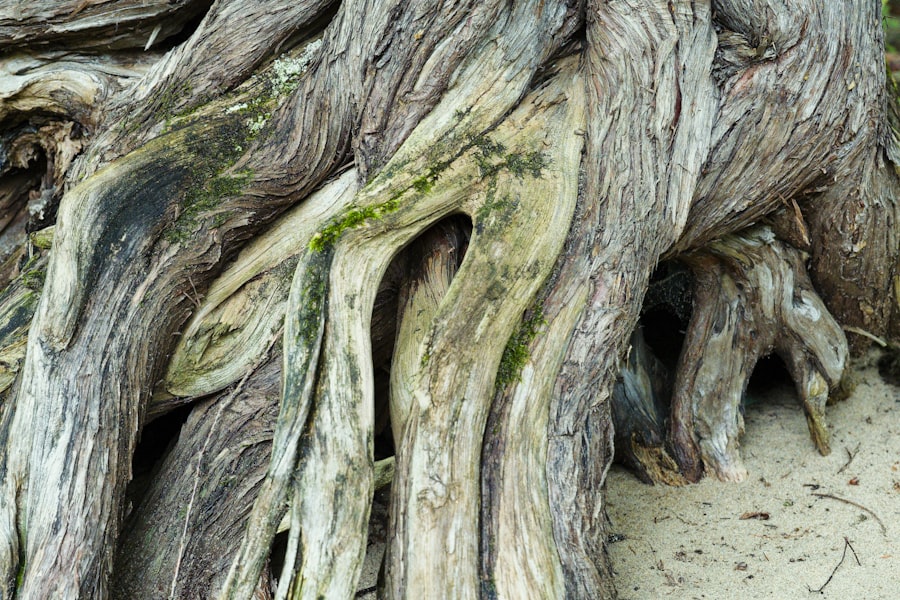
Tree Roots: A Natural Barrier Against Erosion
The roots of trees bind the soil together, creating a protective barrier against wind and water erosion. This natural barrier prevents soil particles from being carried away, allowing the soil to remain intact and fertile.
Tree Canopies: Reducing Rainfall Impact
In areas where tree cover is abundant, you will often observe less topsoil loss compared to deforested regions. Tree canopies intercept rainfall, reducing the impact of raindrops on the soil surface. This interception minimizes surface runoff and allows water to infiltrate more effectively into the ground.
Promoting Sustainable Land Management Practices
As a result, soils remain intact and fertile, supporting diverse plant life while preventing sedimentation in nearby waterways. By understanding the relationship between tree cover and soil erosion prevention, you can appreciate the importance of preserving existing forests and promoting reforestation efforts as part of sustainable land management practices.
Agroforestry and Soil Resilience
Agroforestry is an innovative land-use practice that integrates trees into agricultural systems to enhance productivity while promoting environmental sustainability. As you delve into agroforestry practices, you will discover how this approach can significantly improve soil resilience. By incorporating trees into crop fields or pastures, farmers can benefit from increased biodiversity, improved soil health, and enhanced ecosystem services.
In agroforestry systems, trees provide shade for crops, reducing heat stress during hot weather while also improving microclimates for plant growth. Their root systems contribute to nutrient cycling and water retention in the soil, leading to healthier crops with higher yields. Moreover, agroforestry practices can help mitigate climate change by sequestering carbon while providing farmers with additional income through timber or fruit production.
By embracing agroforestry as a viable land-use strategy, you can contribute to building resilient agricultural systems that prioritize both productivity and environmental health.
The Future of Trees in Soil Building
As you reflect on the multifaceted roles that trees play in building resilient soils, it becomes clear that their importance cannot be overstated. From enhancing nutrient cycling to preventing erosion and sequestering carbon, trees are integral components of healthy ecosystems that support life on Earth. The future of sustainable land management hinges on recognizing these contributions and prioritizing tree conservation and reforestation efforts.
In an era marked by rapid environmental change and increasing pressures on natural resources, your actions can make a difference. Whether through supporting local reforestation initiatives or adopting agroforestry practices in your own gardening or farming endeavors, every effort counts toward building a more resilient future for our soils and ecosystems. By championing the cause of trees in soil building, you are not only investing in healthier landscapes but also ensuring a sustainable legacy for generations to come.
If you are interested in learning more about the benefits of planting trees, you may want to check out the article “How Does Planting Trees Help Deforestation?” on Live Life with a Cause’s website. This article delves into the important role that trees play in combating deforestation and the positive impact that tree planting initiatives can have on the environment. For more insightful articles on environmental conservation and sustainable living, be sure to visit Live Life with a Cause’s blog. Embracing a cause-driven lifestyle can lead to a more resilient and sustainable future for our planet. Source
FAQs
What is the role of trees in building resilient soils?
Trees play a crucial role in building resilient soils by contributing organic matter through their leaves, branches, and roots. This organic matter helps improve soil structure, water retention, and nutrient cycling, leading to healthier and more productive soils.
How do trees contribute to soil health?
Trees contribute to soil health by adding organic matter to the soil through leaf litter, root exudates, and decaying roots. This organic matter improves soil structure, increases microbial activity, and enhances nutrient availability, leading to healthier and more resilient soils.
What are the benefits of resilient soils for ecosystems?
Resilient soils support diverse and healthy ecosystems by providing a stable foundation for plant growth, improving water infiltration and retention, and promoting nutrient cycling. These benefits contribute to overall ecosystem health and resilience.
How do trees help prevent soil erosion?
Trees help prevent soil erosion by stabilizing the soil with their roots, reducing the impact of rainfall on the soil surface, and improving soil structure. This helps to minimize the loss of topsoil and maintain soil fertility.
What are some tree species that are particularly beneficial for building resilient soils?
Certain tree species, such as legumes and nitrogen-fixing trees, are particularly beneficial for building resilient soils due to their ability to fix nitrogen, improve soil fertility, and enhance soil structure. Examples include acacia, alder, and locust trees.