


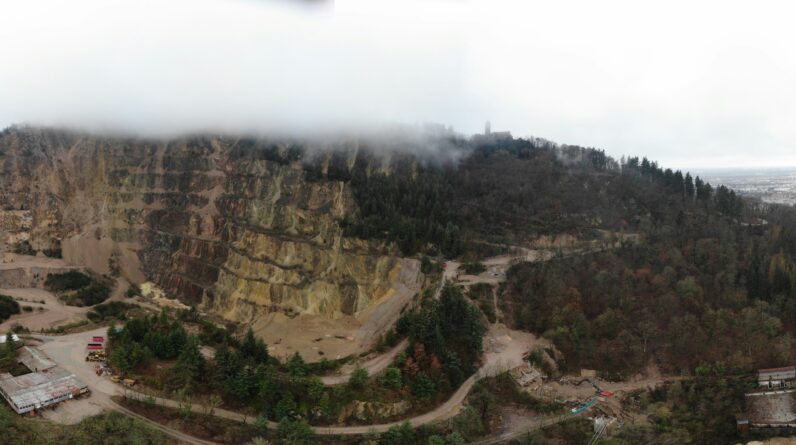
Have you ever wondered how reforestation can play a crucial role in healing both the land and communities in post-conflict zones? Reforestation in such areas goes beyond merely planting trees; it interlinks environmental restoration with social reconciliation, offering a dual benefit that addresses both ecological and human needs.
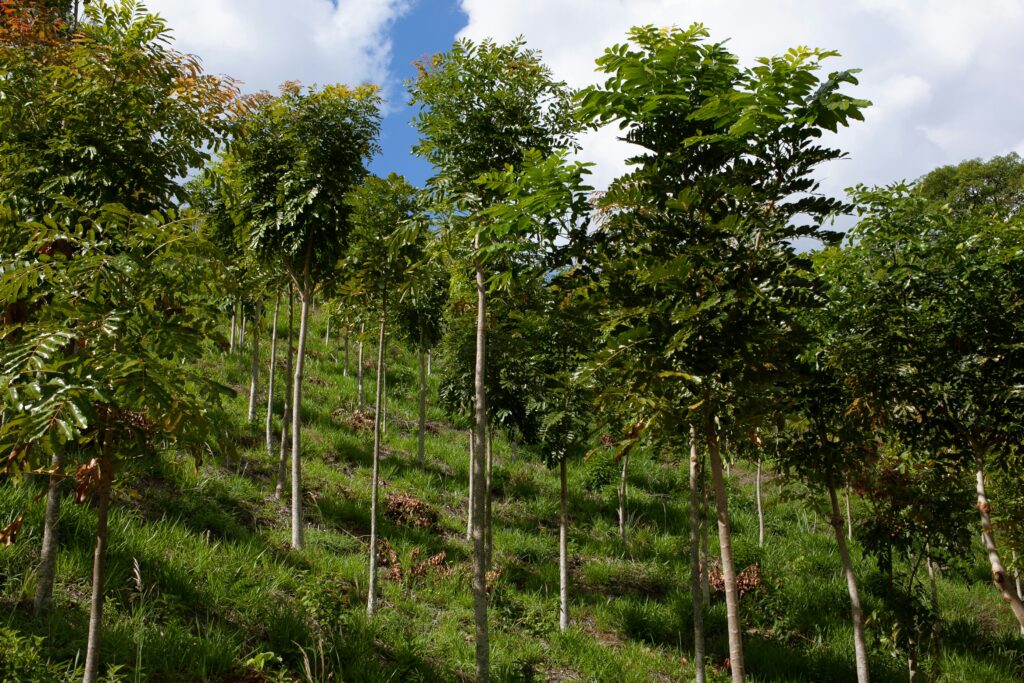
The Need for Reforestation in Post-Conflict Zones
Conflicts often leave a significant mark on the landscape, deforesting areas that were once lush with greenery. This loss isn’t just an environmental tragedy; it’s a socio-economic catastrophe as well. Forests provide essential resources, contribute to climate regulation, and support biodiversity. When these forests are destroyed, communities suffer from lack of resources, increased risks of natural disasters, and a collapse in local economies dependent on forest products.
Environmental Destruction Caused by Conflict
The environmental impacts of conflict can be quite extensive. Military activities often involve heavy machinery, explosives, and the establishment of makeshift camps, leading to soil degradation and deforestation. These activities can disrupt ecosystems, displace wildlife, and alter water courses, further aggravating the degradation.
| Environmental Impact | Description |
|---|---|
| Deforestation | Trees are cut down for timber, fuel, or cleared for military purposes. |
| Soil Degradation | Heavy machinery and explosions destroy the soil structure. |
| Water Course Alterations | Natural water flow is disrupted by construction and excavation. |
Socio-Economic Impacts of Environmental Degradation
The communities living in conflict zones are heavily reliant on their natural surroundings for sustenance. The destruction of forests means a loss of livelihoods, increased poverty, and a lack of resources such as food, water, and fuel. Additionally, this environmental degradation often leads to long-term health problems due to poor water quality and increased exposure to the elements.
| Socio-Economic Impact | Description |
|---|---|
| Loss of Livelihoods | Communities lose income sources like timber, non-timber products, and farming. |
| Increased Poverty | Without the forest’s resources, economic conditions worsen. |
| Health Problems | Poor water quality and increased exposure lead to long-term health issues. |
The Role of Reforestation in Healing
Reforestation offers a beacon of hope in the aftermath of conflict, acting as a potential solution to address the intertwined issues of environmental degradation and socio-economic challenges. By restoring forests, you can kickstart the healing process for both the land and its people.
Environmental Benefits
Reforestation can restore the ecological balance by re-establishing habitats, improving soil quality, and enhancing water cycles. Planting trees helps in carbon sequestration, contributing to climate change mitigation. Healthy forests also enhance biodiversity, providing a sanctuary for wildlife to thrive.
| Environmental Benefit | Description |
|---|---|
| Habitat Restoration | Re-establishes homes for wildlife species. |
| Soil Quality Improvement | Trees prevent erosion and replenish nutrients in the soil. |
| Water Cycle Enhancement | Forests improve water retention and purification processes. |
| Carbon Sequestration | Trees absorb atmospheric carbon dioxide, helping mitigate climate change. |
Socio-Economic Benefits
Restoring forests also brings profound socio-economic benefits. It rejuvenates local economies by providing resources for subsistence and trade. Reforestation projects can offer jobs and training to community members, fostering a sense of purpose and cooperation. Additionally, healthy environments contribute to better overall health and quality of life, reducing medical costs and improving well-being.
| Socio-Economic Benefit | Description |
|---|---|
| Resource Availability | Restored forests provide timber, fruits, and other non-timber products. |
| Job Creation | Reforestation projects offer employment opportunities in rural areas. |
| Community Cohesion | Joint efforts in reforestation foster social bonds and cooperation. |
| Improved Health | Better air and water quality lead to healthier communities. |
Steps to Effective Reforestation in Post-Conflict Zones
Successfully reforesting a post-conflict area requires careful planning, community involvement, and long-term monitoring. Here are some key steps to ensure the effectiveness of such initiatives.
Assessment and Planning
Before starting any reforestation project, it’s crucial to assess the extent of environmental damage and plan accordingly. This involves conducting scientific surveys to understand soil quality, biodiversity levels, and water sources. Collaborating with local authorities and communities to identify priority areas and suitable native species for replanting is essential.
Community Involvement
Communities impacted by conflict must be actively involved in reforestation efforts. Their participation not only ensures that the project meets local needs but also empowers them, fostering a sense of ownership and responsibility. This can be achieved through workshops, training programs, and continuous dialogue.
Sustainable Practices
Implementing sustainable practices ensures that the reforested areas thrive long-term. This includes selecting native species that are resilient and adaptable to the local climate, using eco-friendly planting techniques, and integrating agroforestry to combine agricultural and forestry benefits. Encouraging natural regeneration where possible can also facilitate quicker and more cost-effective restoration.
Long-Term Monitoring and Maintenance
Reforestation projects require ongoing monitoring and maintenance to address any emerging issues and ensure sustainable growth. This involves regular assessment of tree health, soil quality, and biodiversity. Community members can be trained to take part in these activities, providing them with skills and ensuring local engagement.
Case Studies of Successful Reforestation
Examining successful reforestation projects can provide valuable insights and inspiration. Here are a couple of notable examples from various parts of the world.
Rwanda: From Genocide to Green Growth
Rwanda’s history is scarred by the 1994 genocide, which left both the land and communities devastated. Over the years, concerted efforts towards reforestation have transformed the landscape, turning it into a model for green growth. The government, along with various NGOs, has implemented policies promoting tree planting and sustainable land management. The result has been increased forest cover, improved biodiversity, and enhanced livelihoods for local communities.
| Success Factor | Description |
|---|---|
| Government Policies | Strong governmental support for reforestation and sustainability. |
| Community Engagement | Active involvement of local communities in planting and maintaining forests. |
| Sustainable Practices | Emphasis on eco-friendly and sustainable forestry practices. |
Sierra Leone: Rebuilding After Civil War
After a decade-long civil war, Sierra Leone has embarked on ambitious reforestation projects to rehabilitate its degraded lands. Local communities, supported by international aid agencies, are planting millions of trees, focusing on both reforesting native trees and establishing community woodlots. These efforts have helped restore biodiversity, improve agricultural yields, and provide economic benefits through timber production.
| Success Factor | Description |
|---|---|
| International Support | External funding and expertise to kickstart reforestation projects. |
| Community Woodlots | Establishment of woodlots to meet local needs for fuel and materials. |
| Biodiversity Focus | Emphasis on planting native species to restore ecological balance. |
Challenges and Solutions in Reforestation
While reforestation in post-conflict zones has remarkable potential, it also faces several challenges. Addressing these obstacles is crucial for the success of such projects.
Political Instability
Ongoing political instability can hinder reforestation efforts by disrupting project activities and funding. Collaborating with local and international partners can help navigate these complexities, ensuring continuity and support for the projects.
| Challenge | Solution |
|---|---|
| Political Instability | Collaboration with local and international organizations for sustained effort. |
Funding Constraints
Limited financial resources can impede reforestation initiatives. Governments, NGOs, and private sector partnerships can be explored for funding opportunities. Additionally, incorporating economic activities such as ecotourism and sustainable harvesting can generate revenue to support reforestation efforts.
| Challenge | Solution |
|---|---|
| Funding Constraints | Exploring diverse funding sources and integrating revenue-generating activities. |
Technical Expertise
Lack of technical knowledge and expertise can lead to poorly executed projects. Capacity-building through training programs and involving forestry experts can enhance the effectiveness of reforestation initiatives.
| Challenge | Solution |
|---|---|
| Technical Expertise | Capacity building through training and involving forestry experts. |
Community Resistance
Sometimes, local communities may resist reforestation projects due to distrust, fear of change, or previous negative experiences. Building trust through transparent communication, involving communities in decision-making, and demonstrating immediate benefits can help mitigate resistance.
| Challenge | Solution |
|---|---|
| Community Resistance | Building trust with transparent communication and involving communities in decision-making. |
The Long-Term Vision: A Sustainable Future
Reforestation in post-conflict zones is not just about planting trees; it’s about creating a sustainable future where both the environment and communities can thrive. A long-term vision involves integrating reforestation with broader environmental and socio-economic strategies.
Linking Reforestation to Climate Action
Forests play a crucial role in combating climate change by absorbing carbon dioxide. Integrating reforestation efforts with national and global climate action plans can amplify the impact, contributing towards global goals for carbon reduction and climate resilience.
| Integration Aspect | Description |
|---|---|
| Climate Action | Aligning reforestation with climate goals for carbon reduction and resilience. |
Promoting Ecotourism
Reforested areas can serve as ecotourism destinations, providing economic opportunities while promoting environmental awareness. Developing ecotourism infrastructure and marketing these areas can generate income and support further conservation efforts.
| Integration Aspect | Description |
|---|---|
| Ecotourism | Developing reforested areas as ecotourism destinations for economic and conservation benefits. |
Educational and Research Opportunities
Reforested zones can become hubs for education and research, offering opportunities for studies in ecology, forestry, and sustainable development. Establishing partnerships with academic institutions can foster knowledge exchange and innovation in reforestation techniques.
| Integration Aspect | Description |
|---|---|
| Education and Research | Using reforested areas as educational and research hubs for sustainable development. |
Aligning with Sustainable Development Goals (SDGs)
Reforestation aligns with several UN Sustainable Development Goals, such as climate action (SDG 13), life on land (SDG 15), and decent work (SDG 8). Ensuring that reforestation projects contribute to these goals can attract international support and funding, enhancing their impact.
| Integration Aspect | Description |
|---|---|
| Sustainable Development Goals | Aligning reforestation efforts with UN SDGs to maximize impact and attract support. |

Conclusion
Effective reforestation in post-conflict zones has the power to transform devastated landscapes and uplift communities. By addressing both environmental and socio-economic challenges, reforestation efforts can create a positive ripple effect, fostering long-term sustainability and resilience. Understanding the interconnectedness of these issues and implementing holistic strategies can pave the way for a greener, healthier future for all.


