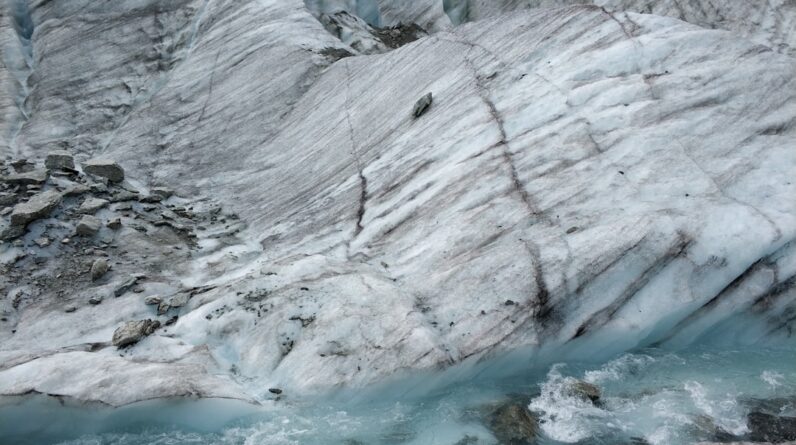
As you delve into the intricate tapestry of Earth’s climate history, you embark on a journey that spans millions of years, revealing the dynamic interplay between natural forces and life on our planet. Understanding this history is not merely an academic exercise; it is essential for grasping the challenges we face today. The climate has undergone significant transformations, influenced by a myriad of factors, including volcanic activity, solar radiation, and the composition of the atmosphere.
By studying these changes, you can gain insights into the mechanisms that drive climate variability and the potential consequences of current trends. The story of Earth’s climate is one of resilience and adaptation. From the frigid expanses of ice ages to the warm interglacial periods that have allowed civilizations to flourish, each chapter in this narrative offers valuable lessons.
As you explore these epochs, you will uncover how life has not only survived but thrived amidst dramatic shifts in temperature and weather patterns. This exploration is crucial as it provides context for contemporary climate discussions, highlighting the importance of understanding both natural and anthropogenic influences on our planet’s climate system.
Key Takeaways
- Earth’s climate history provides valuable insights into understanding natural climate variability.
- Ice ages and interglacials play a crucial role in shaping the Earth’s climate over time.
- Greenhouse gases have had a significant impact on ancient atmospheres, providing important lessons for the present and future.
- Past changes in ocean currents have had a profound impact on the Earth’s climate, highlighting the interconnectedness of various environmental factors.
- Climate shifts have played a key role in shaping Earth’s biodiversity and have led to extinction events throughout history.
Ice Ages and Interglacials: Understanding Natural Climate Variability
When you think about ice ages, you might envision vast sheets of ice covering much of the Northern Hemisphere, but these periods are just one part of a larger cycle of climate variability. Ice ages, characterized by prolonged periods of cooler temperatures, alternate with interglacial periods, which are warmer phases that allow ecosystems to flourish. The most recent ice age, known as the Quaternary glaciation, began around 2.58 million years ago and continues to influence our climate today.
Understanding these cycles helps you appreciate the natural rhythms of Earth’s climate system. During ice ages, massive glaciers expanded across continents, reshaping landscapes and altering ecosystems. As temperatures fluctuated, species adapted or migrated to survive.
In contrast, interglacial periods brought warmer temperatures that allowed forests to thrive and animal populations to rebound. By studying these cycles, you can see how life on Earth has been shaped by climate variability over millennia. This knowledge is particularly relevant today as you confront the rapid changes brought about by human activity, which may disrupt the natural balance that has existed for so long.
The Role of Greenhouse Gases: Lessons from Ancient Atmospheres

As you explore the role of greenhouse gases in shaping Earth’s climate, you will discover that these gases have been both friends and foes throughout history. Carbon dioxide (CO2), methane (CH4), and nitrous oxide (N2O) are natural components of the atmosphere that trap heat and keep our planet warm enough to support life. However, their concentrations have varied dramatically over geological time scales, influencing global temperatures and climate patterns.
By examining ancient ice cores and sediment layers, scientists have reconstructed atmospheric compositions that reveal how greenhouse gas levels correlate with temperature changes. The lessons from ancient atmospheres are particularly poignant in today’s context. For instance, during periods of high CO2 concentrations, such as the Paleocene-Eocene Thermal Maximum around 55 million years ago, Earth experienced significant warming and ecological upheaval.
As you reflect on these historical events, it becomes clear that understanding the relationship between greenhouse gases and climate is crucial for predicting future scenarios. The current trajectory of human-induced emissions suggests we may be heading toward a new era of rapid warming, making it imperative to learn from the past to inform our actions today.
Ocean Currents and Climate: Examining the Impact of Past Changes
The oceans play a pivotal role in regulating Earth’s climate, acting as a massive heat reservoir that influences weather patterns and global temperatures. As you investigate past changes in ocean currents, you will uncover how these currents have shaped climates across different regions and epochs. For example, the Atlantic Meridional Overturning Circulation (AMOC) is a critical component of global ocean circulation that transports warm water from the tropics to the North Atlantic.
Changes in this current have historically led to significant climate shifts, including abrupt cooling events. By studying sediment cores and fossil records, you can trace how alterations in ocean currents have impacted marine ecosystems and terrestrial climates alike. During periods when currents weakened or shifted dramatically, regions experienced changes in precipitation patterns and temperature extremes.
These insights underscore the interconnectedness of oceanic and atmospheric systems and highlight the importance of monitoring ocean health as we navigate contemporary climate challenges. Understanding these past dynamics can help you anticipate how current changes in ocean currents may influence future climate scenarios.
Extinction Events: How Climate Shifts Have Shaped Earth’s Biodiversity
Throughout Earth’s history, significant climate shifts have often coincided with mass extinction events that reshaped biodiversity on a global scale. As you explore these extinction events, such as the Permian-Triassic extinction or the Cretaceous-Paleogene extinction, you will see how rapid changes in climate can lead to catastrophic consequences for species survival. These events serve as stark reminders of the fragility of ecosystems in the face of environmental upheaval.
The Permian-Triassic extinction, for instance, occurred around 252 million years ago and is believed to have been triggered by massive volcanic eruptions that released greenhouse gases into the atmosphere. This led to dramatic temperature increases and ocean acidification, resulting in the loss of approximately 90% of marine species. By examining these historical precedents, you can better understand the potential risks posed by current climate change and its implications for biodiversity today.
The lessons learned from past extinctions emphasize the need for proactive measures to protect vulnerable species and ecosystems in an era of rapid environmental change.
Ancient Civilizations and Climate Change: Learning from Human History

As you turn your attention to ancient civilizations, you will find compelling evidence that climate change has played a significant role in shaping human history. From the rise and fall of empires to shifts in agricultural practices, societies have had to adapt to changing environmental conditions throughout time. The collapse of the Maya civilization is one such example; prolonged droughts linked to climate variability are believed to have contributed to their decline.
By studying these historical narratives, you can glean insights into how societies respond to environmental stressors. The lessons from ancient civilizations extend beyond mere survival; they also highlight the importance of resilience and adaptation in the face of change. As you reflect on how past societies navigated challenges posed by climate fluctuations, consider how these experiences can inform contemporary approaches to sustainability and resource management.
Understanding the successes and failures of ancient peoples can provide valuable guidance as you confront your own challenges related to climate change today.
Using Climate Models to Predict Future Scenarios
In your quest to understand Earth’s climate history and its implications for the future, you will encounter climate models—powerful tools that simulate complex interactions within the Earth’s climate system. These models incorporate vast amounts of data from various sources, including atmospheric conditions, ocean currents, and greenhouse gas emissions, allowing scientists to project potential future scenarios based on different pathways of human activity. As you explore these models, you’ll appreciate their significance in informing policy decisions and guiding efforts to mitigate climate change.
Climate models have evolved significantly over the years, becoming increasingly sophisticated in their ability to predict regional impacts and extreme weather events. By analyzing model outputs, you can gain insights into potential temperature increases, sea-level rise, and shifts in precipitation patterns under various emission scenarios. However, it’s essential to recognize that while models provide valuable projections, they also come with uncertainties due to the complexity of Earth’s systems.
Engaging with these models allows you to better understand potential futures while emphasizing the importance of taking action now to reduce emissions and enhance resilience.
Adapting to a Hotter Future: Lessons from Earth’s Past
As you contemplate a future characterized by rising temperatures and shifting climates, it becomes evident that adaptation will be crucial for both human societies and natural ecosystems. Drawing lessons from Earth’s past can guide your approach to navigating this uncertain future. Throughout history, species have demonstrated remarkable adaptability in response to changing environments; similarly, humans must develop strategies that promote resilience in agriculture, infrastructure, and community planning.
One key lesson from history is the importance of diversity—both in ecosystems and agricultural practices—as a buffer against climate impacts. By fostering biodiversity and implementing sustainable land-use practices, you can enhance ecosystem resilience while ensuring food security in a changing world. Additionally, investing in renewable energy sources and reducing reliance on fossil fuels can mitigate further climate change while promoting economic growth.
As you reflect on these lessons from Earth’s past, consider how they can inform your actions today as we collectively strive for a more sustainable future amidst ongoing climate challenges.
If you are interested in learning more about how trees can help combat global warming, check out this article on how trees can save the Earth from global warming. It discusses the important role that trees play in absorbing carbon dioxide and reducing greenhouse gas emissions. By planting more trees, we can help mitigate the effects of climate change and create a healthier planet for future generations.
FAQs
What is the Climate Time Machine?
The Climate Time Machine is a tool developed by NASA that uses data from Earth’s past to help us understand and visualize the potential impacts of climate change in the future.
How does the Climate Time Machine work?
The Climate Time Machine uses a combination of satellite data, computer models, and historical climate records to create visualizations that show how Earth’s climate has changed over time and how it may change in the future.
What can Earth’s past tell us about our future climate?
Studying Earth’s past climate can provide valuable insights into how the planet has responded to changes in greenhouse gas levels, temperature, and other factors. This information can help scientists make more accurate predictions about future climate change and its potential impacts.
What are some examples of Earth’s past climate changes?
Earth’s past climate has experienced periods of both warming and cooling, including ice ages and periods of higher temperatures. These changes have been driven by natural factors such as volcanic activity, changes in Earth’s orbit, and variations in the sun’s energy output.
How can the Climate Time Machine help us understand the impacts of climate change?
The Climate Time Machine can help us visualize the potential impacts of climate change, such as rising sea levels, melting ice caps, and changes in weather patterns. These visualizations can help policymakers, educators, and the public better understand the urgency of addressing climate change.
What can individuals do to address climate change?
Individuals can take action to reduce their carbon footprint by using energy more efficiently, supporting renewable energy sources, reducing waste, and advocating for policies that address climate change. Additionally, staying informed and supporting organizations working on climate solutions can make a difference.