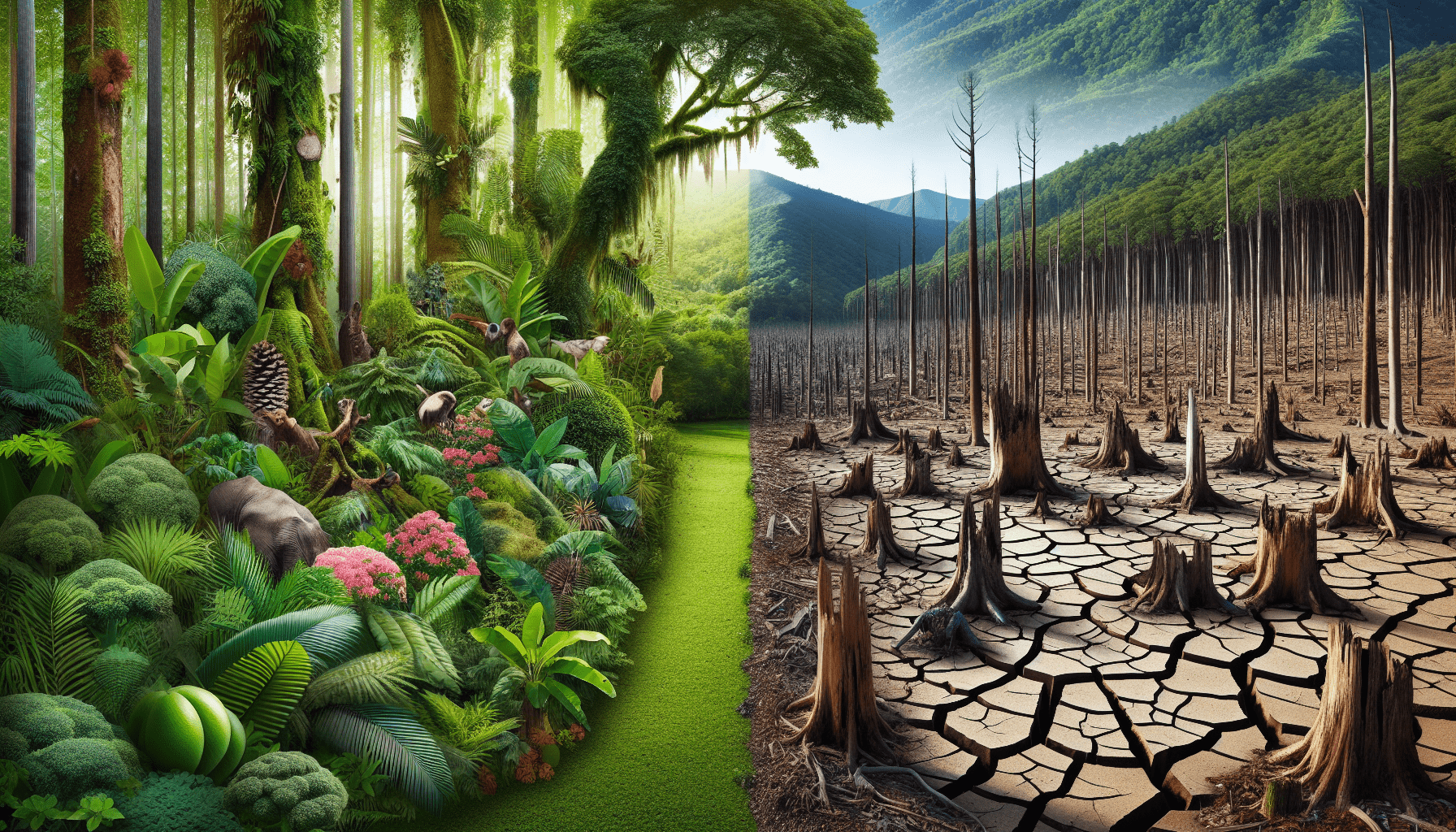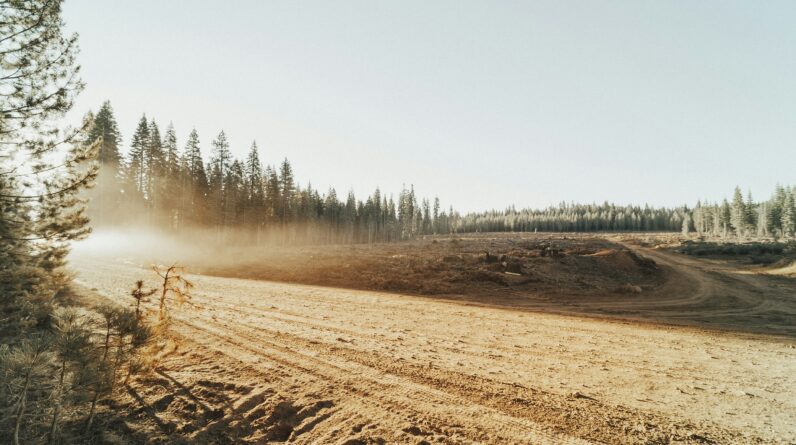
Have you ever wondered about the true impact of deforestation on our planet’s climate? While many factors contribute to global warming, deforestation often flies under the radar as a significant, yet quiet, culprit.
Understanding Deforestation
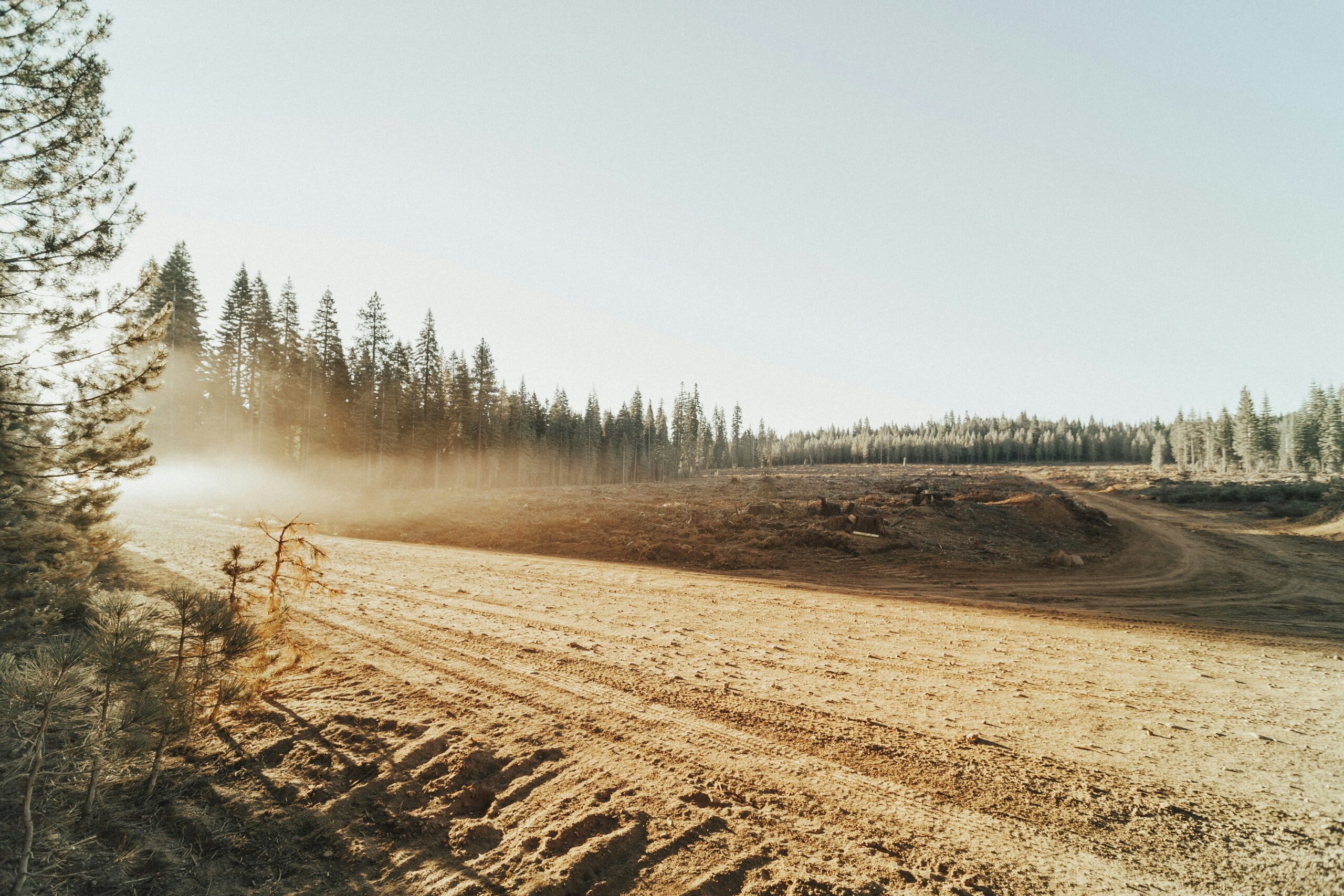
Deforestation refers to the large-scale removal of forests, which usually involves converting forested lands into non-forested ones for agriculture, urban development, or other non-forestry uses. This seemingly simple activity has far-reaching consequences that extend beyond the immediate removal of trees.
What Causes Deforestation?
Various factors drive deforestation, each with its own set of problems and consequences:
| Cause | Description |
|---|---|
| Agricultural Expansion | Forests are cleared to make space for crops and livestock. |
| Logging | Trees are cut down for timber and paper production. |
| Urbanization | Development of cities and infrastructure leads to deforestation. |
| Mining | Extraction of minerals often necessitates large-scale forest clearing. |
| Fires | Both natural and man-made fires contribute to deforestation. |
Each of these activities contributes to reducing forest cover, which significantly impacts the Earth’s ecological balance.
The Importance of Forests
To grasp the severity of deforestation, it’s crucial to understand the essential roles forests play:
- Carbon Sequestration: Trees absorb carbon dioxide (CO₂) from the atmosphere, which helps mitigate global warming.
- Biodiversity: Forests are home to an immense variety of species. They provide habitats, food, and protection for countless organisms.
- Water Cycle: Forests help regulate the water cycle by maintaining soil moisture and contributing to rainfall through transpiration.
- Soil Health: Tree roots help bind the soil, preventing erosion and maintaining soil fertility.
- Economic Value: Many communities depend on forests for their livelihoods, including timber, non-timber products, and tourism.
Deforestation and Global Warming
So, how exactly does deforestation contribute to global warming? The connection is stronger than you might think.
Carbon Sink Disruption
Trees absorb CO₂ from the atmosphere and store it as biomass through a process called carbon sequestration. When trees are cut down, this stored carbon is released back into the atmosphere, contributing to the greenhouse effect.
- Storage Loss: When a tree is felled or burned, the carbon it has stored is released, contributing to increased atmospheric CO₂ levels.
- Reduced Absorption: Fewer trees mean less CO₂ absorption, exacerbating the greenhouse effect and accelerating global warming.
Albedo Effect
Forests have a lower albedo (reflectivity) compared to other land surfaces like deserts or ice. When forests are cleared, the land’s albedo increases, meaning more solar radiation is reflected back into the atmosphere. This contributes to warming, particularly in the tropical regions where most deforestation occurs.
Altered Weather Patterns
Deforestation can change regional and global weather patterns. Forests play a crucial role in the water cycle, affecting rainfall distribution and temperature regulation. Removing large forest areas can lead to:
- Reduced Rainfall: Loss of forests means less transpiration, leading to drier climates.
- Increased Temperature: Without trees to provide shade and moisture, deforested areas tend to get hotter.
- Storm Intensity: Changes in land use can alter airflow and precipitation patterns, resulting in more extreme weather events.
The Multidimensional Impact of Deforestation
Beyond its role in global warming, deforestation has several other profound and far-reaching impacts:
Loss of Biodiversity
Forests are incredibly biodiverse, home to a myriad of species not found anywhere else. The destruction of forests:
- Extinctions: Numerous plant and animal species face extinction without their natural habitats.
- Ecosystem Imbalance: The loss of even a single species can disrupt complex food webs and lead to further ecological decline.
- Human Impact: Indigenous communities and local populations often rely on forests for their livelihoods and cultural practices.
Soil Degradation
Without tree roots to hold it together, soil in deforested areas can easily erode. This soil erosion leads to:
- Decreased Fertility: Soil erosion strips away the fertile top layer, reducing the land’s agricultural productivity.
- Water Contamination: Eroded soil can run off into rivers and lakes, leading to sedimentation and water pollution.
Economic Consequences
While deforestation may provide short-term economic benefits, it has long-term negative economic impacts:
- Agriculture Dependance: Over-reliance on agriculture due to deforestation can lead to soil exhaustion and reduced crop yields.
- Tourism Decline: Areas that rely on eco-tourism may suffer as their natural attractions deteriorate.
- Increased Natural Disasters: Soil erosion and altered weather patterns can lead to more frequent and severe natural disasters, incurring massive economic costs.
Mitigation and Solutions
While deforestation is a complex and challenging issue, multiple strategies can mitigate its effects and promote sustainable forest management.
Reforestation and Afforestation
Reforestation involves planting trees in deforested areas, while afforestation refers to creating forests in areas that were not previously forested. Both strategies help:
- Restore Carbon Sinks: New trees can absorb CO₂, offsetting emissions and fighting global warming.
- Revitalize Ecosystems: Reforestation rebuilds habitats, supporting biodiversity and ecosystem health.
- Improve Soil and Water Health: New forests help reduce erosion and maintain soil fertility, as well as regulate the water cycle.
Sustainable Forestry Practices
Adopting sustainable forestry practices can significantly reduce the negative impacts of logging and forest management:
- Selective Logging: Only certain trees are cut down, preserving the overall structure and biodiversity of the forest.
- Reduced Impact Logging: Techniques that minimize damage to surrounding trees and the forest floor.
- Certification Programs: Organizations like the Forest Stewardship Council (FSC) certify sustainably managed forests, helping consumers make informed choices.
Legal and Policy Measures
Governments and organizations can implement policies and laws to curb deforestation:
- Protected Areas: Designating certain forests as protected areas can prevent illegal logging and land conversion.
- Stronger Enforcement: Ensuring existing forestry laws are enforced can deter illegal deforestation activities.
- Incentive Programs: Financial incentives for sustainable land use can encourage conservation over deforestation.
Community Engagement and Education
Engaging and educating local communities can lead to more sustainable forest management:
- Empowering Local Communities: Involving indigenous and local communities in conservation efforts can lead to more effective, culturally sensitive solutions.
- Education Programs: Teaching the benefits of forests and sustainable practices can foster a conservation mindset.
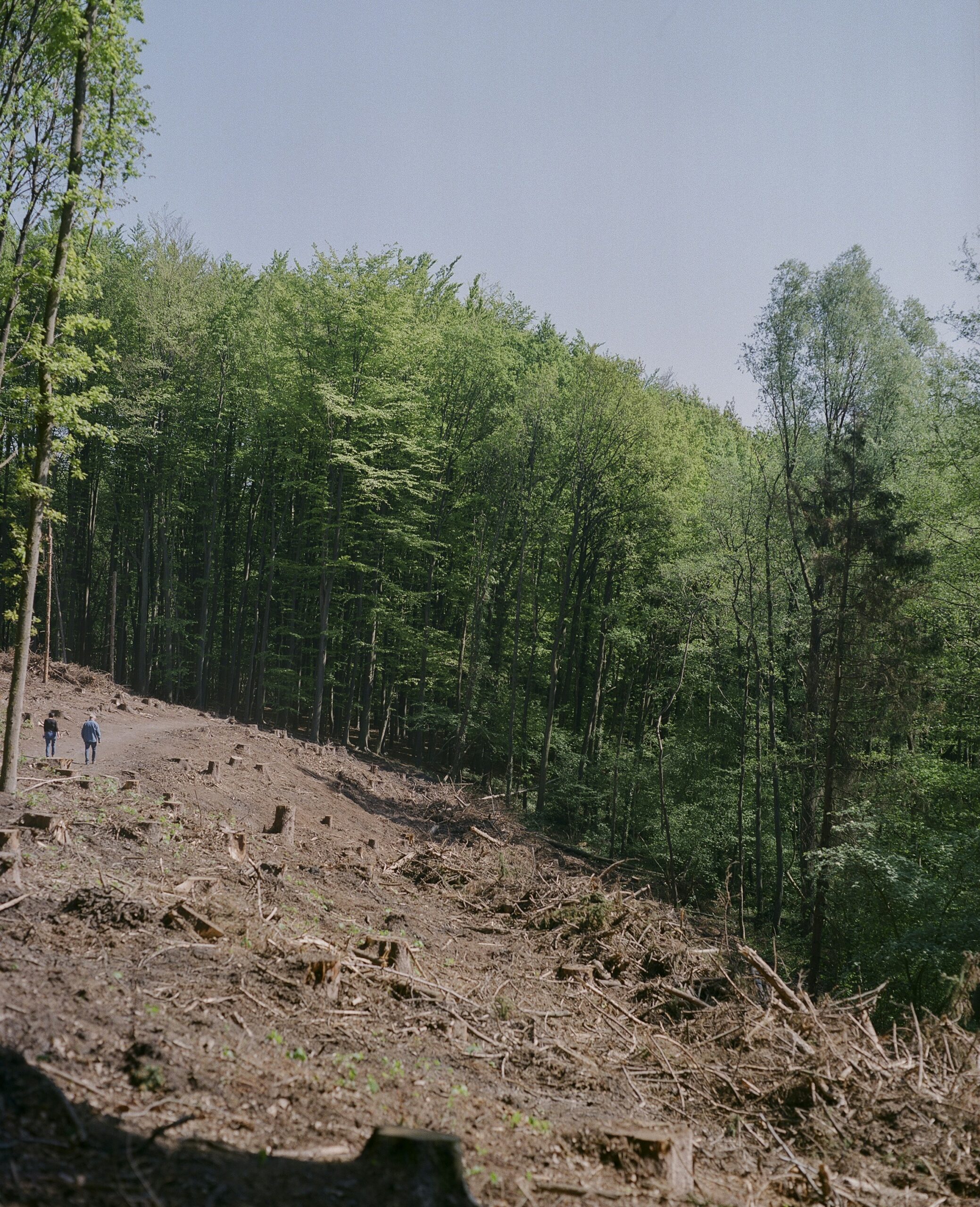
The Role of Technology in Combating Deforestation
Technological advancements can play a pivotal role in monitoring and reducing deforestation activities.
Satellite Monitoring
Satellites provide accurate and up-to-date information on forest cover changes. This technology can:
- Detect Illegal Activities: Governments can quickly identify and act against illegal logging.
- Monitor Reforestation Efforts: Track the success of reforestation and afforestation programs.
- Collect Data: Gather valuable data for planning and policy formulation.
Blockchain for Transparency
Blockchain technology can ensure transparency and traceability in the forestry supply chain. This can:
- Verify Source: Ensure that timber and forest products come from sustainable sources.
- Reduce Corruption: Make it difficult to falsify records, leading to more honest and transparent practices.
Drones for Detailed Surveys
Drones offer a closer look at forests, enabling precise and highly detailed surveys. Drones can:
- Assess Health: Monitor the health of forests and detect early signs of problems like pest infestations or disease.
- Plan Interventions: Help in planning targeted interventions for conservation or reforestation activities.
The Global Response to Deforestation
Addressing deforestation requires collective global action. Various international efforts and agreements aim to tackle this pressing issue:
United Nations REDD+ Program
The UN’s Reducing Emissions from Deforestation and Forest Degradation (REDD+) program incentivizes developing countries to reduce deforestation and forest degradation. The benefits include:
- Financial Incentives: Countries receive financial assistance for meeting deforestation reduction targets.
- Technical Support: Provision of technical support and capacity building for implementing REDD+ activities.
- Community Inclusion: Encourages the inclusion of local communities in decision-making processes.
Paris Agreement
The Paris Agreement underlines the importance of forests in mitigating climate change:
- National Commitments: Countries have committed to specific targets to reduce deforestation as part of their Nationally Determined Contributions (NDCs).
- Funding and Support: Developed nations pledge financial and technical support to help developing countries protect their forests.
Corporate Responsibility
Corporations and industries also play a crucial role in combating deforestation:
- Sustainable Sourcing: Companies increasingly commit to sourcing materials from sustainably managed forests.
- Zero-Deforestation Policies: Many corporations adopt zero-deforestation policies for their supply chains.
- Consumer Demand: Awareness campaigns encourage consumers to choose products that are certified as sustainable.
You Can Make a Difference
As an individual, you are not powerless in the face of deforestation. There are practical steps you can take to contribute to the solution:
Make Sustainable Choices
Buying products that are certified as sustainably sourced can reduce the demand for deforested materials. Look for certifications like:
- Forest Stewardship Council (FSC)
- Rainforest Alliance
- PEFC (Programme for the Endorsement of Forest Certification)
Support Conservation Organizations
Numerous organizations work tirelessly to combat deforestation. Consider supporting them through donations, volunteering, or spreading awareness.
Reduce, Reuse, Recycle
Reducing your consumption of paper and wood products, reusing items, and recycling can lower the demand for deforestation-prone products.
Advocate for Change
Raising awareness and advocating for stronger policies can lead to meaningful changes at larger scales. Engage with local and national leaders to push for sustainable forest management.
Educate Yourself and Others
Stay informed about the issues and educate those around you. Knowledge is a powerful tool in the fight against deforestation.
Final Thoughts
Deforestation, often overshadowed by more immediate environmental issues, is a critical factor in global warming and biodiversity loss. Understanding its causes, consequences, and solutions is the first step toward meaningful action. Together, from individual choices to global policies, we can address this “quiet culprit” and work towards a more sustainable future.
Every tree saved, every forest protected, and every reforestation effort counts in the larger battle against global warming. Your actions, combined with global efforts, can make a significant difference.