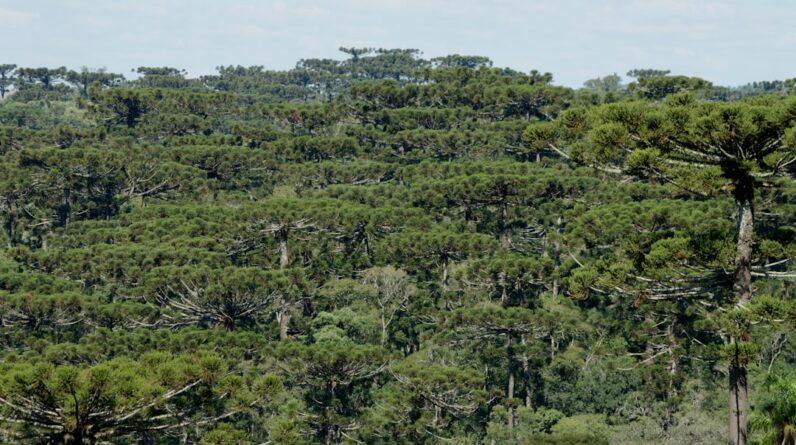
Reforestation plays a crucial role in mitigating the risks associated with landslides, particularly in areas prone to soil erosion and instability. When you consider the impact of deforestation, it becomes clear that the removal of trees significantly weakens the soil structure. Trees and their root systems act as natural anchors, holding the soil together and preventing it from being washed away during heavy rains.
By reintroducing trees into these vulnerable landscapes, you can help restore the natural balance and reduce the likelihood of landslides occurring. Moreover, reforestation contributes to the overall health of the ecosystem. It not only stabilizes the soil but also enhances biodiversity, improves air quality, and regulates water cycles.
When you engage in reforestation efforts, you are not just preventing landslides; you are also fostering a healthier environment for wildlife and future generations. The interconnectedness of these benefits underscores the importance of prioritizing reforestation as a key strategy in landslide prevention.
Key Takeaways
- Reforestation plays a crucial role in preventing landslides by stabilizing soil and reducing erosion.
- Identifying high-risk areas for landslides is essential for targeting reforestation efforts in vulnerable regions.
- Trees and vegetation help stabilize soil by absorbing water, reducing surface runoff, and providing root systems that hold soil in place.
- Implementing reforestation projects in vulnerable regions requires careful planning, community involvement, and long-term maintenance.
- Engaging local communities in reforestation efforts is key to ensuring the success and sustainability of reforestation initiatives.
Identifying High-Risk Areas for Landslides
To effectively prevent landslides, it is essential to identify areas that are at high risk. You can start by analyzing geographical features such as steep slopes, loose soil, and areas with a history of landslides. Utilizing satellite imagery and geographic information systems (GIS) can provide valuable insights into these high-risk zones.
By mapping out these areas, you can better understand where reforestation efforts should be concentrated to maximize their impact. In addition to geographical analysis, you should also consider environmental factors such as rainfall patterns and land use changes. Regions that experience heavy rainfall or have undergone significant deforestation are particularly vulnerable to landslides.
By combining these various data points, you can create a comprehensive risk assessment that guides your reforestation initiatives. This proactive approach ensures that resources are allocated efficiently and that the most vulnerable areas receive the attention they need.
The Role of Trees and Vegetation in Stabilizing Soil
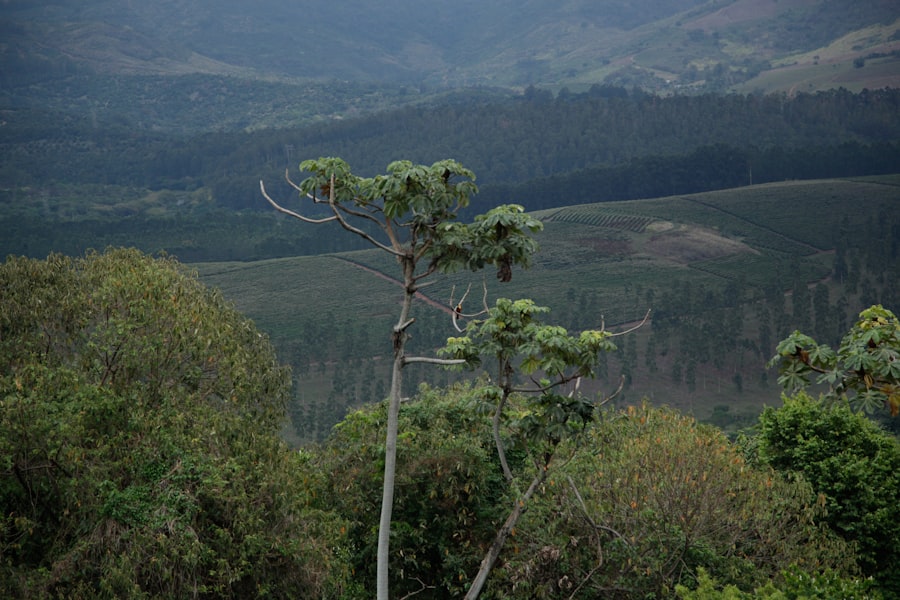
Trees and vegetation play an indispensable role in stabilizing soil and preventing erosion. When you think about the structure of a tree, its roots extend deep into the ground, creating a network that binds the soil together. This root system not only holds the soil in place but also absorbs excess water, reducing the likelihood of saturation that can lead to landslides.
The presence of vegetation also helps to slow down water runoff, allowing it to percolate into the ground rather than washing away topsoil. Furthermore, trees contribute organic matter to the soil through leaf litter and decomposing roots, enhancing its fertility and structure. This improved soil quality supports a diverse range of plant life, which in turn creates a more resilient ecosystem.
By promoting the growth of trees and other vegetation, you are not only stabilizing the soil but also fostering an environment that can withstand extreme weather events. The symbiotic relationship between trees and soil is vital for maintaining landscape integrity and preventing landslide occurrences.
Implementing Reforestation Projects in Vulnerable Regions
When it comes to implementing reforestation projects in vulnerable regions, careful planning and execution are paramount. You should begin by selecting native tree species that are well-suited to the local environment. Native species are more likely to thrive and support local wildlife, making them an ideal choice for reforestation efforts.
Additionally, involving local experts in the selection process can ensure that you choose species that will effectively stabilize the soil. Once you have identified suitable species, it is essential to develop a comprehensive planting strategy. This includes determining the optimal planting density, timing, and methods for ensuring successful growth.
You may also want to consider incorporating other forms of vegetation, such as shrubs and grasses, which can provide additional layers of protection against erosion. By taking a holistic approach to reforestation, you can create a robust ecosystem that significantly reduces the risk of landslides.
Engaging Local Communities in Reforestation Efforts
Engaging local communities is vital for the success of any reforestation initiative. When you involve community members in the planning and execution of projects, you foster a sense of ownership and responsibility towards the environment. This engagement can take many forms, from organizing tree-planting events to providing education on sustainable land management practices.
By empowering local residents, you create a network of advocates who are invested in the long-term success of reforestation efforts. Moreover, local communities often possess invaluable knowledge about their environment that can inform your strategies. They understand the unique challenges and opportunities present in their region, which can lead to more effective reforestation practices.
By collaborating with community members, you not only enhance the effectiveness of your initiatives but also build resilience against future landslide risks. This partnership creates a sustainable model for environmental stewardship that benefits both people and nature.
Monitoring and Maintaining Reforestation Initiatives
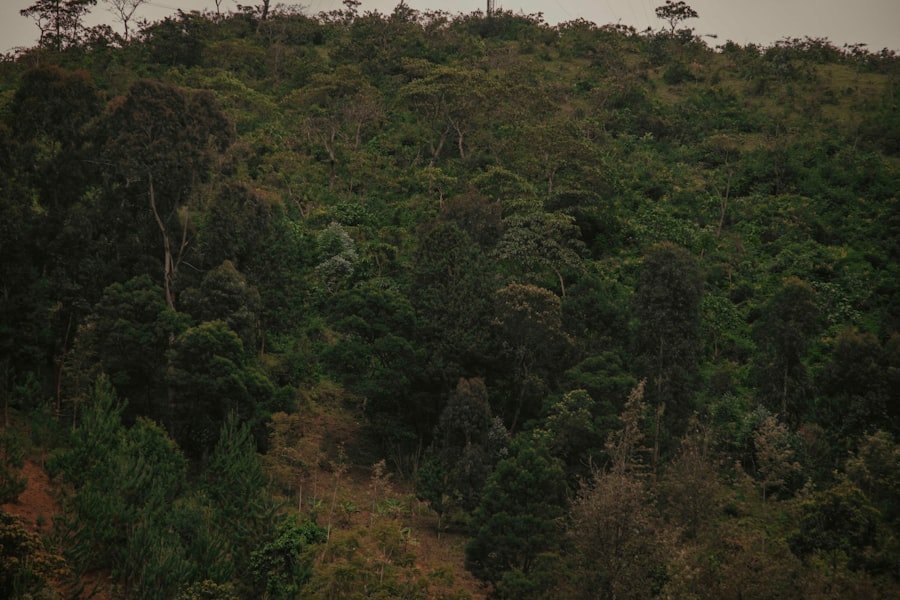
Monitoring and maintaining reforestation initiatives is crucial for ensuring their long-term success. After planting trees, you need to establish a system for tracking their growth and health over time. Regular assessments can help identify any issues such as disease or pest infestations that may threaten the survival of young trees.
By addressing these challenges promptly, you can increase the likelihood that your reforestation efforts will thrive. In addition to monitoring tree health, it is essential to maintain the surrounding ecosystem. This includes managing invasive species that may compete with native plants for resources and ensuring that soil quality remains high through practices such as mulching or organic fertilization.
You should also consider implementing erosion control measures in areas where soil stability is particularly precarious. By taking a proactive approach to maintenance, you can create a thriving forest that continues to provide benefits for years to come.
The Economic and Environmental Benefits of Strategic Reforestation
Strategic reforestation offers numerous economic and environmental benefits that extend beyond landslide prevention. From an economic perspective, healthy forests can provide resources such as timber, non-timber forest products, and opportunities for ecotourism. When you invest in reforestation projects, you are not only contributing to environmental sustainability but also creating jobs and stimulating local economies.
This dual benefit makes reforestation an attractive option for communities looking to enhance their livelihoods while protecting their environment. Environmentally, reforestation contributes to carbon sequestration, helping mitigate climate change by absorbing carbon dioxide from the atmosphere. Additionally, forests play a critical role in maintaining biodiversity by providing habitats for countless species.
When you engage in strategic reforestation efforts, you are actively participating in global initiatives aimed at combating climate change and preserving ecosystems for future generations. The multifaceted benefits of reforestation underscore its importance as a key strategy for sustainable development.
Collaborating with Government and Non-Profit Organizations for Effective Landslide Prevention
Collaboration with government agencies and non-profit organizations is essential for maximizing the effectiveness of landslide prevention efforts through reforestation. These entities often have access to resources, expertise, and funding that can significantly enhance your initiatives. By forming partnerships with these organizations, you can leverage their strengths to implement more comprehensive reforestation projects that address both immediate needs and long-term sustainability.
In addition to resource sharing, collaboration fosters knowledge exchange among stakeholders. Government agencies may have data on land use policies or environmental regulations that can inform your strategies, while non-profits often have experience working with communities on similar projects. By pooling resources and expertise, you can create a more robust framework for landslide prevention through reforestation efforts.
This collaborative approach not only enhances project outcomes but also builds a network of support that strengthens community resilience against future environmental challenges. In conclusion, reforestation is an essential strategy for preventing landslides while simultaneously promoting environmental health and community engagement. By understanding its importance, identifying high-risk areas, stabilizing soil through vegetation, implementing targeted projects, engaging local communities, monitoring progress, recognizing economic benefits, and collaborating with various organizations, you can contribute significantly to reducing landslide risks in vulnerable regions.
Your efforts will not only protect landscapes but also foster sustainable development for future generations.
Strategic reforestation plays a crucial role in preventing landslides and protecting lives and land. According to a related article on combating global warming by massive tree planting, planting trees not only helps in reducing carbon emissions but also stabilizes soil, preventing erosion and landslides. By strategically planting trees in vulnerable areas, we can mitigate the risks associated with landslides and create a more sustainable environment for future generations.
FAQs
What is strategic reforestation?
Strategic reforestation is the deliberate and planned planting of trees in specific areas to prevent landslides and erosion, improve soil stability, and protect communities and infrastructure.
How does strategic reforestation help prevent landslides?
Reforestation helps prevent landslides by increasing the stability of the soil through the roots of trees, which bind the soil together and reduce the risk of erosion. Trees also absorb water from the soil, reducing the likelihood of saturation and subsequent landslides.
What are the benefits of strategic reforestation in landslide prevention?
Strategic reforestation not only helps prevent landslides, but also provides numerous other benefits such as improving air and water quality, enhancing biodiversity, and providing economic opportunities through sustainable forestry practices.
Where are strategic reforestation efforts most effective in preventing landslides?
Reforestation efforts are most effective in areas with steep slopes, deforested or degraded land, and high levels of rainfall, where the risk of landslides is particularly high.
What are some examples of successful strategic reforestation projects in landslide-prone areas?
Successful strategic reforestation projects can be found in various parts of the world, including the Philippines, Nepal, and Brazil, where reforestation efforts have helped reduce the risk of landslides and protect communities and ecosystems.