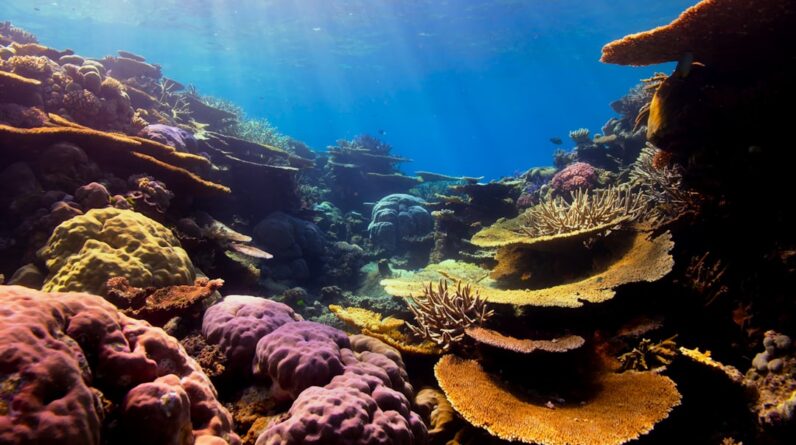
As you navigate through the complexities of modern life, it becomes increasingly clear that the climate crisis is not a distant threat but an immediate reality. The signs are all around you—extreme weather events, rising sea levels, and shifting ecosystems are just a few indicators of the urgent need for action. You may have noticed how wildfires rage more fiercely, hurricanes grow more destructive, and droughts become more prolonged.
These phenomena are not isolated incidents; they are interconnected manifestations of a planet in distress. The urgency to address climate change is not merely an environmental concern; it is a pressing human issue that affects health, security, and economic stability. You might feel overwhelmed by the scale of the problem, but it is essential to recognize that every action counts.
The scientific consensus is clear: if you do not act now, the consequences will be dire for future generations. The Intergovernmental Panel on Climate Change (IPCC) has repeatedly warned that without significant reductions in greenhouse gas emissions, you could face catastrophic impacts on food security, water availability, and public health. The time for complacency has passed; it is now your responsibility to advocate for change and contribute to solutions that can mitigate this crisis.
Key Takeaways
- The urgency of addressing the climate crisis is paramount to prevent irreversible damage to the planet and its inhabitants.
- Shifting to sustainable and renewable energy sources is crucial for reducing carbon emissions and mitigating climate change.
- Creating green jobs and economic opportunities can drive innovation and growth while promoting environmental sustainability.
- Investing in climate resilience and adaptation is essential to protect communities and infrastructure from the impacts of climate change.
- Rethinking transportation and urban planning is necessary to reduce emissions and create more sustainable and livable cities.
Shifting to Sustainable and Renewable Energy Sources
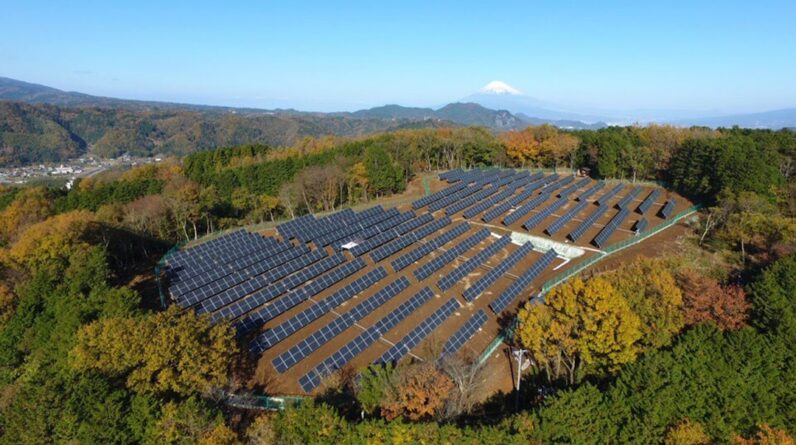
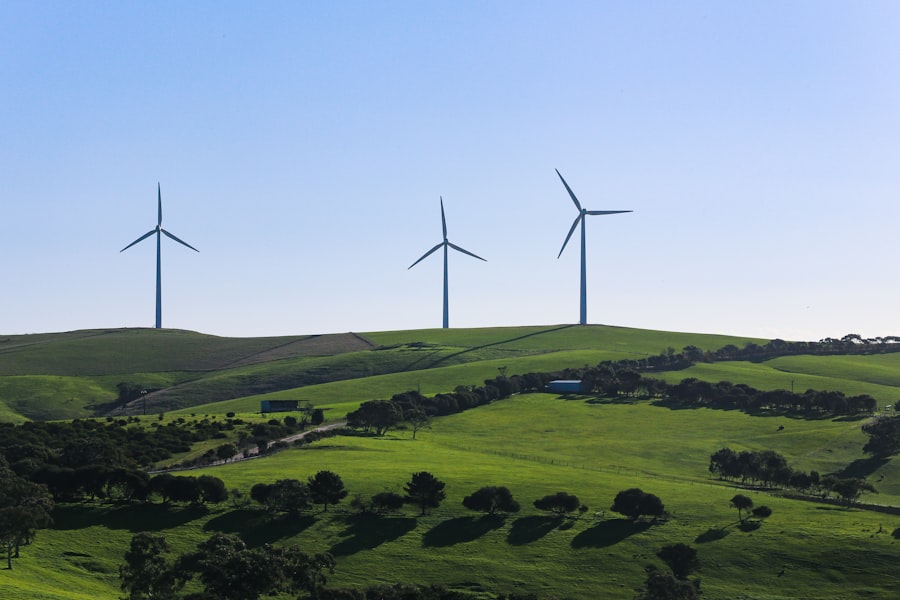
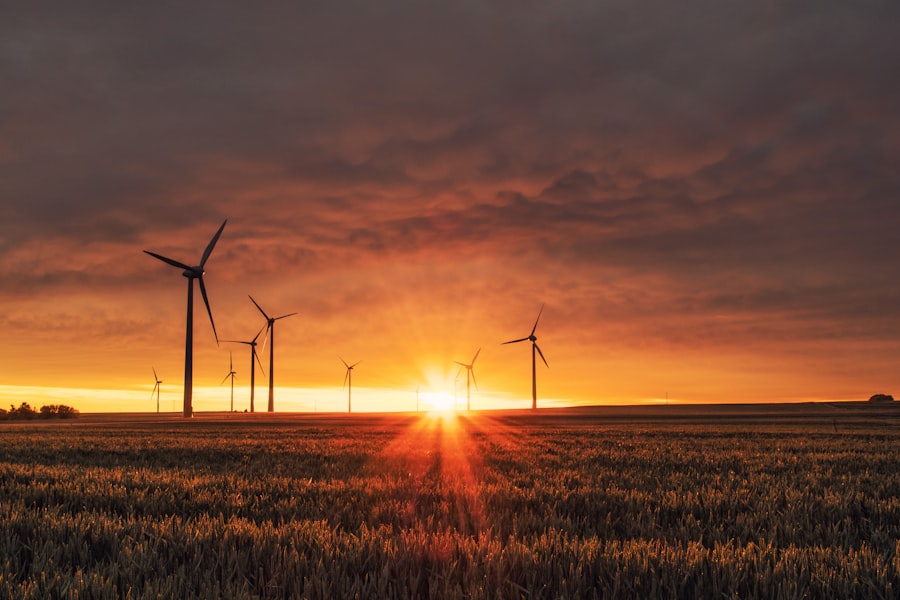
Transitioning to sustainable and renewable energy sources is one of the most effective strategies you can adopt to combat climate change. Fossil fuels have long been the backbone of global energy production, but their environmental costs are becoming increasingly untenable. By embracing renewable energy sources such as solar, wind, and hydroelectric power, you can significantly reduce your carbon footprint.
Imagine harnessing the sun’s rays or the wind’s power to generate electricity—these resources are abundant and sustainable, offering a pathway to a cleaner future. You may wonder how this shift can be implemented on a larger scale. Governments and businesses must invest in infrastructure that supports renewable energy technologies.
This includes building solar farms, wind turbines, and energy storage systems that can provide reliable power even when the sun isn’t shining or the wind isn’t blowing. As an individual, you can also play a role by advocating for policies that promote clean energy initiatives and by considering renewable options for your own home, such as solar panels or energy-efficient appliances. Every small step contributes to a larger movement toward sustainability.
Creating Green Jobs and Economic Opportunities
The transition to a sustainable economy does not only benefit the environment; it also presents a wealth of economic opportunities. As you consider the implications of climate action, think about the potential for job creation in green industries. From renewable energy technicians to sustainable agriculture specialists, the demand for skilled workers in these fields is on the rise.
By investing in education and training programs focused on green jobs, you can help prepare the workforce for this new economy. Moreover, creating green jobs can stimulate local economies and foster community resilience. You may find that businesses focused on sustainability not only thrive but also attract investment and innovation.
As communities embrace eco-friendly practices, they can become leaders in sustainability, drawing in tourists and new residents who value environmental stewardship. By supporting policies that prioritize green job creation, you can contribute to a more equitable economy that benefits everyone while addressing the climate crisis.
Investing in Climate Resilience and Adaptation
As climate change continues to impact your environment, investing in climate resilience and adaptation becomes crucial. You may have noticed how communities are increasingly vulnerable to flooding, heatwaves, and other climate-related disasters. To protect lives and livelihoods, it is essential to develop strategies that enhance resilience against these threats.
This could involve upgrading infrastructure to withstand extreme weather events or implementing water management systems that ensure access to clean water during droughts. You might also consider how adaptation measures can be integrated into urban planning and community development. For instance, creating green spaces can help mitigate urban heat islands while providing recreational areas for residents.
Additionally, investing in early warning systems can save lives by alerting communities to impending disasters. By prioritizing resilience in your community planning efforts, you can help ensure that your neighborhood is better equipped to face the challenges posed by climate change.
Rethinking Transportation and Urban Planning
Transportation is another critical area where you can make a significant impact on climate change. The reliance on fossil fuel-powered vehicles contributes substantially to greenhouse gas emissions. By rethinking transportation systems and urban planning, you can promote more sustainable alternatives.
Imagine a city where public transportation is efficient, affordable, and accessible—encouraging people to leave their cars behind in favor of buses, trains, or bicycles. You may also want to advocate for policies that support walkable communities and mixed-use developments. When neighborhoods are designed with pedestrians in mind, you create environments where people can live, work, and play without relying heavily on cars.
This not only reduces emissions but also fosters a sense of community and improves public health by encouraging physical activity. By pushing for smarter urban planning initiatives, you can help create cities that are not only more sustainable but also more enjoyable places to live.
Protecting Biodiversity and Ecosystems
The health of our planet is intricately linked to biodiversity and ecosystems. As you reflect on climate change, consider how it threatens countless species and habitats around the world. Deforestation, pollution, and habitat destruction are driving many plants and animals toward extinction at an alarming rate.
Protecting biodiversity is not just about saving individual species; it is about preserving the intricate web of life that sustains us all. You might find it inspiring to engage in conservation efforts within your community or support organizations dedicated to protecting natural habitats. This could involve participating in local clean-up events, advocating for protected areas, or supporting sustainable agriculture practices that promote biodiversity.
By taking action to safeguard ecosystems, you contribute to a healthier planet that can better withstand the impacts of climate change while ensuring that future generations inherit a rich natural heritage.
Empowering Communities and Promoting Environmental Justice
Environmental justice is a crucial aspect of addressing the climate crisis that often goes overlooked. You may be aware that marginalized communities frequently bear the brunt of environmental degradation and climate impacts despite contributing the least to the problem. Empowering these communities through equitable policies and resources is essential for achieving meaningful climate action.
You can play a role in promoting environmental justice by advocating for policies that prioritize vulnerable populations in climate planning efforts. This includes ensuring access to clean air and water, affordable housing, and green spaces for all communities. By amplifying the voices of those most affected by environmental issues, you help create a more inclusive dialogue around climate action—one that recognizes the interconnectedness of social justice and environmental sustainability.
International Collaboration and Diplomacy for Climate Action
Finally, addressing the climate crisis requires international collaboration and diplomacy. Climate change knows no borders; its effects are felt globally, making it imperative for nations to work together toward common goals. You may have seen how international agreements like the Paris Accord aim to unite countries in their efforts to reduce emissions and limit global warming.
However, achieving these goals necessitates ongoing commitment and cooperation among nations. You can support international climate action by staying informed about global initiatives and advocating for your government to take an active role in these discussions. Encourage leaders to prioritize climate diplomacy as part of their foreign policy agendas—recognizing that collaboration is essential for addressing this shared challenge.
By fostering international partnerships focused on sustainability and resilience, you contribute to a collective effort that transcends borders and paves the way for a more sustainable future for all. In conclusion, addressing the climate crisis requires urgent action across multiple fronts—from transitioning to renewable energy sources to promoting environmental justice and international collaboration. As you reflect on your role in this global challenge, remember that every action counts.
Whether through personal choices or advocacy efforts, you have the power to contribute to meaningful change that benefits both people and the planet. The time for action is now; together, we can create a sustainable future for generations to come.
In a related article, “Advantages of Planting Trees for Climate Change,” the importance of reforestation and afforestation in combating the climate crisis is highlighted. Planting trees not only helps to absorb carbon dioxide from the atmosphere but also provides numerous other benefits for the environment and communities. To learn more about how planting trees can make a positive impact on the planet, check out the article here.
FAQs
What is the climate crisis?
The climate crisis refers to the significant and rapid changes in the Earth’s climate patterns, primarily attributed to human activities such as the burning of fossil fuels, deforestation, and industrial processes. These changes have led to rising global temperatures, extreme weather events, and other environmental disruptions.
How can the climate crisis be seen as an opportunity?
The climate crisis presents an opportunity for individuals, businesses, and governments to transition towards more sustainable and environmentally friendly practices. This can lead to the development of new technologies, industries, and job opportunities in the renewable energy sector, as well as the potential for improved public health and a more resilient economy.
What are some examples of opportunities arising from the climate crisis?
Opportunities arising from the climate crisis include the growth of renewable energy sources such as solar and wind power, the development of energy-efficient technologies, the expansion of public transportation systems, and the implementation of sustainable agricultural practices. Additionally, there is potential for job creation in green industries and the promotion of eco-friendly products and services.
How can individuals contribute to building a better future in the face of the climate crisis?
Individuals can contribute to building a better future by adopting sustainable lifestyle choices such as reducing energy consumption, minimizing waste, supporting eco-friendly businesses, and advocating for policies that promote environmental conservation and climate action. Additionally, individuals can educate themselves and others about the importance of addressing the climate crisis.