Global warming is a pressing issue that has garnered significant attention over the past few decades. As you delve into this topic, you will discover that it refers to the long-term increase in Earth’s average surface temperature due to human activities, primarily the burning of fossil fuels, deforestation, and industrial processes. These actions release greenhouse gases, such as carbon dioxide and methane, into the atmosphere, creating a thick layer that traps heat.
This phenomenon not only affects the climate but also has far-reaching consequences for the planet’s ecosystems, wildlife, and human populations. Understanding global warming is crucial for recognizing its implications on our world. As temperatures rise, you may notice shifts in weather patterns, increased frequency of extreme weather events, and changes in the natural environment.
The urgency to address global warming cannot be overstated; it is a challenge that requires collective action from individuals, communities, governments, and organizations worldwide. By educating yourself about this issue, you can become an informed advocate for change and contribute to efforts aimed at mitigating its effects.
Key Takeaways
- Global warming is causing a rise in average global temperatures due to the increase in greenhouse gases in the atmosphere.
- Wildlife and ecosystems are being negatively impacted by global warming through habitat loss, changes in migration patterns, and increased risk of extinction.
- Rising sea levels and coastal erosion are threatening coastal communities and ecosystems, leading to loss of land and increased flooding.
- Extreme weather events and natural disasters, such as hurricanes and wildfires, are becoming more frequent and severe due to global warming.
- Global warming is also impacting human health, leading to an increase in heat-related illnesses, respiratory problems, and the spread of infectious diseases.
Impact on Wildlife and Ecosystems
The impact of global warming on wildlife and ecosystems is profound and multifaceted. As temperatures rise, many species find their habitats altered or destroyed, leading to shifts in migration patterns and breeding seasons. For instance, you may observe that certain bird species are arriving at their nesting grounds earlier in the spring due to warmer temperatures.
This disruption can lead to mismatches in food availability, as insects and plants may not synchronize with the new timing of animal behaviors. Such changes can have cascading effects throughout entire ecosystems, threatening the delicate balance that sustains life. Moreover, global warming exacerbates existing threats to wildlife, such as habitat loss and pollution.
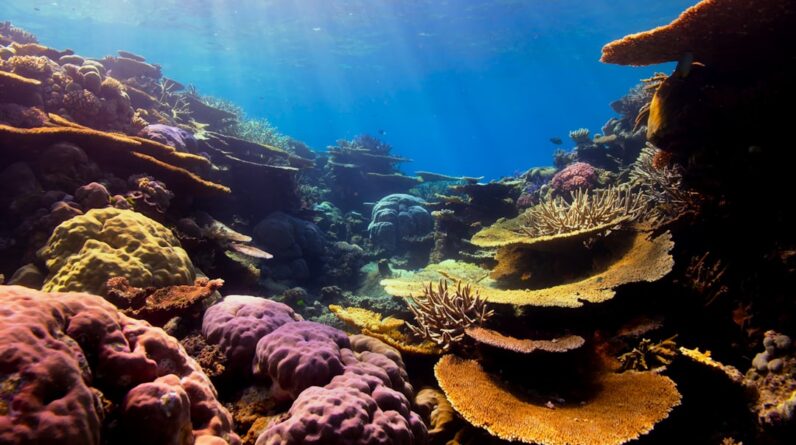
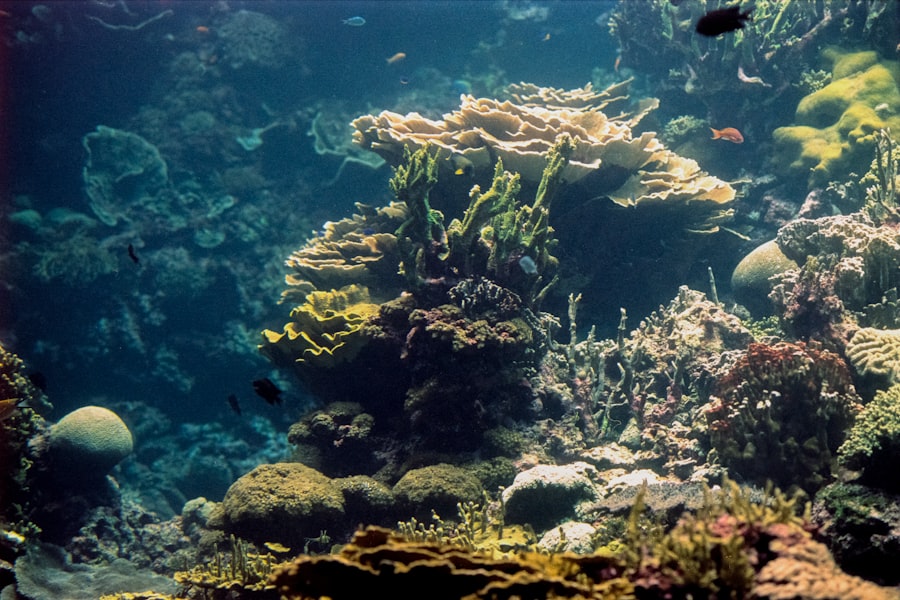
Coral reefs, often referred to as the “rainforests of the sea,” are particularly vulnerable to rising ocean temperatures and acidification. As you learn more about these ecosystems, you will find that coral bleaching events are becoming increasingly common, leading to the decline of marine biodiversity. The loss of these vital habitats not only affects marine life but also impacts human communities that rely on fishing and tourism for their livelihoods.
The interconnectedness of all living organisms highlights the urgent need for conservation efforts to protect both wildlife and their ecosystems from the ravages of climate change.
Rising Sea Levels and Coastal Erosion
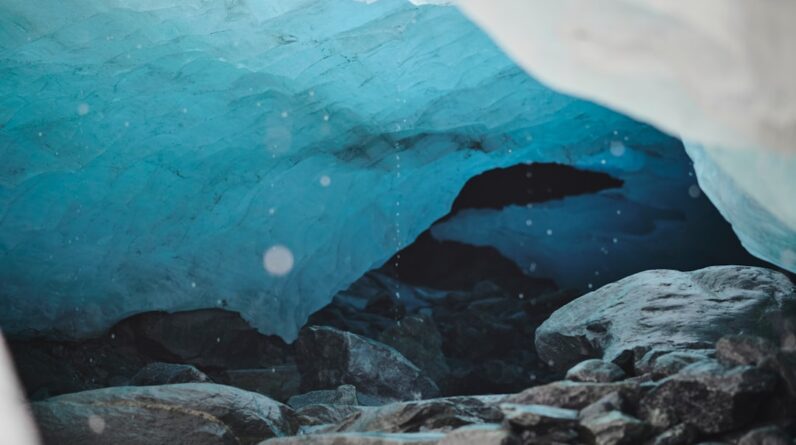
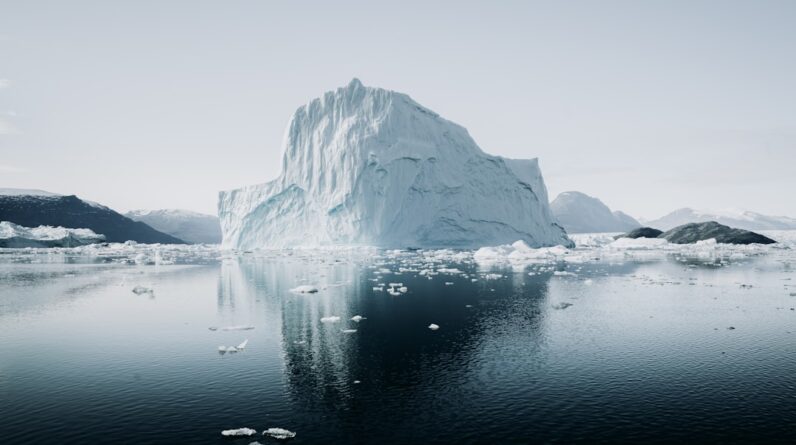
Rising sea levels are one of the most visible consequences of global warming, driven primarily by the melting of polar ice caps and glaciers, as well as the thermal expansion of seawater as it warms. As you explore this topic further, you will come to understand that coastal communities are particularly at risk from this phenomenon. Low-lying areas are increasingly susceptible to flooding, which can lead to the displacement of populations and loss of property.
You may find it alarming that some island nations face existential threats due to rising waters, forcing them to consider relocation or adaptation strategies. Coastal erosion is another significant concern linked to rising sea levels. As shorelines recede, you may witness the loss of critical habitats such as wetlands and mangroves, which serve as natural buffers against storms and provide essential ecosystem services.
The degradation of these areas not only threatens wildlife but also compromises human infrastructure and safety. Communities must grapple with the reality of adapting to these changes, whether through building sea walls or implementing sustainable land-use practices. The challenge lies in balancing development with environmental preservation to ensure a resilient future for both people and nature.
Extreme Weather Events and Natural Disasters
The frequency and intensity of extreme weather events have surged in recent years, a trend closely linked to global warming. As you examine this issue, you will find that hurricanes, droughts, heatwaves, and heavy rainfall are becoming more common and severe. These events not only disrupt daily life but also pose significant risks to public safety and infrastructure.
For instance, you may recall recent hurricanes that have caused widespread devastation, displacing thousands and leading to substantial economic losses. The implications of extreme weather extend beyond immediate impacts; they can also strain emergency response systems and challenge recovery efforts. Communities often find themselves unprepared for the scale of destruction wrought by these disasters.
As you consider the broader picture, it becomes clear that climate change is not just an environmental issue but a humanitarian one as well. The need for robust disaster preparedness plans and resilient infrastructure has never been more critical in safeguarding lives and livelihoods against the backdrop of a changing climate.
Health Impacts on Humans
The health impacts of global warming on humans are increasingly evident and concerning. As temperatures rise, you may notice an uptick in heat-related illnesses such as heat exhaustion and heatstroke, particularly among vulnerable populations like the elderly and those with pre-existing health conditions. Additionally, warmer temperatures can exacerbate air quality issues, leading to respiratory problems and increased hospitalizations due to conditions like asthma.
The connection between climate change and public health is becoming clearer as researchers uncover links between environmental factors and disease outbreaks. Vector-borne diseases are another area where global warming plays a significant role. As you explore this topic further, you will learn that changing climates can expand the habitats of disease-carrying organisms like mosquitoes and ticks.
This shift can lead to increased transmission rates of diseases such as malaria, dengue fever, and Lyme disease in regions previously unaffected by these threats. The intersection of climate change and health underscores the importance of proactive measures to protect public health while addressing the root causes of global warming.
Economic Consequences
The economic consequences of global warming are vast and complex, affecting various sectors from agriculture to tourism. As you delve into this topic, you will discover that changing weather patterns can disrupt food production systems, leading to crop failures and increased prices for consumers. Farmers may struggle with unpredictable rainfall patterns or prolonged droughts that threaten their livelihoods.
The ripple effects can extend beyond individual farmers; entire communities reliant on agriculture may face economic instability as food supplies dwindle. Moreover, industries such as tourism are also feeling the impact of climate change. You may find it interesting that destinations known for their natural beauty are at risk due to rising sea levels or extreme weather events.
Coastal resorts may experience declines in visitors as beaches erode or become unsafe due to storms. The economic implications are profound; communities that depend on tourism for jobs and revenue must adapt to changing conditions or risk losing their economic viability altogether. Addressing these challenges requires innovative solutions that promote sustainability while fostering economic resilience.
Loss of Biodiversity
The loss of biodiversity is one of the most alarming consequences of global warming, with far-reaching implications for ecosystems and human well-being. As temperatures rise and habitats change or disappear altogether, many species face extinction if they cannot adapt quickly enough or find suitable new environments. You may find it disheartening to learn that scientists estimate that one million species are currently at risk of extinction due to climate change and other human activities.
This loss not only diminishes the richness of our planet but also undermines essential ecosystem services such as pollination, water purification, and carbon sequestration. Biodiversity is crucial for maintaining healthy ecosystems that can withstand environmental changes. As you reflect on this issue, consider how interconnected all living organisms are; the decline of one species can have cascading effects on others within the food web.
Protecting biodiversity is not merely an environmental concern; it is essential for ensuring food security, clean water access, and overall human health. Efforts to conserve habitats and protect endangered species must be prioritized if we hope to preserve the intricate web of life on Earth.
Solutions and Mitigation Efforts
Addressing global warming requires a multifaceted approach involving individuals, communities, governments, and organizations working together toward sustainable solutions. As you explore potential mitigation efforts, you will find that transitioning to renewable energy sources such as solar, wind, and hydroelectric power is crucial for reducing greenhouse gas emissions. By embracing clean energy technologies, you can contribute to a more sustainable future while decreasing reliance on fossil fuels.
Additionally, promoting energy efficiency in homes and businesses can significantly reduce carbon footprints. Simple actions like using energy-efficient appliances or improving insulation can make a difference in overall energy consumption. You might also consider advocating for policies that support sustainable practices at local or national levels—such as carbon pricing or incentives for green technologies—that encourage businesses and individuals alike to adopt environmentally friendly practices.
Furthermore, reforestation efforts play a vital role in combating climate change by absorbing carbon dioxide from the atmosphere. Supporting initiatives aimed at restoring degraded ecosystems can help enhance biodiversity while providing essential services like clean air and water. Engaging in community-based conservation projects allows you to take an active role in protecting your local environment while fostering a sense of stewardship for future generations.
In conclusion, global warming presents a formidable challenge with far-reaching consequences for wildlife, ecosystems, human health, economies, and biodiversity. However, by understanding its impacts and actively participating in solutions and mitigation efforts, you can contribute to a more sustainable future for our planet. The time for action is now; every effort counts in the fight against climate change.
In a related article titled Advantages of Planting Trees for Climate Change, the positive impact of reforestation efforts on combating global warming is explored. This article highlights how planting trees can help absorb carbon dioxide from the atmosphere, reduce greenhouse gas emissions, and mitigate the effects of climate change. By increasing the number of trees in our environment, we can contribute to a healthier planet and a more sustainable future.
FAQs
What is global warming?
Global warming refers to the long-term increase in Earth’s average surface temperature due to human activities, primarily the release of greenhouse gases such as carbon dioxide and methane.
What are the environmental consequences of global warming?
The environmental consequences of global warming include rising sea levels, more frequent and severe natural disasters, loss of biodiversity, disruption of ecosystems, and changes in weather patterns.
How does global warming contribute to rising sea levels?
Global warming contributes to rising sea levels by causing the thermal expansion of seawater and the melting of polar ice caps and glaciers, leading to an increase in the volume of water in the oceans.
What are the impacts of global warming on natural disasters?
Global warming can lead to more frequent and severe natural disasters such as hurricanes, droughts, floods, and wildfires, which can cause widespread destruction and loss of life.
How does global warming affect biodiversity and ecosystems?
Global warming can disrupt ecosystems and lead to the loss of biodiversity by altering habitats, causing species to migrate or go extinct, and affecting the availability of food and resources for plants and animals.
What are the changes in weather patterns caused by global warming?
Global warming can lead to changes in weather patterns, including more extreme temperatures, changes in precipitation patterns, and an increase in the frequency and intensity of extreme weather events such as heatwaves and heavy rainfall.
What can be done to mitigate the environmental consequences of global warming?
Mitigating the environmental consequences of global warming requires reducing greenhouse gas emissions, transitioning to renewable energy sources, conserving natural habitats, and implementing policies to adapt to and mitigate the impacts of climate change.