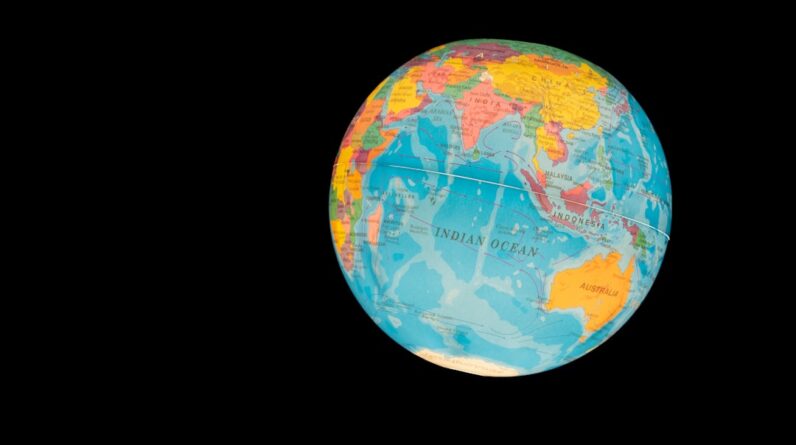
When you think about the air you breathe, it’s easy to overlook the vast oceans that play a crucial role in producing the oxygen that sustains life on Earth. The oceans cover more than 70% of the planet’s surface and are home to a myriad of organisms that contribute significantly to the global oxygen supply. In fact, it is estimated that the oceans are responsible for producing about 50% to 80% of the oxygen in our atmosphere.
This remarkable contribution is primarily due to the activities of microscopic organisms, particularly phytoplankton, which thrive in the sunlit upper layers of the ocean. Understanding oceanic oxygen production is essential for grasping the interconnectedness of Earth’s ecosystems. The health of our oceans directly influences atmospheric conditions, climate patterns, and even terrestrial life.
As you delve deeper into this topic, you will discover how various marine organisms work in concert to generate oxygen and how their well-being is intricately linked to the overall health of our planet. The oceans are not just vast bodies of water; they are dynamic systems that play a pivotal role in maintaining life as we know it.
Key Takeaways
- Oceanic oxygen production is vital for sustaining life on Earth and maintaining a balanced atmospheric composition.
- Phytoplankton play a crucial role in oxygen production through photosynthesis, contributing significantly to the oxygen content in the atmosphere.
- Marine plants and algae also contribute to oxygen production, making them essential for the health of oceanic ecosystems and the planet as a whole.
- The impact of oceanic oxygen on atmospheric composition is significant, as it influences global climate patterns and the overall health of the planet.
- Threats to oceanic oxygen production, such as pollution, climate change, and habitat destruction, pose serious risks to the balance of oxygen in the atmosphere and the health of marine ecosystems.
Role of Phytoplankton in Oxygen Production
Phytoplankton are often referred to as the “lungs of the ocean,” and for good reason. These microscopic plants, which float on the surface of the water, harness sunlight through photosynthesis to convert carbon dioxide and water into glucose and oxygen. As you explore their role in oxygen production, you will find that these tiny organisms are not only abundant but also incredibly diverse, with thousands of species contributing to this vital process.
Their ability to thrive in various marine environments makes them essential players in the oceanic ecosystem. The sheer scale at which phytoplankton operate is staggering. A single drop of seawater can contain millions of these organisms, and collectively, they produce an estimated 50% of the Earth’s oxygen.
This means that every breath you take is, in part, a result of their photosynthetic activity. However, their role extends beyond just oxygen production; they also form the foundation of the marine food web, supporting a wide range of marine life from tiny zooplankton to massive whales. By understanding the significance of phytoplankton, you can appreciate how these small organisms have a monumental impact on both ocean health and global oxygen levels.
Importance of Marine Plants and Algae in Oxygen Production

While phytoplankton are often highlighted for their oxygen-producing capabilities, they are not alone in this endeavor. Marine plants and algae also play a significant role in generating oxygen within oceanic ecosystems. Seaweeds, seagrasses, and other aquatic plants contribute to oxygen production through photosynthesis, albeit on a different scale than phytoplankton.
As you consider these organisms, it becomes clear that they are vital components of coastal ecosystems, providing habitat and food for numerous marine species. Marine plants and algae also contribute to carbon sequestration, helping to mitigate climate change by absorbing carbon dioxide from the atmosphere. This dual role as oxygen producers and carbon sinks underscores their importance in maintaining ecological balance.
You may find it fascinating that some species of seaweed can grow rapidly, doubling their biomass in just a few days under optimal conditions. This rapid growth not only enhances oxygen production but also supports biodiversity by creating habitats for various marine organisms. By recognizing the contributions of marine plants and algae, you can better understand the complexity and interdependence of oceanic life.
Impact of Oceanic Oxygen on Atmospheric Composition
The relationship between oceanic oxygen production and atmospheric composition is profound. As you breathe in fresh air, you may not realize that a significant portion of that oxygen originated from the oceans. The balance between oxygen produced by marine organisms and consumed by terrestrial life forms is crucial for maintaining atmospheric stability.
When phytoplankton and other marine plants photosynthesize, they release oxygen into the water, which eventually diffuses into the atmosphere. This process helps regulate not only the levels of oxygen but also carbon dioxide concentrations in the air. Moreover, oceanic oxygen production plays a critical role in influencing climate patterns.
The exchange of gases between the ocean and atmosphere affects weather systems and global temperatures. For instance, during periods of high phytoplankton productivity, there is often a corresponding increase in atmospheric oxygen levels, which can lead to changes in weather patterns. Understanding this intricate relationship allows you to appreciate how ocean health directly impacts climate stability and atmospheric conditions.
Threats to Oceanic Oxygen Production
Despite the vital role oceans play in oxygen production, they face numerous threats that jeopardize their ability to sustain this function. One significant threat is climate change, which leads to rising sea temperatures and ocean acidification. As temperatures increase, phytoplankton productivity can be adversely affected, disrupting their growth cycles and diminishing their capacity to produce oxygen.
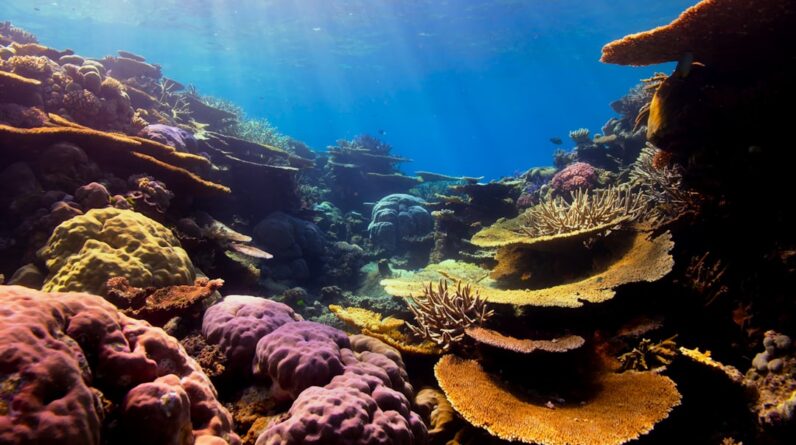
Additionally, ocean acidification—caused by increased carbon dioxide absorption—can harm marine life, including shellfish and coral reefs, further destabilizing marine ecosystems. Pollution is another major threat to oceanic oxygen production. Nutrient runoff from agricultural practices leads to eutrophication, where excessive nutrients cause algal blooms that deplete oxygen levels in the water.
These “dead zones” create inhospitable environments for marine life and can severely impact phytoplankton populations. As you consider these threats, it becomes evident that human activities have far-reaching consequences on ocean health and its ability to produce oxygen. Addressing these challenges requires collective action and awareness of our impact on marine ecosystems.
Conservation and Preservation of Oceanic Oxygenators

To ensure the continued production of oxygen from our oceans, conservation efforts must be prioritized. Protecting marine habitats such as coral reefs, seagrass beds, and mangroves is essential for maintaining biodiversity and supporting the organisms responsible for oxygen production. You can contribute to these efforts by advocating for sustainable fishing practices, reducing plastic pollution, and supporting policies aimed at protecting marine environments.
Restoration projects also play a crucial role in preserving oceanic oxygenators. Initiatives aimed at restoring degraded habitats can help revive phytoplankton populations and enhance overall ecosystem health. For instance, replanting seagrass meadows has been shown to improve water quality and increase biodiversity while simultaneously boosting oxygen production.
By engaging with local conservation organizations or participating in beach clean-ups, you can actively contribute to preserving these vital ecosystems that support life on Earth.
Human Dependence on Oceanic Oxygen Production
Your dependence on oceanic oxygen production may not be immediately apparent, but it is deeply woven into the fabric of life on Earth. The air you breathe is intricately linked to the health of our oceans; without them, life as we know it would be drastically different. The oceans not only provide oxygen but also regulate climate patterns and support food systems that sustain billions of people worldwide.
Understanding this connection emphasizes the importance of protecting marine ecosystems for future generations. Moreover, many communities rely on healthy oceans for their livelihoods through fishing, tourism, and recreation. The economic benefits derived from vibrant marine ecosystems underscore the need for sustainable practices that ensure long-term viability.
By recognizing your role as a steward of the environment, you can help promote awareness about the importance of oceanic oxygen production and advocate for policies that protect these vital resources.
Future Implications of Oceanic Oxygen Production
As you look toward the future, it is essential to consider the implications of declining oceanic oxygen production due to climate change and human activities. If current trends continue unchecked, we may face significant challenges related to food security, biodiversity loss, and climate instability. The potential for increased dead zones and diminished phytoplankton populations could lead to a cascade of negative effects on both marine life and atmospheric conditions.
However, there is still hope for positive change through concerted global efforts aimed at mitigating climate change and protecting marine ecosystems. Innovations in technology and sustainable practices can help reduce pollution and promote healthier oceans. By fostering a greater understanding of oceanic processes and advocating for responsible stewardship, you can contribute to a future where oceanic oxygen production remains robust and continues to support life on Earth for generations to come.
In conclusion, your awareness of oceanic oxygen production highlights its critical importance not only for sustaining life but also for maintaining ecological balance on our planet. By understanding the roles played by phytoplankton, marine plants, and algae while recognizing the threats they face, you can become an advocate for conservation efforts that protect these vital resources. The future health of our oceans—and consequently our atmosphere—depends on collective action aimed at preserving these essential ecosystems.
The Great Oxygenators: How Oceans Contribute to Our Air Supply highlights the crucial role that oceans play in producing oxygen and regulating our atmosphere. This article sheds light on the interconnectedness of our planet’s ecosystems and the importance of preserving them. For more information on the benefits of planting trees for the environment, check out How Does Planting Trees Help the Environment?. This article discusses the positive impact of tree planting on air quality, biodiversity, and climate change mitigation. It further emphasizes the need for sustainable practices to protect our planet for future generations.
FAQs
What are the great oxygenators?
The great oxygenators refer to the oceans, which play a crucial role in producing oxygen and contributing to our air supply.
How do oceans contribute to our air supply?
Oceans produce a significant amount of the Earth’s oxygen through the process of photosynthesis carried out by marine plants, algae, and phytoplankton.
What is the role of phytoplankton in oxygen production?
Phytoplankton, microscopic marine plants, are responsible for producing about 50-85% of the oxygen in the Earth’s atmosphere through photosynthesis.
How does the ocean’s carbon cycle impact oxygen production?
The ocean’s carbon cycle, which involves the uptake of carbon dioxide by marine organisms, also contributes to oxygen production as a byproduct of this process.
What are the potential threats to the ocean’s oxygen production?
Climate change, ocean acidification, pollution, and overfishing are some of the potential threats to the ocean’s ability to produce oxygen and maintain a healthy balance of marine life.