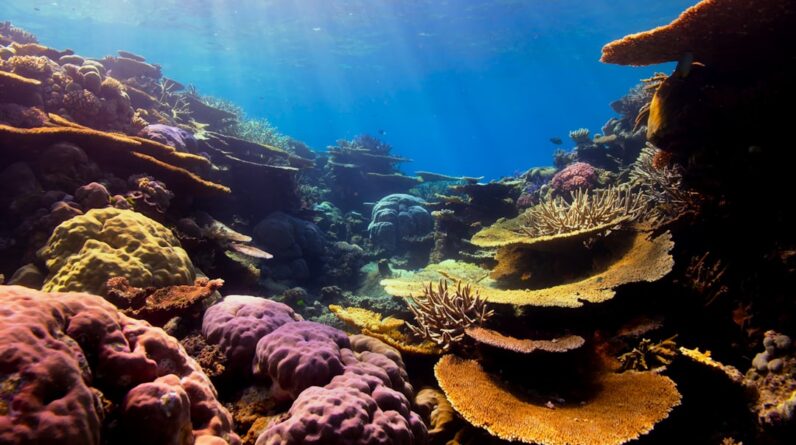
Oil spills are catastrophic events that occur when petroleum or its derivatives are released into the environment, particularly marine ecosystems. These incidents can arise from various sources, including tanker accidents, offshore drilling mishaps, and pipeline ruptures. The consequences of oil spills are profound and far-reaching, affecting not only the immediate area but also the broader ecological balance of the oceans.
As you delve into the complexities of oil spills, it becomes evident that their impact extends beyond the visible pollution; they disrupt entire ecosystems and threaten the delicate interplay of life within marine environments. Understanding oil spills is crucial for grasping their implications on marine life and the environment. The sheer volume of oil released during such incidents can create a thick layer on the water’s surface, blocking sunlight and suffocating aquatic organisms.
The urgency to address these spills is underscored by the fact that they can occur with alarming frequency, often leading to devastating consequences for both wildlife and human communities that rely on healthy oceans. As you explore this topic further, you will uncover the intricate relationships between oil spills and marine ecosystems, revealing the urgent need for effective prevention and remediation strategies.
Key Takeaways
- Oil spills have devastating impacts on marine life, disrupting photosynthesis and oxygen production, and leading to long-term consequences on ocean oxygen levels.
- Phytoplankton and algae, crucial for marine ecosystems, are particularly vulnerable to the effects of oil spills, which can have cascading effects on the entire food chain.
- Disruption of photosynthesis and oxygen production by oil spills can lead to hypoxia and dead zones in the ocean, further exacerbating the impact on marine life.
- Remediation efforts and mitigation strategies are crucial in addressing the aftermath of oil spills, but prevention through policy and regulation is equally important.
- It is imperative to take action to prevent oil spills, protect marine life, and preserve the health of our oceans for future generations.
Impact of Oil Spills on Marine Life
The impact of oil spills on marine life is both immediate and long-lasting. When oil enters the ocean, it creates a toxic environment for a wide range of organisms, from the smallest plankton to the largest marine mammals. Fish and shellfish are particularly vulnerable, as they can absorb harmful compounds through their gills or ingest contaminated food sources.
This not only affects their health but also poses risks to human populations that depend on these species for food. As you consider the ramifications of oil spills, it becomes clear that the ripple effects extend throughout the food chain, disrupting predator-prey relationships and altering population dynamics. Moreover, oil spills can lead to significant mortality rates among marine species.
For instance, seabirds that come into contact with oil often suffer from hypothermia due to the loss of their waterproofing ability, while marine mammals may experience respiratory distress or skin irritation. The long-term effects can be even more insidious, as exposure to oil can lead to reproductive issues and genetic mutations in affected populations. As you reflect on these impacts, it is essential to recognize that the health of marine ecosystems is intricately linked to human well-being, emphasizing the need for proactive measures to prevent such disasters.
Disruption of Photosynthesis and Oxygen Production
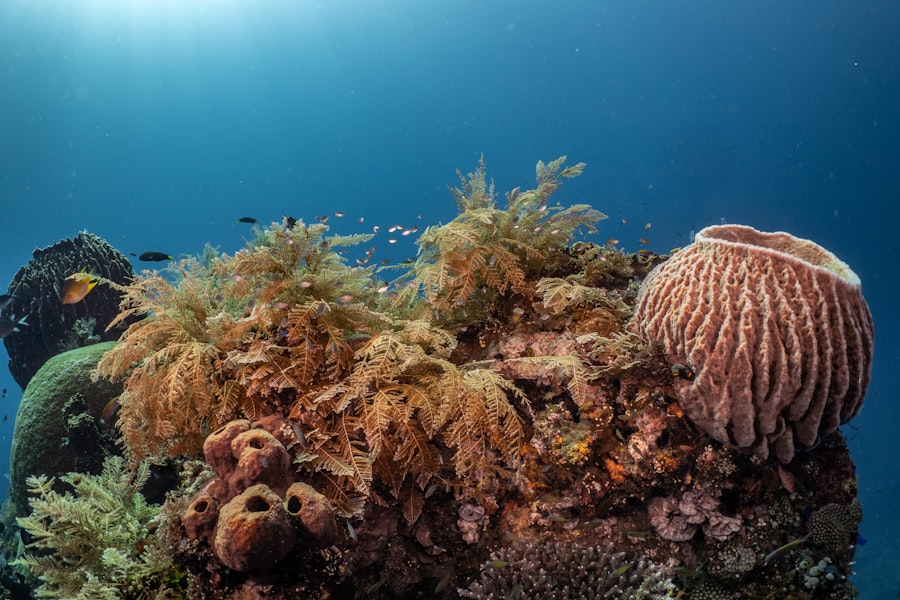
One of the most critical consequences of oil spills is their disruption of photosynthesis and oxygen production in marine environments. Phytoplankton, the microscopic plants that form the foundation of the oceanic food web, rely on sunlight to perform photosynthesis. When oil coats the water’s surface, it creates a barrier that limits light penetration, inhibiting phytoplankton growth and productivity.
This reduction in photosynthetic activity has cascading effects throughout the ecosystem, as it diminishes the primary source of energy for countless marine organisms. As you consider this disruption, it’s important to recognize that phytoplankton are responsible for producing a significant portion of the Earth’s oxygen supply. In fact, they contribute nearly half of the oxygen we breathe.
Therefore, when oil spills occur, not only is marine life affected, but there is also a potential threat to global oxygen levels. The implications of reduced oxygen production extend beyond marine ecosystems; they can influence atmospheric conditions and contribute to climate change. This interconnectedness highlights the urgency of addressing oil spills and their far-reaching consequences.
Effects of Oil Spills on Phytoplankton and Algae
Phytoplankton and algae play a vital role in maintaining healthy ocean ecosystems, serving as primary producers that support a diverse array of marine life. However, oil spills pose a significant threat to these organisms. When oil contaminates water bodies, it can lead to phytoplankton blooms or die-offs, depending on various factors such as nutrient availability and environmental conditions.
In some cases, certain species may thrive in the presence of oil, leading to harmful algal blooms that produce toxins detrimental to marine life and human health. As you explore the effects of oil spills on phytoplankton and algae further, consider how these changes can alter nutrient cycling within marine ecosystems. The decline of certain phytoplankton species can disrupt food webs, leading to declines in fish populations and other marine organisms that rely on them for sustenance.
Additionally, harmful algal blooms can create dead zones in coastal areas where oxygen levels plummet, further exacerbating the challenges faced by marine life. Understanding these dynamics is crucial for developing effective strategies to mitigate the impacts of oil spills on these essential organisms.
Long-term Consequences of Oil Spills on Ocean Oxygen Levels
The long-term consequences of oil spills extend beyond immediate ecological damage; they can have lasting effects on ocean oxygen levels as well. As phytoplankton populations decline due to oil contamination, there is a corresponding decrease in oxygen production in marine environments. This reduction can lead to hypoxic conditions—areas where oxygen levels are insufficient to support most marine life—resulting in widespread die-offs and shifts in species composition.
As you contemplate these long-term consequences, it’s essential to recognize that changes in ocean oxygen levels can have far-reaching implications for global climate patterns. The oceans play a critical role in regulating atmospheric carbon dioxide levels, and disruptions in their health can contribute to climate change feedback loops. By understanding how oil spills impact ocean oxygen levels over time, you can appreciate the urgency of implementing effective prevention and remediation strategies to protect these vital ecosystems.
Remediation Efforts and Mitigation Strategies
In response to the devastating impacts of oil spills, various remediation efforts and mitigation strategies have been developed to address both immediate and long-term consequences. One common approach involves using chemical dispersants to break down oil into smaller droplets, allowing natural processes to degrade it more effectively. However, this method is not without controversy; while dispersants can help mitigate surface pollution, they may also introduce additional toxins into the water column, affecting marine life at different depths.
Another strategy involves bioremediation, which utilizes microorganisms to break down hydrocarbons in oil spills naturally. This method has shown promise in restoring contaminated environments by enhancing the natural degradation processes. As you explore these remediation efforts further, consider how they must be carefully tailored to specific spill scenarios to maximize effectiveness while minimizing harm to marine ecosystems.
In addition to these technical approaches, public awareness and community involvement play crucial roles in mitigating the impacts of oil spills. Engaging local communities in monitoring efforts and response initiatives fosters a sense of stewardship for marine environments. By promoting education about oil spill prevention and response strategies, you can contribute to a culture of environmental responsibility that prioritizes the health of our oceans.
Policy and Regulation for Preventing Oil Spills
Effective policy and regulation are essential components in preventing oil spills and protecting marine ecosystems from their devastating effects. Governments around the world have implemented various laws and regulations aimed at minimizing risks associated with oil transportation and drilling activities. These regulations often include stringent safety standards for vessels and infrastructure, as well as protocols for emergency response in case of spills.
As you consider the role of policy in preventing oil spills, it’s important to recognize that international cooperation is vital in addressing this global issue. Treaties such as the International Convention on Oil Pollution Preparedness, Response and Co-operation (OPRC) establish frameworks for countries to work together in preventing and responding to oil spills effectively. By advocating for stronger regulations and international collaboration, you can help ensure that measures are in place to protect our oceans from future disasters.
Furthermore, public pressure can drive policy changes that prioritize environmental protection over short-term economic gains. By supporting organizations that advocate for stricter regulations on oil drilling and transportation practices, you contribute to a collective effort aimed at safeguarding marine ecosystems for future generations.
Conclusion and Call to Action
In conclusion, oil spills represent a significant threat to marine life and ecosystems worldwide. Their impacts are profound and multifaceted, affecting everything from individual species to global oxygen levels. As you reflect on this issue, it becomes clear that addressing oil spills requires a comprehensive approach that includes effective remediation efforts, robust policy frameworks, and active community engagement.
You have the power to make a difference by advocating for stronger regulations and supporting initiatives aimed at preventing oil spills. By raising awareness about this critical issue within your community and encouraging others to take action, you contribute to a collective effort that prioritizes the health of our oceans. Together, we can work towards a future where our seas remain vibrant and resilient—free from the devastating impacts of oil spills.
If you are interested in learning more about the importance of biodiversity in maintaining healthy ecosystems, check out the article Biodiversity Reservoir by Having Healthy Forest on Live Life with a Cause’s blog. This article discusses how healthy forests play a crucial role in preserving biodiversity and supporting the overall health of our planet. It is a great companion piece to understanding the devastating impact of oil spills on the ocean’s ability to produce oxygen.
FAQs
What is an oil spill?
An oil spill is the release of liquid petroleum hydrocarbon into the environment, typically due to human activity. This can occur on land or in bodies of water, such as oceans and rivers.
How do oil spills affect the ocean’s ability to produce oxygen?
Oil spills can have a devastating impact on the ocean’s ability to produce oxygen. When oil is released into the water, it forms a slick on the surface that prevents oxygen from entering the water. This can lead to a decrease in oxygen levels, which can harm marine life and disrupt the balance of the ocean’s ecosystem.
What are the long-term effects of oil spills on the ocean’s oxygen production?
The long-term effects of oil spills on the ocean’s oxygen production can be severe. Oil can persist in the environment for years, continuing to block oxygen from entering the water and disrupting the natural processes that produce oxygen. This can lead to a decline in oxygen levels and further harm to marine life and ecosystems.
How do oil spills impact marine life?
Oil spills can have a devastating impact on marine life. The oil can coat the feathers of birds, fur of mammals, and scales of fish, making it difficult for them to regulate their body temperature and causing them to ingest the toxic substance. This can lead to a range of health issues and even death for many species.
What are some methods for cleaning up oil spills?
There are several methods for cleaning up oil spills, including the use of booms and skimmers to contain and remove the oil, the application of dispersants to break up the oil into smaller droplets, and the use of biological agents to help break down the oil. However, these methods are not always completely effective and can have their own environmental impacts.