When you think about the sources of oxygen that sustain life on Earth, your mind might immediately drift to lush forests or sprawling green fields. However, the ocean plays an equally vital role in producing the oxygen that fills your lungs. In fact, it is estimated that around 50% to 80% of the Earth’s oxygen comes from marine photosynthetic organisms, primarily phytoplankton.
These microscopic plants, along with seaweed and other marine flora, are responsible for a significant portion of the oxygen you breathe. Understanding the mechanisms behind oceanic oxygen production is crucial for appreciating the delicate balance of life on our planet. As you delve deeper into this topic, you will discover that the ocean’s role in oxygen production is not just a matter of numbers; it is a complex interplay of biological, chemical, and physical processes.
The ocean is a vast and dynamic ecosystem, teeming with life forms that contribute to its ability to generate oxygen. By exploring how these processes work and their implications for both marine and terrestrial life, you will gain a greater appreciation for the ocean’s significance in maintaining the health of our planet.
Key Takeaways
- The ocean is a major source of oxygen production, contributing over 50% of the Earth’s oxygen.
- Oxygen is crucial for marine life, supporting the survival of fish, plants, and other organisms.
- Ocean’s oxygen production is primarily carried out by phytoplankton through photosynthesis.
- Decline in ocean’s oxygen production can lead to hypoxia, harming marine life and disrupting ecosystems.
- Ocean’s oxygen production plays a vital role in regulating the Earth’s climate and atmospheric composition.
The Importance of Oxygen in the Ocean
Oxygen is not merely a gas that you inhale; it is a fundamental element that supports life in various forms. In the ocean, oxygen is essential for the survival of countless marine organisms, from the tiniest plankton to the largest whales. It plays a critical role in cellular respiration, allowing these organisms to convert nutrients into energy.
Without sufficient oxygen levels, marine life would struggle to thrive, leading to a cascade of ecological consequences that could ultimately affect human life as well. Moreover, oxygen in the ocean is intricately linked to nutrient cycling and overall ecosystem health. It helps maintain the balance of various chemical processes that are vital for sustaining life.
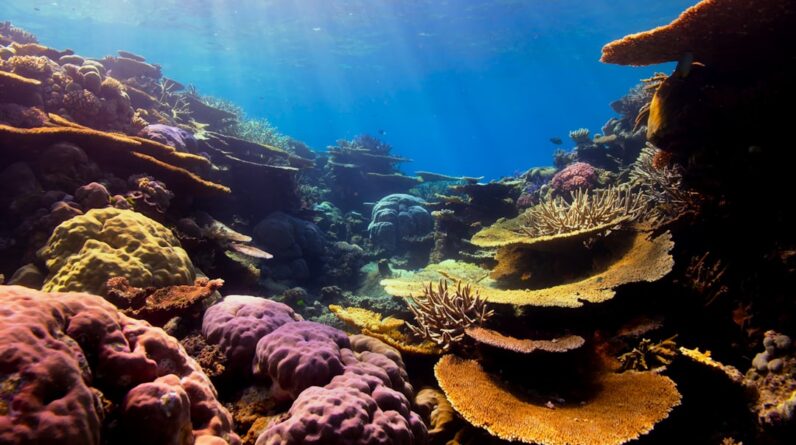
For instance, oxygen-rich waters support diverse habitats such as coral reefs and kelp forests, which serve as nurseries for many fish species. The presence of oxygen also influences the distribution of marine species, as different organisms have varying tolerances to oxygen levels. Thus, understanding the importance of oxygen in the ocean is crucial for recognizing its role in maintaining biodiversity and ecosystem stability.
How the Ocean Produces Oxygen

The primary producers of oxygen in the ocean are phytoplankton, microscopic organisms that float near the surface and harness sunlight through photosynthesis. During this process, they absorb carbon dioxide and release oxygen as a byproduct. This remarkable ability not only contributes to the oxygen supply but also helps regulate atmospheric carbon levels, making phytoplankton essential players in combating climate change.
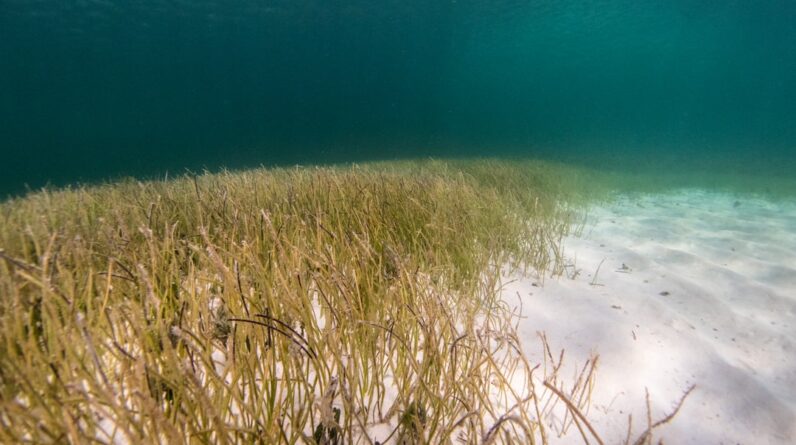
As you explore this process further, you will find that various factors influence phytoplankton growth, including nutrient availability, light penetration, and water temperature. In addition to phytoplankton, other marine plants such as seagrasses and macroalgae also contribute to oxygen production. Seagrasses, which grow in shallow coastal waters, are particularly effective at producing oxygen and providing habitat for numerous marine species.
Macroalgae, like kelp, can grow rapidly and form underwater forests that support diverse ecosystems. Together, these organisms create a complex web of life that not only produces oxygen but also supports a myriad of other species within the ocean.
The Impact of Ocean’s Oxygen Production on Marine Life
The production of oxygen in the ocean has profound implications for marine life. As you consider the intricate relationships between various species, it becomes clear that oxygen availability directly influences population dynamics and community structure. For example, areas with high levels of oxygen tend to support more diverse and abundant marine life compared to regions with low oxygen levels, often referred to as “dead zones.” These dead zones can result from nutrient pollution and lead to hypoxia, a condition where oxygen levels drop below what is necessary for most marine organisms to survive.
Furthermore, the presence of adequate oxygen levels allows for complex food webs to thrive. Predators rely on healthy populations of prey species, which in turn depend on primary producers like phytoplankton for sustenance. When oxygen production is compromised due to environmental changes or human activities, it can disrupt these food webs and lead to declines in fish stocks and other marine resources that you may rely on for food and economic stability.
The Role of Ocean’s Oxygen Production in the Earth’s Climate
The ocean’s ability to produce oxygen is intricately linked to its role in regulating Earth’s climate. As you learn more about this relationship, you will discover that the ocean acts as a carbon sink, absorbing significant amounts of carbon dioxide from the atmosphere. This process not only helps mitigate climate change but also influences global weather patterns and temperature regulation.
The oxygen produced by marine organisms plays a crucial role in this dynamic system by supporting life forms that contribute to carbon cycling. Moreover, healthy oceans with abundant oxygen levels are better equipped to withstand climate-related stressors such as rising temperatures and ocean acidification. When you consider how interconnected these systems are, it becomes evident that protecting oceanic oxygen production is essential for maintaining climate stability.
The health of marine ecosystems directly impacts your own well-being and that of future generations.
Threats to Ocean’s Oxygen Production

Despite its critical importance, oceanic oxygen production faces numerous threats that jeopardize its ability to sustain life. One of the most pressing issues is nutrient pollution from agricultural runoff and wastewater discharge. Excess nutrients can lead to algal blooms that deplete oxygen levels when they die off and decompose, creating hypoxic conditions detrimental to marine life.
As you reflect on this issue, consider how human activities can have far-reaching consequences on ecosystems far removed from urban centers. Climate change also poses a significant threat to oceanic oxygen production. Rising sea temperatures can alter phytoplankton distribution and productivity while affecting their ability to photosynthesize effectively.
Additionally, ocean acidification resulting from increased carbon dioxide absorption can hinder the growth of calcifying organisms like corals and shellfish, further disrupting the delicate balance of marine ecosystems. Understanding these threats is crucial for recognizing the urgency of conservation efforts aimed at protecting oceanic health.
Conservation Efforts to Protect Ocean’s Oxygen Production
In light of these challenges, various conservation efforts are underway to protect oceanic oxygen production and promote healthier marine ecosystems. You may be interested to learn about initiatives aimed at reducing nutrient pollution through better agricultural practices and wastewater management. By implementing sustainable farming techniques and improving sewage treatment processes, communities can help minimize nutrient runoff into coastal waters.
Additionally, marine protected areas (MPAs) have been established in many regions to safeguard critical habitats and promote biodiversity. These areas restrict human activities such as fishing and industrial development, allowing ecosystems to recover and thrive. By supporting these conservation efforts—whether through advocacy or responsible consumer choices—you can play a role in ensuring that oceanic oxygen production remains robust for generations to come.
Why We Should Care about the Ocean’s Oxygen Production
As you reflect on the intricate connections between oceanic oxygen production and life on Earth, it becomes clear why this issue deserves your attention. The health of our oceans directly impacts not only marine ecosystems but also your own well-being and that of future generations. By understanding how oceans produce oxygen and recognizing the threats they face, you can become an informed advocate for their protection.
Caring about oceanic oxygen production means acknowledging its vital role in sustaining life on our planet. It involves supporting conservation efforts aimed at preserving marine ecosystems and advocating for policies that promote sustainable practices. Ultimately, by prioritizing the health of our oceans, you contribute to a more balanced and resilient Earth—one where both marine life and humanity can thrive together in harmony.
The importance of preserving our planet’s oxygen production extends beyond just the oceans. In fact, one way to combat global warming and protect our environment is through massive tree planting initiatives. According to a related article on Live Life with a Cause, planting trees can help offset carbon emissions and create a healthier ecosystem for both humans and wildlife. By stopping forest burning and saving trees and animals, we can ensure a sustainable future for generations to come. It is crucial that we all live life with a cause and take action to protect our planet’s oxygen production and overall well-being.
FAQs
What is the importance of the ocean’s oxygen production?
The ocean’s oxygen production is crucial for supporting marine life and maintaining the balance of the Earth’s atmosphere. It is estimated that the ocean produces about 50-80% of the oxygen in the atmosphere.
How does the ocean produce oxygen?
The ocean produces oxygen through a process called photosynthesis, which is carried out by phytoplankton, seaweed, and other marine plants. These organisms use sunlight, carbon dioxide, and water to produce oxygen and organic compounds.
What are the main contributors to the ocean’s oxygen production?
Phytoplankton are the primary contributors to the ocean’s oxygen production, as they are responsible for a significant portion of the photosynthesis that occurs in the ocean. Seaweed and other marine plants also play a role in oxygen production.
How does the ocean’s oxygen production impact the environment?
The ocean’s oxygen production supports the survival of marine life, including fish, whales, and other sea creatures. It also helps to regulate the Earth’s climate and atmospheric composition, making it essential for the overall health of the planet.
What are the threats to the ocean’s oxygen production?
Climate change, pollution, and overfishing are some of the main threats to the ocean’s oxygen production. These factors can disrupt the balance of marine ecosystems, leading to a decline in oxygen production and the overall health of the ocean.