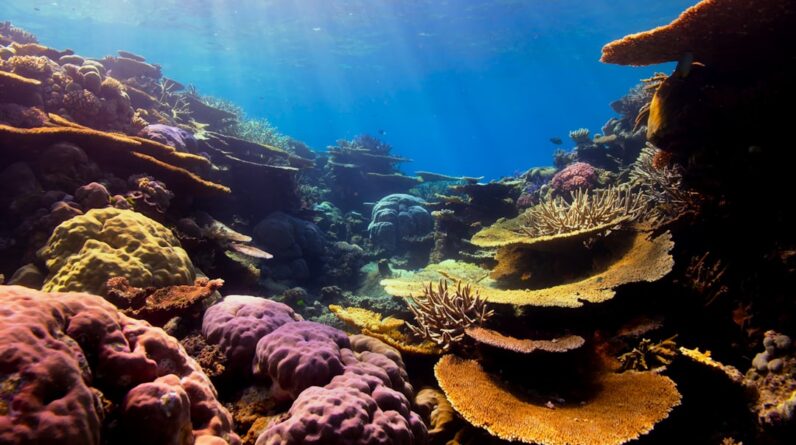
As you delve into the realm of ocean conservation, it becomes increasingly clear that ocean-friendly policies are not just beneficial; they are essential for the health of our planet. The oceans cover over 70% of the Earth’s surface and play a critical role in regulating climate, supporting biodiversity, and providing livelihoods for millions of people. By understanding the importance of these policies, you can appreciate how they contribute to sustainable development and the preservation of marine ecosystems.
The implementation of such policies can lead to reduced pollution, sustainable fishing practices, and the protection of vital habitats like coral reefs and mangroves. Moreover, ocean-friendly policies can serve as a framework for addressing broader environmental issues. When you advocate for regulations that protect marine life, you are also promoting cleaner air and water, which benefits all living organisms.
These policies can help mitigate the impacts of climate change by promoting carbon sequestration in oceanic environments. By recognizing the interconnectedness of ocean health and overall environmental well-being, you can become a more effective advocate for change. Understanding these principles will empower you to engage with others on the importance of protecting our oceans.
Key Takeaways
- Ocean-friendly policies are crucial for the health of our planet and future generations.
- Educating yourself on current ocean conservation issues is essential for informed advocacy.
- Building a network of like-minded advocates can amplify the impact of ocean conservation efforts.
- Utilizing social media and online platforms can help raise awareness and mobilize support for ocean-friendly causes.
- Engaging with local and national government officials is important for influencing policy and decision-making in favor of ocean conservation.
Educating Yourself on Current Ocean Conservation Issues
To be an effective advocate for ocean conservation, it is crucial that you educate yourself on current issues affecting marine environments. This involves staying informed about topics such as plastic pollution, overfishing, climate change, and habitat destruction. By immersing yourself in these subjects, you can better understand the challenges facing our oceans and the potential solutions that exist.
Reading scientific articles, following reputable news sources, and engaging with documentaries can provide you with a well-rounded perspective on these pressing matters. Additionally, consider attending workshops, webinars, or conferences focused on ocean conservation. These events often feature experts who share their insights and research findings, allowing you to gain a deeper understanding of the complexities involved in marine conservation efforts.
Engaging with educational resources not only enhances your knowledge but also equips you with the tools to discuss these issues with others effectively. As you become more informed, you will find it easier to inspire those around you to take action in support of ocean-friendly initiatives.
Building a Network of Like-Minded Advocates
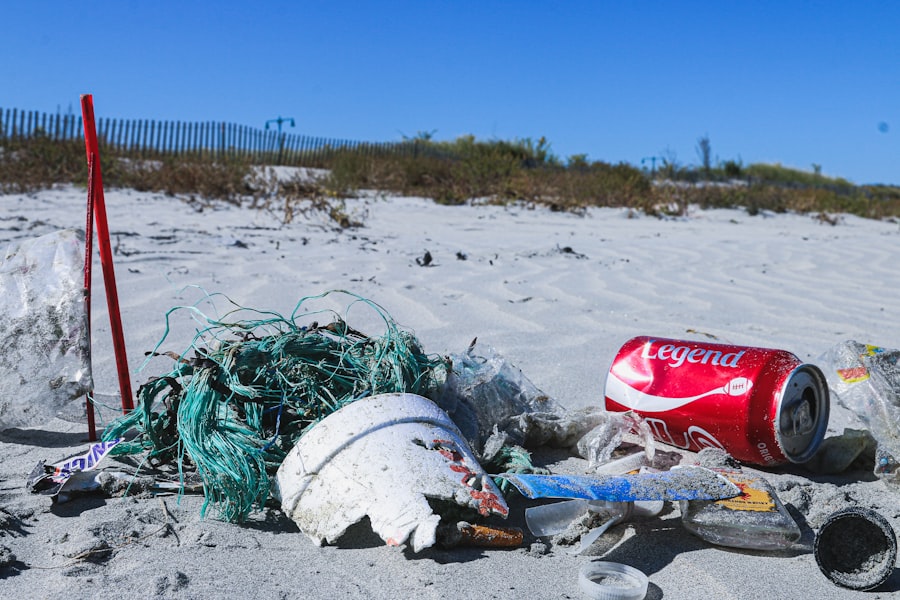
Creating a network of like-minded advocates is a powerful way to amplify your voice in the fight for ocean conservation. By connecting with individuals who share your passion for protecting marine environments, you can exchange ideas, collaborate on projects, and support one another in your advocacy efforts. Start by joining local environmental groups or online forums dedicated to ocean conservation.
These platforms provide opportunities to meet others who are equally committed to making a difference. In addition to local organizations, consider reaching out to global networks that focus on marine issues. Social media platforms can be invaluable for connecting with activists and organizations worldwide.
By sharing your experiences and learning from others, you can foster a sense of community that strengthens your resolve and enhances your impact. Building this network not only enriches your understanding of ocean conservation but also creates a support system that encourages collective action.
Utilizing Social Media and Online Platforms for Advocacy
In today’s digital age, social media and online platforms offer unprecedented opportunities for advocacy. You can leverage these tools to raise awareness about ocean conservation issues and mobilize support for initiatives that matter to you. Start by creating content that highlights the importance of protecting our oceans—this could include sharing articles, infographics, or personal stories that resonate with your audience.
Engaging visuals and compelling narratives can capture attention and inspire action among your followers. Furthermore, consider joining or creating online campaigns that focus on specific ocean-related issues. Platforms like Change.org allow you to start petitions that can garner widespread support for policy changes or conservation efforts.
By utilizing hashtags related to ocean conservation, you can connect with a broader audience and amplify your message. Remember that every post or share contributes to a larger conversation about the importance of protecting our oceans, so be consistent in your efforts to engage others online.
Engaging with Local and National Government Officials
One of the most impactful ways to advocate for ocean conservation is by engaging with local and national government officials. These individuals have the power to influence policy decisions that affect marine environments, making it essential for you to voice your concerns and suggestions. Start by researching your representatives’ positions on ocean-related issues; this knowledge will help you tailor your approach when reaching out to them.
When communicating with officials, whether through emails, phone calls, or in-person meetings, be clear and concise about the specific issues you care about. Share personal stories or data that illustrate the importance of ocean conservation in your community. Encourage them to support legislation that promotes sustainable practices and protects marine ecosystems.
By establishing a dialogue with your representatives, you not only raise awareness about critical issues but also hold them accountable for their actions regarding ocean policies.
Supporting and Volunteering with Ocean Conservation Organizations
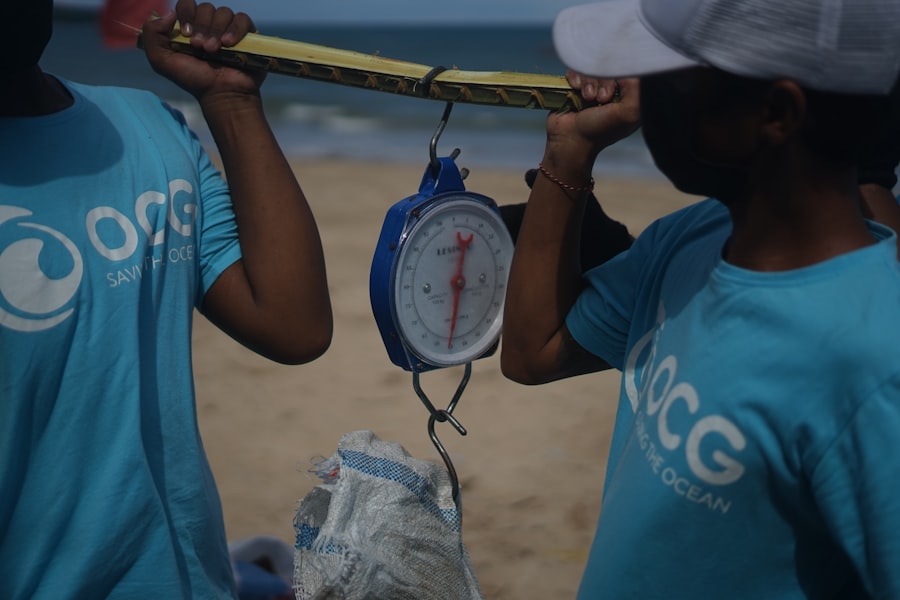
Your involvement with ocean conservation organizations can significantly impact their efforts to protect marine environments. By supporting these groups—whether through donations or volunteer work—you contribute to their mission and help amplify their reach. Research local organizations that focus on ocean conservation initiatives; many rely on volunteers for various tasks, from beach clean-ups to educational outreach programs.
Volunteering not only allows you to make a tangible difference but also provides opportunities for personal growth and learning. You may gain hands-on experience in marine biology, environmental science, or community organizing while working alongside passionate individuals who share your commitment to protecting our oceans. This experience can deepen your understanding of the challenges facing marine ecosystems and inspire you to continue advocating for change.
Participating in Public Awareness Campaigns and Events
Public awareness campaigns play a crucial role in educating communities about ocean conservation issues and mobilizing action. By participating in these campaigns or events, you can help spread the message about the importance of protecting our oceans. Look for local events such as beach clean-ups, educational workshops, or community forums focused on marine conservation topics.
Your involvement not only raises awareness but also demonstrates your commitment to making a difference. Consider organizing your own events or campaigns as well. Whether it’s hosting a film screening about ocean pollution or leading a community discussion on sustainable fishing practices, these initiatives can engage others in meaningful conversations about marine conservation.
Collaborating with local organizations can enhance the impact of your efforts and attract a wider audience. Remember that every action counts; by participating in public awareness campaigns, you contribute to a collective movement toward healthier oceans.
Celebrating and Supporting Ocean-Friendly Businesses and Initiatives
Supporting businesses that prioritize sustainability is another effective way to advocate for ocean conservation. Many companies are now adopting eco-friendly practices that reduce their impact on marine environments—whether through sustainable sourcing, reducing plastic use, or supporting conservation initiatives. By choosing to patronize these businesses, you send a message that consumers value environmental responsibility.
Additionally, consider celebrating these businesses publicly by sharing their stories on social media or writing reviews that highlight their commitment to sustainability. This not only promotes their efforts but also encourages other businesses to adopt similar practices. You can also participate in local markets or fairs that showcase ocean-friendly products and initiatives; this creates an opportunity for community members to learn about sustainable options while supporting local entrepreneurs.
In conclusion, advocating for ocean conservation requires a multifaceted approach that combines education, community engagement, and policy advocacy. By understanding the importance of ocean-friendly policies, educating yourself on current issues, building networks of like-minded advocates, utilizing social media effectively, engaging with government officials, supporting organizations, participating in public campaigns, and celebrating sustainable businesses, you can make a meaningful impact in protecting our oceans for future generations. Your commitment to these efforts will not only benefit marine ecosystems but also inspire others to join the movement toward a healthier planet.
If you are interested in advocating for environmental causes beyond ocean conservation, you may want to check out this article on how reforestation helps the environment. Reforestation plays a crucial role in combating climate change and preserving biodiversity, making it a powerful tool in the fight for a healthier planet. By understanding the interconnectedness of different environmental issues, we can work towards comprehensive solutions that benefit all aspects of our natural world.
FAQs
What is the Blue Revolution?
The Blue Revolution refers to a global movement aimed at advocating for ocean-friendly policies and sustainable practices to protect and preserve the world’s oceans and marine life.
Why is it important to advocate for ocean-friendly policies?
Advocating for ocean-friendly policies is crucial to address the various threats facing the world’s oceans, including overfishing, plastic pollution, climate change, and habitat destruction. By promoting sustainable practices and policies, we can help ensure the health and longevity of our oceans for future generations.
How can individuals advocate for ocean-friendly policies?
Individuals can advocate for ocean-friendly policies by staying informed about ocean conservation issues, supporting organizations and initiatives dedicated to ocean protection, participating in beach cleanups and conservation efforts, and engaging with policymakers to promote sustainable practices and policies.
What are some examples of ocean-friendly policies?
Ocean-friendly policies may include measures to reduce plastic pollution, establish marine protected areas, regulate fishing practices to prevent overfishing, promote sustainable seafood consumption, and address climate change impacts on the oceans.
What are the potential benefits of ocean-friendly policies?
Ocean-friendly policies can lead to healthier marine ecosystems, sustainable fisheries, cleaner beaches, and a more resilient ocean environment. Additionally, these policies can contribute to the overall well-being of coastal communities and economies that rely on healthy oceans.