Global warming is a pressing issue that has garnered significant attention over the past few decades. As you delve into this topic, you will discover that it refers to the long-term increase in Earth’s average surface temperature due to human activities, primarily the emission of greenhouse gases such as carbon dioxide and methane. These gases trap heat in the atmosphere, leading to a gradual rise in temperatures that can have far-reaching consequences for the planet.
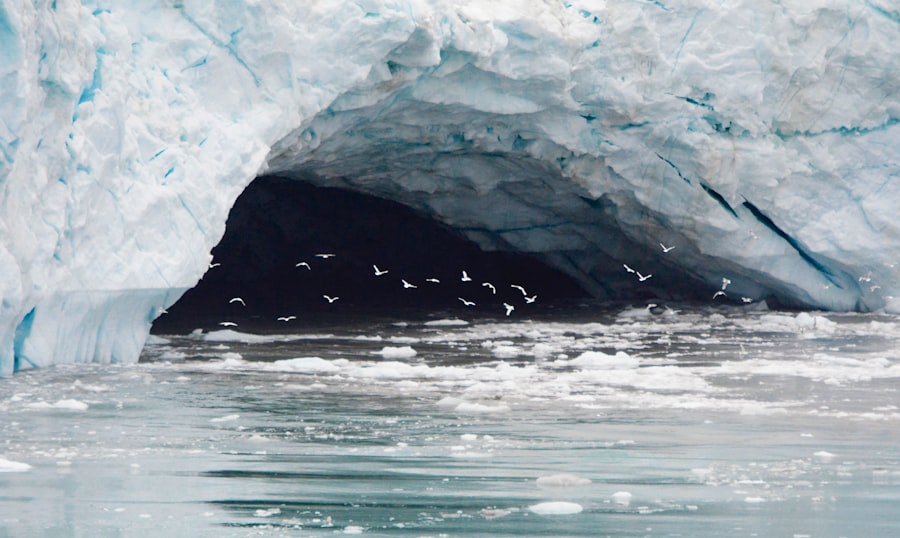
Understanding global warming is crucial, as it not only affects the environment but also has profound implications for human life and society as a whole. As you explore the intricacies of global warming, you will find that it is not merely a scientific phenomenon but a complex interplay of environmental, social, and economic factors. The consequences of rising temperatures are already being felt across the globe, from melting ice caps in the Arctic to increased frequency of extreme weather events.
The urgency to address this issue cannot be overstated, as the future of our planet hinges on our collective response to this challenge. By examining the various dimensions of global warming, you can gain a deeper understanding of its implications and the necessary steps to combat it.
Key Takeaways
- Global warming is the long-term increase in Earth’s average surface temperature due to human activities, primarily the release of greenhouse gases.
- Changes in weather patterns, including more frequent and severe heatwaves, storms, and droughts, are linked to global warming and can have devastating effects on communities and infrastructure.
- Global warming can disrupt ecosystems by altering habitats, causing species extinction, and affecting the availability of resources such as water and food.
- Agriculture and food security are threatened by global warming through changes in crop yields, water availability, and the spread of pests and diseases.
- Global warming can have serious health implications, including heat-related illnesses, increased air pollution, and the spread of infectious diseases.
Changes in Weather Patterns
One of the most noticeable effects of global warming is the alteration of weather patterns. As temperatures rise, you may observe that certain regions experience more intense and frequent storms, while others suffer from prolonged droughts. This shift in weather dynamics can lead to devastating consequences for communities worldwide.
For instance, areas that were once known for their stable climates may find themselves grappling with unpredictable weather, making it increasingly difficult for residents to plan their daily lives or agricultural activities. Moreover, these changes in weather patterns can disrupt natural ecosystems and wildlife habitats. You might notice that some species struggle to adapt to the new conditions, leading to shifts in biodiversity.
For example, warmer temperatures can cause certain plants to bloom earlier in the season, which can throw off the delicate balance of pollination and food availability for various animals. As you consider these changes, it becomes clear that the impact of global warming extends far beyond mere temperature increases; it fundamentally alters the fabric of our environment.
Impact on Ecosystems

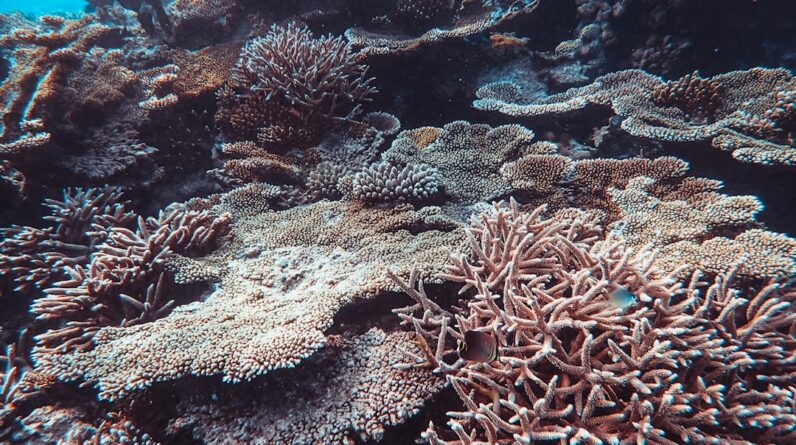
The effects of global warming on ecosystems are profound and multifaceted. As you examine this aspect, you will find that rising temperatures and changing precipitation patterns can lead to habitat loss for many species. Coral reefs, often referred to as the “rainforests of the sea,” are particularly vulnerable to warming waters and ocean acidification.
You may learn that coral bleaching events have become more frequent, resulting in the loss of biodiversity and threatening marine life that depends on these ecosystems for survival. In terrestrial environments, you might observe shifts in species distribution as animals and plants migrate to cooler areas or higher altitudes in search of suitable habitats. This migration can lead to increased competition for resources among species that were previously separated by geographical barriers.
As you reflect on these changes, consider how they can disrupt food webs and ecological relationships, ultimately leading to a decline in ecosystem health and resilience. The interconnectedness of life on Earth means that the repercussions of global warming ripple through entire ecosystems, affecting not just individual species but entire communities.
Effects on Agriculture and Food Security
As global temperatures rise, agriculture faces significant challenges that threaten food security worldwide. You may find that changing weather patterns lead to unpredictable growing seasons, making it difficult for farmers to plan their crops effectively. Droughts can decimate yields in some regions, while excessive rainfall can lead to flooding and soil erosion in others.
These fluctuations not only impact farmers’ livelihoods but also have broader implications for food availability and prices. Furthermore, as you explore this topic, consider how global warming affects crop viability. Certain crops may struggle to thrive in warmer conditions or may become more susceptible to pests and diseases.
This situation could lead to reduced agricultural productivity and increased reliance on food imports, which can strain economies and exacerbate inequalities. The challenge of ensuring food security in a warming world is immense, requiring innovative solutions and adaptive strategies from farmers, policymakers, and communities alike.
Health Implications
The health implications of global warming are increasingly evident as rising temperatures contribute to a range of health issues. You may notice that heatwaves have become more frequent and severe, posing risks particularly to vulnerable populations such as the elderly and those with pre-existing health conditions. Prolonged exposure to extreme heat can lead to heat-related illnesses and even fatalities, highlighting the urgent need for public health interventions.
In addition to heat-related health risks, global warming can exacerbate air quality issues and contribute to respiratory problems. As temperatures rise, you might find that air pollution levels increase due to higher emissions from vehicles and industrial activities. This deterioration in air quality can lead to a surge in asthma cases and other respiratory diseases, placing additional strain on healthcare systems.
As you consider these health implications, it becomes clear that addressing global warming is not just an environmental concern; it is also a matter of public health and well-being.
Economic Consequences
The economic consequences of global warming are far-reaching and complex. As you explore this dimension, you will find that extreme weather events can lead to significant financial losses for businesses and communities alike. Natural disasters such as hurricanes, floods, and wildfires can damage infrastructure, disrupt supply chains, and result in costly recovery efforts.
You may learn that these economic impacts disproportionately affect low-income communities that often lack the resources to recover quickly from such events. Moreover, as agricultural productivity declines due to changing climate conditions, food prices may rise, leading to increased costs for consumers. This situation can create a ripple effect throughout the economy, affecting everything from grocery bills to international trade dynamics.
As you reflect on these economic consequences, consider how they highlight the interconnectedness of environmental sustainability and economic stability. Addressing global warming is not only an ethical imperative but also a strategic necessity for ensuring long-term economic resilience.
Social and Political Ramifications
The social and political ramifications of global warming are profound and multifaceted. As you delve into this topic, you will find that climate change can exacerbate existing social inequalities and create new challenges for governance. Vulnerable populations—such as low-income communities, indigenous peoples, and those living in developing countries—are often disproportionately affected by climate impacts due to their limited resources and adaptive capacity.
This inequity raises important questions about justice and equity in climate action. Furthermore, as climate-related disasters become more frequent, you may observe an increase in climate migration as people are forced to leave their homes in search of safer living conditions. This movement can lead to tensions between displaced populations and host communities, creating potential conflicts over resources such as water and land.
As you consider these social dynamics, it becomes evident that addressing global warming requires not only environmental solutions but also a commitment to social justice and inclusive governance.
Mitigation and Adaptation Strategies
In light of the challenges posed by global warming, exploring mitigation and adaptation strategies is essential for building a sustainable future. Mitigation efforts focus on reducing greenhouse gas emissions through various means such as transitioning to renewable energy sources, improving energy efficiency, and promoting sustainable land use practices. As you engage with these strategies, consider how individual actions—such as reducing energy consumption or supporting local agriculture—can contribute to broader efforts aimed at combating climate change.
Adaptation strategies are equally important as they help communities prepare for and respond to the impacts of climate change that are already occurring. You might explore initiatives such as developing resilient infrastructure, implementing water conservation measures, or enhancing disaster preparedness plans. By fostering collaboration among governments, businesses, and civil society organizations, communities can build resilience against climate impacts while promoting sustainable development.
In conclusion, global warming is a multifaceted challenge that requires urgent attention and action across various sectors of society. By understanding its implications—from changes in weather patterns to health impacts—you can appreciate the complexity of this issue and the necessity for comprehensive solutions. As you reflect on your role in addressing global warming, consider how your actions can contribute to a more sustainable future for generations to come.
In a related article on combatting global warming by massive tree planting, the importance of reforestation efforts in mitigating the impacts of climate change is highlighted. The article discusses how planting trees can help absorb carbon dioxide from the atmosphere, reduce greenhouse gas emissions, and create a healthier environment for all living beings. This aligns with the subtle impacts of global warming discussed in “Beyond the Headlines,” emphasizing the interconnectedness of ecosystems and the urgent need for sustainable solutions to combat climate change.
FAQs
What are the subtle impacts of global warming?
Global warming has subtle impacts on the environment, including changes in precipitation patterns, shifts in ecosystems, and alterations in the distribution of plant and animal species.
How does global warming affect precipitation patterns?
Global warming can lead to changes in precipitation patterns, causing some areas to experience more frequent and intense rainfall, while others may face prolonged droughts.
What are the effects of global warming on ecosystems?
Global warming can disrupt ecosystems by altering the timing of natural events, such as flowering and migration, and by affecting the availability of resources like food and water for plants and animals.
How does global warming impact the distribution of plant and animal species?
Global warming can force plant and animal species to migrate to new areas in search of suitable habitats, leading to changes in the distribution and composition of ecosystems.
What are some other subtle impacts of global warming?
Other subtle impacts of global warming include changes in ocean currents, sea level rise, and the melting of polar ice caps, all of which can have far-reaching effects on the environment and human societies.