In recent years, the beauty and personal care industry has witnessed a significant shift towards the incorporation of microplastics in various products. These tiny plastic particles, often less than five millimeters in size, have become a common ingredient in scrubs, exfoliants, and even some shampoos. You may not realize it, but when you use these products, you are likely contributing to a growing environmental issue.
The rise of microplastics can be attributed to their ability to enhance texture, provide a smooth application, and create a visually appealing product. However, the convenience they offer comes at a considerable cost to the environment. As you explore your favorite personal care items, it’s essential to understand that microplastics are not just a passing trend; they have become embedded in the fabric of many formulations.
The allure of instant gratification often overshadows the long-term consequences of using products containing these particles. While they may provide immediate benefits such as exfoliation or improved product consistency, the reality is that these microplastics can persist in the environment for hundreds of years. As you consider your beauty routine, it’s crucial to recognize the implications of your choices and how they contribute to the broader issue of plastic pollution.
Key Takeaways
- Microplastics in personal care products have been on the rise, contributing to environmental pollution.
- Microbeads have a detrimental impact on marine life, causing harm to various species and disrupting ecosystems.
- The environmental consequences of microplastic pollution are far-reaching, affecting water quality and posing risks to human health.
- Consumers can identify microplastics in their beauty and personal care products by checking ingredient labels and choosing eco-friendly alternatives.
- Legislation plays a crucial role in combating microplastic pollution, with bans and regulations helping to reduce the use of microbeads in personal care products.
Understanding the Impact of Microbeads on Marine Life
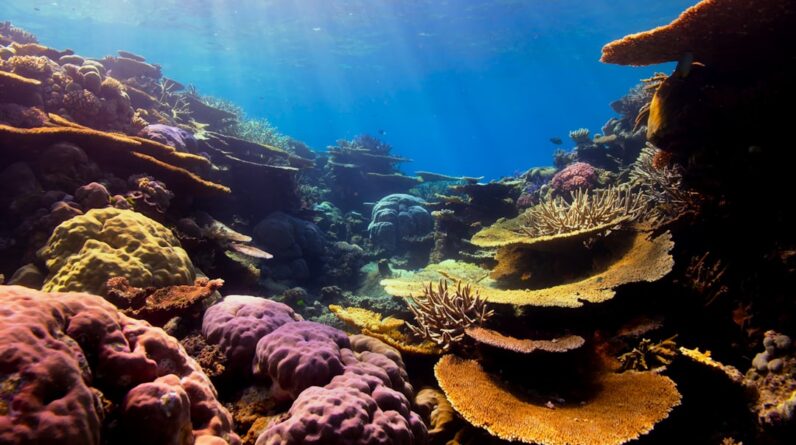
Microbeads, a specific type of microplastic commonly found in personal care products, pose a significant threat to marine ecosystems. When you wash your face or scrub your body with products containing microbeads, these tiny particles often wash down the drain and eventually make their way into rivers, lakes, and oceans. Once in the water, they can be ingested by marine organisms, from small fish to larger mammals.
This ingestion can lead to physical harm and even death for these creatures, disrupting entire food chains and ecosystems. As you consider the impact of your beauty choices, it’s important to recognize that microbeads do not simply disappear after use. They accumulate in the environment and can be mistaken for food by marine life.
This not only affects individual species but also has cascading effects on biodiversity and ecosystem health. The consequences extend beyond marine life; as you consume seafood, you may unknowingly ingest microplastics yourself. This interconnectedness highlights the urgent need for awareness and action regarding the use of microbeads in personal care products.
The Environmental Consequences of Microplastic Pollution

The environmental consequences of microplastic pollution are far-reaching and alarming. When you think about plastic waste, you might envision large pieces floating in the ocean or littering beaches. However, microplastics are often less visible yet equally harmful.
They can infiltrate soil, waterways, and even the air we breathe. As these particles break down into smaller fragments, they become increasingly difficult to remove from the environment. This persistent pollution poses a threat not only to wildlife but also to human health.
You may be surprised to learn that microplastics can absorb harmful chemicals from their surroundings, acting as carriers for toxins that can enter the food chain. This means that when marine life ingests microplastics, they are also consuming these harmful substances. As you reflect on your role as a consumer, consider how your choices contribute to this cycle of pollution.
The accumulation of microplastics in various ecosystems can lead to long-term damage that affects not just wildlife but also the quality of water and soil that sustains us all.
Identifying Microplastics in Your Beauty and Personal Care Products
Identifying microplastics in your beauty and personal care products may seem daunting at first, but it is an essential step toward making more informed choices. As you browse through ingredient lists, look for terms like “polyethylene,” “polypropylene,” or “polymethyl methacrylate.” These are common types of microplastics used in various formulations. You might be surprised to find that many products marketed as “natural” or “gentle” still contain these synthetic ingredients.
To make your search easier, consider using apps or websites dedicated to helping consumers identify harmful ingredients in personal care products. These resources can provide valuable information about which brands prioritize sustainability and avoid using microplastics. As you become more aware of what goes into your beauty routine, you empower yourself to choose products that align with your values and contribute to a healthier planet.
Alternatives to Microbeads: Eco-Friendly Options for Personal Care
Fortunately, there are numerous eco-friendly alternatives to microbeads that you can incorporate into your personal care routine. Natural exfoliants such as sugar, salt, or ground coffee can provide effective scrubbing without harming the environment. These ingredients not only offer similar benefits but also biodegrade easily, leaving no trace behind.
As you explore these alternatives, you may discover new textures and scents that enhance your self-care experience. In addition to natural exfoliants, many brands are now formulating products with biodegradable materials or plant-based ingredients that serve similar purposes without contributing to plastic pollution. Look for products labeled as “microplastic-free” or “biodegradable” when shopping for personal care items.
By choosing these eco-friendly options, you not only support sustainable practices but also encourage companies to prioritize environmental responsibility in their formulations.
The Role of Legislation in Combating Microplastic Pollution

Legislation plays a crucial role in addressing the issue of microplastic pollution in personal care products. In recent years, several countries have taken significant steps toward banning or restricting the use of microbeads in cosmetics and personal care items. As a consumer, you can advocate for stronger regulations by supporting policies aimed at reducing plastic waste and promoting sustainable practices within the beauty industry.
You may also want to stay informed about local initiatives and campaigns focused on environmental protection. By participating in community efforts or signing petitions advocating for change, you contribute to a collective voice demanding action against microplastic pollution. Your engagement can help drive legislative changes that hold companies accountable for their environmental impact and encourage them to adopt more sustainable practices.
How Consumers Can Make Informed Choices to Reduce Microplastic Pollution
As a consumer, you hold significant power in shaping the market for personal care products. By making informed choices, you can actively contribute to reducing microplastic pollution. Start by educating yourself about the brands you support and their commitment to sustainability.
Look for certifications or labels indicating eco-friendly practices and transparency in ingredient sourcing. Additionally, consider adopting a minimalist approach to your beauty routine by focusing on multi-purpose products that reduce waste and limit exposure to harmful ingredients. By prioritizing quality over quantity, you not only simplify your routine but also minimize your environmental footprint.
Engaging with like-minded individuals through social media or community groups can further amplify your impact as you share knowledge and resources with others who are passionate about sustainability.
The Future of Personal Care Products: Sustainable and Eco-Friendly Solutions
The future of personal care products is increasingly leaning towards sustainability and eco-friendliness as consumers demand more responsible options. You may notice a growing trend among brands that prioritize natural ingredients, biodegradable packaging, and ethical sourcing practices. This shift reflects a broader awareness of environmental issues and a desire for products that align with personal values.
As you navigate this evolving landscape, consider supporting brands that are committed to innovation in sustainability. Many companies are investing in research and development to create new formulations that eliminate harmful ingredients while maintaining effectiveness. By choosing these forward-thinking brands, you contribute to a movement that prioritizes both personal well-being and environmental health.
In conclusion, the rise of microplastics in personal care products presents a significant challenge for both consumers and the environment. By understanding the impact of microbeads on marine life and recognizing the environmental consequences of plastic pollution, you can make informed choices that promote sustainability. Identifying microplastics in your beauty routine and opting for eco-friendly alternatives empowers you to take action against this pressing issue.
Through advocacy and conscious consumerism, you play a vital role in shaping a future where personal care products are both effective and environmentally responsible.
If you are interested in learning more about how to live a more sustainable lifestyle and reduce your environmental impact, check out the article Preventing Floods by Massive Tree Planting on Live Life with a Cause. This article discusses the importance of tree planting in preventing floods and how individuals can contribute to this cause. It is a great resource for those looking to make a positive difference in the world.
FAQs
What is the hidden ocean polluter lurking in your bathroom cabinet?
The hidden ocean polluter lurking in your bathroom cabinet is microplastics, which are tiny plastic particles found in many personal care and cosmetic products.
How do microplastics end up in the ocean?
Microplastics end up in the ocean through various pathways, including being washed down the drain when we use products containing them, or being released into the environment during the manufacturing and disposal of these products.
What are the environmental impacts of microplastics in the ocean?
Microplastics in the ocean can have harmful impacts on marine life, as they can be ingested by animals and can also accumulate toxic chemicals. They can also contribute to the overall pollution of the marine environment.
How can consumers reduce their use of products containing microplastics?
Consumers can reduce their use of products containing microplastics by choosing products that are labeled as “microplastic-free” or “microbead-free,” and by opting for natural and biodegradable alternatives.
What are some regulations in place to address the issue of microplastics in personal care products?
Several countries and regions have implemented bans or restrictions on the use of microplastics in personal care products, and some companies have voluntarily committed to phasing out the use of microplastics in their products.